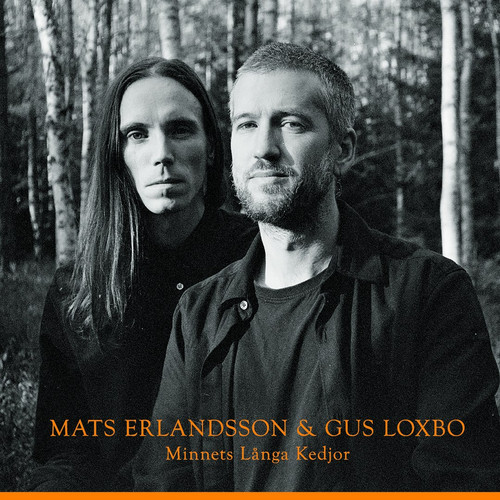
Minnets Långa Kedjor
First recorded work by Swedish drone composer Mats Erlandsson and double bassist Gus Loxbo, friends for 25 years: free improvisation, electroacoustic drone and doom, reshaped in the studio through digital processing and tape work.
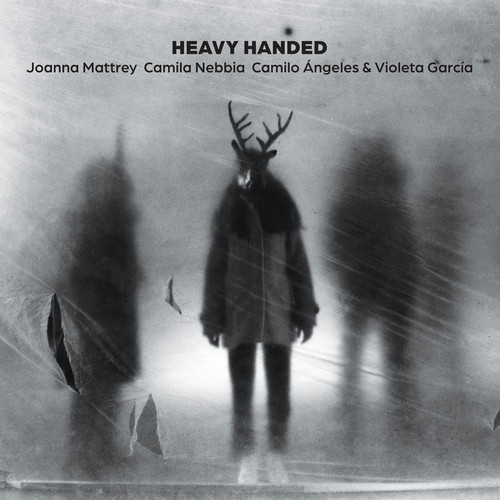
Heavy Handed
Joanna Mattrey on viola, Camila Nebbia on tenor sax, Camilo Ángeles on flute and Violeta García on cello, recorded live at Jazzwerkstatt Bern in 2024: strings, winds and breath in a shifting collective language.
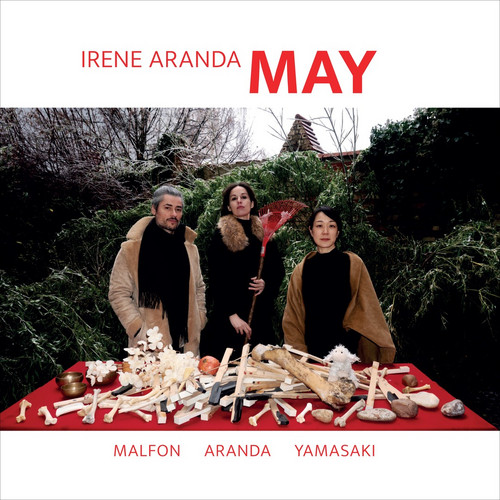
May
Pianist Irene Aranda's trio with saxophonist Don Malfon and vocalist Ami Yamasaki, whose echolocation vocal practice meets Malfon's extended saxophone techniques in an absorbing improvised language.
3 X 1
Third album by Glass Triangle, Zeena Parkins on electric harp, Mette Rasmussen on alto saxophone and voice and Ryan Sawyer on drums: a studio session moving from delicate passages to dense, kinetic interplay.
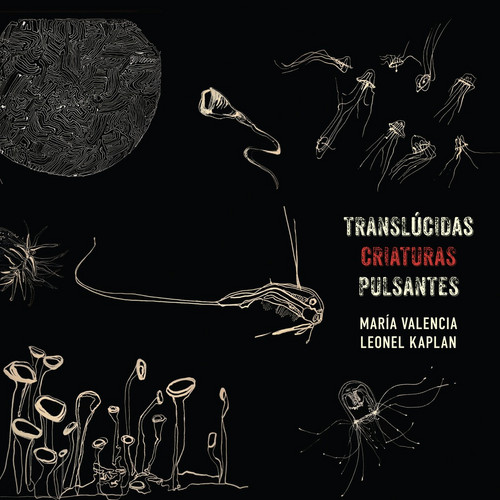
Translúcidas Criaturas Pulsantes
Colombian reed player María Valencia, on alto saxophone and clarinet, and Argentine cornetist Leonel Kaplan in an intimate improvised duo recorded in Belgrade in 2025, patient and full of textural invention.
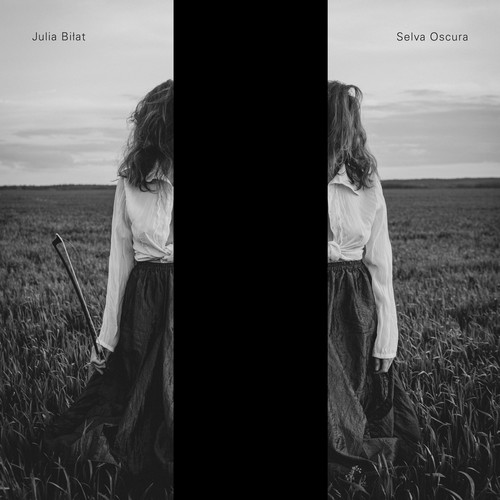
Selva Oscura
Solo cello and voice by Julia Biłat, recorded live near Berlin: splintered harmonics, rough bow textures and resonant drones in improvised compositions that move like a passage through shadow.
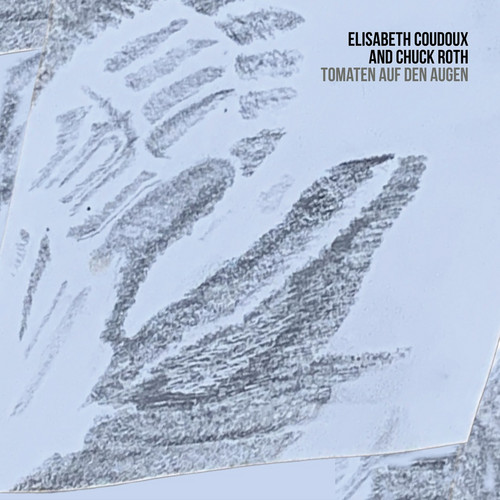
Tomaten auf den Augen
Cellist Elisabeth Coudoux and guitarist Chuck Roth, who plays unprocessed and unpedaled, in a free improvised duo of shifting densities, extended techniques and fragile silences, recorded in Philadelphia in 2025.
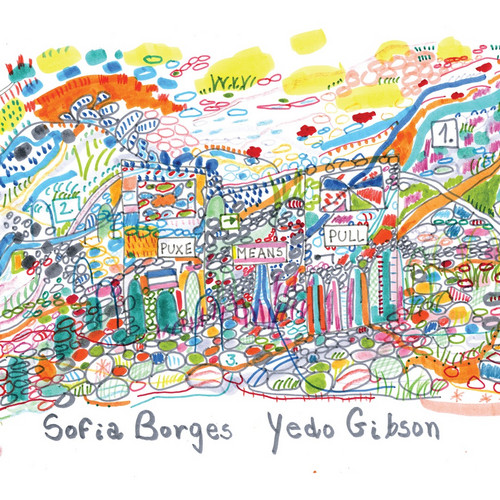
Puxe Means Pull
Drummer and percussionist Sofia Borges and saxophonist Yedo Gibson in a tense, searching duo recorded in Lisbon: objects, prepared sounds and tenor and soprano lines in improvisations built on texture, pressure and close listening.
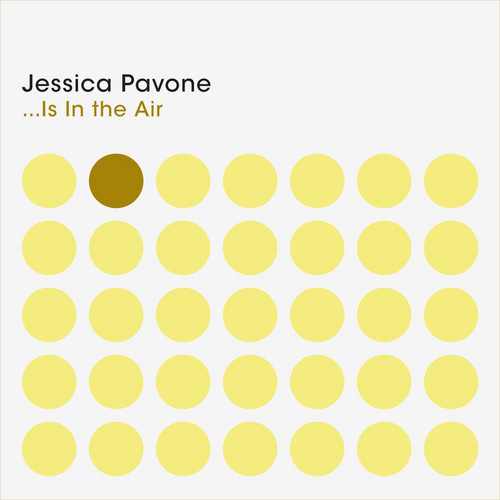
...Is In the Air
Jessica Pavone's sixth solo viola album builds on the open strings and their sympathetic resonances, with electronic effects as a playing partner and guest appearances by Fred Frith on guitar and Joe Lally on bass.
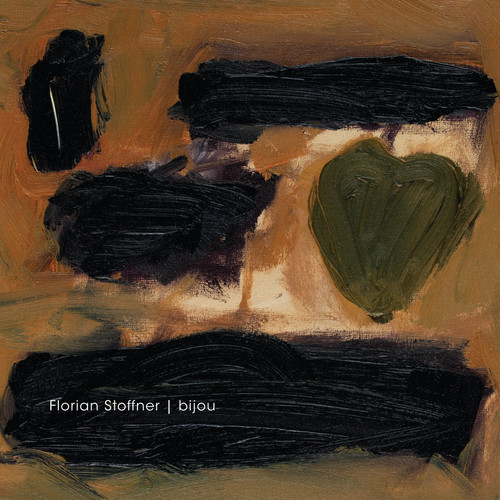
Bijou
Solo guitar by Swiss improviser Florian Stoffner: six pieces he recorded himself at Bee Street studio, mixed by John Butcher, stretching the instrument's vocabulary through texture, space and spontaneous invention.
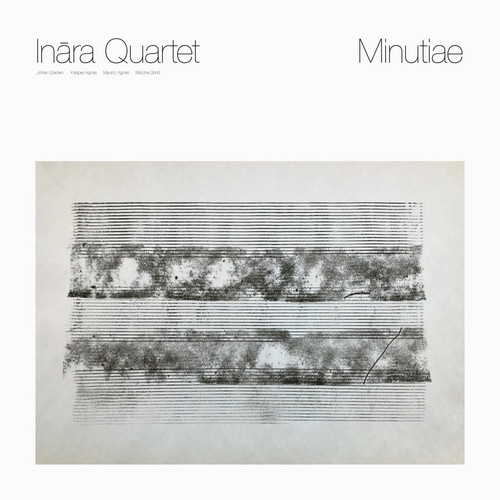
Minutiae
Minutiae is the first full-length release form Stockholm’s Ināra Quartet, made up of brothers Kasper (guitar, banjo, mandolin) and Mauritz Agnas (bass, cello), Johan Graden (piano, harmonium, synths) and Mischa Grind (percussion). Drawing on wide performance and composition experience in free improvisation, jazz, and composed new music, the quartet have carved out a unique niche where radical approaches to rhythmic organisation and group interaction are wedded to immediately accessible, folkish …
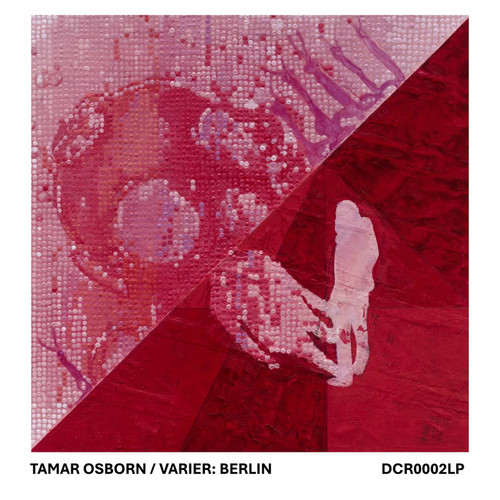
Varier: Berlin
Renowned saxophonist, woodwind player, bandleader and composer Tamar Osborn stands at the heart of the UK’s forward-thinking music movement. A multi-instrumentalist whose genre-slipping creativity has made her the go-to voice for artists within the new wave of jazz and improvised music, Osborn now unveils her most ambitious and exploratory project to date. Well known and highly regarded as a bandleader and featured player across a wide number of groups - most notably her modal ensemble Collocuto…
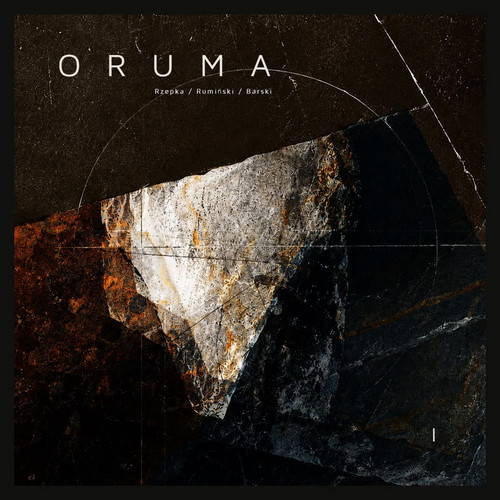
I
Oruma is a trio formed by Ola Rzepka (drums, zither, percussion), Artur Rumiński (electric guitar) and Mat Barski (electric guitar). At its foundation is the musical dialogue previously developed by Rumiński and Barski as a guitar duo and documented on the albums “On the Margin” and “At the Junction”. Their encounter with Ola Rzepka during Kraków’s Kakofonie series opened this music to a new sense of dynamics, pulse and collective form.
Oruma’s music exists at the intersection of free improvisat…
Dancing with Dragonflies
Confront Recordings announces the release of Dancing with Dragonflies, a compelling new collaboration between double bassist Alan Niblock and percussionist Mark Wastell.
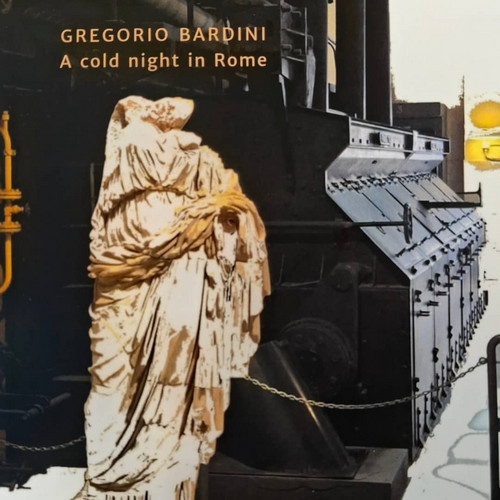
A Cold Night in Rome
On A Cold Night in Rome, Gregorio Bardini turns a 2007 Cold Spring event into a ritual of noise, flute, voice and historical residue. Ezra Pound’s metallic ghost, bagpipes, violin, distorted guitar and ethnic percussion converge in a live document that feels both industrial and archaic - a harsh, deeply human soundscape outside category.
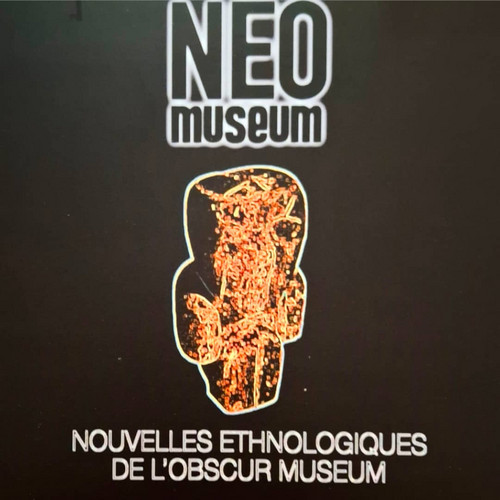
Nouvelles Ethnologiques de l’Obscur Museum
On Nouvelles Ethnologiques de l’Obscur Museum, NEO Museum forge a fierce, finely cut collision of free jazz, radical rock and European avant-garde composition. Born in mid-80s Vandœuvre-lès-Nancy, the trio turns saxophone, guitar and drums into a compact laboratory of fractured forms, bristling improvisation and volatile collective invention.
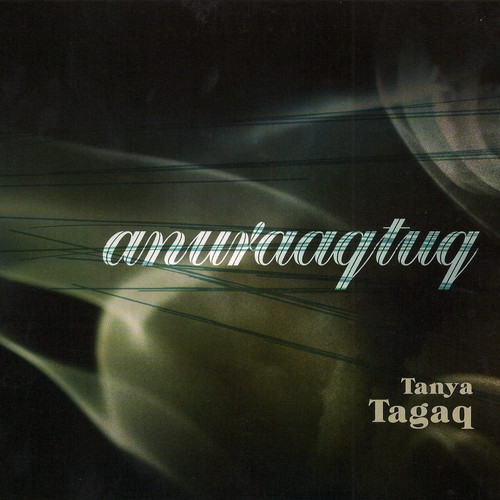
Anuraaqtuq
Inuit singer Tanya Tagaq live at Victoriaville in May 2010 with Jean Martin on drums and computer and Jesse Zubot on violin: throat singing, cries and breath stretched into an hour of raw, physical improvisation.
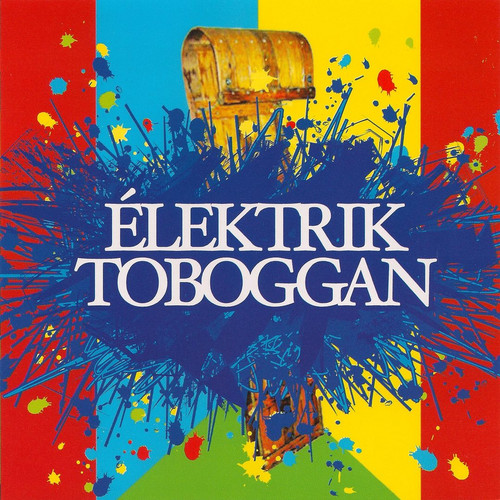
Élektrik Toboggan
René Lussier and Martin Tétreault meet Otomo Yoshihide at Victoriaville on 19 May 2008: two electric guitars, three turntables and a spy microphone in the trio's first performance together.
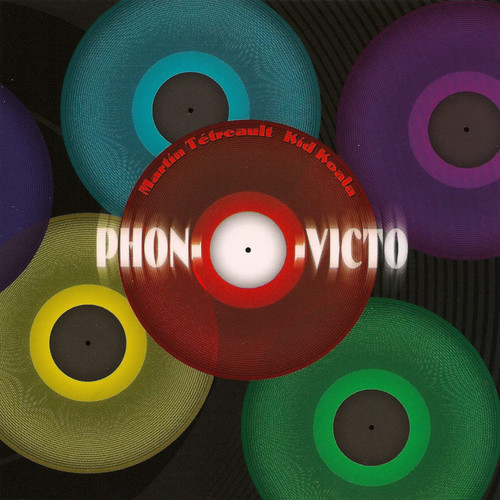
Phon-O-Victo
Montreal turntablists Martin Tétreault and Kid Koala, live at Victoriaville on 21 May 2005, vinyl only: old self-help and demonstration records, scratches and loops, from the noise side and the hip-hop side of the instrument.
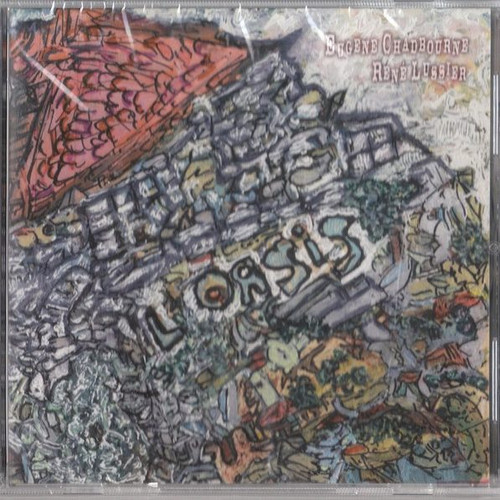
L'Oasis
Eugene Chadbourne and René Lussier, live in Paris and at Victoriaville in May 2002: acoustic and electric guitars, banjo and voice in a twisted hoedown of free improvisation, bluegrass and country blues.