Back in stock
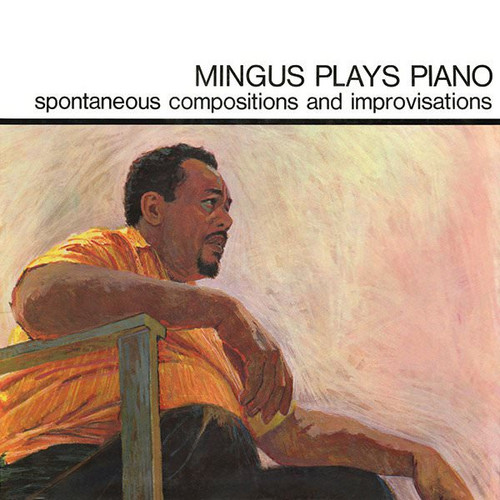
Mingus Plays Piano
Superior Viaduct's second Mingus reissue shows a more introspective side of the composer with Mingus Plays Piano. One of his most straightforwardly beautiful recordings, there is a meditative calm found in Mingus' piano work, touching on shades of Debussy, Satie, Bill Evans, and Duke Ellington. There's no showboating, and not an ounce of amateurism considering Mingus was primarily known as a bassist. Making its way through standards, original compositions, and the blues, Mingus Plays Piano is a …
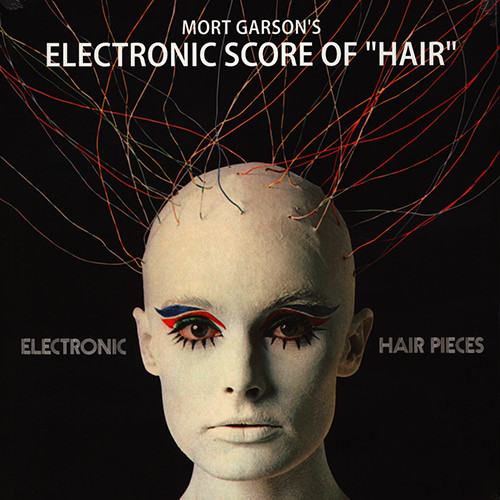
Electronic Hair Pieces
Mort Garson was the master of the moog and a pioneer in electronic music from the late 60s and 70s where he participated in some unforgotten projects such as Lucifer, The Zodiac, Ataraxia and Plantasia. The following review centers on his album “Electronic Hair pieces” from 1969 on which he tickles your senses with instrumental adaptions of the songs from the musical “Hair”. He performs all the tunes on a contemporary moog synthesizer system even with electronic percussion. Since you might recog…
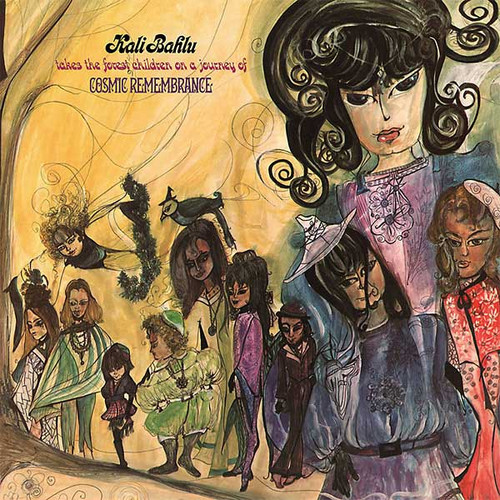
Cosmic Remembrance
Merlins Nose Records present the first official reissue of Kali Bahlu's Cosmic Remembrance, originally released in 1967. In 1967, Kali Bahlu felt that it was time to "simply speak the truth as it comes to me from the other side". She believes that we're all tapped in a cosmic game, and her overall adorably wisdom folly, that she preserved into her old days, could lead to the assumption that she's been the grandmother of characters like Luna Lovegood. Cosmic Rememberance features four narrations …
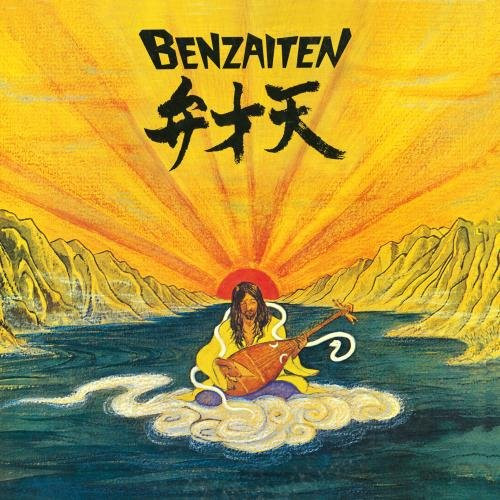
Benzaiten
Official re-release in quality edition. World music and ethno sounds with an obvious Japanese origin meet progressive rock and psyche. The result is a captivating piece of melodic and deeply atmospheric music that paints pictures of life in ancient Japan into your mind when you lay back, close your eyes and listen closely with your thoughts turned off. If Pink Floyd were Japanese their music might have sounded like that. The frequency of the arrangements on „Benzaiten“ reminds of what our …
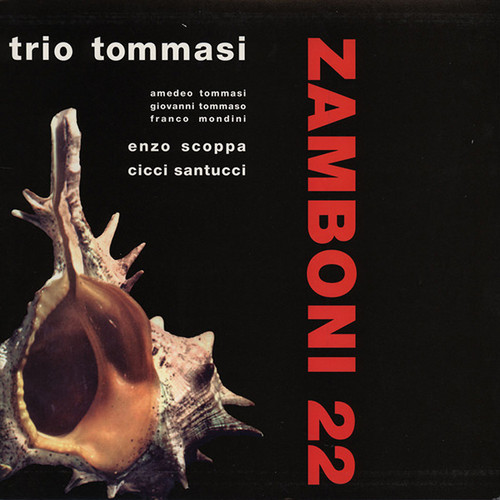
Zamboni 22
Climate- atmosphere is what we say. Soul with beautiful expression, is what they say in the modern jazz scene in the US. It’s a necessary component for good jazz, as well as for swing. But to achieve an organic atmosphere which is therefore vital and alive, a relationship of intentions and views, and a congeniality of thoughts are needed. When Tommasi was in Rome for a few days and had Santucci and Scoppa listen to the latest pieces he had composed, the three musicians ideas, aspirations, …

Phantom Limb
Massive industrial noise and free jazz blasts from the past,16-17 returning with new material after 25 years. Founded 1983 in Basel by saxophonist Alex Buess and former drummer Knut Remond, they have been shaping the forefront of a new sound area. Playing an abrasive distorted mix of dub, hardcore and free jazz that lead to a meeting of likeminded heavy heads that temporally took part in the band e.g. Kevin Martin (The Bug, Techno Animal) or G.C. Green (Godflesh). After marking their presence an…
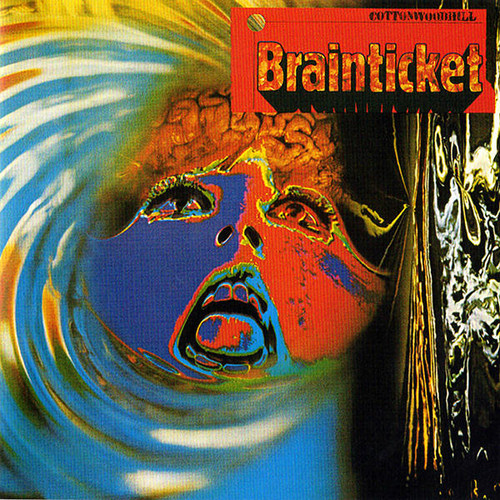
Cottonwoodhill
**Remastered from the original master tapes, 180 gram reissue of the original vinyl release with gatefold cover** A limited edition re-issue of the legendary 1971 debut album by Brainticket that is widely considered a landmark psychedelic masterpiece!Being as LSD was first developed in a laboratory in Basel, it is perhaps no coincidence that one of the most "far out" albums of all time was made by this Swiss band (no small feat, given the competition!). Brainticket's 1971 debut, Cottonwoodhill, …
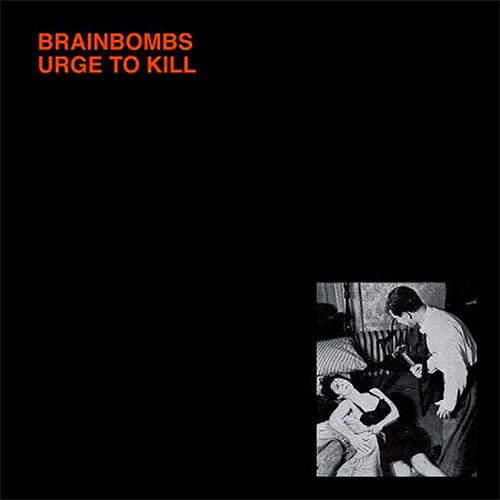
Urge To Kill
The long-awaited reissue of the Brainbombs 1999 album Urge To Kill. Nobody knows what a Brainbomb is, but with the sounds of this record strapped close to your skull you will not need your fancy pants college thesaurus to figure out exactly what the meaning is. This record is maximum, in-the-red and dealing with more issues than a year of after school specials. Sounds like a fried out speaker blowing a mix of Detroit fueled orgy fun and evil bad-assery. Driving around in your car, being tired, p…
Singles Collection
Armageddon Shop is proud to announce the long-awaited reissue of the Brainbombs' first singles collection album. The Brainbombs use a horn, scraping guitars and the mindset of a mentally-impaired killer to bring some dark damage to the putrid remains of the corpse of rock music. When the band started, the Brainbombs were much more in line with the European industrial scene of the time. Though they use the tools of the rock trade, Brainbombs instead breath from the fart-helmet of minimal repetiti…
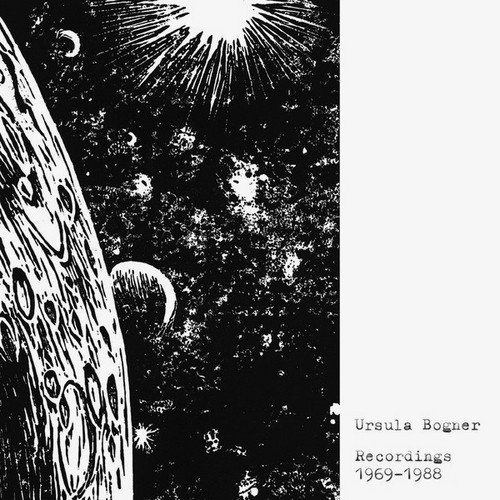
Recordings 1969-1988
Faitiche is ten years old. October 2008 saw the release of Ursula Bogner - Recordings 1969-1988, for which the label was created. While working as a pharmacist, Ursula Bogner experimented with electronic music, undiscovered, for over three decades. When Jan Jelinek first heard Bogner's work in 2008, he was enthusiastic. The resulting album, compiled by Jelinek from Bogner's extensive oeuvre, is being reissued in a remastered version to mark the label's tenth anniversary. This new version also in…
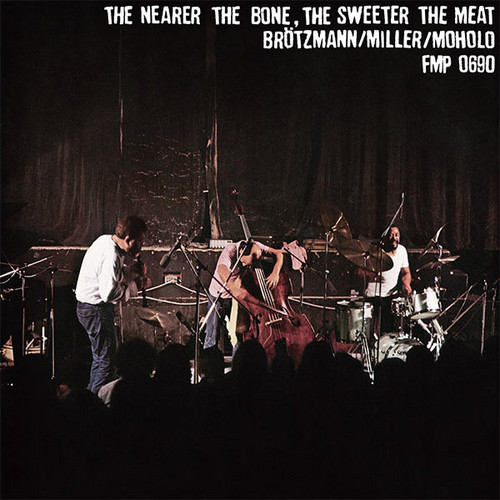
The Nearer the Bone, the Sweeter the Meat
180 gram vinyl, originally released in 1979 on the FMP label. Peter Brötzmann on soprano, alto, tenor saxophone, clarinet, bass clarinet; Harry Miller on double bass, and Louis Moholo on drums. Recorded by Jost Gebers on August 27th, 1979 at the FMP-Studio in Berlin. Produced by Peter Brötzmann and Jost Gebers.
"Brötzmann is a musician of character, who has been blazing his own trail for several years now, and it's true to say that he and his companions have created their own musical environment…
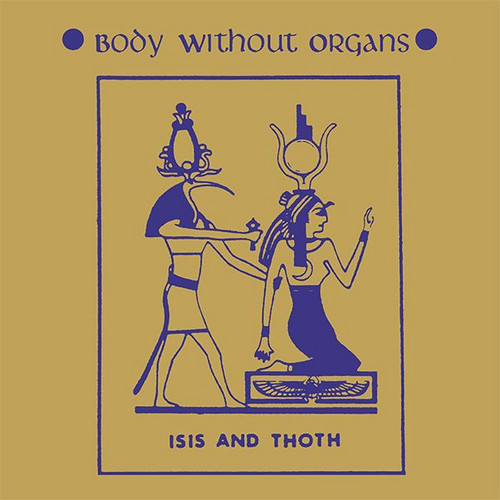
Isis and Thoth
Body Without Organs were a duo from New York City consisting of Richard Behrens (lyrics, vocals, guitar) and Carl Howard (electronics, effects) formed in 1982. The pair brought together skill and ideas from such diverse areas as writing, poetry, ceremonial magic, studio technology, and mass media sounds and images. The name Body Without Organs could mean several things: a body, being an organization, without organs, or hierarchy; a form of anarchy, certainly opposed to the capitalist system, and…
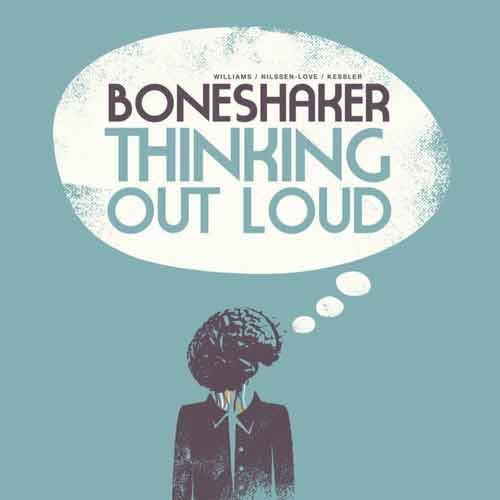
Thinking out loud
Boneshaker are Mars Williams (reeds, toy instruments), Paal Nilssen-Love (drums & percussion) and Kent Kessler (bass), three prolific powerhouse musicians, carrying among them a Grammy nomination and decades of experience with the top ensembles in the world. Thinking Out Loud is their third album. Personnel: Mars Williams - reeds; Paal Nilssen-Love - drums; Kent Kessler - bass.
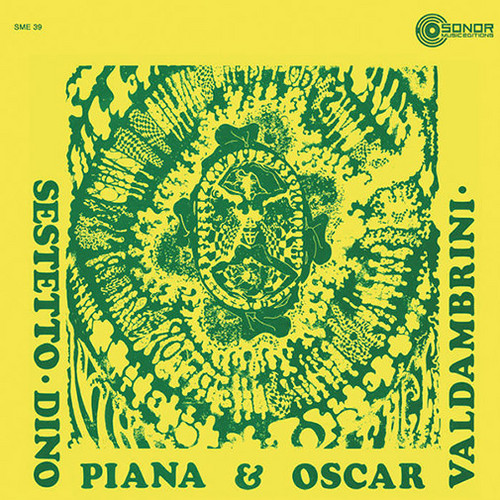
10 Situazioni
Historical Italian Jazz session originally released on legendary vinyl LP from 1973. Outstanding and magnificent Jazz Funk jewel and first album ever by this killer combo led by Dino Piana & Oscar Valdambrini. An original Jazz Library recording used for the soundtrack of Rai TV programme "Serata al Gatto Nero", 1973. Top Italian groovy Jazz and mental album, easily a grail of the genre featuring some terrific breaks, killer Wah Wah guitar and Funky Hammond job, with a solid backing studi…
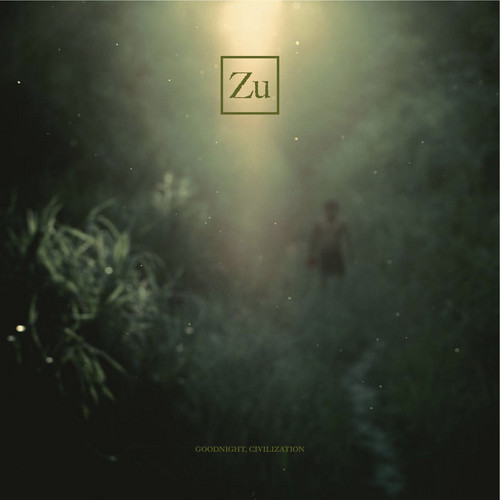
Goodnight, Civilization
finally ZU are back, with an amazing new line-up. Full album to follow in summer.
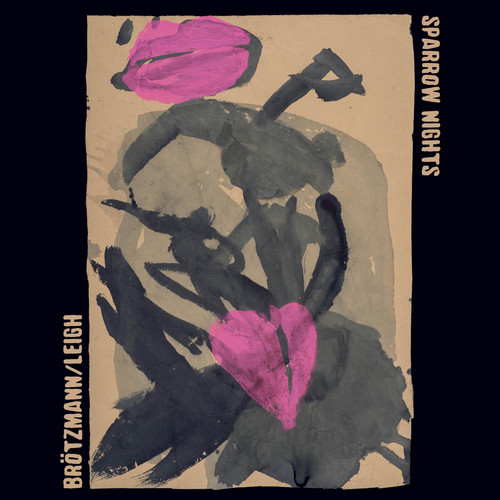
Sparrow Nights
Comes in a heavy, '60s style tip-on cover. Sparrow Nights is the first studio album from the furious duo of pedal steel player Heather Leigh and saxophone legend Peter Brötzmann. Their collaboration has quickly gained a well-earned reputation for their cutting-edge music and frenetic but sensuous playing. Recorded and mastered in Vienna by Martin Siewert. Features artwork by Brötzmann; LP version comes in a heavy, '60s style tip-on cover."There is complexity in simplicity, and Sparrow Nights is …
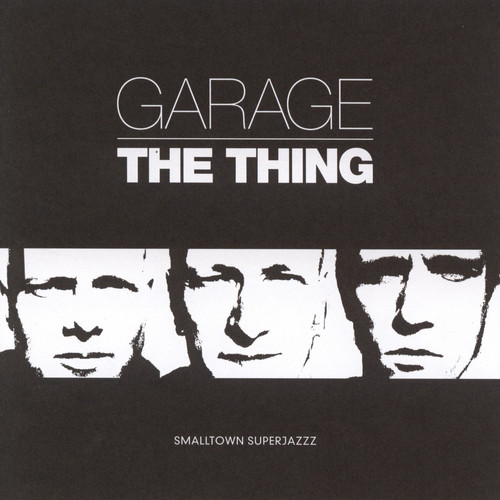
Garage
Garage is Scandinavian free jazz trio The Thing's acclaimed third album, originally released in 2004 by the Norwegian label Smalltown Superjazzz. In the wake of this album's original release, which was heralded by media outlets ranging from the BBC to Uncut to The Observer, the trio played a sold-out show in London with Four Tet and Prefuse 73 and embarked on European and American tours. Their performance at Oslo's Øya Festival with Sonic Youth's Thurston Moore as a guest guitarist was particula…
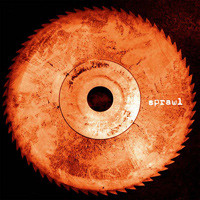
Sprawl
Trost presents the first vinyl edition of Sprawl, the intense and beautifully harsh collaborative project of drummer Michael Wertmüller (16-17, Alboth!, Full Blast), originally released on CD in 1997. Remastered and re-cut by Wertmüller and Alex Buess. The original release of this work marked the beginning of Trost's cooperation with Peter Brötzmann, after they organized an Alboth! show with Wertmüller. Wertmüller's intention for Sprawl was to gather the musicians he appreciates most and has wor…
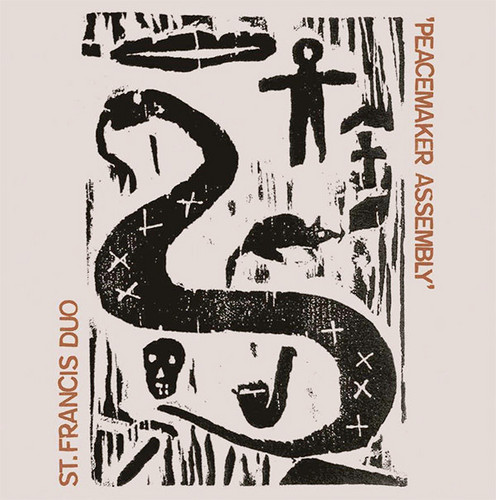
Peacemaker Assembly
LP version. Steve Noble: drums and percussion. Stephen O'Malley: guitars and amplifiers. Stephen O'Malley (cult-guitarist of SUNN O))), KTL) teams up with one of the leading UK drummers of the avant-garde scene, Steve Noble, to build hypnotic sound-sculptures and drones.
Whilst others still plough stylistically dead fields, these two are forging something vital and coolly life-affirming in Peacemaker Assembly, with Noble’s dextrous, diffused percussions picking out a pointillist cosmos of unq…

Al Cinema Con Piero Piccioni
**300 copies only** to present the reissue of the legendary session "Al Cinema con Piero Piccioni", originally composed of 2 volumes and released on the famed RCA SP series in 1968 - compiled with a curated selection of the best tracks and presented with renewed striking artwork. 2 absolutely cult and impossible to find albums of Italian discography released in a unique LP strictly limited to 300 copies, carefully remastered by from the original RCA master tapes, with heavy cardboard sleeve like…