★Three Blind Mice
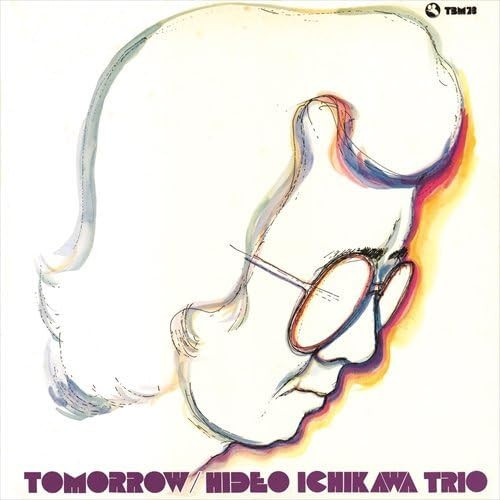
Tomorrow
TBM is proud to present Tomorrow, the new piano trio album by Hideo Ichikawa, a musician defined by two distinctive facets: the consummate technical pianist and the composer whose work shines through innovative, lyrical expression. Released on the TBM label, this record captures Ichikawa at a remarkable creative peak, where precision and imagination meet with rare naturalness.
On Tomorrow, Ichikawa reaches extraordinary artistic heights—an album that feels both deeply considered and vividly aliv…
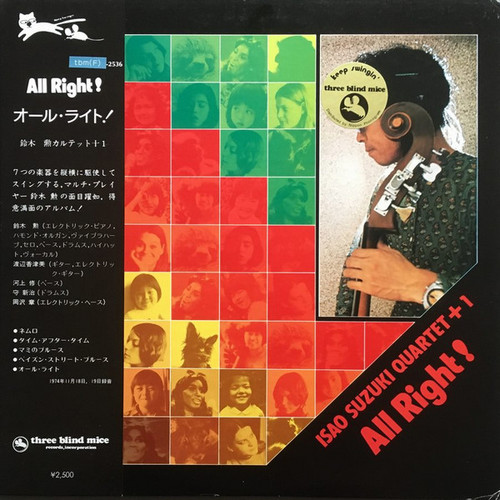
All Right!
Three Blind Mice is proud to present All Right! by the Isao Suzuki Quartet + 1, from the historic 2021 Stock release. Recorded on November 18 and 19, 1974, this long-awaited installment captures the unmistakable musical voice of Isao Suzuki and the quartet’s dynamic, exploratory spirit.
At the heart of the session is Isao Suzuki himself—renowned as a bassist, but equally compelling as a multi-instrumentalist. On this recording, he expands his artistry across electric piano, organ (Hammond), cell…
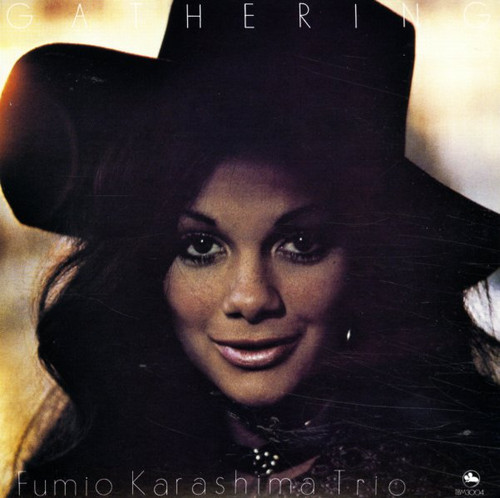
Gathering
The pianist Fumio Karashima is best known internationally for his long association with Elvin Jones, having held the piano chair in Jones's working bands for years, a credit that already tells you most of what you need to know about his playing. Gathering, his trio date for Three Blind Mice, is the work of a player who has spent serious time on the bandstand with one of the most demanding drummers in jazz history, and the record's qualities reflect it: a strong rhythmic centre, a left hand that …
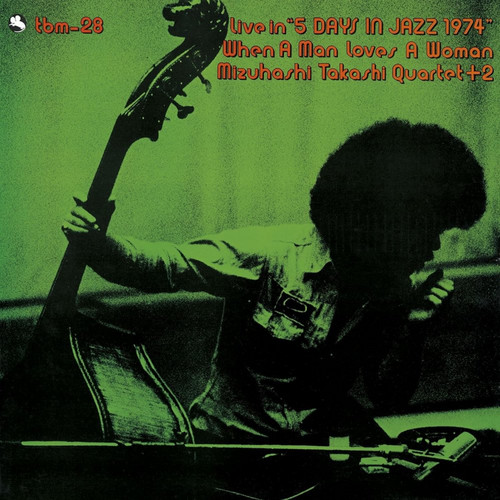
Live In "5 Days In Jazz 1974" - When A Man Loves A Woman
A mighty soulful set—where love songs, modal fire, and freer moments collide. Celebrated bassist Takahashi Mizuhashi delivers a deeply expressive performance captured live at Jazz 1974, released as Live In 5 Days In Jazz 1974 – When A Man Loves A Woman. This remarkable record is driven by the kind of playing that moves with conviction: long-form tracks that unfold like stories, shifting from heartfelt warmth to daring experimentation with effortless momentum.
The album opens with a soulful readi…
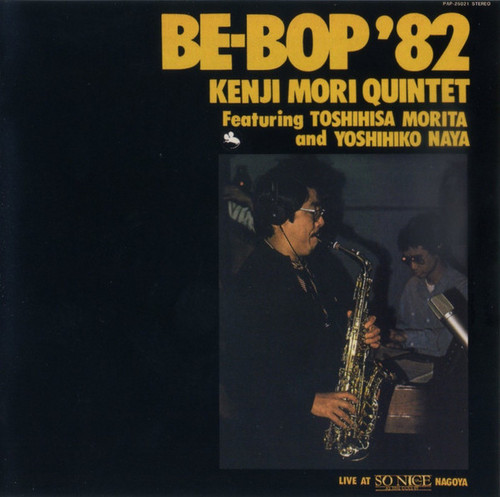
Be-Bop '82
*2026 stock* The title says it: a deliberate, joyful return to bebop fundamentals from the Kenji Mori quintet, recorded at a moment when the language could already feel like a stylistic choice rather than a default. By 1982 the Japanese jazz scene had moved through its modal, free and fusion phases, and Be-Bop '82 is in part a record about choosing to stand somewhere: a claim that the bebop vocabulary still had real things to say. Mori plays with the kind of warmth and confidence that comes from…
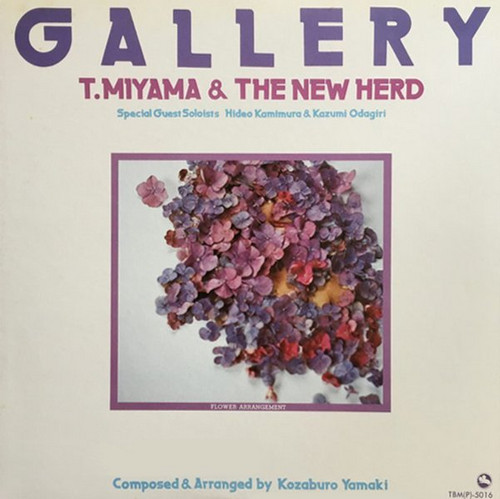
Gallery
*2026 stock* Toshiyuki Miyama led The New Herd for decades, one of the most important and most adventurous Japanese big bands of the post-war period, and the working ensemble through which a remarkable number of Japanese composers and arrangers found a sympathetic home. Gallery shows the band in mature form, working through a programme that uses the full resources of the ensemble: brass-heavy passages giving way to chamber-sized features, dense ensemble writing setting up patches of open improvi…
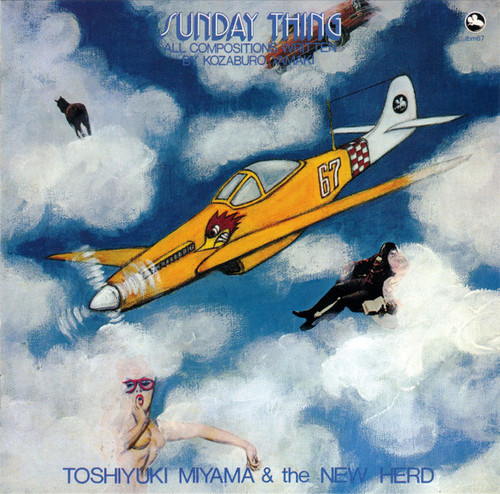
Sunday Thing
*2026 stock* Another date from Toshiyuki Miyama's New Herd for Three Blind Mice, and a strong candidate for the band's most accessible single record. Sunday Thing leans into the warmer, more groove-conscious end of the New Herd's repertoire: there are still the harmonic ambitions and ensemble dynamics that made the band more than a swing-era throwback, but the rhythmic feel runs closer to the soul-jazz and groove-oriented big-band writing that was current at the time.
Long-form arrangements give…
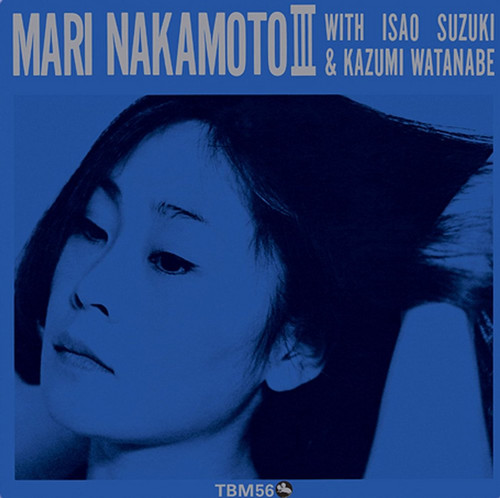
Mari Nakamoto III
*2026 stock* The third album from singer Mari Nakamoto for Three Blind Mice, and the one that pushes hardest at the conventions of mainstream vocal jazz. The line-up is the giveaway: alongside Nakamoto's voice, the record places bassist Isao Suzuki at the centre of the rhythm section and brings in Kazumi Watanabe on guitar, the same Watanabe who would shortly become one of the major figures in Japanese fusion and progressive jazz. The result is a vocal record where the accompaniment is unmistaka…
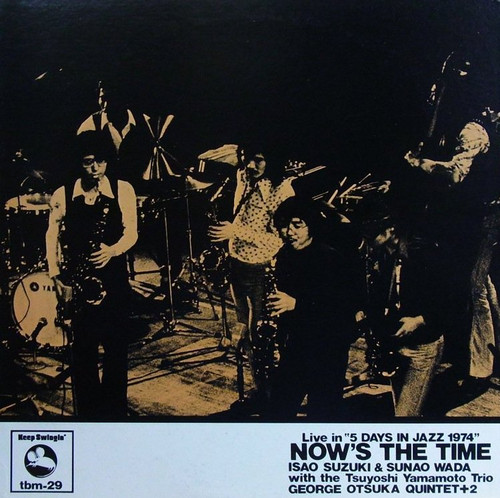
Now's The Time
*2026 stock* A live document from the legendary “5 Days In Jazz” festival in Tokyo in March 1974, and one of the most ambitious multi-band albums in the Three Blind Mice catalogue. The record gathers some of the most important working units of the moment: bassist Isao Suzuki and guitarist Sunao Wada sharing the front of the stage, the Tsuyoshi Yamamoto Trio holding things together from the rhythm section, and the George Otsuka Quintet stepping in with the alto-led horn front-line that defined th…
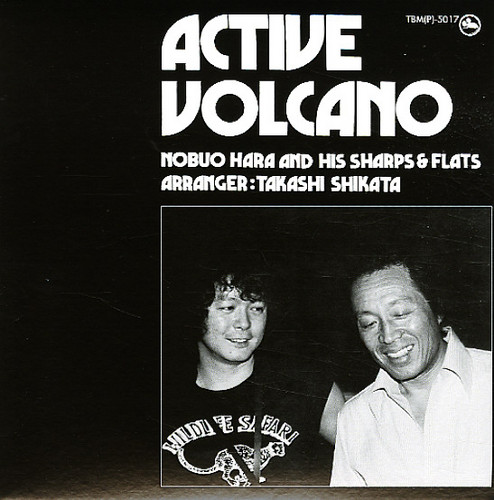
Active Volcano
*2026 stock* Nobuo Hara led Sharps & Flats for an astonishing run, well over half a century, and the band became one of the institutions of Japanese jazz, in roughly the same way the Clarke-Boland Big Band held its place in Europe. Active Volcano catches the ensemble in particularly muscular form: arrangements that draw on the funkier, groove-conscious end of seventies big-band writing, brass passages that hit hard without losing definition, and a sense of swing that belongs less to the swing er…
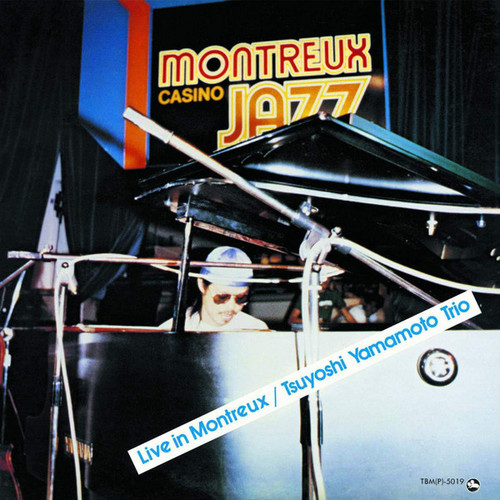
Live In Montreux
*2026 stock* The Tsuyoshi Yamamoto Trio in concert at Montreux, and one of the relatively few records that documents the working group on an international stage. By the time of this recording the trio had already been together for years, and the band's mutual understanding shows in the way pieces unfold: long heads, patient solos, and a rhythm section that responds to the leader's harmonic choices before he has finished making them.
Yamamoto plays with the bluesy, slightly behind-the-beat phrasi…
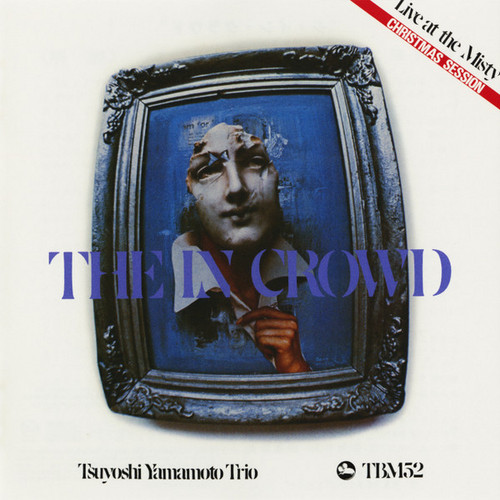
The In Crowd
*2026 stock* A mid-seventies entry from the Tsuyoshi Yamamoto Trio, and one of the records where the leader's bluesy, groove-conscious side comes most clearly to the front. The title track is the Ramsey Lewis standard, and the choice tells you most of what you need to know about the date: Yamamoto's trio was a working unit happy to engage with the soul-jazz and groove-jazz vocabularies that had been moving the music since the late sixties.
The rest of the programme balances that with the lyrical…
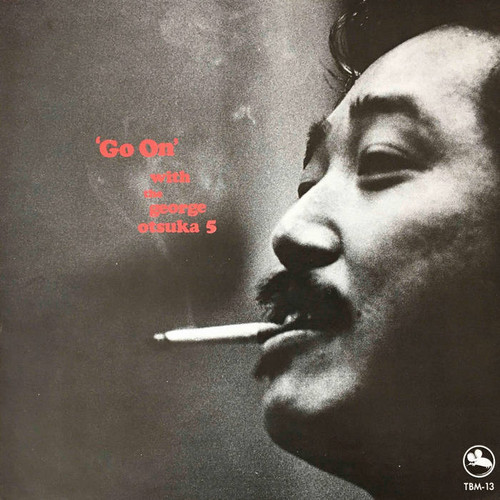
Go On
*2026 stock* Drummer George Otsuka was a fixture of the Tokyo jazz club scene from the sixties onwards, leading a series of working bands that earned a reputation for tight ensemble playing and consistently high temperature. 'Go On', one of the early releases on Three Blind Mice, captures the quintet at the moment when its hard bop foundation was beginning to stretch into something more searching: there's still plenty of swing, but the modal frames and freer improvising of the surrounding scene …
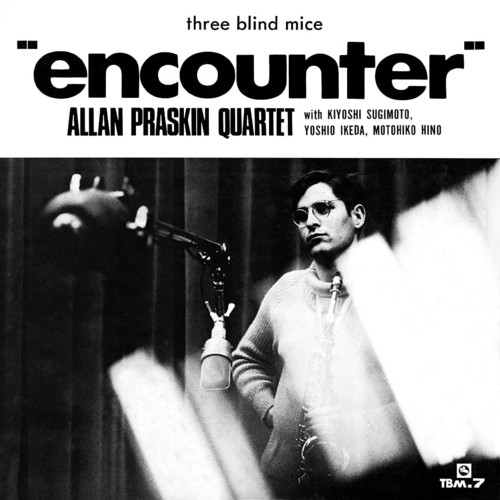
Encounter
*2026 stock* One of the more obscure entries in the early Three Blind Mice catalogue, and a record that points to the label's willingness, from very near its beginning, to host visiting players alongside the domestic scene. The American saxophonist Allan Praskin worked at the international margins of the jazz circuit, and Encounter finds him in a quartet setting that draws on the rhythmic discipline of the Japanese players around him.
The writing sits firmly in the post-bop tradition: modal fram…
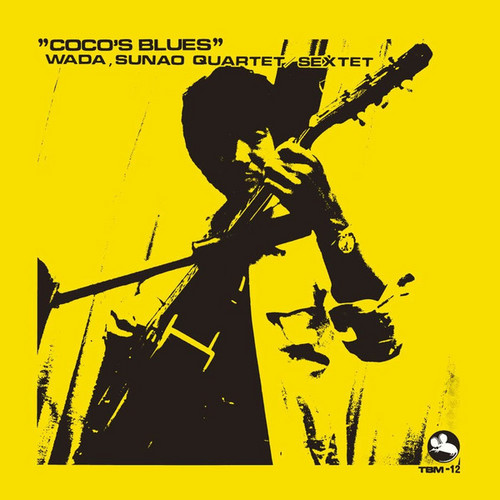
Coco's Blues
*2026 stock* Guitarist Sunao Wada spent the seventies as one of the most consistently working figures in Japanese jazz, a player whose tone owed something to Wes Montgomery and Kenny Burrell but whose phrasing carried a particular Japanese weight, more thoughtful than driving. Coco's Blues, an early release on Three Blind Mice, alternates quartet and sextet formations across the programme, and the shift in scale gives the record a real architectural interest.
The smaller settings let Wada's line…
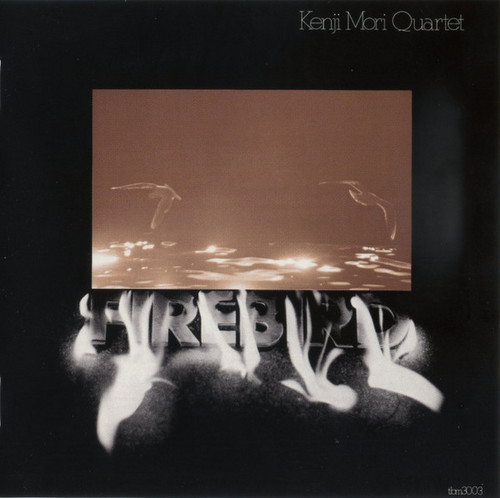
Firebird
*2026 stock* Saxophonist Kenji Mori belongs to the second generation of TBM regulars, a player whose work for the label spans several years and several formats, but whose quartet records have a particularly distilled quality. Firebird fits cleanly into the modal and post-bop tradition that defined the heart of the Three Blind Mice catalogue: heads with real melodic substance, harmonic openness that gives the soloists space without leaving them stranded, and a rhythm section that knows how to kee…
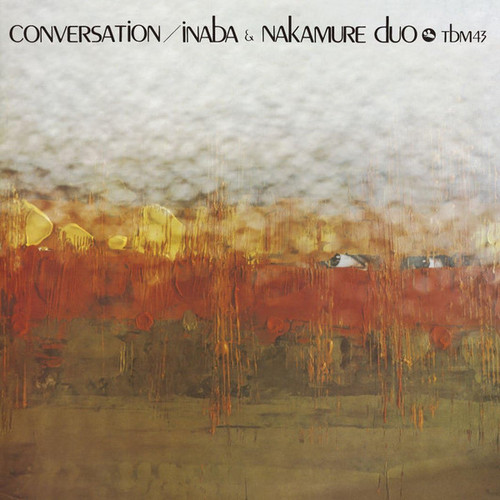
Conversation
*2026 stock* One of the more intimate entries in the Three Blind Mice catalogue: a duo session, with all the exposure and concentrated focus the format implies. Conversation lives up to its title. Two players in close, careful dialogue, with neither voice dominating and neither retreating into accompaniment. The duo format strips a lot of the usual jazz furniture away: there's no rhythm section to lean on, no horn section to fill out the harmony, no place for either player to hide.
What's left i…
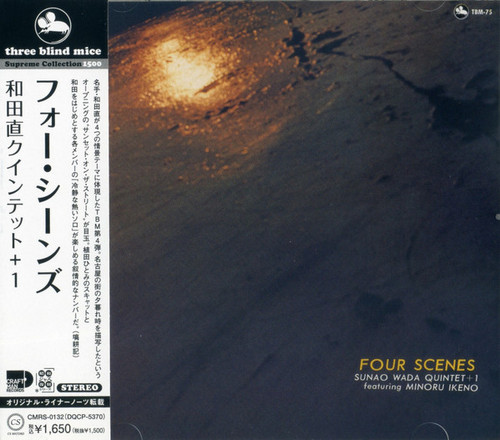
Four Scenes
*2026 stock* A later Sunao Wada session for Three Blind Mice, and one of the more outward-looking records in his TBM run. The quintet-plus-one format brings the saxophonist and flautist Minoru Ikeno alongside Wada's working group, and the addition shifts the music's centre of gravity, opening up the writing to longer tones and more spacious harmonies. There's still plenty of the bluesy swing that runs through Wada's discography, but the textures here are wider: Fender Rhodes lacing through the h…
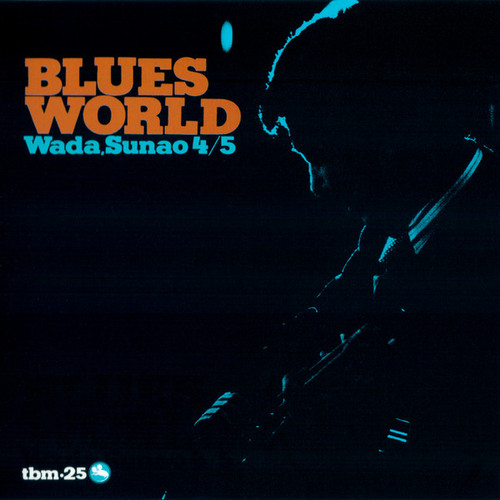
Blues World
*2026 stock* An earlier Sunao Wada outing on Three Blind Mice, recorded with both quartet and quintet formations across the programme, and built (as the title suggests) around the blues. But this is blues in the broader, more searching sense the seventies were beginning to articulate: harmonic frames borrowed from soul and modal jazz alongside the standard 12-bar architecture, and an improvising attitude that's more interested in development than display.
Wada's guitar carries the writing with t…
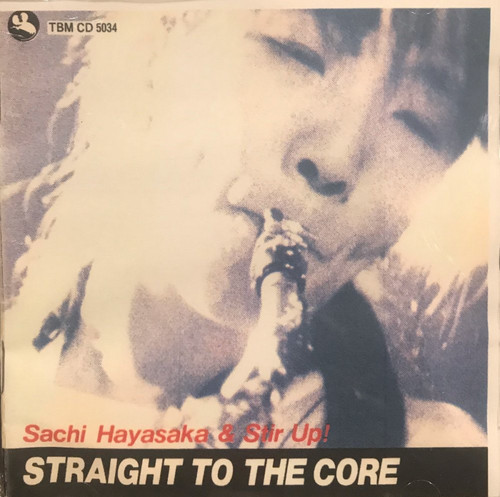
Straight To The Core
*2026 stock* This album is the second release by saxophonist Sachi Hayasaka, following her debut album Free Fight. Most of the music was recorded in Tokyo with members of Stir Up!, capturing the raw energy and spirit of the group. Two additional tracks were recorded in New York at Baby Monster Studio, featuring special guest trumpeter Wadada Leo Smith. These sessions added another dimension to the album, making it an especially rich and memorable work.
The album was produced entirely by Sachi an…