Olavi Laiho (1907–1944) was a writer, political activist and communist activist who was first imprisoned in 1932, at a time when ‘communist laws’ were in force in Finland, for publishing political content and operating an illegal printing press in his home. He opposed Finland's participation in the Second World War alongside Nazi Germany against the Soviet Union, edited illegal newspapers, but also planned armed resistance and facilitated correspondence between the party leadership in Helsinki and the Soviet embassy in Stockholm. He managed to hide from the police from the start of the Continuation War in the summer of 1941 until 22 December 1942, when he was arrested while visiting his sister in the parish of Paimio. Laiho was sentenced to death for treason and high treason. He was executed on 2 September, becoming the last Finnish citizen to be executed in Finland.
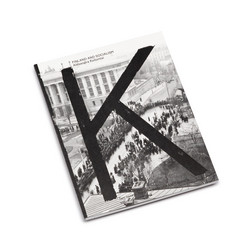
Just a few weeks before his execution, Laiho wrote a remarkable essay entitled ‘Katso Koota’ [Look K], using only words beginning with the letter K. This essay paints a vivid picture of the political situation at the time: the war is still raging, but it has become clear that Finland is on the losing side. Unaware of the date of his execution, Laiho eagerly awaited the arrival of a new batch of books at the prison library, enjoying his ersatz coffee and the sound of distant music... ‘Katso Koota’ is one of the earliest examples of modern Finnish alliterative writing, a lipogram, a literary technique in which every word must begin with the same letter. Laiho's ‘Katso Koota’ predates the French Oulipo (‘workshop of potential literature’) of the 1960s. Given that he produced his ‘constrained writing’ under conditions of extreme political and cultural confinement, it can be considered a true form of avant-garde subversion.
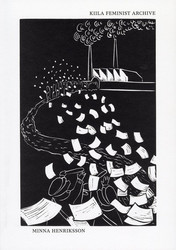
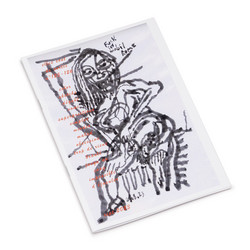
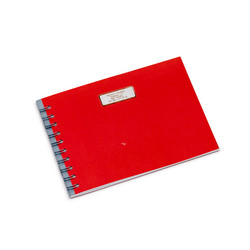
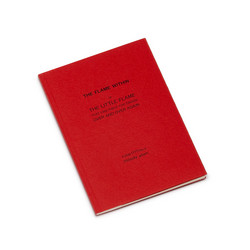
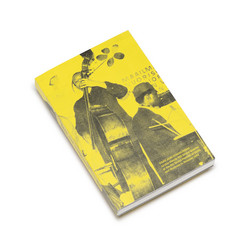
Published for the first time from the manuscript preserved in the People's Archives, the booklet includes a translation of its contents, a brief introduction by Minna Henriksson and two illustrations by Kaisa Junttila. Designed by Otso Peräsaari, the book, published as part of the Counter-Libraries exhibition at the Labour Movement Library in Helsinki, has a print run of 200 copies and was produced at the Kalastaman Seripaja screen printing workshop and the If By Magic risograph printing house.