Reissues
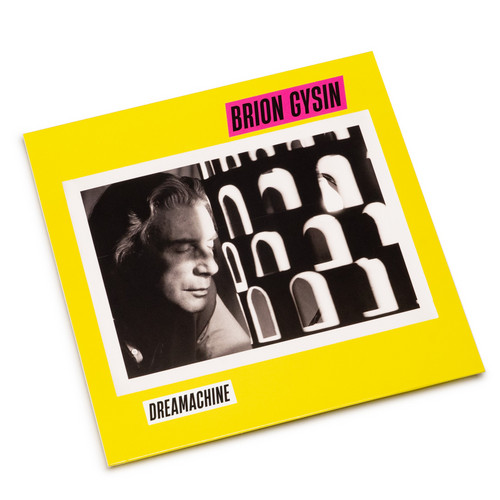
Dreamachine
Wewantsounds is delighted to release for the 1st time on vinyl Brion Gysin's cult recordings, produced by Ramuntcho Matta in the 80s and early 90s. The release features the hypnotic 32-minute journey "Dreamachine," which transforms the effects of Gysin's legendary light art device into a mesmerizing audio experience, alongside the track "The Door," featuring the visionary saxophonist Steve Lacy. A towering figure in avant-garde art, literature, and sound, Gysin influenced generations of creators…

Scattered Memories
*2026 repress* On his debut album “Scattered Memories”, the composer, musician and true master on the Iranian spike fiddle kamancheh Saba Alizadeh blends his instrumental virtuosity with spherical electronics, samples of Persian music instruments and field recordings from his hometown Tehran.
Born in Tehran in 1983 as son of the world renowned Tar and Setar virtuoso Hossein Alizadeh, Saba Alizadeh studied the Iranian spike fiddle with Saeed Farajpoury and Keyhan Kalhor plus photography and later…
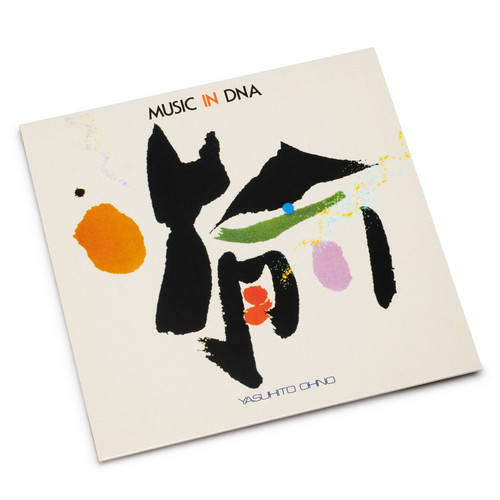
Music In DNA
"When you notice the cheerful mystery playing with the synths, the edges of this small world start to look slightly distorted. In any era, someone is always creating mysterious music on their own." - 7FO
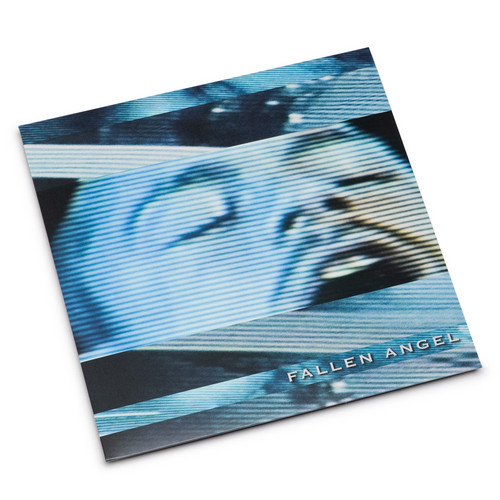
Fallen Angel
Somewhere between heaven and hell…there is Fallen Angel. Dark Entries continues its mission of shining light on a generation of composers and musicians lost to AIDS with Brandy Dalton’s Fallen Angel, his soundtrack work for the award-winning Fallen Angel series. Brandy was known for many years in the LA underground for his performances with his boyfriend, Robert Woods, who was the resident DJ at Club Fuck. Eventually, they recruited John Munt to form the band Drance, becoming infamous for their …
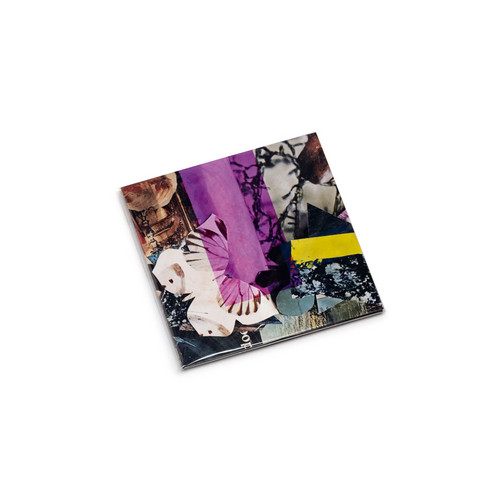
Gman+
Gman+ gathers some of the most elusive material from Merzbow’s 2011–2012 period and welds it into a single, punishing disc, four tracks that function as both archival rescue and self‑contained statement. The collection pulls together work originally issued in limited form, recasting it as a crucial chapter in the same cycle that produced Kumo No Zettaichi, Sugamo Flower, Bit Bluesand Kotorhizome. Across “Gman”, “HJYUGTF2”, “Hakutouwashi” and “Lop 13”, Masami Akita works out a language of layered…
Kotorhizome
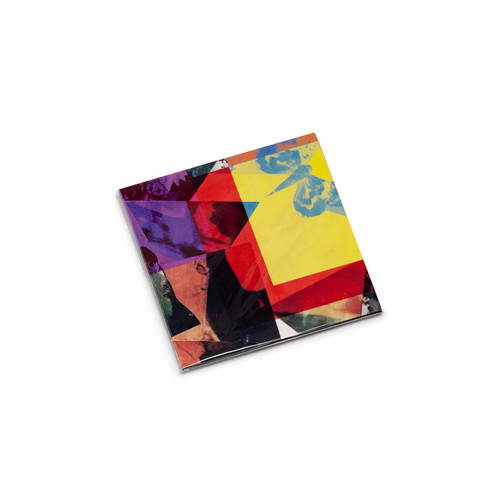
Kotorhizome catches Merzbow in a phase where noise stops behaving like a vertical wall and starts acting more like an underground network. Recorded between 2011 and 2012 and released later as part of the Slowdown archive cycle, the album is built from a deceptively modest setup: small koto, synth, and drone box woven into three extended pieces. The title fuses “koto” with “rhizome,” hinting at what the music does structurally - traditional string resonance is fed into electronics and allowed to …
Bit Blues
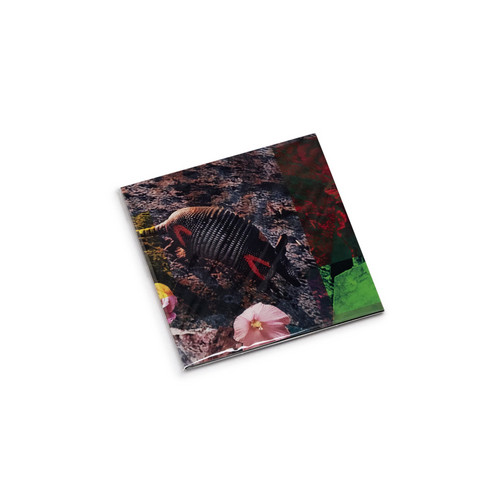
Bit Blues sits in the middle of Merzbow’s Horizon cycle like a scorched signpost, three tracks cut from performances recorded at Munemihouse in 2011 and 2012 and later remastered in 2021. All the music is by Masami Akita, working with a small, intensely exploited setup that favours dense, bit‑crushed textures and overdriven loops over the more sprawling configurations of earlier decades. The title points in two directions at once: “bit” as in digital grain and reduced resolution; “blues” as in a…
Sugamo Flower
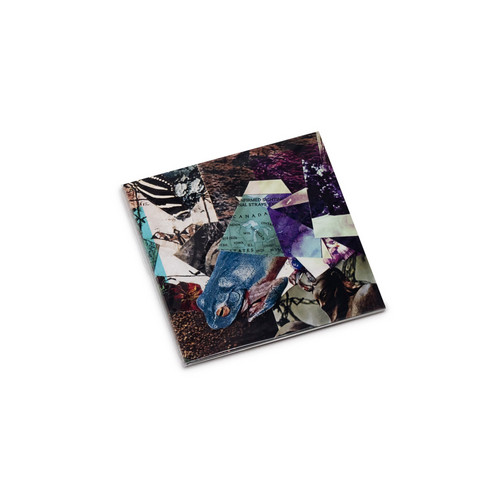
Sugamo Flower compresses a particular 2011 moment in Merzbow’s practice into two long tracks that feel like one continuous, mutating organism. Both pieces are sourced from performances recorded that year, later repurposed as material for “Sugamo Flower Festival” on the split LP Freak Hallucinations with Actuary (2012), which gives the album a double life: document of an event and quarry for subsequent work. Central to the sound is the return of the Korg AX30 multi‑effect pedal, a unit Masami Aki…
雲の絶対値 Kumo No Zettaichi
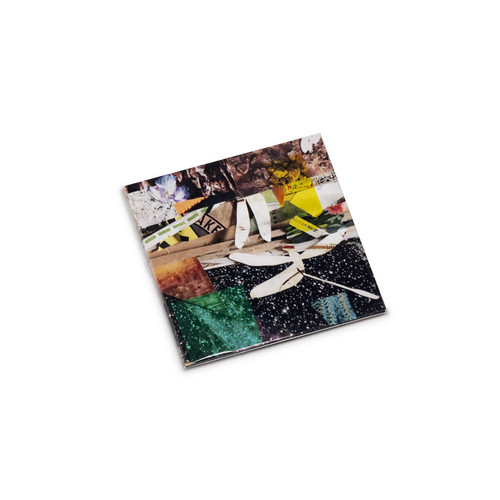
On Kumo No Zettaichi, Merzbow trades drum violence for a hall of hovering machines, two 2011 pieces where small drone boxes, oscillators, and minikoto threads knot into a dense but strangely weightless sky of electric weather. It is harsh ambient as charged cloud bank rather than blunt impact.
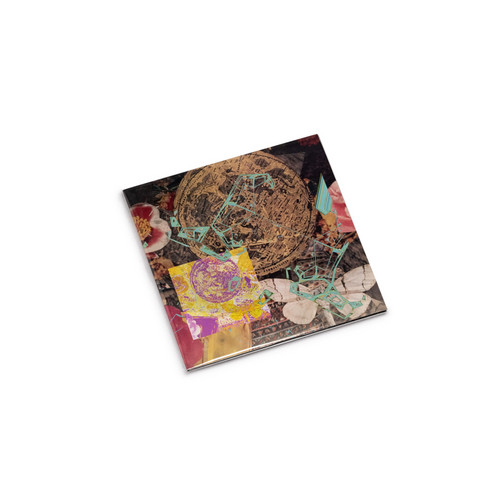
Arijigoku (Test Mix)
On Arijigoku, Merzbow drags live drums and high-saturation electronics into the same pit, a 2008 vortex where blast-beat turbulence and molten noise spiral together like a ritual gone feral. It is harsh music with a striking sense of propulsion, less wall than constantly collapsing tunnel.
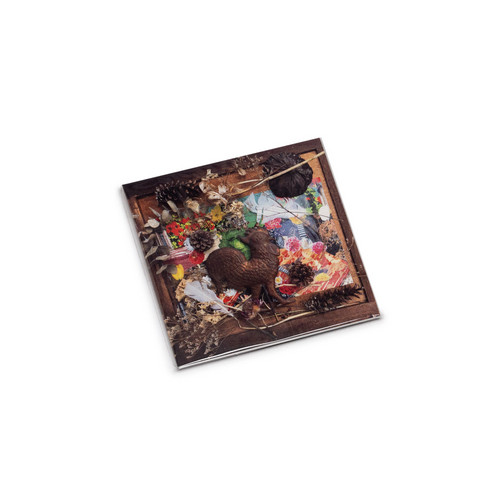
Yono's Journey
Yono's Journey invites listeners to travel through Akita's sonic landscapes, perhaps following an animal guide. Merzbow turns a 2007 home-recorded session into a three-part storm, where hyper-saturated feedback and low-end throb fold into each other like a moving landslide. It is Japanoise as pure velocity: no narrative, just impact reshaping the inner ear.
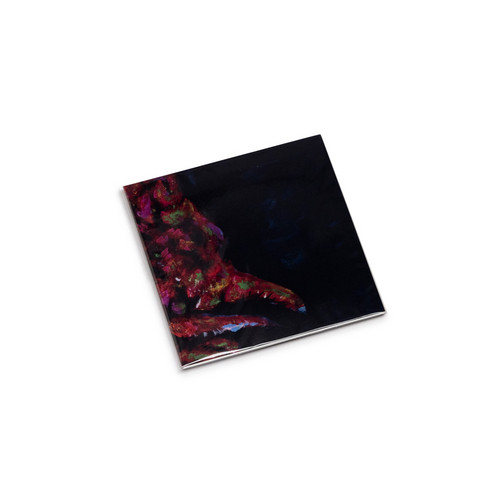
Black Rome
The ominous title evokes fallen empires, decadent excess, historical weight. Rome - eternal city, center of classical and Catholic civilization - becomes "Black," suggesting inversion, corruption, death. Perhaps this is Rome during plague, Rome in ashes, Rome as symbol of all empires' inevitable decline.
Black Rome channels these associations into dense, imposing noise constructions demonstrating apocalyptic intensity. Empire rises and falls; Merzbow provides the soundtrack to collapse.
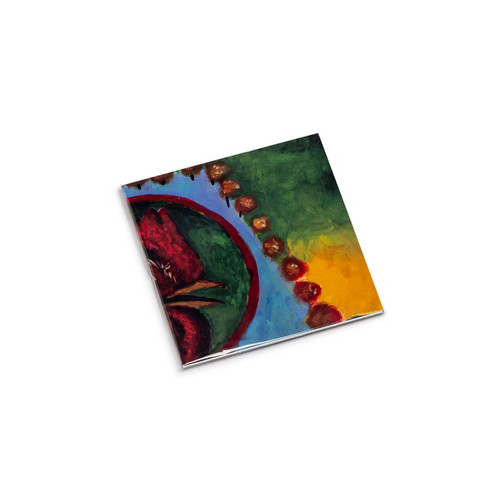
Electronic Union
Electronic Union suggests synthesis, merger, coalition - multiple electronic elements combining into unified sonic statements. These mid-2000s recordings demonstrate Akita's mature integration of diverse digital techniques, creating hybrid approaches transcending any single method.
"Union" implies collective action, solidarity, workers organizing - perhaps the various electronic components forming their own labor movement against conventional music's exploitation.
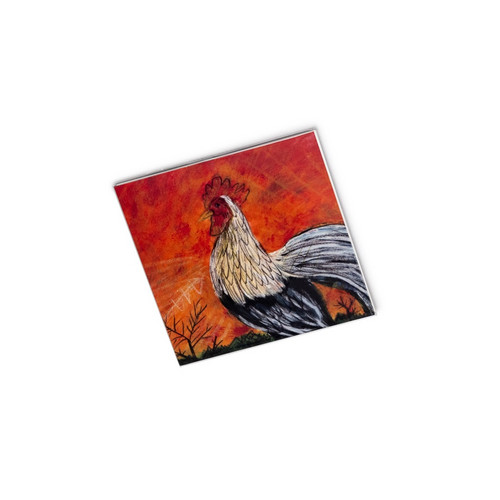
Merzbird Variation
Merzbird (Important Records, 2004) stands among the most celebrated laptop-era releases. This "Variation" offers alternate perspectives on that material - different plumage for the same sonic creature. Bird imagery connects to Akita's growing animal rights consciousness while invoking bird-inspired composition traditions from Olivier Messiaen to contemporary field recording.
The bird represents freedom, flight, song - yet also vulnerability, threatened ecosystems, species extinction. Merzbow's b…
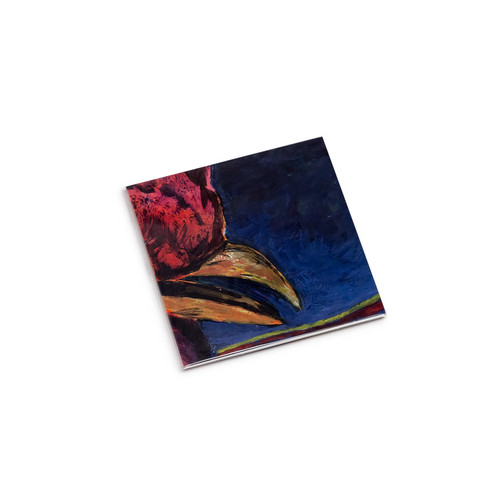
Plasma Door
The evocative title conjures thresholds between states of matter - solid becoming liquid becoming gas becoming plasma. Plasma Door captures Merzbow at a moment of material transformation, sound itself seeming to change state under extreme pressure. Plasma - the fourth state of matter, found in stars and lightning - represents extreme energy, matter pushed beyond normal limits.
The "door" suggests passage, transition - portals to altered perceptual states. Listeners passing through this door ente…
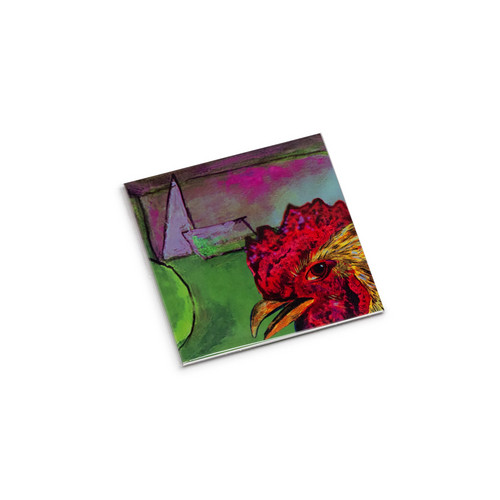
Sphere Sessions
Sphere Sessions suggests three-dimensional sound constructions - recordings enveloping listeners in dense, immersive noise environments. Akita's spatial awareness reached new sophistication in these mid-2000s productions - creating environments rather than merely sequences of events.
The sphere represents perfection, completeness, infinite symmetry - yet these sessions likely explode such ideals, fragmenting smooth surfaces into jagged shards. The tension between geometric perfection and sonic c…
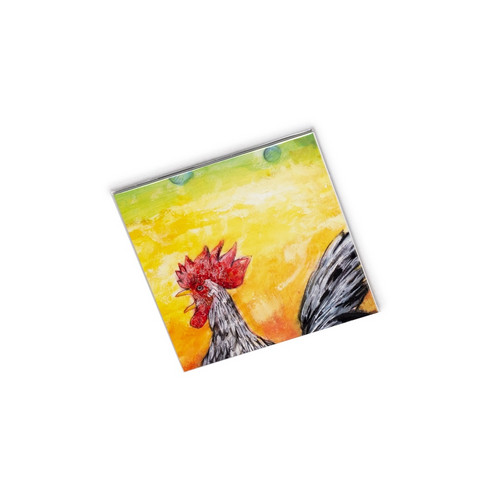
1633+
1633+ exemplifies Merzbow's confident command of laptop production techniques refined over five years of intensive experimentation. The numeric title resists interpretation - perhaps a date, perhaps a catalog number, perhaps pure abstraction. 1633 saw Galileo's trial; the number might reference suppressed truth, forbidden knowledge, the clash between orthodoxy and innovation.
The "+" symbol indicates additional or expanded material, promising more than the basic number suggests.
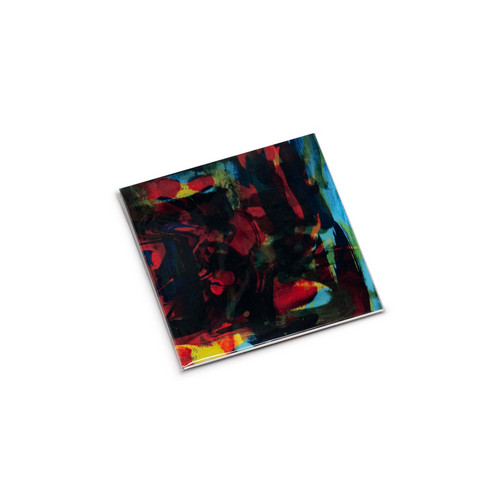
Yoshinotsune Metamo
The title references Yoshitsune, legendary Japanese warrior-hero - though "Metamo" suggests metamorphosis, transformation. Yoshitsune's story involves disguise, flight, and tragic loyalty - themes resonating with Akita's own constant transformations. Akita's engagement with Japanese history and mythology runs throughout his work, counterbalancing Western avant-garde influences often emphasized in critical discussions.
The metamorphosis theme connects to Merzbow's endless mutations, each album tr…
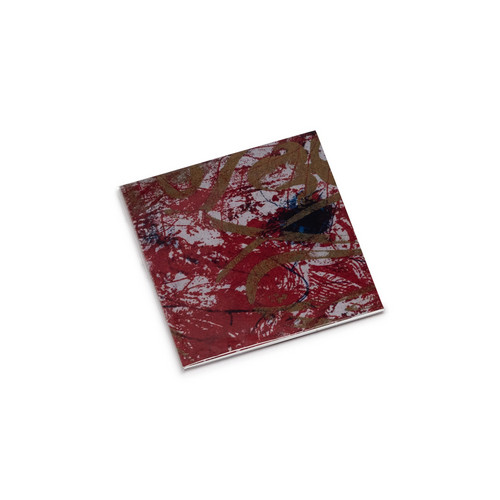
Enclosure
Enclosure suggests both confinement and protection - sound as shelter, sound as prison. The title carries multiple resonances: the enclosures that contain animals in zoos and farms, the enclosure movement that privatized common lands, the sonic enclosure that surrounds listeners in dense noise. These transitional recordings capture Merzbow poised between decades.
The enclosed quality - density, refusal of empty space - anticipates the wall-of-sound approach characterizing the golden era to come.…
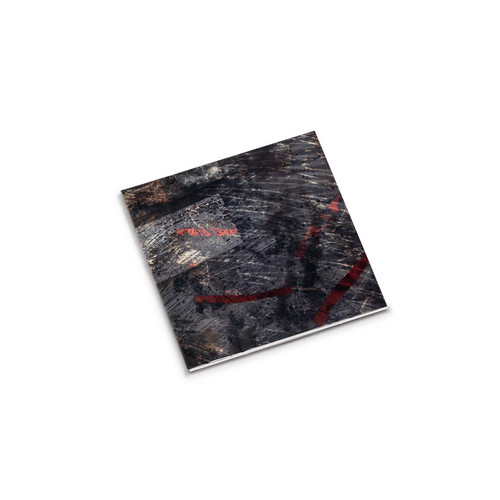
Antimonument Tapes
The "Antimonument" concept looms large in Merzbow lore - the original 1985-86 album is considered a landmark in noise history, a foundational text for the genre. *Antimonument Tapes* offers invaluable context, documenting the creative process that yielded one of the genre's defining statements. These session recordings reveal how Akita assembled the finished work from raw materials.
The "anti-monument" concept rejects permanence, solidity, commemorative function - Akita's sonic constructions exi…