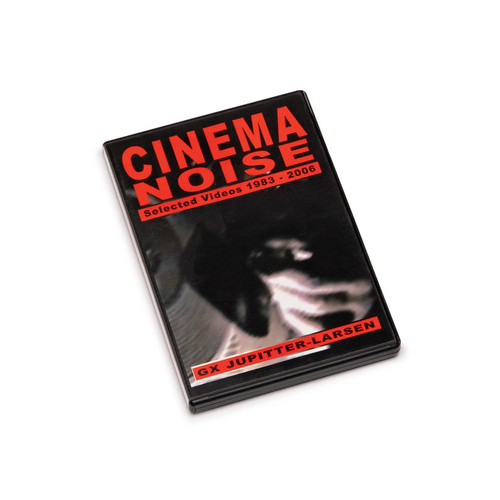
Cinema Noise (DVD)
2008 DVD released by Troniks with ten videos made between 1983 and 2006 by the Canadian conceptual noise artist, founder of the Haters.
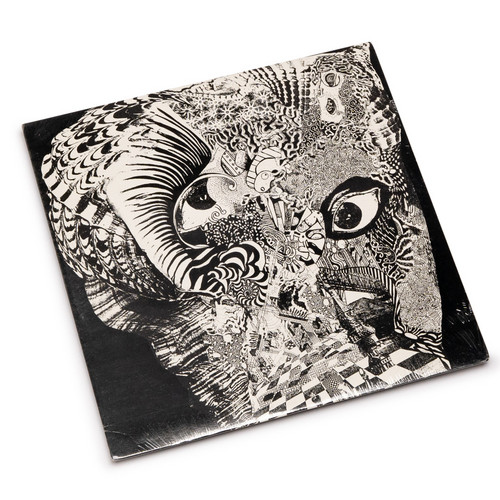
Interstellar Static (LP)
Very rare second album of mysterious psychedelic electroacoustic/noise music by the wonderful Kangaroo Kourt (later Mauve Sideshow and several different names), self-released on Castle Records in 1987 with hand-painted title on back sleeve. Fantastic.
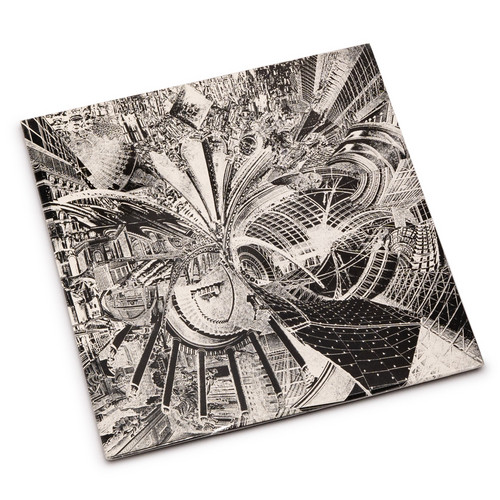
Messages In Ether (LP)
Very rare third album of mysterious psychedelic electroacoustic/noise music by the wonderful Kangaroo Kourt (later Mauve Sideshow and several different names), self-released on Castle Records in 1990. Fantastic.
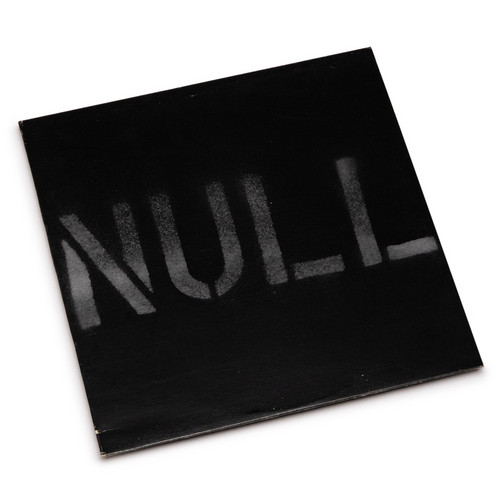
Saishiyu Bushitsu (LP)
1990 US re-issue on Forced Exporusre of the first LP from 1985 by Japanese noise giant and early collaborator of Merzbow, and member of Zeni Geva, YBO² and Absolut Null Punkt. With insert.
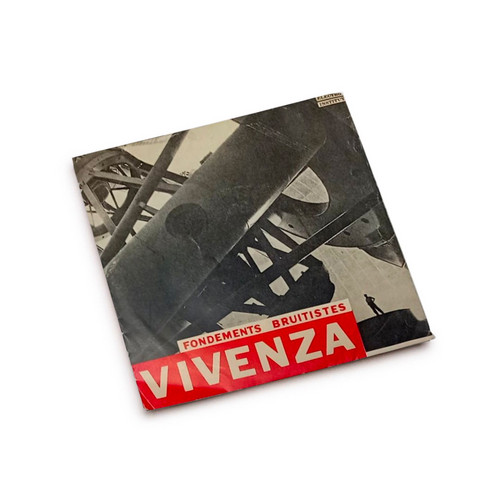
Fondements Bruitistes (7")
Excellent first single by one-man industrial/noise project strongly influenced by the Futurists' art of noise, self-released on Électro Institut in 1984.
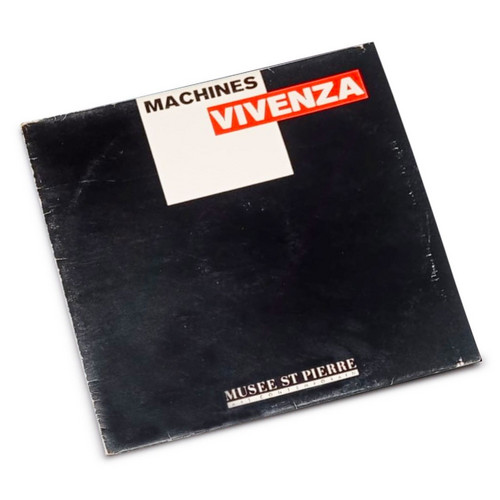
Machines (12"EP)
Superb 1985 EP by one-man industrial/noise project strongly influenced by the Futurists' art of noise, self-released on Électro Institut in collaboration with St. Pierre Museum.
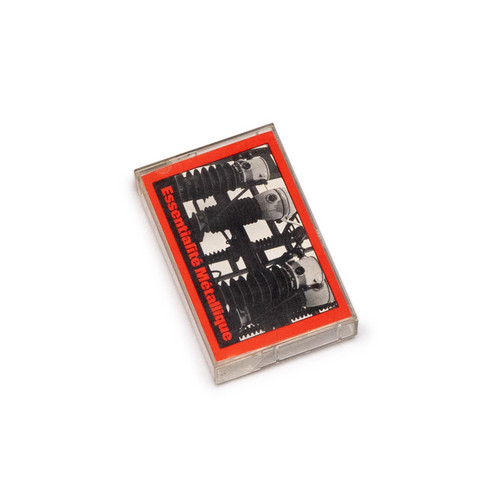
Essentialité Métallique (tape)
Rare early cassette-only release by one-man industrial/noise project strongly influenced by the Futurists' art of noise, released by Bande Blanche in 1985.
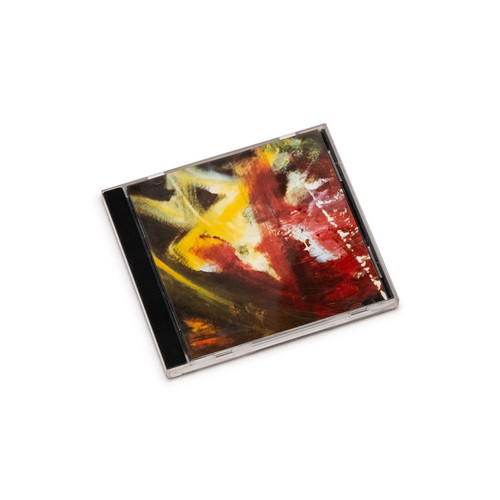
Dedication - zweite auslese (CD)
1993 CD compilation by Artware with several experimental/noise projects: Freudwerk, D.D. Dobson, Andrew Chalk, Nord, Macronympha, Hijokaidan, Alan Lee, Chop Shop, Miguel Ruiz, Small Cruel Party, Aube, Putrefier, Dislocation, Cement Women.
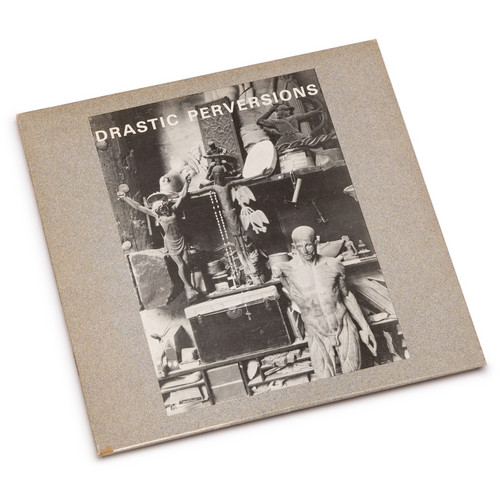
Drastic Perversions (LP)
1984 morbid-themed post-industrial compilation edited by Sleep Chamber's John Zewizz and released on his Inner-X-Musick label in and edition of 1000 copies, featuring Data-Bank-A, Triumverate, Architectural Metaphor, Trained Circus Dogs, Psy Field, The Flagellants, Sleep Chamber, Women Of The SS, Nurse With Wound and Massman.
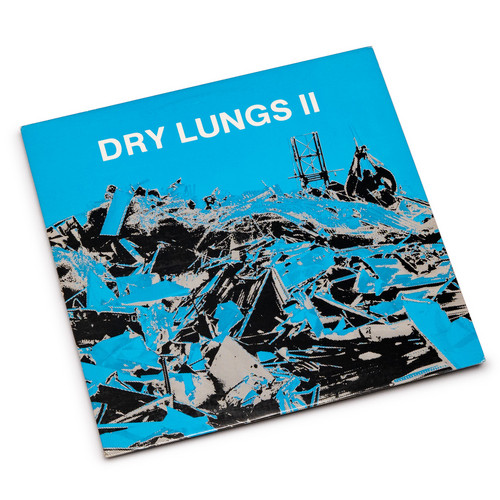
Dry Lungs II (LP)
Second volume of Placebo Records's series of international compilations of very diverse experimental music, released in 1986 and featuring Croiners, Jeff Greinke, Randy Greif, Monochrome Bleu, Tim Story, Controlled Bleeding, Severed Heads, If Bwana, Un Drame Musical Instantane, Asmus Tietchens, Jarboe, YBO², Hijokaidan.
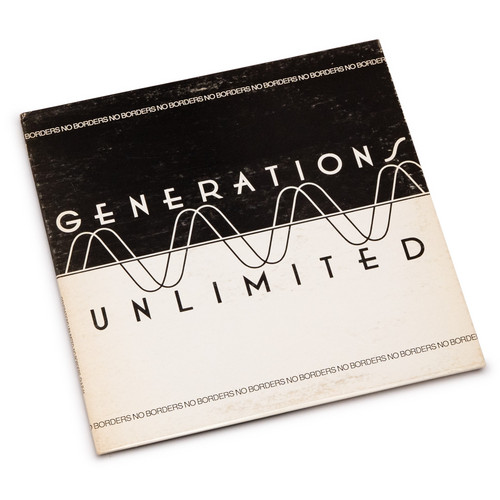
No Borders (LP)
Rare and great post-industrial experimental compilation edited by the Haters' GX Jupitter-Larsen presenting very obscure Canadian projects available only here - Si Monkey, .08, Xyster and L.C.D. Grey - plus the outstanding Italian master M.B, privately released in a numbered edition in 1982. With booklet.
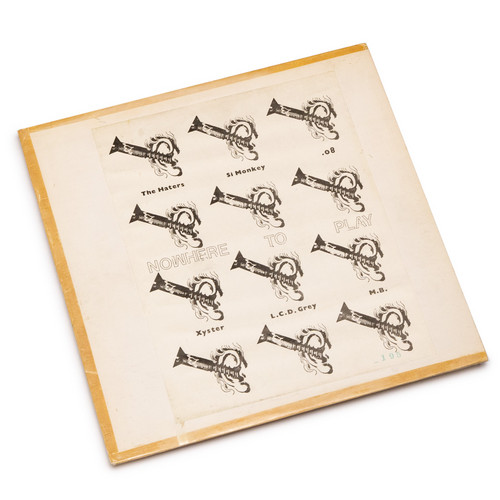
Nowhere To Play (LP)
Rare and great post-industrial experimental compilation edited by the Haters' GX Jupitter-Larsen presenting very obscure Canadian projects available only here - Si Monkey, .08, Xyster and L.C.D. Grey - plus the outstanding Italian master M.B, privately released in a numbered edition in 1982. With booklet.
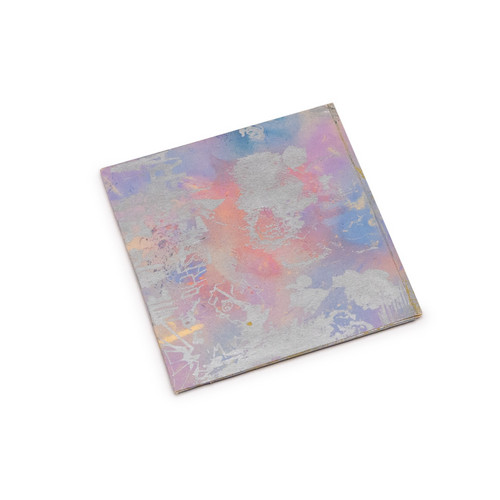
Smorgasbird! In The Doghouse (2x7")
Last version of the 1996 Circusirus package, made of two split EP's with individual covers in unique silk-screened sleeves by experimental/noise projects from the West Coast, including the HNAS-related Ultra and Strength Through Joy, the mighty Smegma, and Yeast Culture, released by Petrified Stumps in 2001.
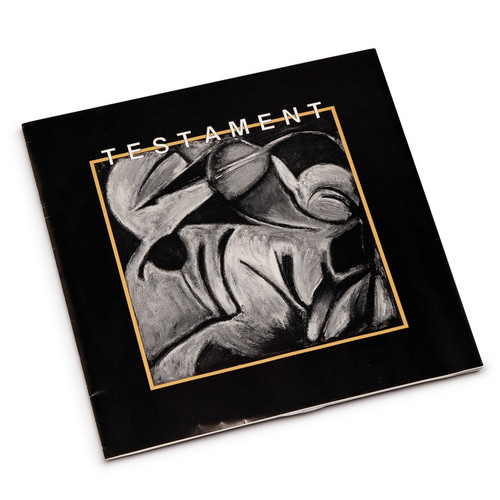
Testament (LP)
Excellent international post-industrial experimental music compilation released by RRRercords in 1988 with book-sleeve featuring Arcane Device, Illusion Of Safety, Swimming Behavior Of The Human Infant, Rik Rue, Eric Lunde, Native X, Sink Manhattan, Geins't Nait, Massimo Toniutti, Randy Greif and John Wiggins.

Hello Happy Taxpayers numero 6 - avril 1987 (magazine)
One of the best magazines of the 1980's dedicated to post-punk and experimental music, graphically outstanding and with excellent articles, interviews and illustrations. In this issue a feature on the newly-founded RRRercords, Nurse With Wound, Amor Fati, Minimal Man, Kathy Acker, Honeymoon Killers, etc. Text in French.
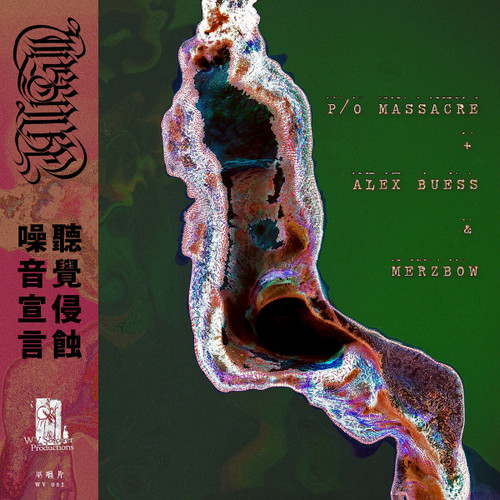
Aural Corrosion
*2026 stock* 2 years after their debut album on Utech Records, P/O Massacre goes deeper in their immersive noise experimentation in this collaboration album with Alex Buess, and Merzbow (Masami Akita). An architecture of distortion, Moog processors, spring reverb, drone effects and more, then developed in different directions by two electronic/noise veterans. It’s a journey of pure sensation, destruction, and rebirth. A skull-vibrating sound decomposition to your face. For this very reason of se…
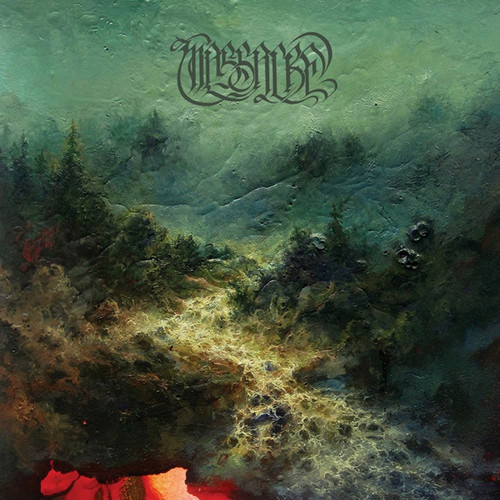
Massacre
*2026 stock. 100 copies limited edition* "The resulting music is an unearthly ever-shifting roar, sometimes identifiable as the product of guitar and saxophone but just as often not. Obrazeena’s guitar frequently starts out as an almost country-tinged drone, not unlike Earth’s “Hex; Or Printing In The Infernal Method” before turning into a downtuned wall of thick, syrupy distortion you can almost touch. Ponomarev’s sax screeches and bellows, and his electronics create a dense pulse, with needle-…
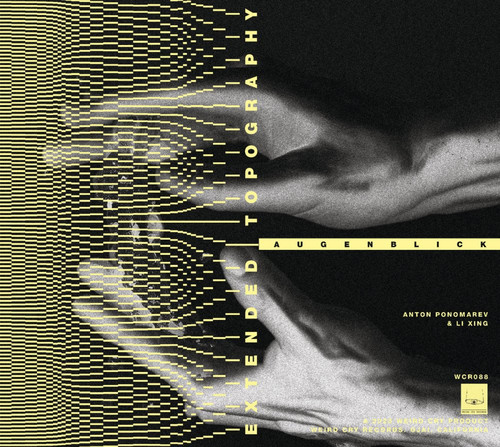
Extended Topography
*2026 stock*
Anton Ponomarev - saxophones, bass clarinetLi Xing - guitar, effects, mixing
Liu Ying - masteringIvan Yakushev - design/art
Recorded in August 2021 Basel, Switzerland
AP/RO
*2026 stock*
Anton Ponomarev: saxophone, electronicsRyoko Ono: saxophone, mixing, mastering
This record was originally released by Fort Evil Fruit (Ireland), July 15, 2022.
The Warm Garden
Tip! A pivotal force in the foundations of Noise music in Japan, Fumio Kosakai is half of The Incapacitants, and has recorded with other acts such as Hijokaidan, CCCC, and Club Skull. Originally released on cassette in an edition of fifty copies in 1993, "The Warm Garden" is a pinacle for collectors of 90s noise and the outer realms of Japanese psychadelia. The work steps away from the denshi zatsuon (electronic noise) of his other groups and instead comprises two pieces of minimal electronics, …