Jazz /
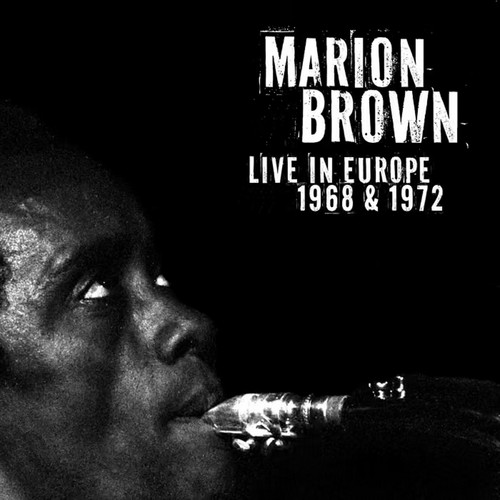
Live in Europe 1968 & 1972
On Live in Europe 1968 & 1972, Marion Brown leads a borderless quartet through two rare European concerts, pairing his singing alto with Gunter Hampel's vibes, Barre Phillips' bass and Steve McCall's drums in a sound that hovers between lyrical free jazz and chamber‑like intimacy.
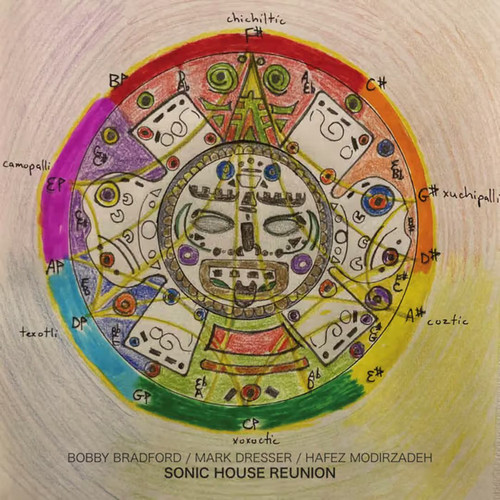
Sonic House Reunion
On Sonic House Reunion, Bobby Bradford, Mark Dresser and Hafez Modirzadeh reconvene a long‑running alliance, turning cornet, five‑string bass and hybrid reeds into a quietly radical chamber unit where Ornette‑rooted lyricism, spectral tuning and deep listening pull the music in multiple directions at once.
Sun's Blessings
On Sun’s Blessings, Sunny Murray and Sabu Toyozumi meet as a double‑drum frontline, turning a 1999 Sapporo concert into a two‑part ritual where clattering polyrhythms, rolling thunder and sudden hollows of space make free improvisation feel both volcanic and oddly tender.
Keeping It In Context
On Keeping It In Context, Daniel Carter, Sabir Mateen, William Parker and Lou Grassi turn a 1996 Context Studios session into a blazing, deep‑listening workshop, with twin reeds, singing bass and restless drums stretching free jazz language without losing its earthy pulse.
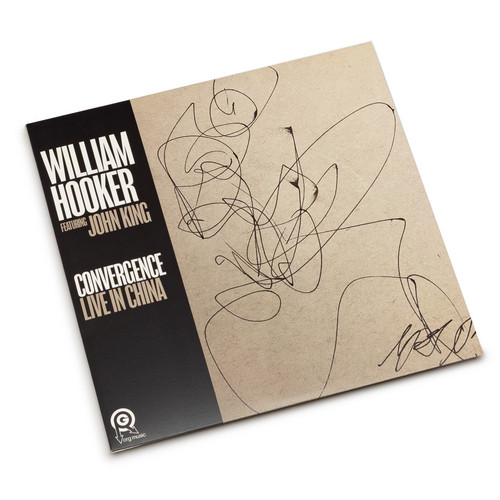
Convergence: Live In China
On Convergence: Live In China, William Hooker and John King turn a Shenzhen stage into a pressure chamber, stretching one unbroken hour of drums and guitar from whispering tension to volcanic release in a charged act of real‑time communication.
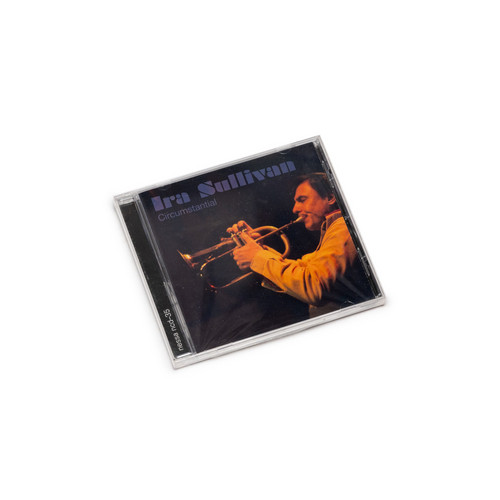
Circumstantial
On Circumstantial, Ira Sullivan returns to Chicago after fourteen years away, sounding both relaxed and razor‑sharp as he trades easy, hard‑won wisdom with a seasoned hometown rhythm section and a fiery young guitarist at his side.
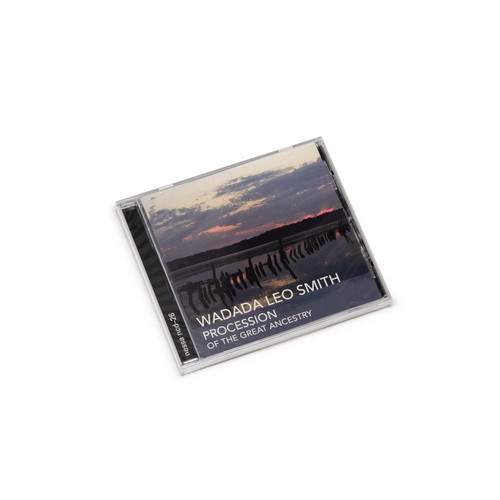
Procession of the Great Ancestry
On Procession of the Great Ancestry, Wadada Leo Smith threads trumpet history and civil rights struggle into a lean, glowing suite where dedications to Davis, Gillespie, Little and Eldridge sit alongside blues testifying and a closing hymn for Martin Luther King Jr.
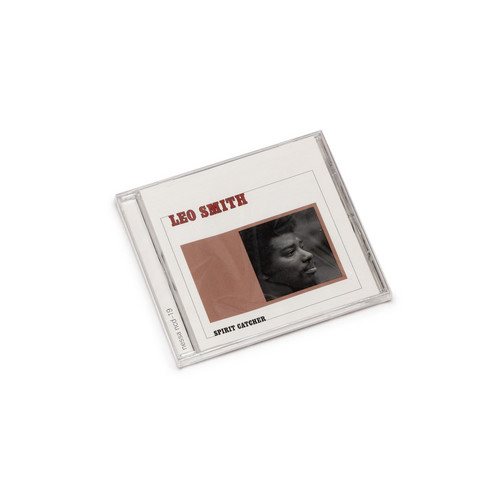
Spirit Catcher
On Spirit Catcher, Wadada Leo Smith moves between luminous small‑group ritual and radical chamber experiment, setting airy trumpet-and-vibes lyricism against the austere blaze of a muted horn surrounded by three harps.
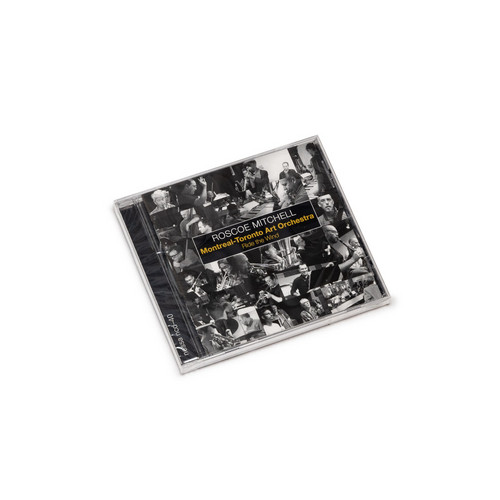
Ride The Wind
On Ride The Wind, Roscoe Mitchell scales up the chamber‑like intensity of his Conversations work, setting it inside a 20‑piece Montreal–Toronto ensemble that treats his textures as weather systems to move through, reshape and suddenly ignite.
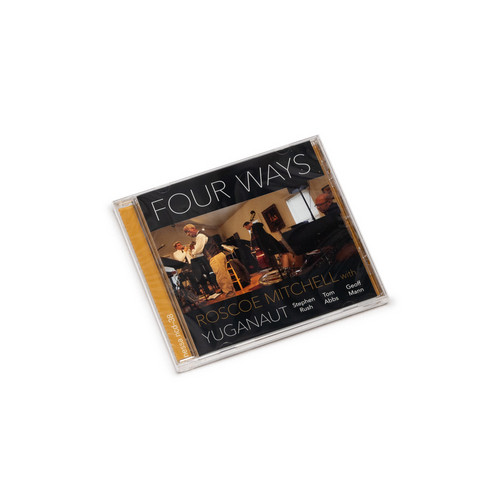
Four Ways
On Four Ways, Roscoe Mitchell joins Stephen Rush’s shape-shifting Yuganaut trio for an electrically unstable encounter, where reeds, synths and oddball acoustics melt into one long, multi-hued improvising organism.
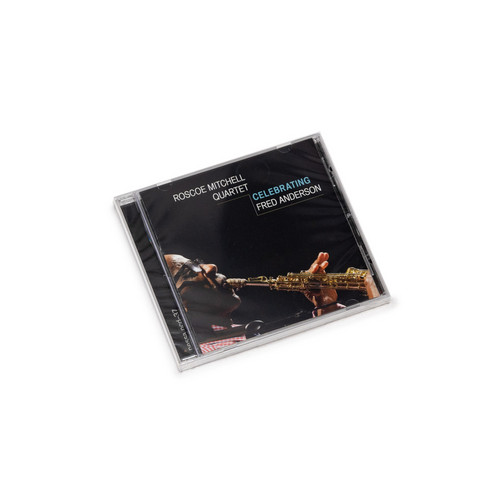
Celebrating Fred Anderson
On Celebrating Fred Anderson, Roscoe Mitchell honors a fellow Chicago giant with a live quartet that turns remembrance into motion, weaving Fred’s themes and Mitchell’s originals into long, tensile arcs of chant, swing and open-form ritual.
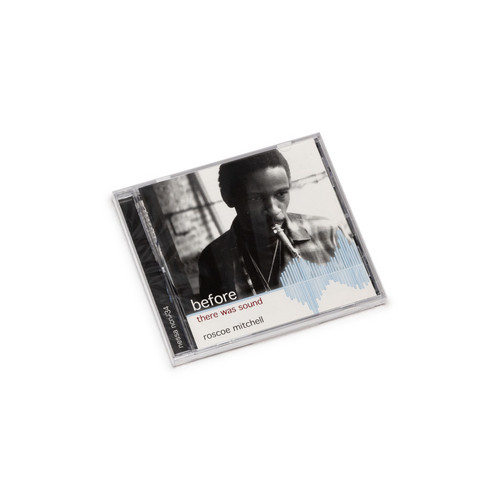
Before There Was Sound
On Before There Was Sound, Roscoe Mitchell’s 1965 quartet with Fred Berry, Malachi Favors and Alvin Fielder captures the AACM language in embryo: sharp themes, free rhythm and a restless sense of form already pushing past hard‑bop borders.
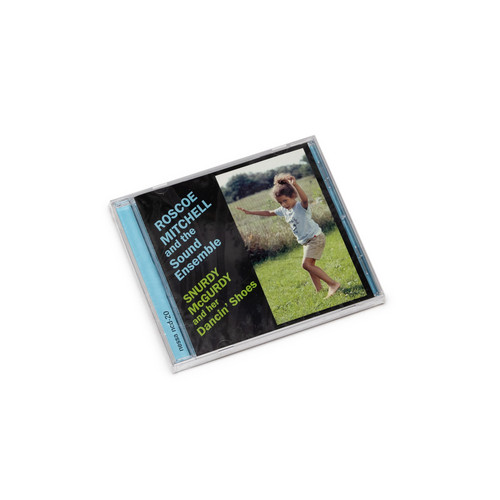
Snurdy McGurdy And Her Dancin' Shoes
On Snurdy McGur dy and Her Dancin’ Shoes, Roscoe Mitchell launches the Sound Ensemble with a volatile mix of abstraction and groove, folding AACM rigor into slyly funky frameworks that keep tilting from tight forms into open risk.
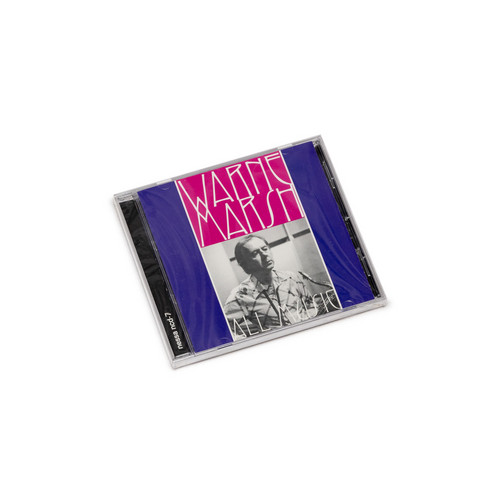
All Music
Recorded in Chicago in 1976, All Music catches Warne Marsh in lucid, late-middle form: a cool-toned tenor moving with dry wit and quiet daring through Tristano-school material, buoyed by Lou Levy, Fred Atwood and Jake Hanna’s alert swing.
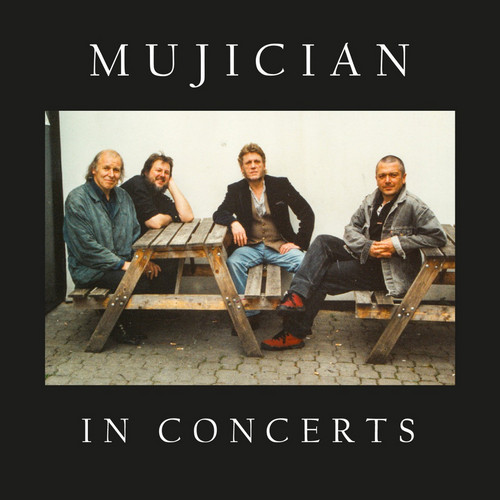
In Concerts
On In Concerts, Mujician - Keith Tippett, Paul Dunmall, Paul Rogers and Tony Levin - are caught across 17 years of pure, pre‑verbal improvisation, four voices moving as one organism, forever searching and sometimes touching the truly uncanny.
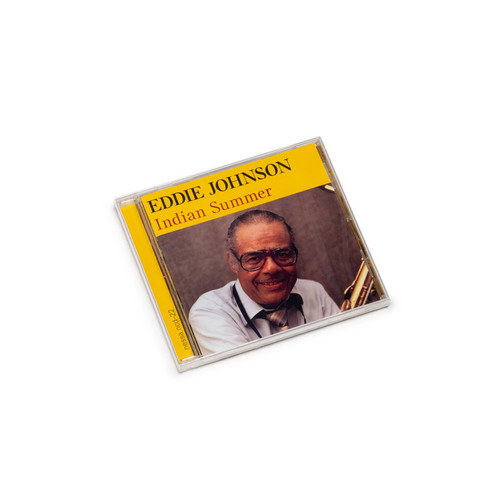
Indian Summer
On Indian Summer, Eddie Johnson lets his late‑era Chicago tenor glow with undimmed warmth, spinning swing‑era lyricism and speech‑like nuance over a veteran quartet that treats time as something to lean into, not chase.
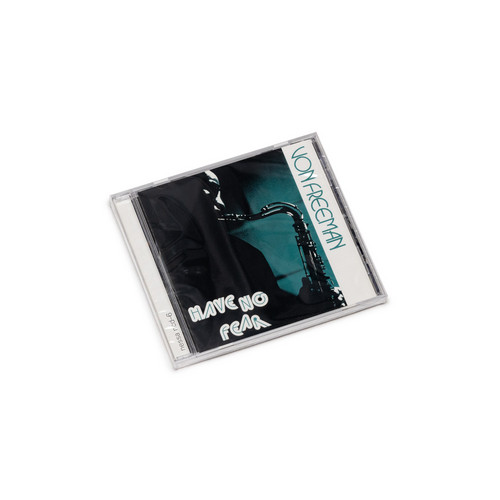
Have No Fear
On Have No Fear, Von Freeman turns a 1975 marathon session into a fiercely personal manifesto, his elastic Chicago tenor pouring blues, bravado and vulnerability into performances that sound both off‑the‑cuff and obsessively shaped.
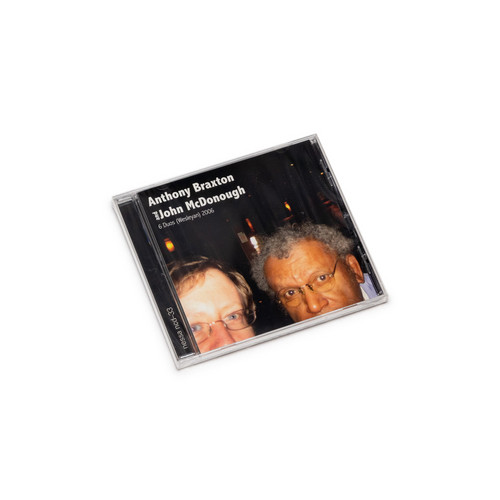
6 Duos (Wesleyan) 2006
On 6 Duos (Wesleyan) 2006, Anthony Braxton and John McDonough turn a teacher–student bond into a finely wired brass–reeds colloquy, shuttling between Braxton systems, McDonough themes, open improvisation and Sousa with disarming clarity and wit.
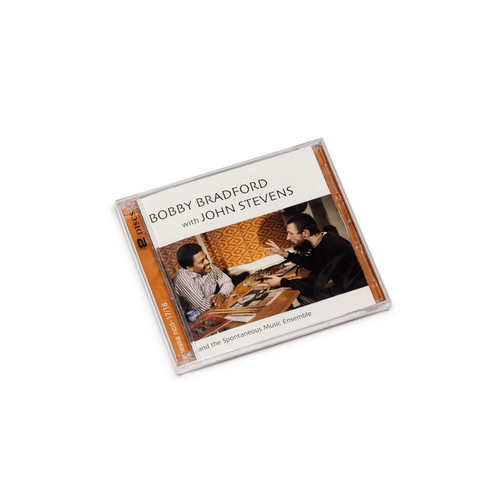
Spontaneous Music Ensemble
On this meeting with the Spontaneous Music Ensemble, Bobby Bradford steps into John Stevens’ London laboratory and, alongside Trevor Watts, Julie Tippetts, Bob Norden and Ron Herman, turns free improvisation into a fiercely alert, shape‑shifting chamber music.
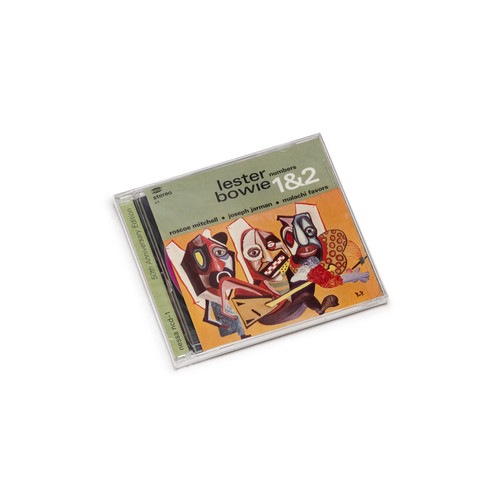
Numbers 1&2
On Numbers 1 & 2, Lester Bowie joins Malachi Favors, Joseph Jarman and Roscoe Mitchell in a pre‑Art Ensemble crucible where AACM discipline, raw timbral play and open‑form swing coalesce into a blueprint for the Chicago future.