We use cookies on our website to provide you with the best experience. Most of these are essential and already present.
We do require your explicit consent to save your cart and browsing history between visits. Read about cookies we use here.
Your cart and preferences will not be saved if you leave the site.

John Cage

John Cage (1912 to 1992) was an American composer, writer, philosopher and printmaker, and the figure who did most to widen the idea of what music can be. Educated in California and on a study tour of Europe, he studied with Henry Cowell and Arnold Schoenberg, gave up painting for music in 1934 and in 1940 devised the prepared piano, inserting bolts and rubber between the strings so that one instrument became a percussion orchestra. From Music of Changes (1951) he composed with chance operations drawn from the I Ching, so that his own taste would no longer decide the notes, and with 4'33" (1952) he framed silence and the sounds around it as a piece.
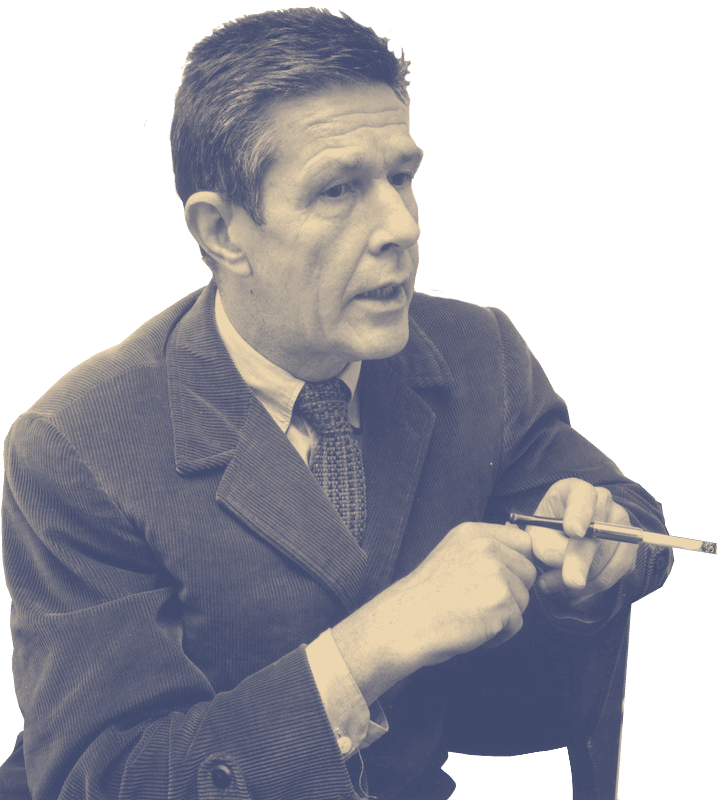
John Cage (1912 to 1992) was an American composer, writer, philosopher and printmaker, and the figure who did most to widen the idea of what music can be. Educated in California and on a study tour of Europe, he studied with Henry Cowell and Arnold Schoenberg, gave up painting for music in 1934 and in 1940 devised the prepared piano, inserting bolts and rubber between the strings so that one instrument became a percussion orchestra. From Music of Changes (1951) he composed with chance operations drawn from the I Ching, so that his own taste would no longer decide the notes, and with 4'33" (1952) he framed silence and the sounds around it as a piece.
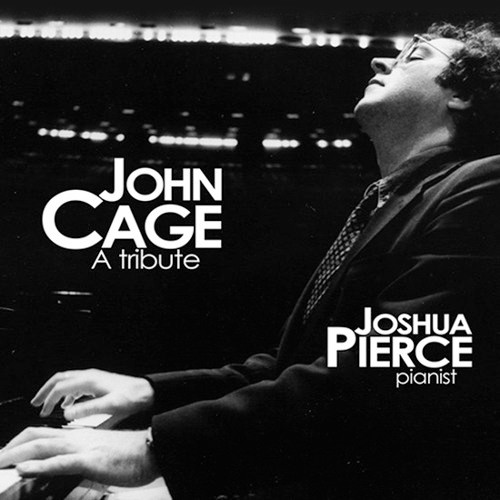
A tribute
From the liner notes of Eric Salzman: “John Cage wrote for keyboards throughout most of his life. Most famously, he invented the so-called "prepared piano" but he also wrote for unprepared piano in both traditional and untraditional ways. His later piano works employ an almost ferocious complication and virtuosity at the outer limits of performer possibility. Earlier he used electronic extensions, chance and performer collaboration in complex ways. His early keyboard music was written for himsel…
Rainforest II / Mureau
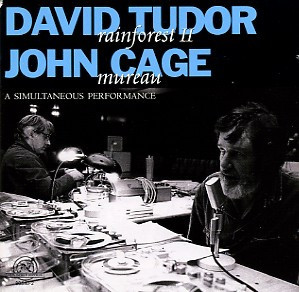
This historic release of a simultaneous performance by David Tudor and John Cage of Rainforest II and Mureau, recorded live by Radio Bremen on May 5, 1972, preserves the only surviving performance of the second of Tudor’s "Rainforest" series. In addition, it documents one of the precious few recorded collaborations between these two visionaries. In 1970 Cage composed the piece called Mureau, in which phrases from Thoreau’s journals (in particular, passages which touch on the subject of music) ar…
1 3 8 9 10 11 12 13