Skip to content

Io Pomodoro: Lucia Bosé and Gregorio Paniagua, Spain 1981

Words by Bradford Bailey

The album Lucia Bosé made with Gregorio Paniagua, issued by the Spanish arm of CBS in 1981 and made with early and self-built instruments, reissued for the first time by Holidays Records.

Read →

Features

Essays, interviews, portraits

Notes, Almanac and Field Notes

Almanac
9 November
Öyvind Fahlström died today in 1976 in Stockholm, aged 47. Born in São Paulo, he was a painter and a concrete poet, and he also worked for the radio. Birds in Sweden was made with the engineer Erik Winlöf at the Swedish Radio studios in 1962 and broadcast in January 1963 on the night programme Nattövning. The Holy Torsten Nilsson followed in 1966, a serial in 34 chapters aired over five Friday evenings. Both are on the two CDs inside Teddy Hultberg's book, with the Swedish texts translated into English.
Rather than a name, Giacinto Scelsi chose a line under a circle as his mark, a symbol of Eastern provenance. His music came from improvisations recorded on tape and later transcribed by collaborators under his guidance. He is best known for Quattro pezzi su una nota sola (1959), four pieces built on a single pitch.
Between 1957 and 1961 Bernard Parmegiani studied mime with Jacques Lecoq, and in 1959 he joined the GRM. He later credited the mime training with his sense of how a body divides the space around it, an idea he carried into composition as sound moved between loudspeakers.
Dispatch9 November
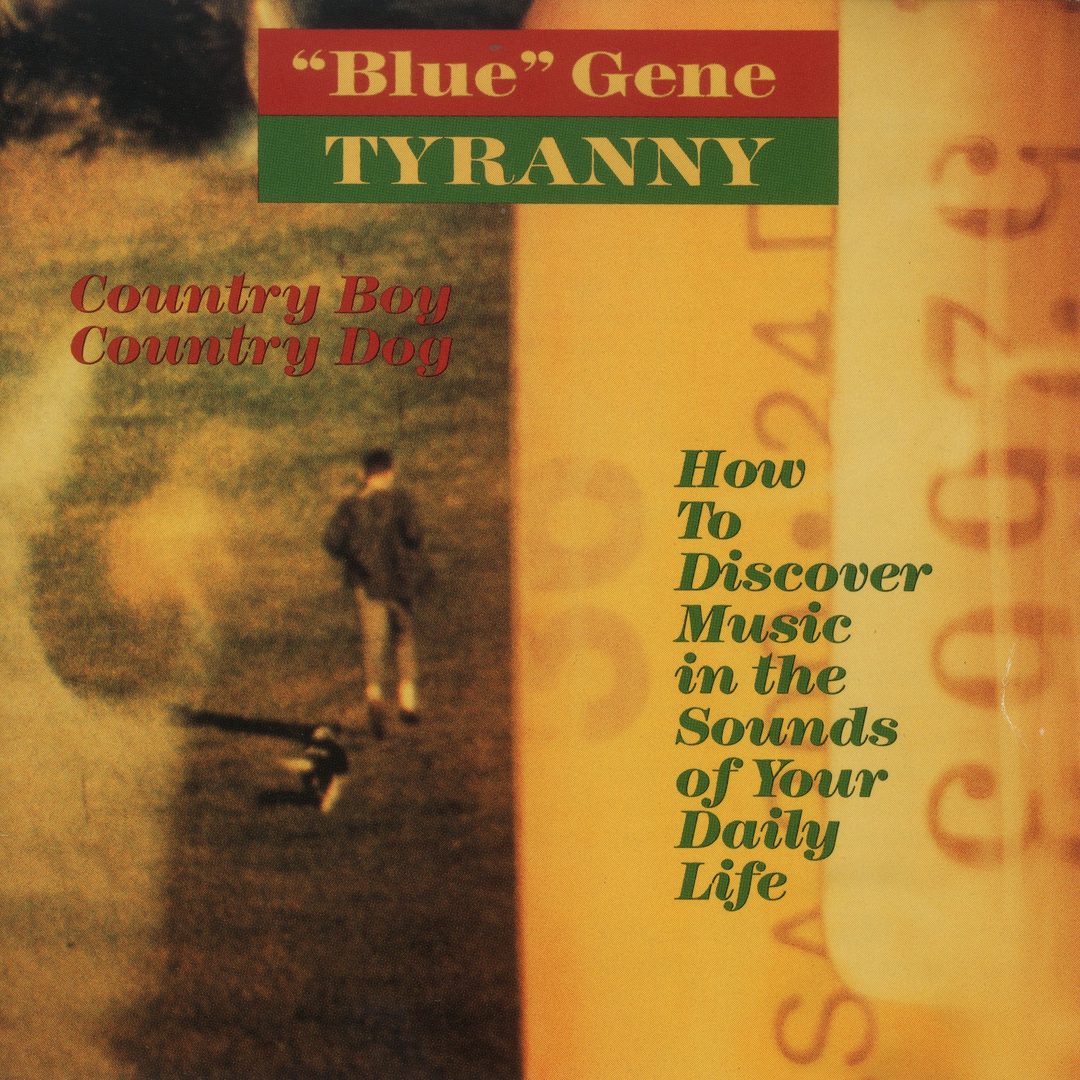
Fifty years ago this week, on 6 November 1976, "Blue" Gene Tyranny, Peter Gordon and the Trust in Rock band recorded the last of three nights in Gallery A of the University Art Museum in Berkeley. The album only came out in 2019. For the anniversary Unseen Worlds has added the Finale, thirty minutes found after that release, and an essay by Keith Connolly of No-Neck Blues Band. Tyranny on his own: Country Boy Country Dog. Gordon elsewhere: The Yellow Box, with David Cunningham.
Despite its title, Last Date was not Eric Dolphy's final recording. The Hilversum concert took place on 2 June 1964, and later that month he played on sessions with Donald Byrd and Nathan Davis. He died on 29 June. Two days afterwards drummer Han Bennink received a letter from him about a planned engagement in Copenhagen.
Concret PH, written by Iannis Xenakis in 1958 for the Philips Pavilion in Brussels, has a single sound source: a recording of burning charcoal. He cut it into fragments about a second long and transposed, layered and spliced them into a dense, slowly shifting mass. Visitors heard it on the way in and out, while Varèse's Poème électronique played inside.
Threads
From Kosugi to Mikami, in four records
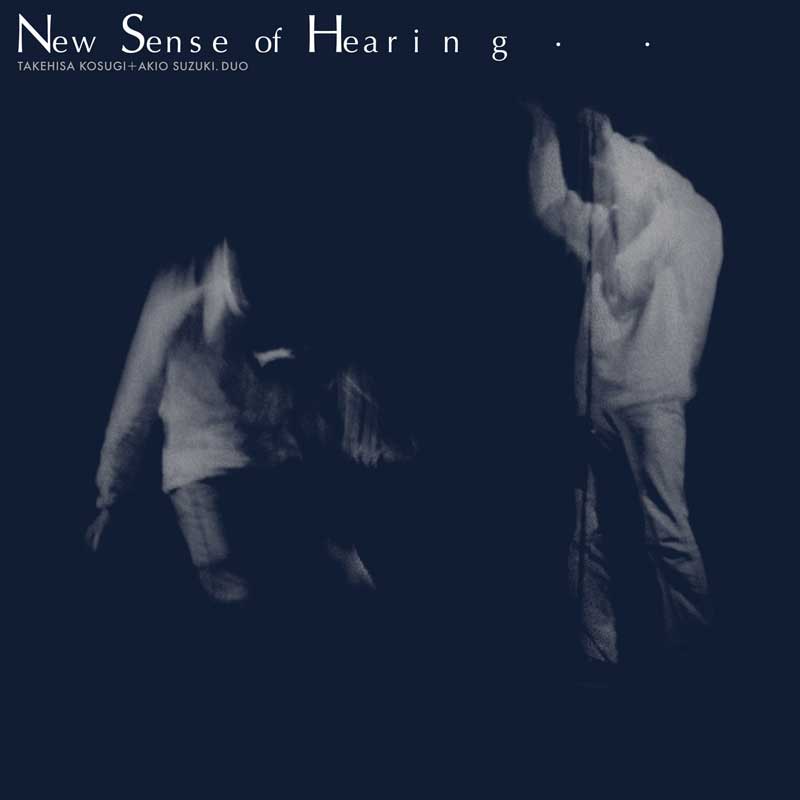
  1. Takehisa Kosugi and Akio Suzuki improvise in an empty Tokyo hall, April 1979: New Sense of Hearing.
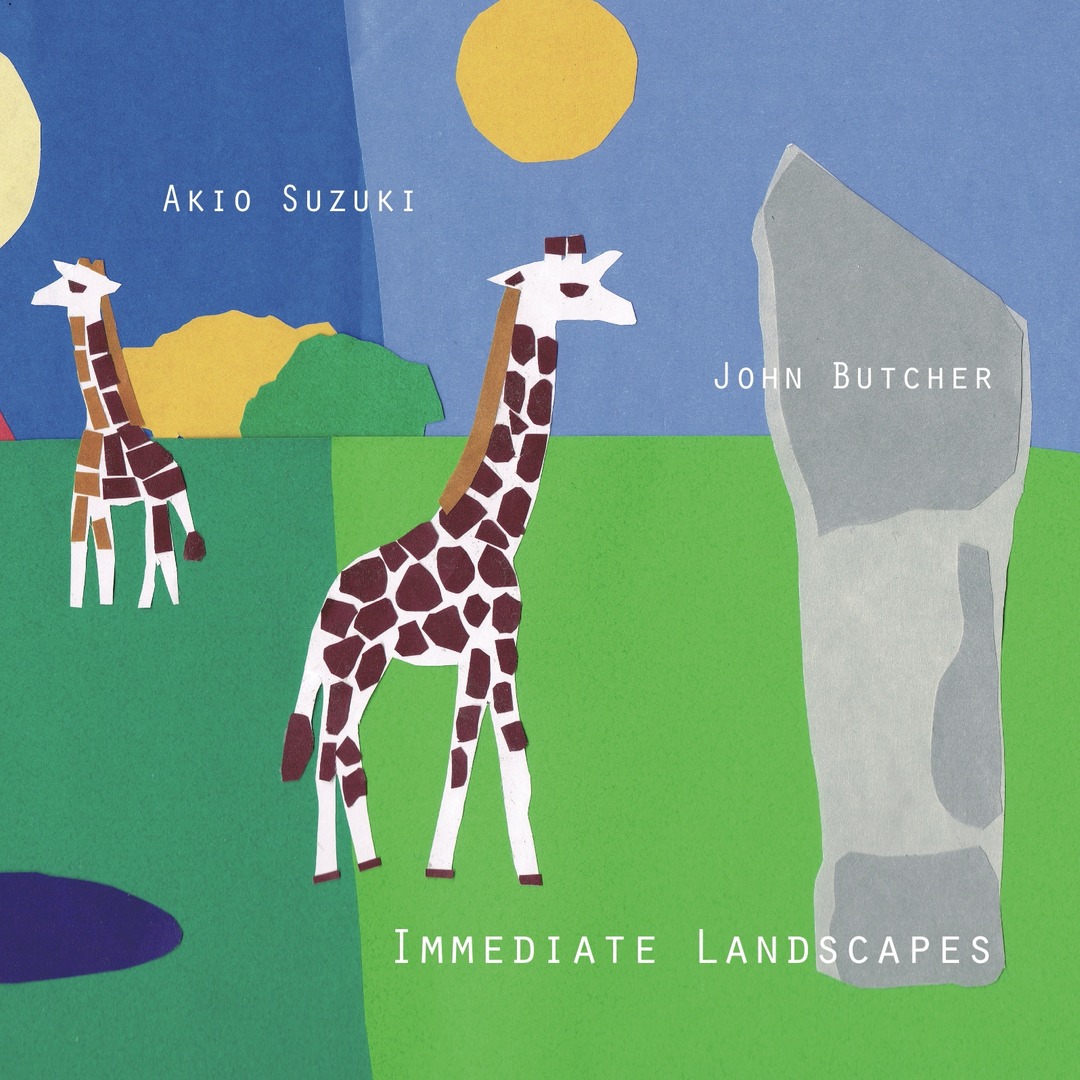
  2. Suzuki takes his homemade instruments around Scotland with John Butcher in 2006, playing an underground reservoir and the Hamilton Mausoleum: Immediate Landscapes.
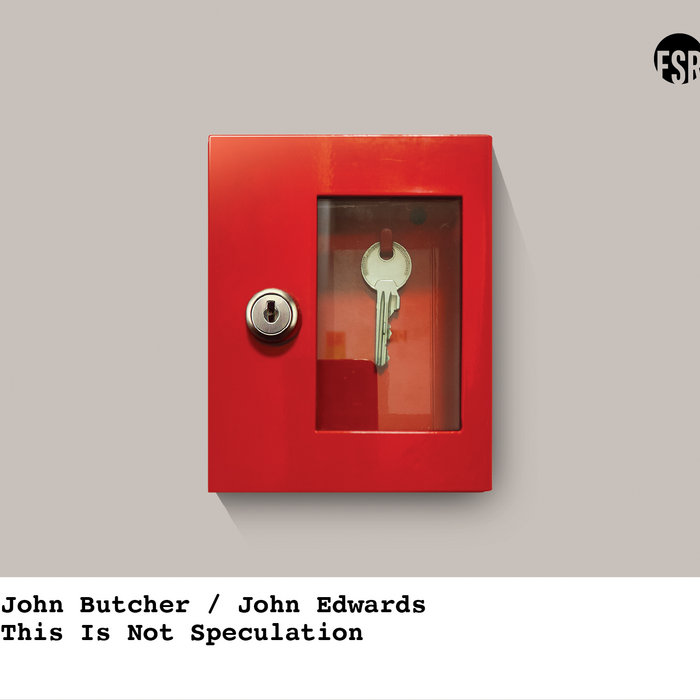
  3. Butcher sits down with the bassist John Edwards, his partner of many years on the London scene: This Is Not Speculation.
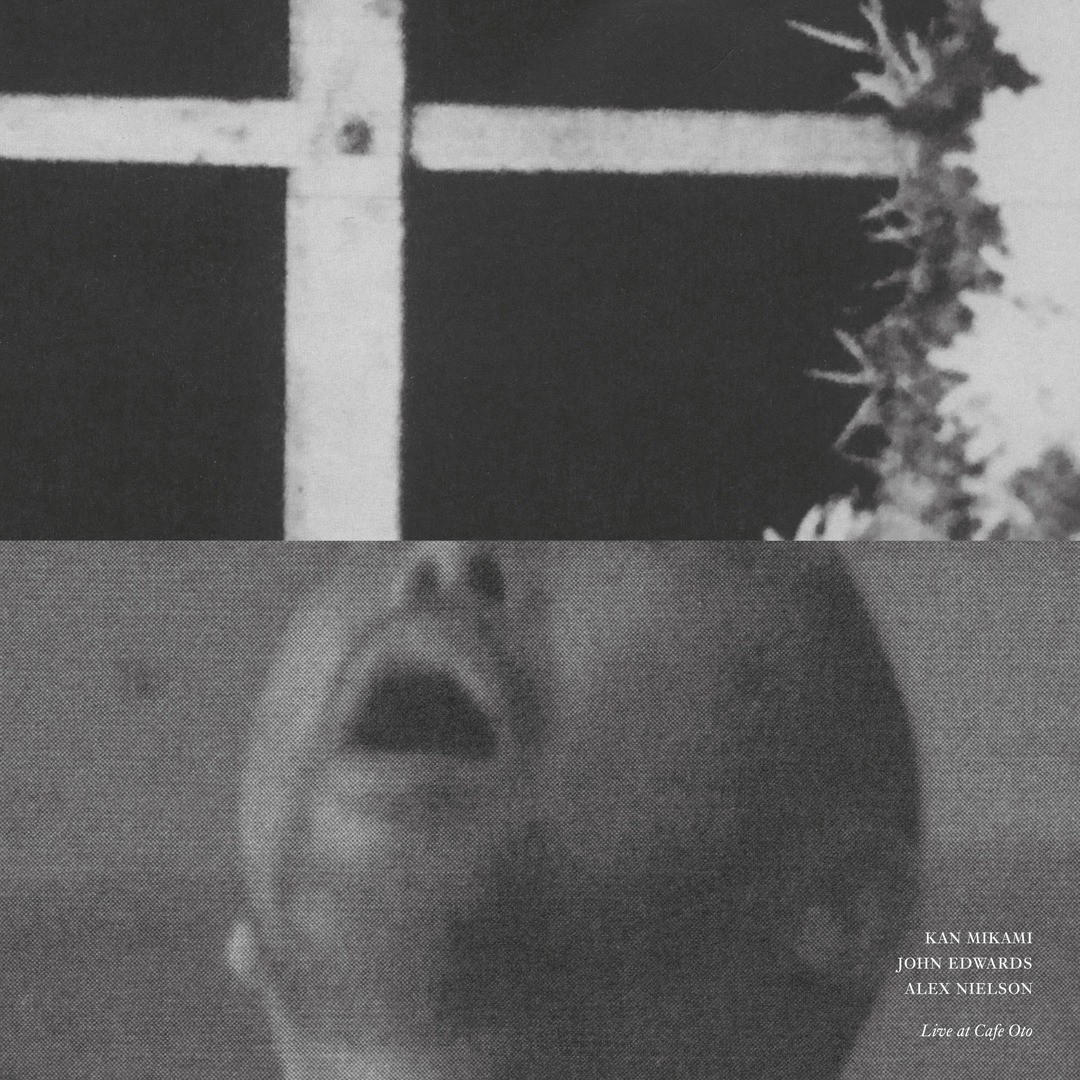
  4. Edwards and Butcher play behind Kan Mikami, the bluesman from Japan's rural north, at Cafe Oto: back to Japan by way of London.
For Presque rien No. 1 (1970) Luc Ferrari took a full day of recordings from a beach in Yugoslavia and edited them down to twenty-one minutes. The subtitle is Le Lever du jour au bord de la mer: daybreak at the seaside.
In 1961 Tod Dockstader, a sound engineer at Gotham Recording Studios, applied to use the Columbia-Princeton Electronic Music Center. Vladimir Ussachevsky and Milton Babbitt each wrote to turn him down. The official reason was an "overstrained" schedule, but his lack of academic training was suspected to be the real one.
Terry Riley imagined In C with no steady rhythm. When keeping the players together became a problem, Steve Reich suggested a constant eighth-note pulse, and Riley agreed. At the premiere in San Francisco in November 1964, Jeanie Brechan pulsed the two top Cs of a piano she shared with Riley.
Imprint
A small Belgian label with a clear brief: electronic and instrumental avant-garde music of the twentieth century, preferably never released before, with a soft spot for Belgian composers. It also looks after the archive of the percussionist Michael Ranta, and lately it has opened a window on Romania. Five records to start from:
The span of John Cage's ORGAN²/ASLSP in Halberstadt: it began in 2001 and will end in 2640. The seventeenth change of sound came on 5 August 2026, an A4 pipe.
In 1965 Steve Reich set two tape machines playing the same loop, a street preacher saying "it's gonna rain". They slowly slipped out of sync, and phasing was born by accident.
Back in Print
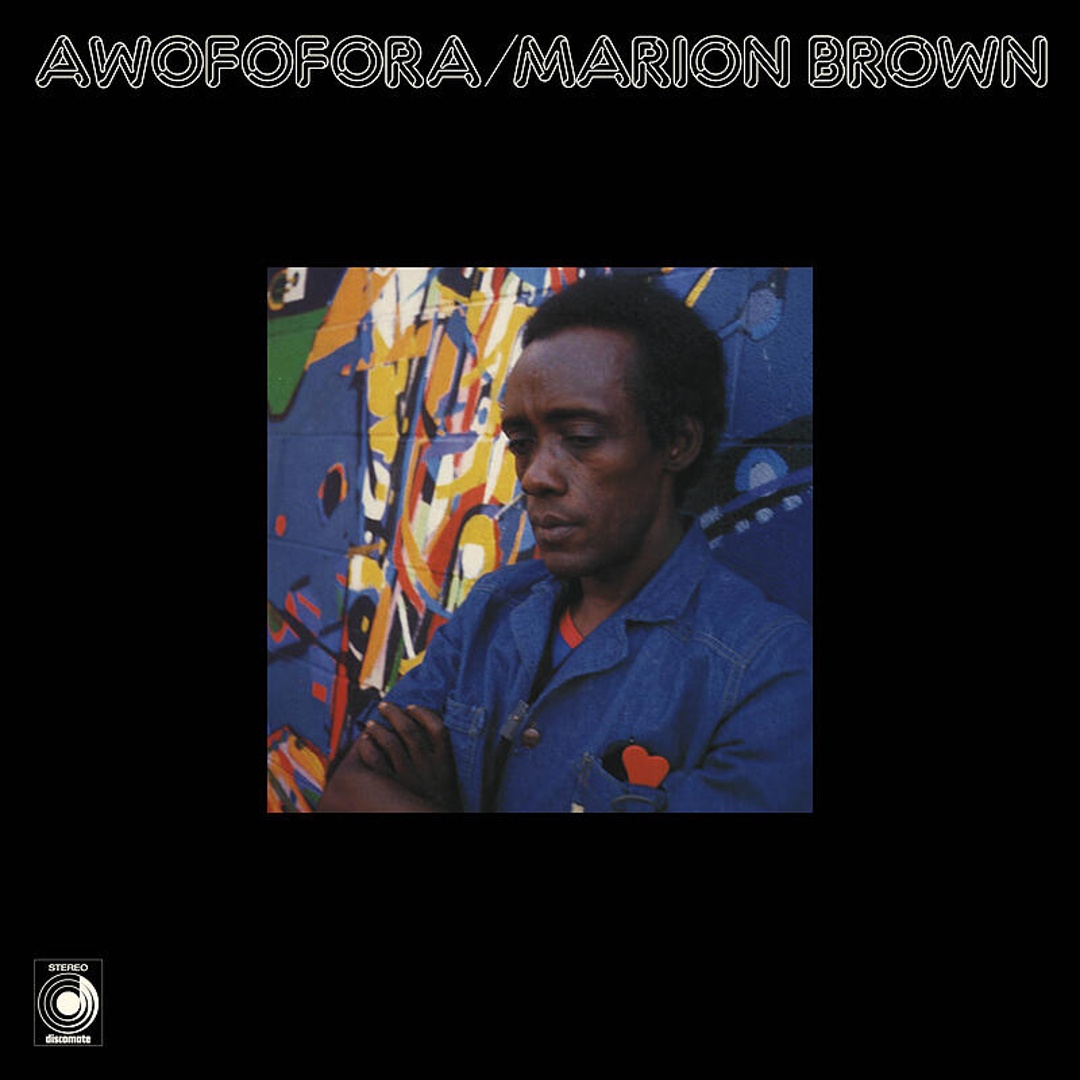
Awofofora, Marion Brown's 1976 album with funk and reggae grooves, came out only in Japan, on Discomate, and had never been reissued until this year. When we checked, the four original copies for sale on Discogs started at 267 euros. Aguirre's new edition, with gatefold sleeve, liner notes and photos, costs a fraction of that.
4'33" lasts 273 seconds, and absolute zero is −273 °C. The coincidence is often read as a hidden message. Cage never mentioned it: the durations came from chance operations.
La Monte Young wrote: "Draw a straight line and follow it." At a Fluxus festival in Wiesbaden in 1962, Nam June Paik did it with his head dipped in ink.
In the early 1990s Markus Popp, as Oval, drew on the underside of CDs with felt-tip pens so they would skip, and built whole albums from the glitches.
Watt's four clarinets recorded four pieces in 2021. Three of them, written for the group by Léo Dupleix, Karl Naegelen and Caroline Marçot, came out on three infinite cassettes sold only as a box, which vanished at once. The fourth, Coral, is the one that got a vinyl.
The inner sleeve of Nurse With Wound's first album (1979) listed about 290 artists the group admired, from Krautrock to musique concrète. It became a map for generations of collectors.
In 1969 Alvin Lucier recorded himself reading a short text, played it back into the room and recorded it again, over and over, until the resonances of the room washed the words away. The text talks about his stutter.
For about thirty years Éliane Radigue built her music with a single ARP 2500 synthesizer and tape, one slow layer at a time. In the 2000s she set it aside and began writing for acoustic players.
In 1963 Delia Derbyshire turned Ron Grainer's score for the Doctor Who theme into sound at the BBC Radiophonic Workshop, note by note, cutting and splicing tape. She was not credited on screen.
In 1948 Pierre Schaeffer recorded steam engines at the Batignolles depot in Paris and edited them into the Étude aux chemins de fer. That year he gave the method a name: musique concrète.
In 18th-century France a small barrel organ, the serinette, was cranked beside the cage until the bird learned the tune. Chardin painted one in 1751.

Write to the desk

Pitches, replies to a piece, corrections, a record we should not have missed: editorial@soundohm.com