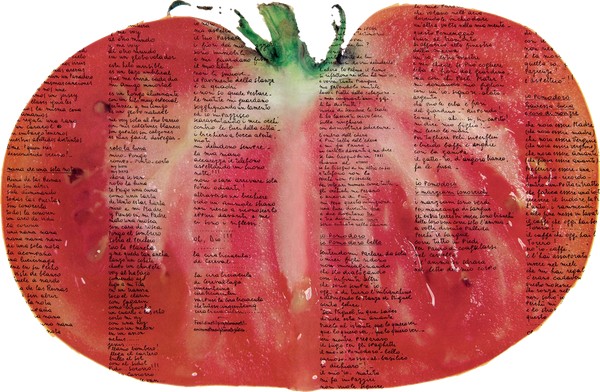
Io Pomodoro: Lucia Bosé and Gregorio Paniagua, Spain 1981
Having spent the last few years shifting between astounding historical artifacts by artists like Sun Ra, Walter Maioli, Henry Krutzen, Luigi Nono, Hartmut Geerken, Patrick Lysaght, and Henning Christiansen, and equally contemporary efforts by Andrea Penso, Meridian Brothers, Nancy Mounir, and Pak Yan Lau, the always incredible Holidays Records returns, carrying the high heat of summer forward with the first ever vinyl reissue of Lucia Bosé & Gregorio Paniagua's sinfully overlooked 1981 masterstroke Io Pomodoro.
Blending Paniagua's singular hybrid of early music sensibilities and visionary experimentalism with Bosé's remarkable approach to vocalization, it stands almost entirely outside of genre and categorization, leaving little wonder why, for those in the know, it has long been regarded as a high-watermark of European late 20th Century music.
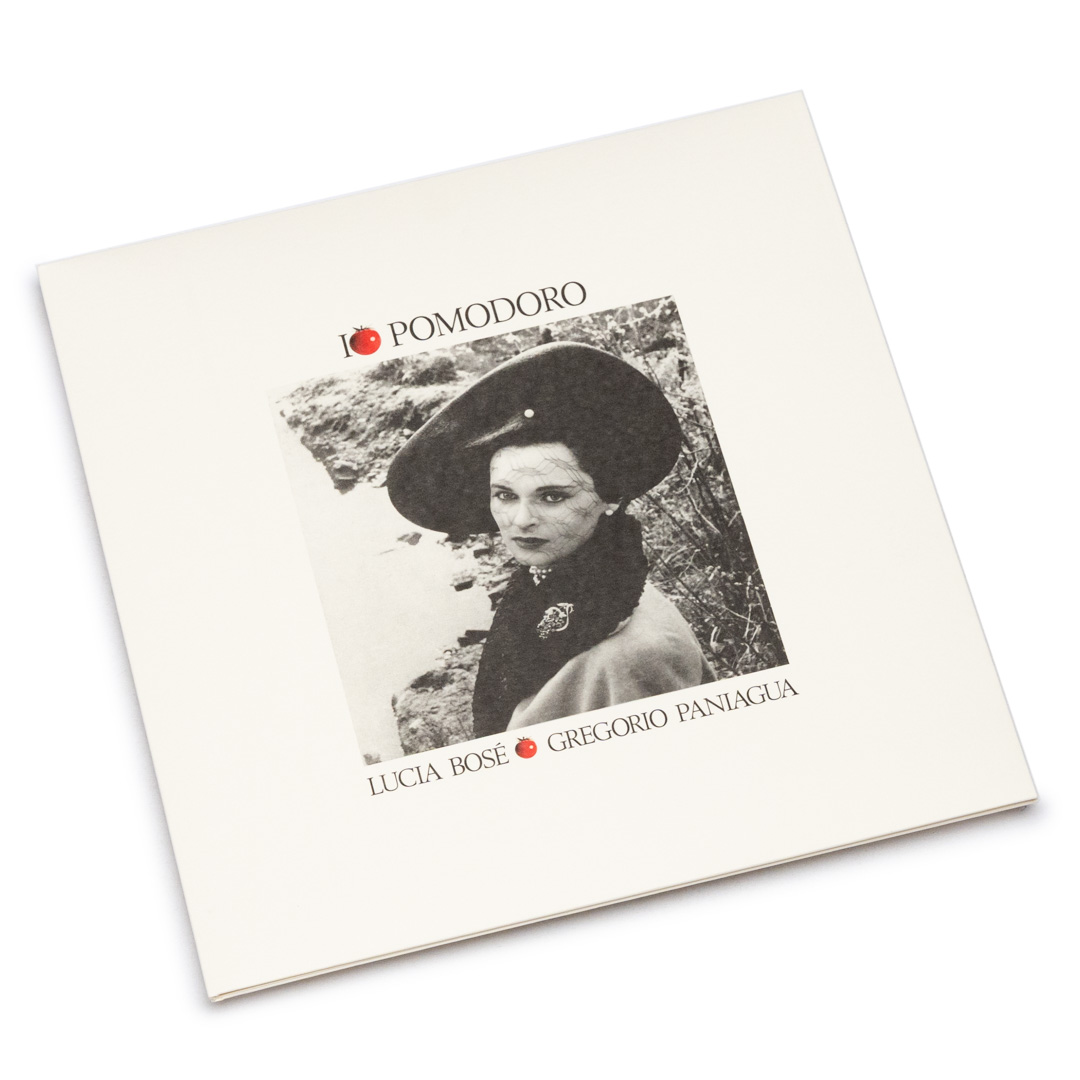
There are certain albums that bridge the realms of popular music and radical experimentation and come to rest in a category all their own. Io Pomodoro, a stunningly singular full-length, created by the Spanish composer, Gregorio Paniagua, and the Italian actress Lucia Bosé, originally issued by the Spanish arm of CBS in 1981, is one such case. Alongside a small constellation of albums by artists like Maria Monti, Franco Battiato, Catherine Ribeiro, Robert Wyatt, Brigitte Fontaine, and a number of others, the album has percolated within the underground, gathering devoted fans and entirely reconfiguring our expectations of music produced during its era.
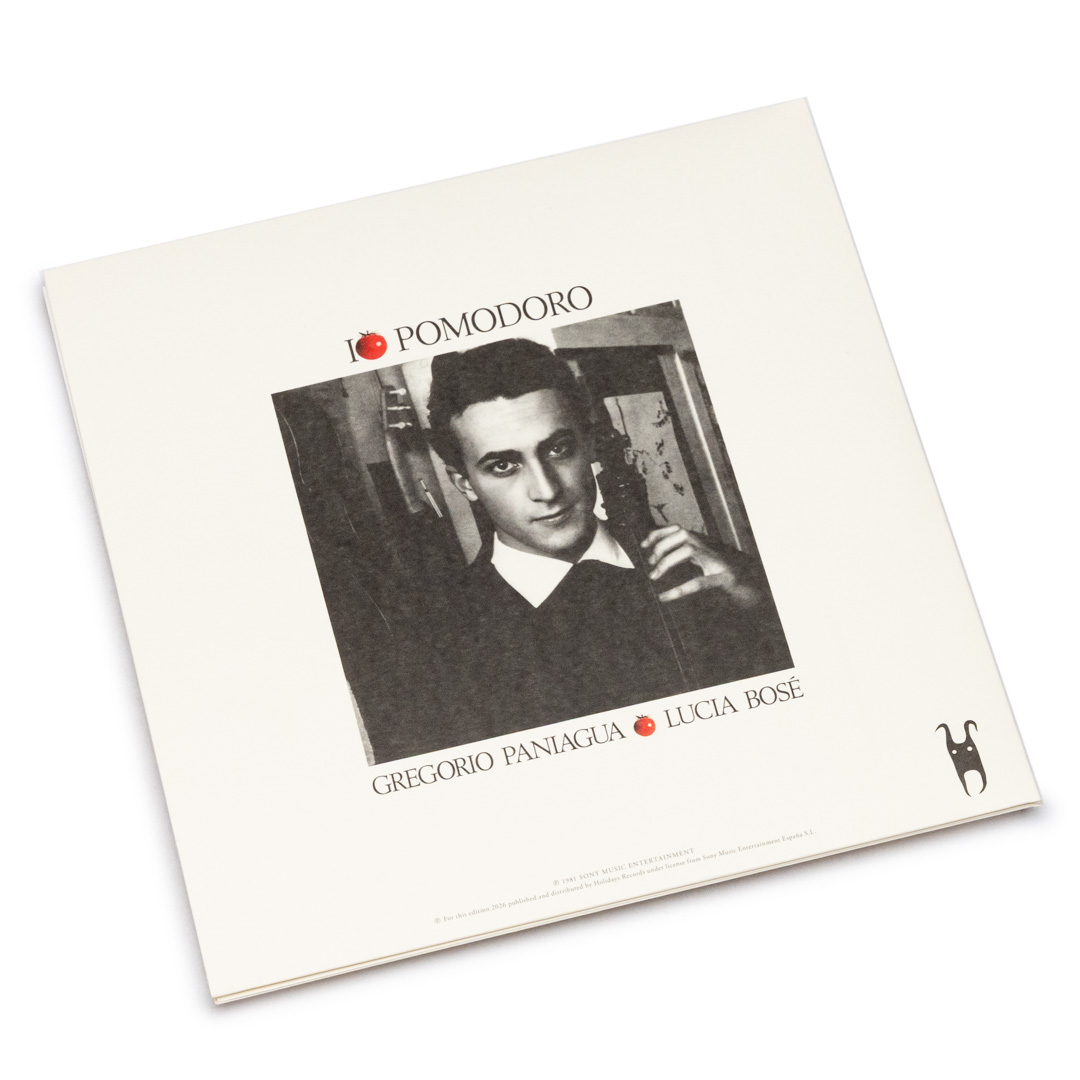
Tragically, like so many albums released by the major label industry, the album's tapes have remained locked in the vaults for the better part of a half-century, setting roadblocks in the way of any hope for a reissue, with the rare original 1981 pressing remaining the only way to access its incredible sounds. Now, thankfully, the venerable Italian imprint, Holidays Records, has managed the improbable, pressing a fully licensed and remastered, limited vinyl edition, marking this masterstroke's first ever reissue on any format. Groundbreaking and highly singular, encountering Paniagua playing a vast range of self-made and baroque instruments in connection with Bosé's intoxicating approach to vocalization, it's absolutely stunning on every count, and at long last rescued from the shadows and the towering prices commanded by the original pressing, delivering this gem to a grateful new generation of ears.
Born in Madrid in 1944, the composer Gregorio Paniagua's paths and trajectories through the realms of sound and music were as idiosyncratic and unique as they were focused and honed. Initially studying medicine, he heeded the call of his artistic family and shifted his focus to music, embarking upon cello studies at the Real Conservatorio with Ricardo Vivó, viola da gamba with August Wenzinger, and orchestral conducting with Sergiu Celibidache. In 1964 he founded the early music ensemble Atrium Musicae de Madrid, where he was joined by his brothers (the equally important composer Luis Paniagua, Carlos Paniagua, and Eduardo Paniagua), credited as one of the most important groups working in Spain to have performed and recorded ancient European music during the 20th and 21st centuries. Deeply invested in musicological research, over the course of his career, in addition to performing widely on vihuela, lute, hurdy-gurdy, and viola da gamba, he devoted considerable effort to reconstructing extinct instruments in his own workshop, the sounds of which he also introduced into his efforts.
While Atrium Musicae remained Paniagua's primary vehicle of expression until the early 1980s, like many Spanish artists of his generation, the fall of the Franco regime, having cast the country under a dark and oppressive cloud until 1975, opened up a glorious period of uninhibited creative expression, exploration, and experimentation. As his brothers embarked upon solo careers, so too did Gregorio Paniagua, emerging fully formed across the length of his debut LP, Batiscafo, issued by Hispavox in 1980. A thrilling hybrid of baroque, pop, and experimental approaches, it stands alongside roughly contemporaneous efforts by Orquesta De Las Nubes, Música Esporádica, Suso Saiz, Pep Llopis, Babia, and others, as a gleaming example of Spain's bristling music context of that era.
The following year, joining forces with Italian actress Lucia Bosé (widely celebrated for her work in the films of Luis Buñuel, Giuseppe De Santis, Michelangelo Antonioni, Jean Cocteau, Federico Fellini, Marguerite Duras, Jeanne Moreau, and others), Paniagua pushed this territory of exploration one step further, delivering the astounding full-length, Io Pomodoro, via the Spanish arm of CBS in 1981, which has subsequently been elevated to being arguably the most celebrated and sought after solo release of his career, commanding eye-watering prices for its original and only pressing until now.
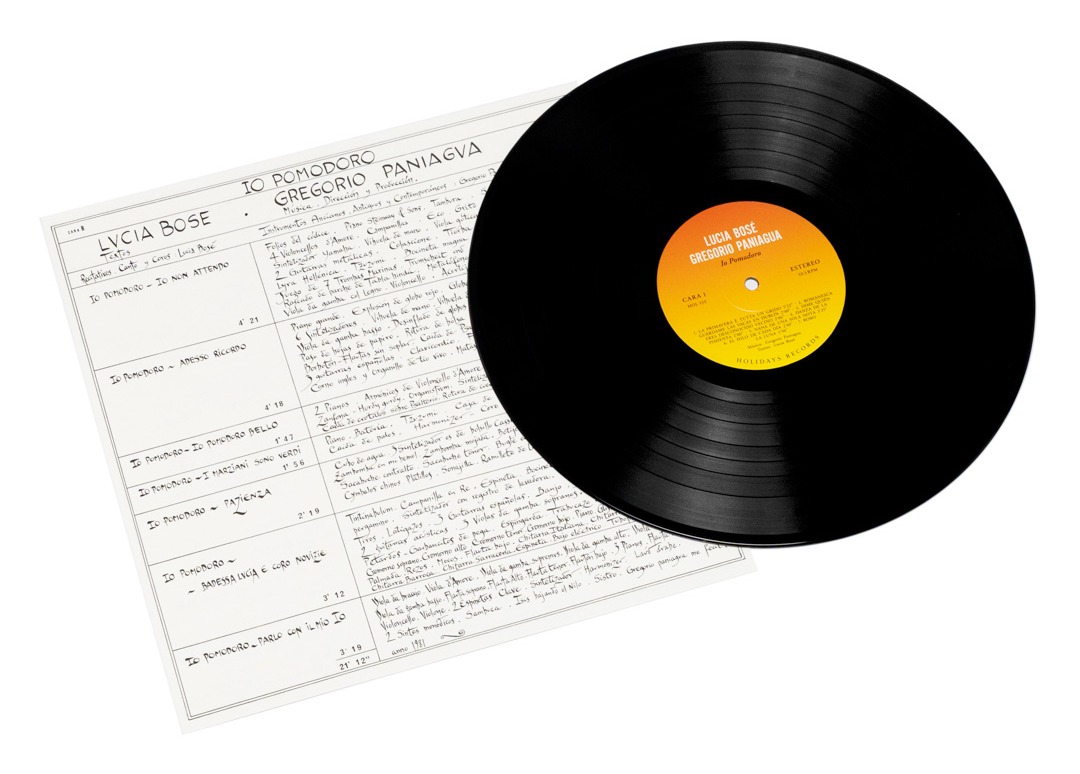
Io Pomodoro remains one of those rare efforts within the history of music that largely stands outside of genre, category or association. By most accounts, like many other similar free-standing records, it largely went unnoticed at the time of its release at the outset of the 1980s. Its closest cousins are arguably Maria Monti's 1974 masterstroke, Il Bestiario; Franco Battiato's early 1970s work; and the efforts of artists like Emmanuelle Parrenin who drew upon early music forms, but even here, despite the vast range traversed by the aforementioned, Paniagua's Io Pomodoro doesn't quite fit. Encountering its composer playing a vast range of instrumentation, drawing on his collection of early instruments and those he constructed himself (“flute without breath”, party blower in F, soprano ratchet, barrel organ, etc.) alongside tape and electronic elements, the album's 14 tracks, working as a decidedly cohesive whole while covering a vast expressive range, seem to stand entirely outside of time: an almost psychedelic, wildly playful medieval music that points toward futures unforeseen. Weaving its way through rippling melodies written and arranged by Paniagua for wind instruments, strings, percussion, piano, synthesizers, etc., Lucia Bosé delivers her self-penned lines in both Italian and Spanish (at times spoken poetics and others sung), establishing a perfect harmony between the pair.
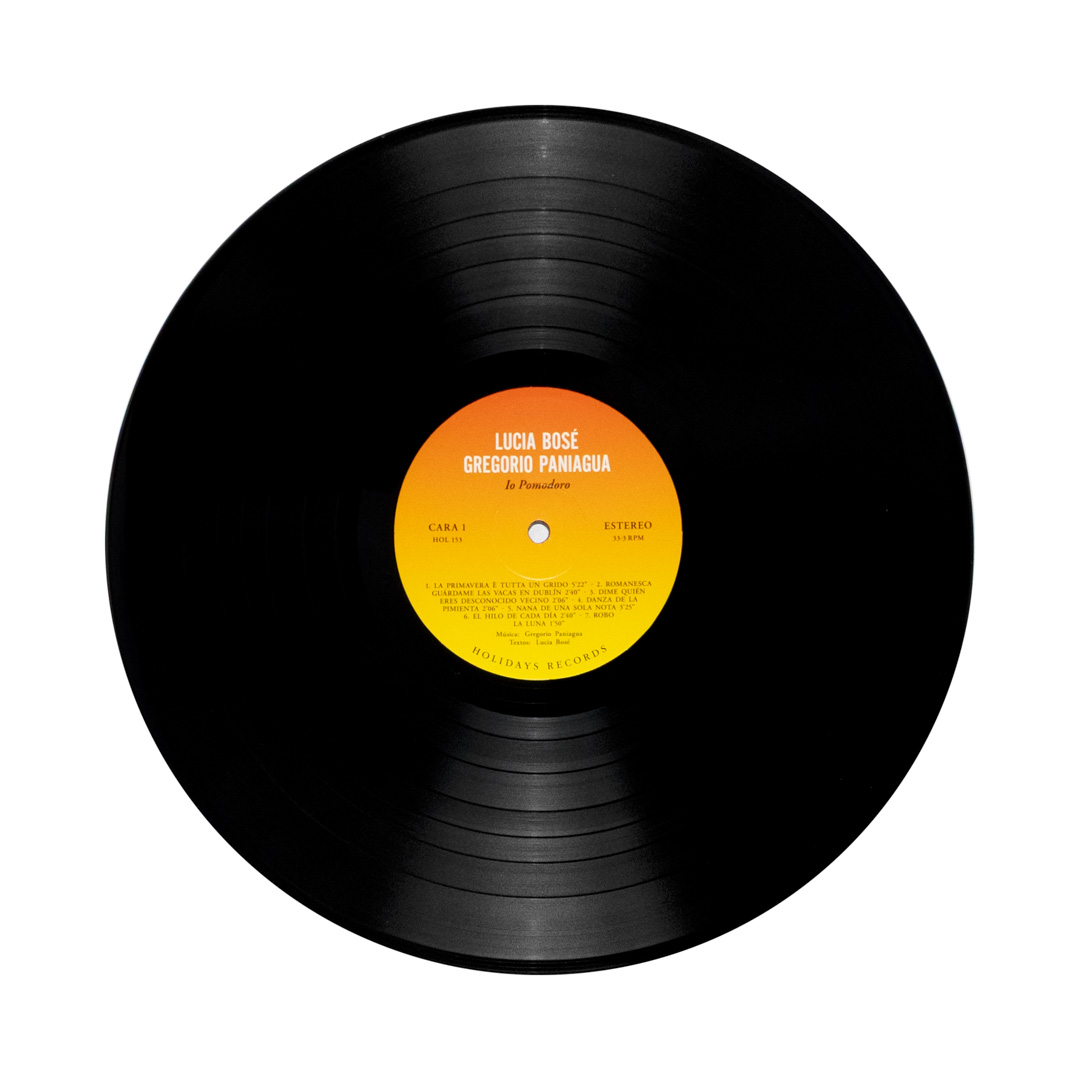
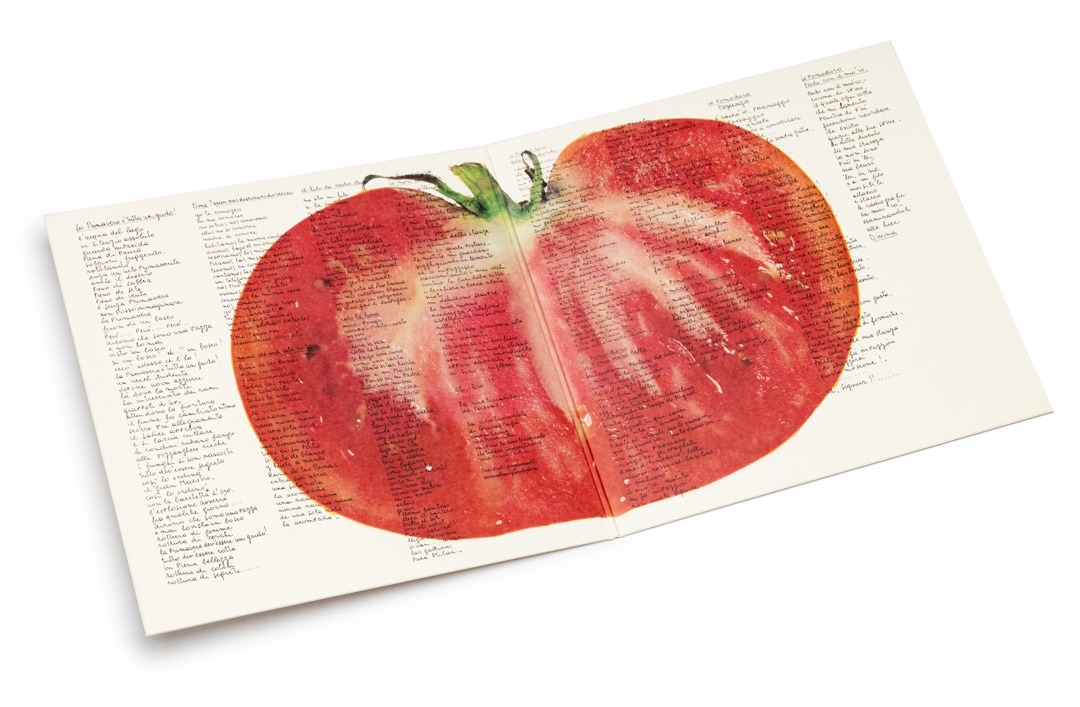
Ranging from the hypnotically engrossing, to the creatively challenging and captivating (establishing an astounding middle ground between early music and forward thinking experimentalism), Lucia Bosé & Gregorio Paniagua's Io Pomodoro represents a towering accomplishment within the history of European late 20th Century music. Despite being chased by knowing fans over the decades since its original obscure release, it's shocking how under-appreciated it remains, even to this day, making Holidays Records' fully licensed and remastered, first-ever reissue that much more revelatory. Issued in a beautifully produced, highly limited vinyl edition, immaculately reproducing the original cover, and joining the label's already astounding catalog of carefully curated, visionary releases, this one is as important as they get, laying the groundwork for a necessary, large-scale reappraisal of Paniagua's sprawling body of work. Quite simply, it's a joy for the ears and the mind that can't be missed.
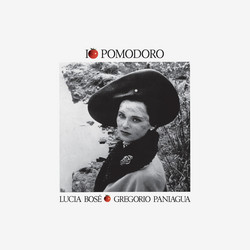
Lucia Bosé & Gregorio Paniagua, Io Pomodoro (1981). LP, Holidays Records HOL-153, edition of 500 copies, gatefold cover reproducing the original artwork, with insert; also on CD, HOL-153CD. Remastered, licensed from Sony Music Entertainment España. First issued by CBS in Spain.