Back in stock
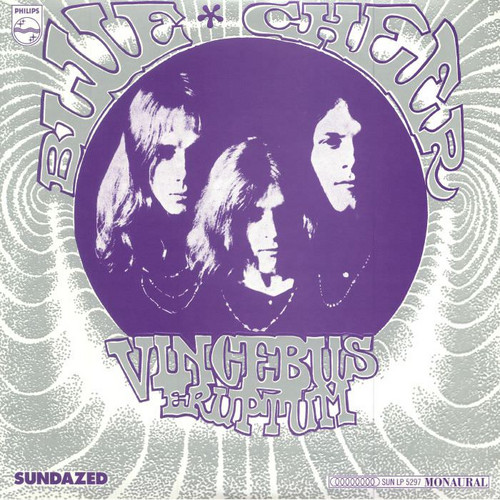
Vincebus Eruptum
Blue Cheer looms large in the annals of hard rock, laying down the sonic foundations of heavy metal, and serving as a crucial influence on the birth of punk, grunge and stoner rock. While the rest of the rock world was mellowing out and embracing the spirit of the Summer of Love, the seminal San Francisco power trio was churning out ballsy blues-rock anthems whose fuzz-heavy, adrenaline-charged intensity helped to alter the course of contemporary music.Vincebus Eruptum, Blue Cheer's landmark 196…
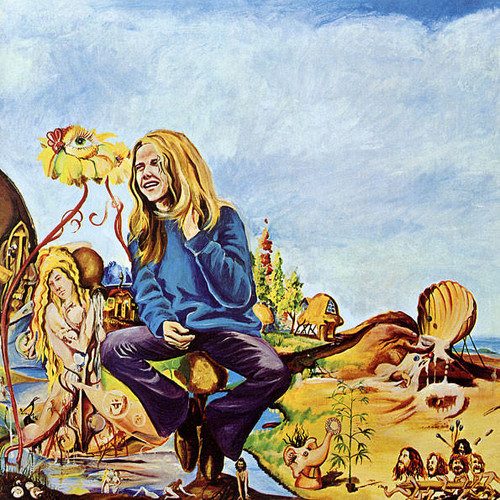
Outside Inside
Blue Cheer's second album, Outsideinside, fully matches its predecessor's primal power. The last Blue Cheer release to feature the beloved lineup of Stephens, Peterson and Whaley, Outsideinside is a bracing orgy of volume, distortion and aggression, with such highlights as "Just a Little Bit," "Come and Get It," the instrumental "Magnolia Caboose Babyfinger" and the band's distinctive take on the Rolling Stones' "Satisfaction." Like its predecessor, Outsideinside has been out of print on vinyl f…
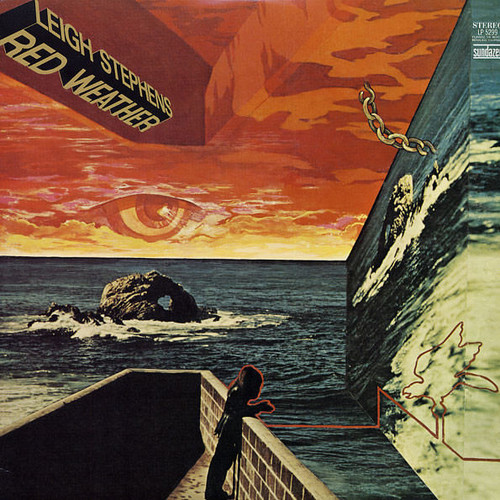
Red Weather
After leaving Blue Cheer in 1969, guitarist Leigh Stephens, whose pulverizing roar was an essential element of the band's original sound, made his solo debut with Red Weather. In contrast to his former band's stripped-down metallic blast, Stephens spread his musical wings to explore new musical territory. Although Stephens' trademark guitar sound is still prominent, it's featured in a more eclectic context that encompasses elements of avant-psychedelia and electric blues. Also featured is stella…
Trixie Stapelton 291
1st time ever readily available on vinyl - the rarest entry on the legendary Nurse With Wound list (which is saying something). Ltd. ed. of 300. "Fille Qui Mousse ("Girl With Froth"??) is one the most mythical albums to be released(?) from France. Recorded in 1972, it was issued in 73 (evidently only as a test pressing in an edition of maybe 50) by the legendary Futura label. Often referred to as the French Faust, FQMs album mixed collage, psychedelic rock, surreal poetry, and organically tapped…
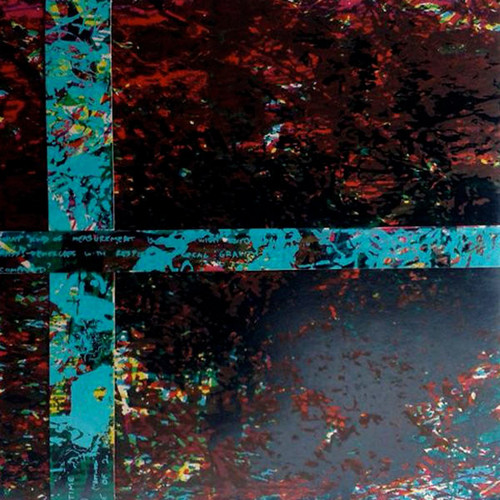
Lys
Deluxe presentation of this legendary weirdo experimental side wrapped in a massive fold-out silkscreened poster sleeve with twin obi strips on heavy coloured vinyl in an edition of only 300 copies: originally self-released in 1989, IYS is this amazing group’s masterpiece. Coming out of Seattle in the mid-80s Yeast Culture were a hermetic autonomous arts collective along the lines of Mnemonists/Biota who used field recordings of uncanny resonances, occult soundings, extreme invasive microphone t…

Natural History
Beginning in the 1980s Edition Giannozzo Berlin released many works by famous artists like Rolf Julius, Bill Fontana, and Akio Suzuki. “Natural History” was a weird cassette, released on the label in 1983 by Alvin Curran, the founder of the Rome-based improv group MEV. It’s an unparalleled piece of musique concrete that takes uniquely observed images of everyday life and weaves lyrical interconnections between them.Remastered in 2016 by Kiyoharu Kuwayama (Lethe). Limited edition of 150.
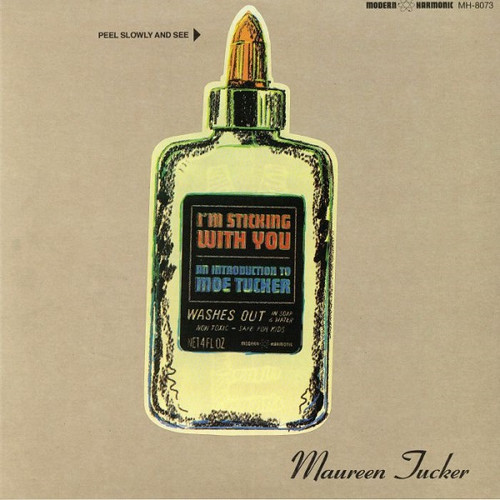
I'm Sticking With You
Diminutive perpetual heartbeat of the Velvets! The unmistakable beat of the Velvet Underground was malleted out on the unconventional kit of Moe Tucker. Her (at times) childlike, fallen angelic voice also shines on some VU fan favorites. Here Moe reinterprets some Velvet gems, sometimes playing all instruments, other times accompanied by the likes of Jonathan Richman, Jad Fair, Kim Gordon and more. In addition to VU faves, we’re treated to rough and jubilant covers of her favorite early rock & r…
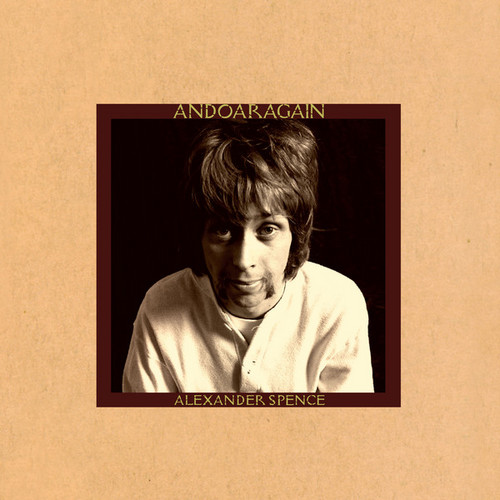
AndOarAgain
AndOarAgain provides unparalleled access to what David Fricke calls “the most harrowing and compelling artifacts of rock & roll’s most euphoric era” across three dozen unheard tracks! In addition to the quintessential original album, AndOarAgain features nearly two hours of unheard music on the way to Oar–along with roads not taken–that both clarifies and muddies the enigma of how psychedelic legend Alexander “Skip” Spence determined the final state of his iconic masterpiece. The time: December,…
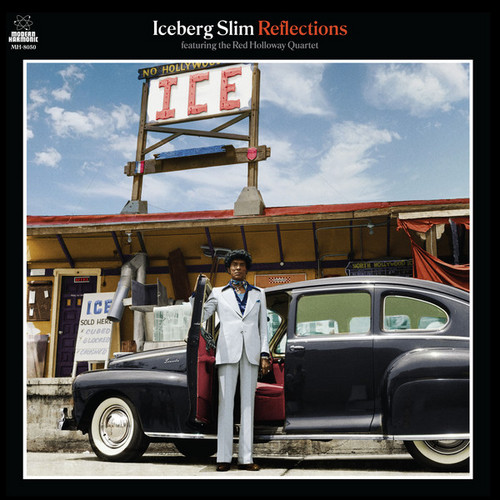
Reflections
Reflections is the very explicit beat-jazz birth of gangsta rap. A former pimp turned author, Iceberg Slim wrote Pimp: The Story of My Life, believed by some to be the highest selling book by a black author ever! On Reflections, the Red Holloway Quartet makes the bed, then Slim rhythmically speaks his prose like a bass note beat poet in what became the birth of the bad, dark, none-too-taboo tales of the street that inspired a subgenre of music. Justin Gifford, author of Street Poison – The Biogr…

Phonography
"Phonography was Stevie's first LP release, and an out-of-the-blue masterpiece: terminally idiosyncratic but with all the compositional qualities of great pop. A gifted songwriter, R Stevie (son of Bob Moore, Elvis' bassist) grew up and was steeped in Nashville's countrypolitanism; but, as a recidivist rebel, he inevitably slipped into strange byways, following his own, unique path into celebrated obscurity - as this strange and compelling record attests. Hans Arp said, 'My paintings are like fi…
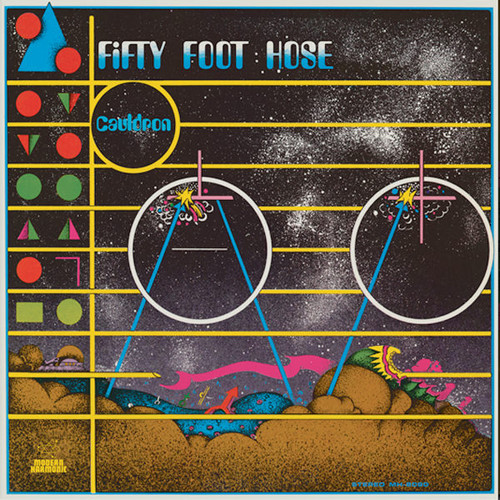
Cauldron
An electronic rock band wasn’t even an idea when Fifty Foot Hose released their landmark debut album at the end of 1967. Their fusion of psychedelia and electronics resulted in a truly trailblazing sound. Cauldron stands as a signal achievement that laid the groundwork for genres that didn’t even exist when it was released. Pressed at Third Man Pressing on custom colored vinyl and featuring a zine-style insert with liners by FFH electronics mastermind Cork Marcheschi and the original sleeve rei…
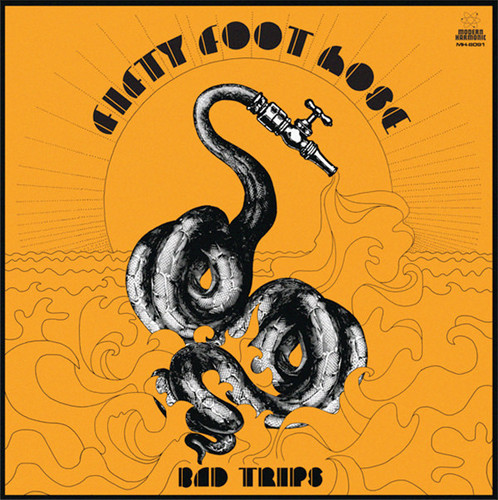
Bad Trips
Nobody went full-on electro-rock before Fifty Foot Hose. Before their brief-but-groundbreaking run in the late ‘60s, Bad Trips collects the demos, outtakes, and other rarities that complete the story of a band too far ahead of its time to last. Includes both versions of their multi-speed composition “Bad Trip.” From the pre-Hose tracks of boldly atonal, proto-psychedelic freakout music to early versions of songs that would land on their opus, Bad Trips brazenly displays how Fifty Foot Hose chang…

Irisiri
Eartheater (aka Queens based artist Alexandra Drewchin) distills foley-filled digital production, a three-octave vocal range, and classical composition into works suspended between obsessively detailed sonic tapestries and almost recklessly romantic and gestural electronica. IRISIRI, Eartheater's third full-length record, lays out a shifting network of abstract song craft, laced with sudden structural upheavals, and collisions of mutated tropes from numerous sonic vocabularies. Modular synth sta…
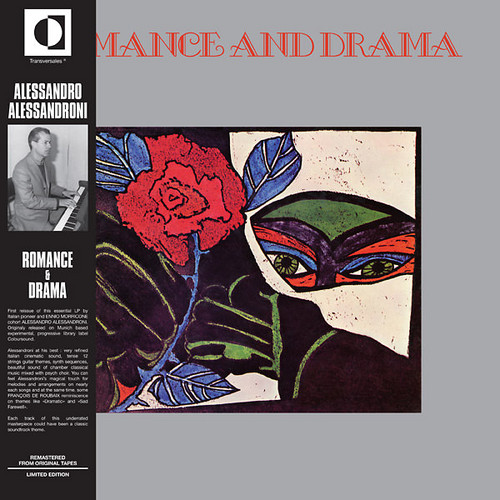
Romance And Drama
Transversales Disques present the first reissue of Romance & Drama, an essential LP by Italian pioneer and Ennio Morricone cohort, Alessandro Alessandroni. Originally released on Munich based experimental, progressive library label Coloursound. Alessandroni at his best: very refined Italian cinematic sound, tense 12-string guitar themes, synth sequences, beautiful sound of chamber classical music mixed with psych choir. You can feel Alessandroni's magical touch for melodies and arrangements on n…
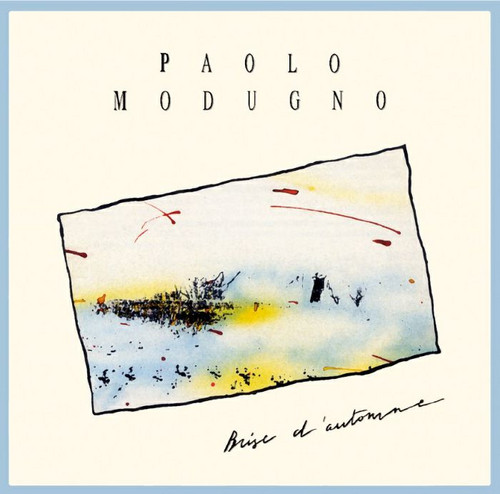
Brise D'automne
Last copies, sold-out at source. Joining their growing catalog of unearthed Italian gems, we’re overjoyed to announce Archeo Recordings’ expanded reissued of Paolo Modugno’s brilliant long lost album Brise D'Automne. A member of the legendary multi-media performance collective O.A.S.I., a singular composer, and multi-instrumentalist, Paolo Modugno’s work stands tall within the incredible canon of recordings to emerge in the hands of the 1980’s Italian experimental avant-garde - a hybrid of count…
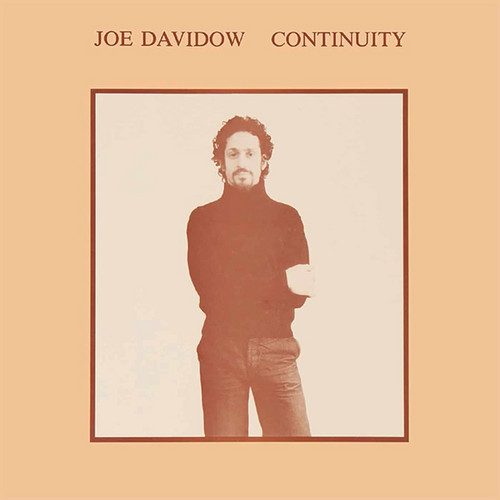
Continuity
Last copies. Originally released in 1979 on Love Records a few months before the
label went bankrupt, Joe Davidow's album is a true hidden gem. In the age of the internet the term “hidden gem” has lost a lot of its meaning, as there are very few records of which there is no trace online – no Discogs entries, no Youtube tracks. Joe Davidow’s 1979 album, however, is one of those records. Perhaps one of the reasons for its complete unobtainability is the fact that it was one of the very last recor…

Strings
Strings is one of the best known and best loved Finnish jazz albums from the 70s, but annoyingly difficult to find on vinyl. The Svart reissue presents the album mastered for vinyl from the original tapes and comes with new liner notes. From 1970 until 1974 Otto Donner, one of the founders of Love Records, worked as the director of the entertainment section of the Finnish Broadcasting Company. The idea for Strings came up during that time when Juhani Aaltonen and Donner ran into each other at Yl…
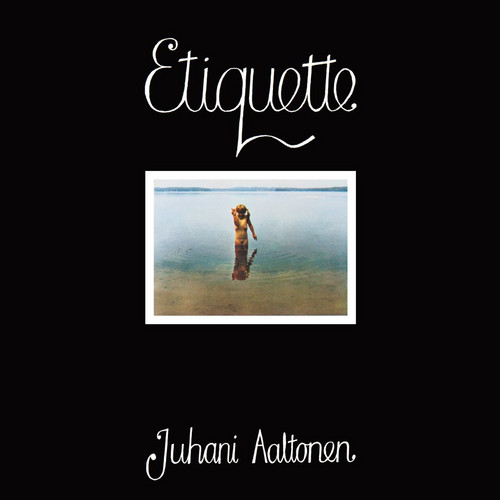
Etiquette
Black vinyl, edition of 300. Svart Records presents the first vinyl reissue of the first solo album by Juhani Aaltonen, a rarity since its original release in 1974 on Love Records. Saxophonist and flautist Juhani “Junnu” Aaltonen is a living legend among Finnish jazz musicians, having also performed stints with rock groups such as Tasavallan Presidentti. Encouraged by the ubiquitous Edward Vesala, with whom Aaltonen recorded several albums over the years, he ended up in the recording studio as …
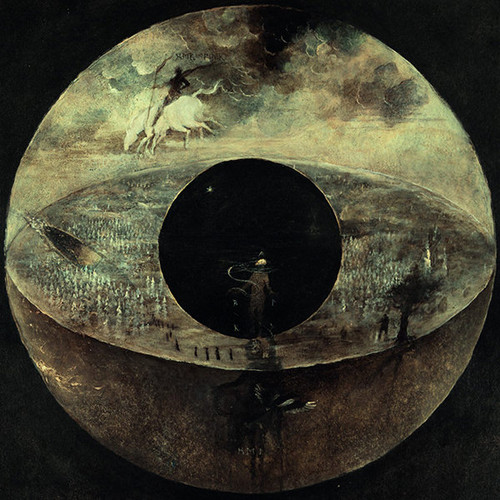
Impassable Fears
Guitarist Stephen O’Malley conjures distorted chords, controlled by a bank of effects pedals; vocalist Attila Csihar, famous for his time as singer for notorious and controversial black metal band Mayhem, ritualistically intones invented syllables that echo monastic chants; experimental musician Oren Ambarchi extracts strange sounds from his own looped guitar before moving to a drumkit to propel a scattered, urgent rhythm. Momentum overtaking him, a drumstick slips from Ambarchi’s hand, he break…
Carliot – It’s Never Too Late Orchestra
Carliot - it's never too late Orchestra praises Per-Åke Holmlanders 40-year-old music-making and brings together new and old music friends he met over the years in this "recycling project". The range of music this evening is beautifully wide - tango, free improvisation, beat, jazz and contemporary sounds both from here and from the far north.