Consequenz II
LP version. Composer and conceptual artist Conrad Schnitzler (1937-2011) was one of the most influential figures of the electronic avant-garde in Germany. In 1967/68, the Joseph Beuys student founded the Zodiak Free Arts Lab, which became a playground for Berlin subculture. In addition to numerous solo releases Schnitzler was also involved in various band formations not least Tangerine Dream and Kluster. Representing another of his musical landmarks are the Consequenz releases. Consequenz II eme…
Beyond The Land Of Minimal Possessions (Original Soundtrack)
*In process of stocking* This soundtrack was composed, performed, mixed by Nicolas Murer at Studio Les Floralies in Grenoble in 2018, using Roland MC-808, Roland SH-101, Roland JUNO-106 and MAM MB33. The tracks were mastered by helmut erler at dubplates & mastering, berlin. The third track on the B side “Nightmare”, was released under the name “Flavin” in April 2018 on the After Hours Eden Prostitute Maurer’s tape. Nicolas Murer would like to thank lili and all the people that count.
Beyond the …
Surface of the Earth
Since its release in 1996, Surface of the Earth's self-titled first album has gradually been recognized as an unlikely minimalist masterpiece and one of the key albums to emerge from New Zealand’s 1990’s Free Noise movement. Liberated from tonal and structural convention, yet also embracing elements of drone and ambient music, the Wellington trio created an album that defied easy categorization. It has been called "one of the most important albums to ever drag the subterranean vibe of unending d…
Erstens
Christian Reiner works as speaker for poetry, prose and experimental texts. He works solo and in collaboration with others on theatre projects, book readings, live concerts and music recordings. His work can be seen somewhere between language and music. He presents his texts with various collaborators at festivals, in various music ensembles and has a special programme for children. He is a classically trained singer and expert for the art of declamation. Martin Siewert plays guitar, lap & pedal…
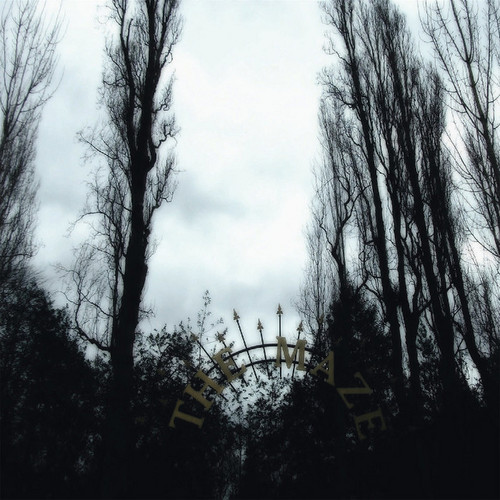
The Maze
2015 release ** "It is a work of electro-acoustic nature, of computers, of field recordings, found sound and instruments. The four pieces here can be seen as “a map of different territories”, Robert writes, “But the mapped territories are not contiguous: I am the tunnel that links these places and times, I am the border that keeps them together.” Robert tells us stories about these places, but he leaves out stuff, very much like if one would make a map: there is always “scaling, removing, enhanc…
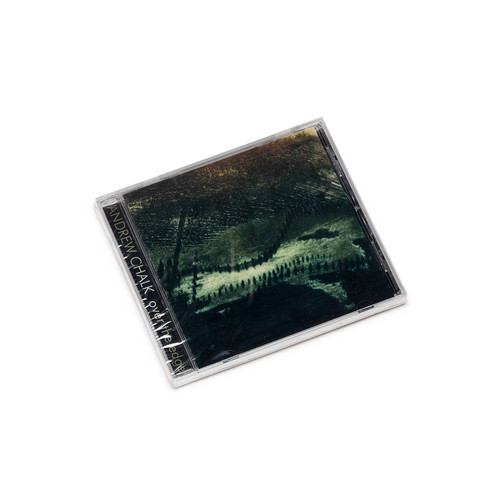
Over The Edges
*2022 stock* Andrew Chalk's Over the Edges was recorded in one day at Colin Potter's studio, using only two strings of an acoustic guitar played with an E-Bow. The results belie the simple sources, and the album is a rich drone texture which draws the listener into its sound world. All four tracks share a common language, a slightly buzzing, gently undulating drone in a lower register, often layered until the pitches grow together. But each track also has noticeable differences from the others. …
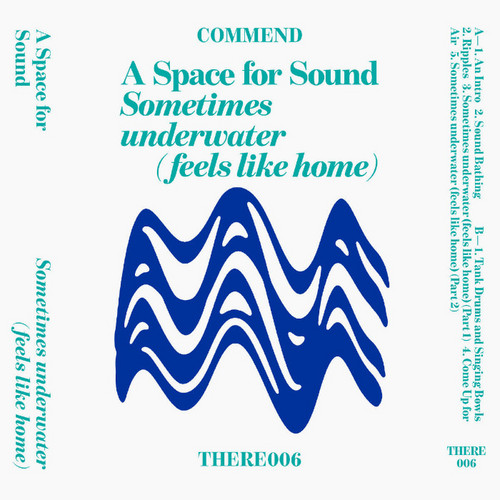
Sometimes underwater (feels like home)
Interdisciplinary artist and performer A Space for Sound's latest offering for Commend There, Sometimes underwater (feels like home), is an emotional release that enchants with its otherworldly tranquility. Drawing from a theme of water dealt with extensively across earlier works, the Brooklyn-based artist, real name Rena Anakwe, evokes images of misty rain, burbling ravines and the great depths of the ocean in her latest project. Composed over the course of two days on Anakwe's apartment floor,…
Morning Brings The Light
This album is about the micro world of a garden in a small coastal town. For two weeks either side of the 2021 summer solstice Kieran Mahon routinely made field recordings of his garden from pre-dawn until the first stirrings of people beginning their days. “After ending up with hours of recordings”, Kieran explains, “I then spent a long period listening and immersing myself in the environment - the ebb and flow, the subtle changes in atmosphere, the conversations between birds and insects, the …
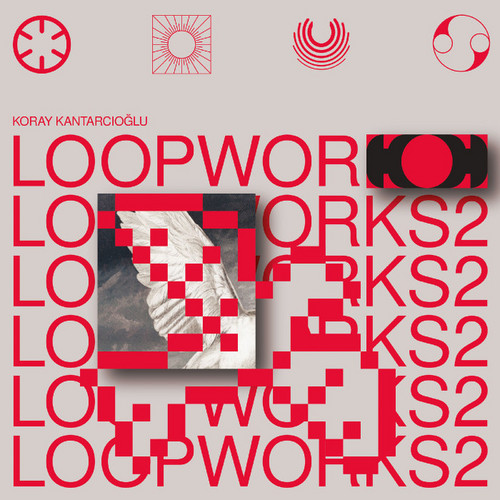
Loopworks 2
*300 copies limited edition. In process of stocking* Discrepant presents Istanbul based audio/visual artist Koray Kantarcıoğlu's follow-up to his debut album Loopworks (CREP59, 2018). Whilst the first volume used 60’s and 70’s Turkish records as it source material, Loopworks 2 expands the sampling pool to local records as well as snippets from 70's TV and 80's new age and jazz tapes. This disparate material is mangled and glued together with Koray’s very personal sampling techniques.
This result…
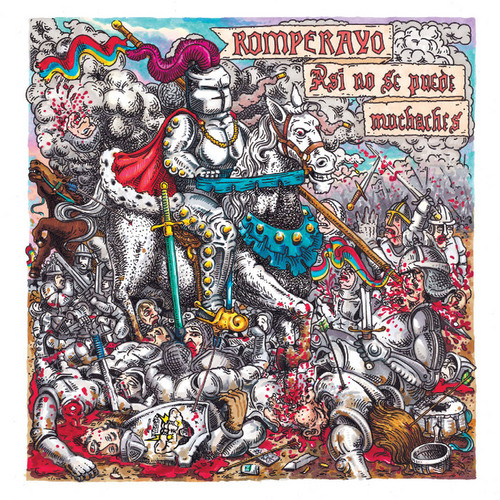
Así No Se Puede Muchaches
After two long sold out albums, Romperayo (Discrepant, 2015) and Que Jué? (Souk, 2019), Pedro Ojeda’s unique update on classic Colombian music returns for a full long player of future tropical instrumental tunes, heavy on the drum grooves mixed with slow, languid experimental interludes.
This is 21st century Colombian popular music taken to the next level by one of the most singular figures currently active on the Colombian scene. Romperayo’s, aka Pedro Ojeda (Los Pirañas, Chupame el Dedo) solo …
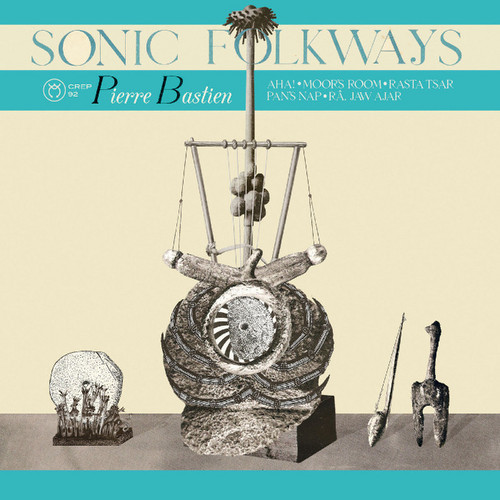
Sonic Folkways
By now counting more than four decades of constant activity, Pierre Bastien erected such a towering and influential body of work that any blurb attempt regarding his music could easily fall into redundancy. Not that his revolving soundworld, deeply personal and unique, has ever stalled into gimmick or self mimicry, being Bastien the tireless explorer whose vision can never be complete, only continuously redefined in a process of discovery equally playful and challenging. So, completely in touch …
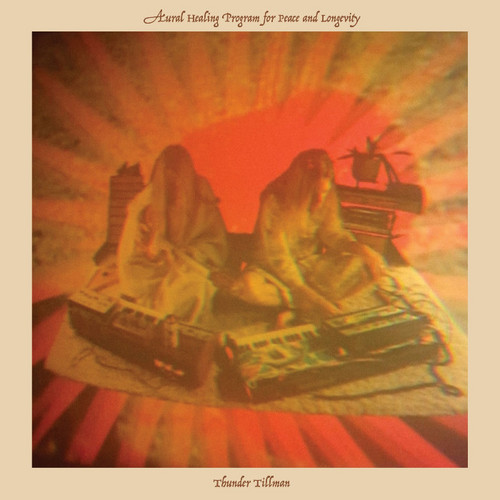
Aural Healing Program For Peace And Longevity
Swedish duo Thunder Tillman come together again in healing harmony to produce a much needed LP for troubled times. Thunder and his life coach Pony bring their spirits in sync for 40 minutes of improvised soundtracks for mental and physical wellbeing. Recorded on Stockholm’s Wind Island, the pair have carefully selected specimens from their collection of vintage musical paraphernalia to channel these specific vibrations for maximum healing power.
Side one is a gentle wake up call for the soul, wi…
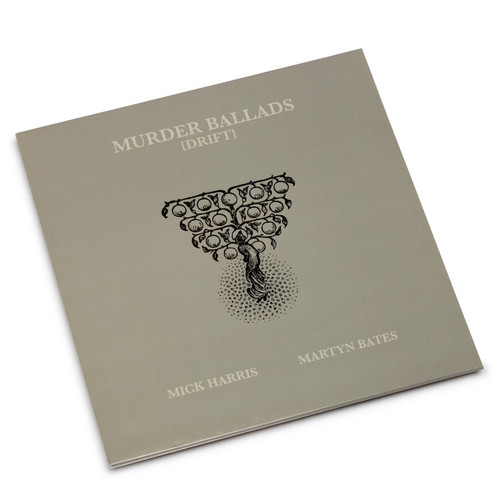
Murder Ballads - Drift
* 2022 repress * Rarely do two types of music meet on a level where they threaten to cancel each other outlet alone create something even more meaningful in their mutual vanishing. But the music created within the seminal Murder Ballads (Drift) by Martyn Bates (Eyeless in Gaza, & parallel solo career) and Mick Harris (Napalm Death, Lull, Painkiller, Scorn) creates just such a world. Murder Ballads (Drift) evolves Martyn Bates vocalisations / storytelling song-voices, by turns expressed as labyri…
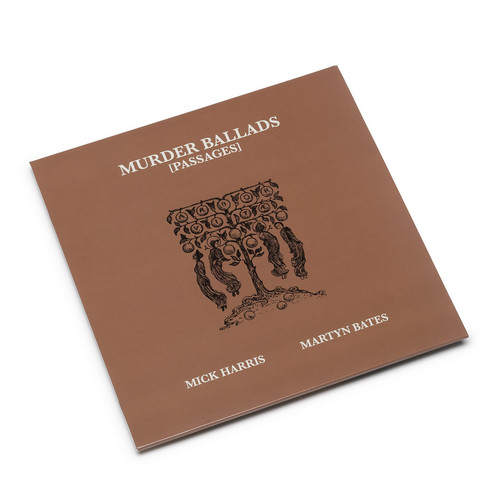
Murder Ballads (Passages)
Following Murder Ballads [Drift] (SR 506LP), here is, for the first time on vinyl, Murder Ballads [Passages]. Post-isolationist, deep ambiance, and folksong re-emerge in this first vinyl outing of the classic Murder Ballads [Drift] by Mick Harris and Martyn Bates. Rarely do two types of music meet on a level where they threaten to cancel each other out -- let alone create something even more meaningful in their mutual vanishing. But the music created within the seminal Murder Ballads [Drift] by …
Spectrum
'Spectrum is a continuation of my interest in the perception of time, and at the same time an acknowledgement of me being on the autism spectrum. I got diagnosed with this about 2 1/2 years ago, which was quite the shock for me at that moment. But in the past 2 1/2 years I have learned so much about this.
This album, with my interest in minimalism, opposed to bombastic music, is a form to embrace my autism and to accept it as it is. I didn't change as a person, but I do know myself better. The m…
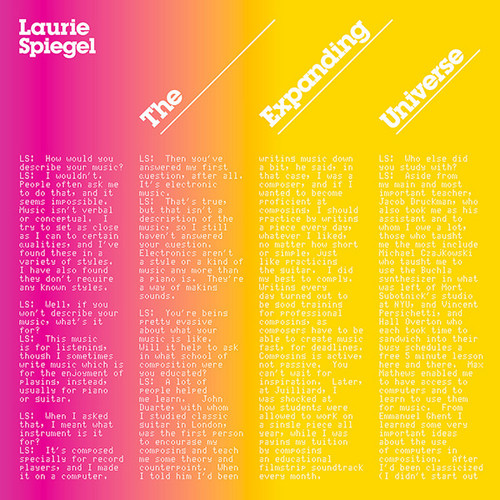
The Expanding Universe
2022 Repress, in process of stocking. The Expanding Universe is the 1980 debut album by composer and computer music pioneer Laurie Spiegel. The original album is reissued here as a massively expanded 3LP or 2CD set, containing all four original album tracks plus an additional 15 tracks from the same period, nearly all previously unreleased and many making their first appearance on vinyl in this brand new 2018 edition. Since this album’s first reissue in 2012, it has gone on to be widely establis…
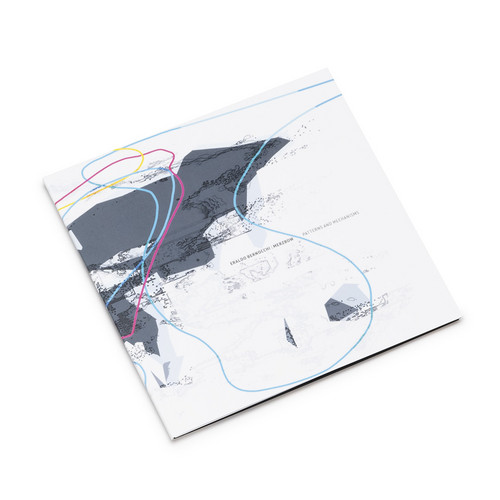
Patterns and Mechanisms
** Edition of 300 ** "Patterns and Mechanisms", Eraldo Bernocchi and Merzbow's first album together, was written and recorded during the lockdown. Both artists exchanged audio files and ideas fascinated by the phenomenon of urban wildlife where wild animals decide to relocate, or establish home in our cities, the album is just two long pieces. Despite being dense and noisy, "Patterns and Mechanisms" has a 'melodic' approach to composition, with Merzbow's noise assault conjugating with Bernocchi'…
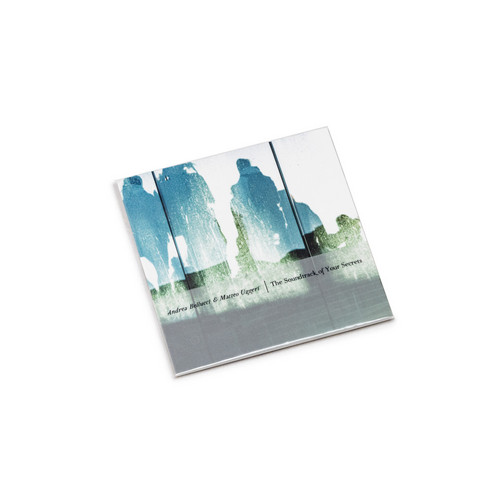
The Soundtrack of Your Secrets
Born and grown over the past two years, built on Bellucci's piano and Uggeri's sounds and beats, "The Soundtrack of Your Secrets" is a work that penetrates inside the soul of anyone willing to let go. Unreservedly, without any limits. Until we are naked... looking inside ourselves. Deep inside.
"Ten lines to tell what goes on in here. Ten lines to find words for it all: for each of the panorama of shadows and color, for each of the thunderstorms of noise and sound and electric shocks, for this b…
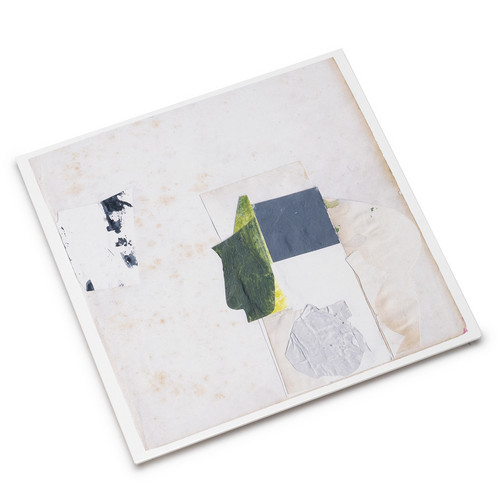
Everything Perfect Is Already Here
When words trail off at the beginning of Claire Rousay’s “Everything perfect is already here,” ornate instrumentation is waiting to fill a void left by the breakdown of language. Yet it becomes clear as we trace rousay’s collaged sonic pathway that breakdown, of meaning and also of melody, is also a place to rest. everything perfect… is made up of two extended compositions that cycle between familiarity and unknowing. There are seemingly infinite ways to feel in response to these pieces of music…
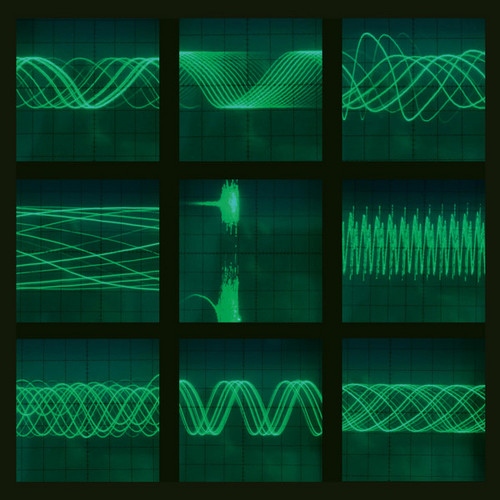
Distant Symphony
New album by the Berlin-based musician, composer and producer Midori Hirano aka MimiCof, entirely recorded using the EMS SYNTHI100 at Electronic Studio Radio Belgrade during an artist residency: contemporary electronic music / ambient for the advanced listener.