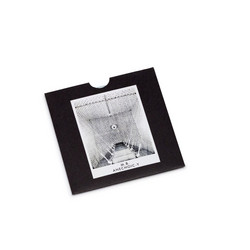
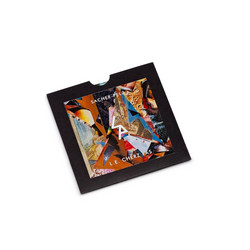
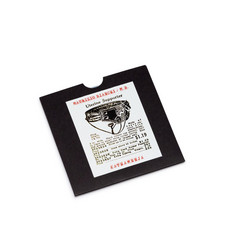
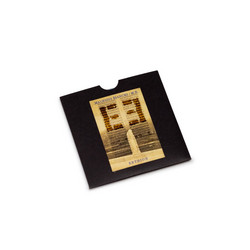
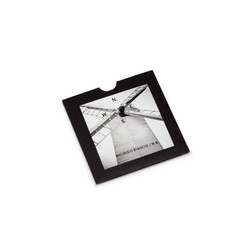
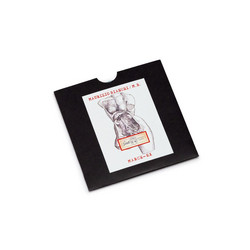
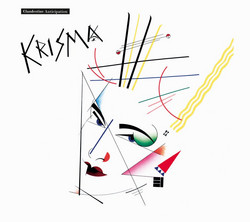
The tracklist - from “Miami” and “Samora Club” through “Crucial Point”, “Melonarpo”, “Silly Europeans”, “Wrong Island”, “Opposite”, “Water” and the final “Zacdt Zacdt” - traces a journey where each stop feels more unstable than the last. “Miami” opens with a slow, sticky groove, half Balearic mirage and half cold-war threat, setting the tone for an album that never entirely decides whether it’s on holiday or in danger. “Crucial Point” bends neo–Italo disco into a tense, angular funk, while “Melonarpo” edges toward avant‑industrial collage, trading sing‑along hooks for metallic clatter and fragmented structure. By the time “Silly Europeans” arrives, Krisma are essentially previewing darkside progressive electro‑dance years before that language existed, and “Wrong Island” folds hip‑hop‑heavy beat thinking into their lineage in European dance music long before samplers and DAWs made such hybrids commonplace.
What makes Clandestine Anticipation feel so singular is the way it uses pop form as a Trojan horse for something stranger. Reviewers have praised it as a pioneering work of electronic and avant‑garde pop, noting how it thins out the “Italo‑disco” gloss of the period in favour of skeletal beats, processed vocals, and an almost documentary attention to ambient sound. The closer “Zacdt Zacdt” distils this approach: over a stop‑start bassline, Christina intones “Ready to defend the third world,” gradually reducing the phrase to guttural fragments while Maurizio unspools and recombines electronic dance strategies that would only fully surface in later decades. The album doesn’t shout its politics, but the juxtaposition of tropical imagery, third‑world references, and European media cool creates a subtle critique of the way the West consumes both landscapes and crises through screens.