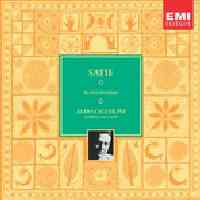
Aldo Ciccolini, Erik Satie
Satie (LP)
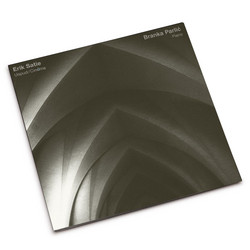
** 2026 Stock ** Satie is the point where Erik Satie’s so‑called “furniture music” stops being background and becomes a way of listening to the world. In these recordings, Aldo Ciccolini approaches Satie not as a quirky footnote to Debussy and Ravel but as a composer who quietly rewired 20th‑century music from the inside. The repertoire typically centres on the iconic cycles - Trois Gymnopédies, Trois Gnossiennes and companion pieces like the Nocturnes and Trois morceaux en forme de poire - works whose apparent simplicity can collapse under too much weight or sentiment. Ciccolini instead finds a middle path: his sound is luminous but never sugary, his pedalling discreet, his tempo choices flexible enough to let every phrase “speak” without breaking the underlying calm.
What makes these interpretations endure is the sense of scale. Satie’s pieces are often short, built from repeating cells and bare melodic lines, yet Ciccolini plays them as if each one contained its own climate system. The famous first Gymnopédie doesn’t drift; it walks, with a gentle inevitability that lets the dissonances glow and fade like afterimages. In the Gnossiennes, he leans into the music’s occult, inward side without resorting to mannerism, treating Satie’s whimsical performance indications (“arm yourself with clairvoyance”, “bury the sound”) as cues for colour and touch rather than as theatrical gimmicks. The result is music that feels strangely modern - closer to ambient and minimalism than to salon repertoire - yet always grounded in the physical fact of hammers on strings.