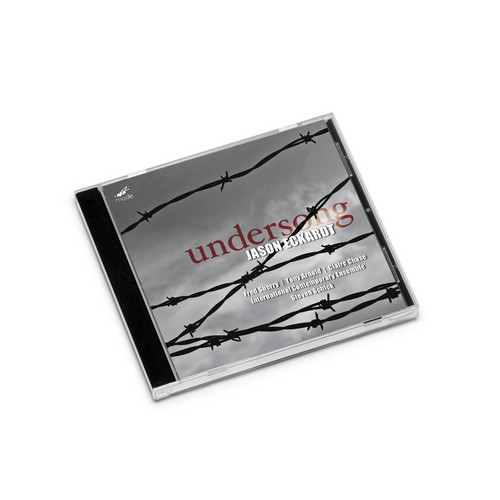
Undersong
Jason Eckardt's Undersong cycle, built around Laura Mullen's text, with A way [tracing], 16, Aperture and The Distance (This), played by Fred Sherry, Claire Chase, Tony Arnold and the International Contemporary Ensemble under Steven Schick.
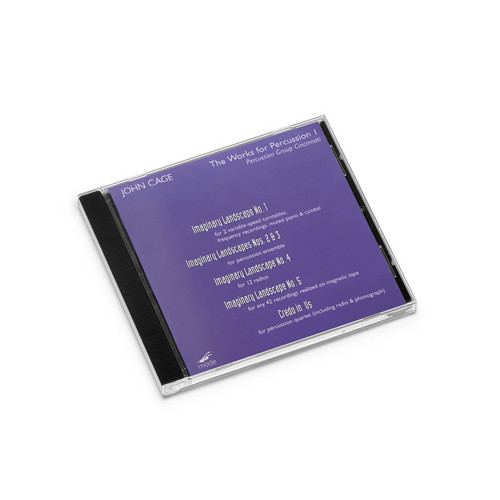
The Works for Percussion I
The complete Imaginary Landscapes 1-5 and Credo in US by John Cage, with radios, phonograph records and percussion, played by Percussion Group Cincinnati in the first volume of the Mode Cage percussion works.
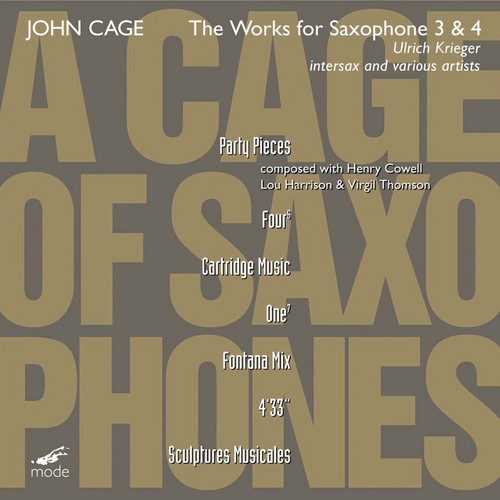
The Works For Saxophone 3 & 4
Two CDs of John Cage works for saxophones and other instruments, played by Ulrich Krieger and Intersax, including the only available recording of Party Pieces, written with Cowell, Harrison and Thomson.
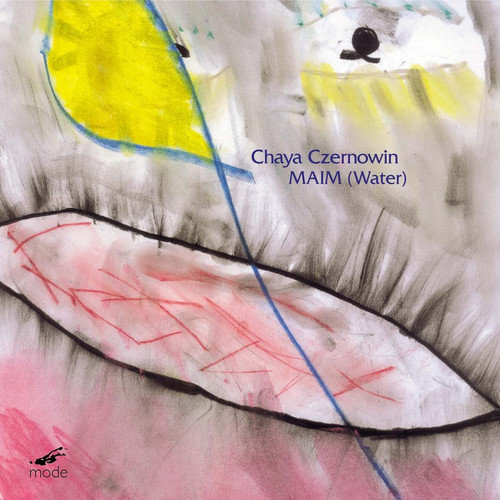
Maim (Water)
Chaya Czernowin's Maim (Water), a 50-minute orchestral triptych with five soloists (tubax, oboe and musette, piano and harpsichord, guitars, viola) and live electronics, played by the Konzerthausorchester Berlin under Johannes Kalitzke.
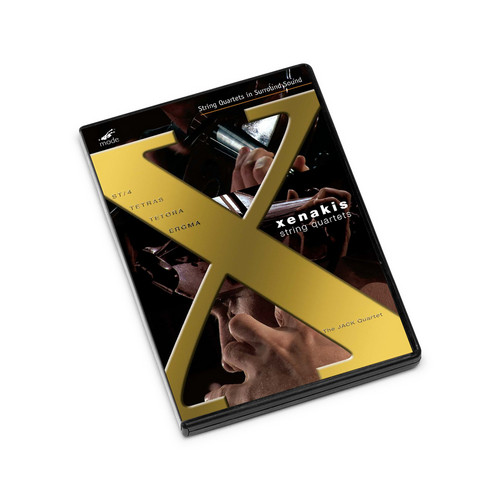
Complete String Quartets
Xenakis Edition volume 10 and the first complete recording of Iannis Xenakis's string quartets, played by the JACK Quartet: Tetras, Tetora, ST/4-1,080262 and Ergma, the last quartet, released on CD and surround-sound DVD.
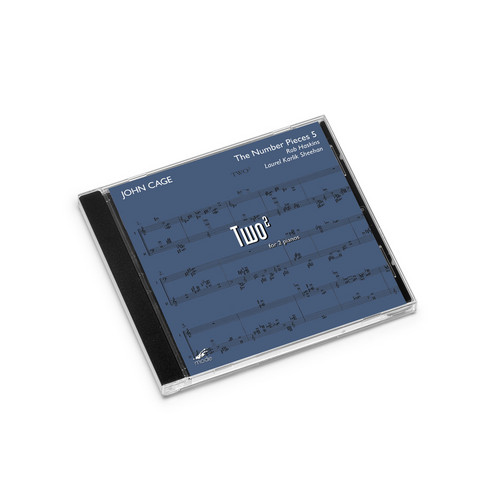
The Number Pieces 5 - Two2
John Cage's Two2 (1989) for two pianos, a renga-based number piece built on time brackets, played in a 74-minute performance by Rob Haskins and Laurel Karlik Sheehan, from the Complete John Cage Edition.
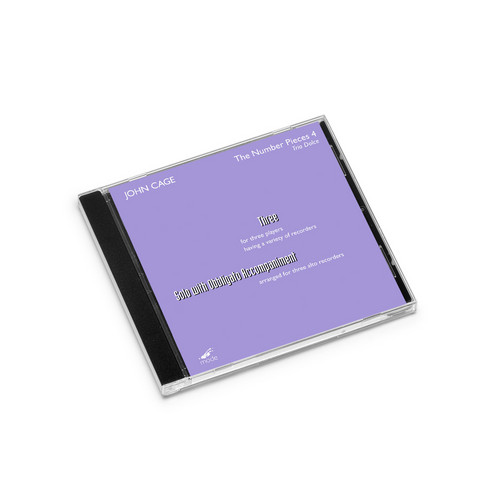
Number Pieces 4
First recording of John Cage's Three (1989) for three recorder players, with his early Solo with Obbligato Accompaniment of Two Voices in Canon (1933-34), performed by Trio Dolce. The Number Pieces 4.
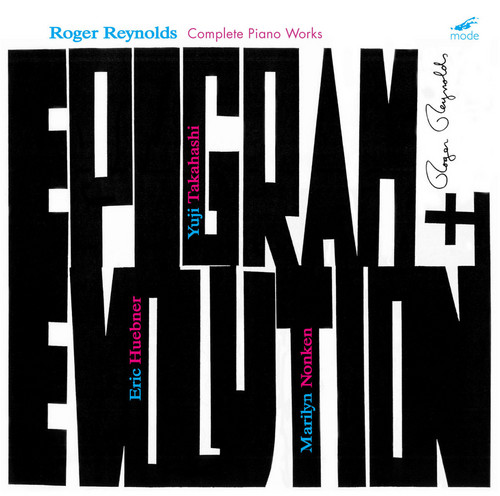
Epigram And Evolution: Complete Piano Works
Complete piano works by Roger Reynolds on two CDs, from Epigram and Evolution (1960) to The Angel of Death (1998-2001), played by Yuji Takahashi, Eric Huebner and Marilyn Nonken, with new recordings and remastered analog reissues.
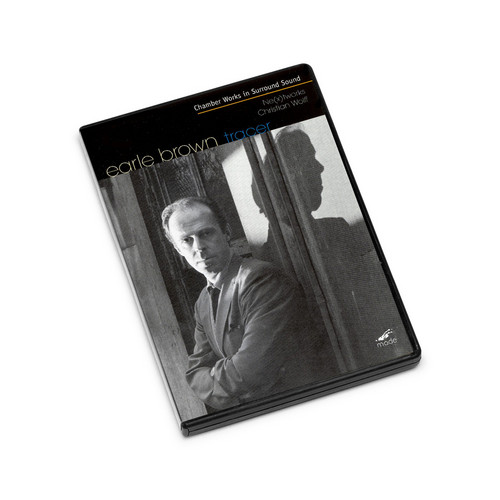
Tracer - Chamber Works 1952-1999
Chamber works by Earle Brown from 1952 to 1999, from Folio and Four Systems to Tracer, with Christian Wolff and Joan La Barbara among the performers and the tape piece Octet in a new transfer.
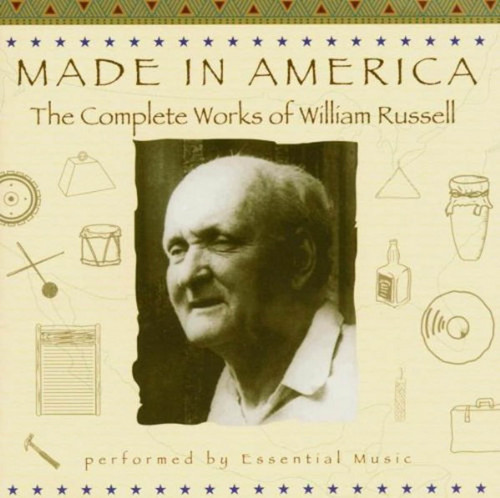
Made In America: The Complete Works Of William Russell
The first complete recording of William Russell's percussion ensemble works of the 1930s and 1940s, including Ogou Badagri, Three Cuban Pieces and a Trumpet Concerto, played by Essential Music. Released in 1993.
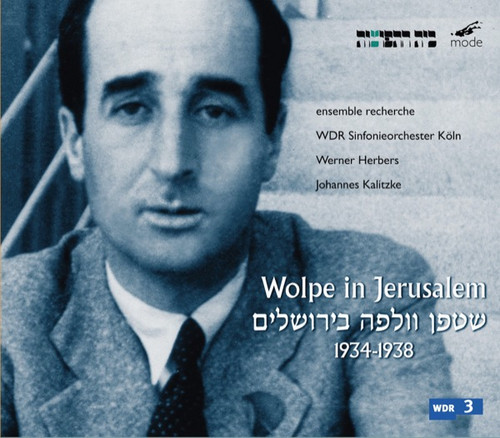
Wolpe in Jerusalem
Stefan Wolpe's music from his Jerusalem years, 1934-38, including three world premiere recordings, played by ensemble recherche and the WDR Symphony Orchestra under Werner Herbers and Johannes Kalitzke.
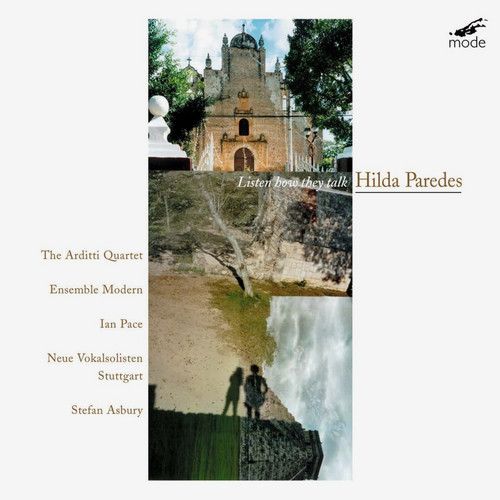
Listen How They Talk
Chamber music by Mexican composer Hilda Paredes, 1998-2001, drawing on Mayan language and culture: works for string quartet, piano quintet, 21 musicians and vocal quartet, with the Arditti Quartet and Ensemble Modern.
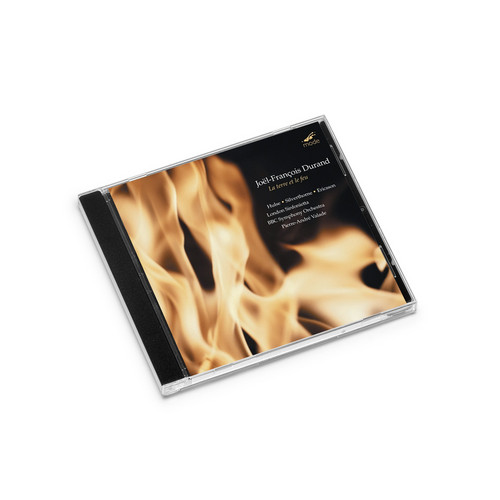
La Terre et le Feu
Composer-supervised first recordings of Joël-François Durand's music on the four elements: La terre et le feu for oboe and ensemble, Les raisons des forces mouvantes for organ, La mesure des choses III and Athanor for orchestra.
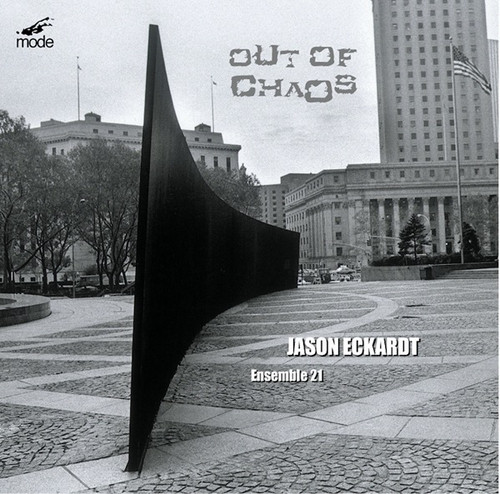
Out of Chaos
The first complete CD of music by New York composer Jason Eckardt: four first recordings, After Serra, Tangled Loops, A Glimpse Retraced and Polarities, played by Ensemble 21, saxophonist Taimur Sullivan and pianist Marilyn Nonken.
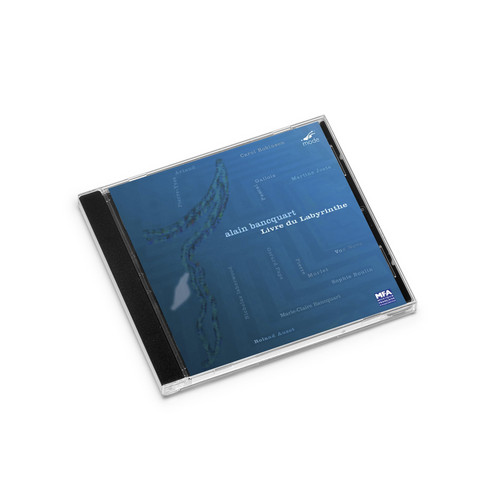
Labyrinthe de Minotaur
Alain Bancquart's large-scale microtonal cycle on the myth of the Minotaur, on texts by Marie-Claire Bancquart, recorded at its world premiere of the complete version at Radio France on 27 May 2000.
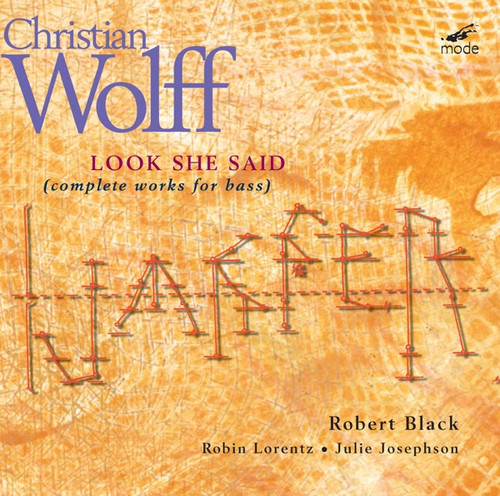
Look She Said (Complete Works For Bass)
Christian Wolff's complete works for bass, played by Robert Black under the composer's supervision: Look She Said, Jasper (with violin), String Bass Exercise out of Bandiera Rossa, Dark as a Dungeon (with trombone) and Untitled for electric bass-guitar.
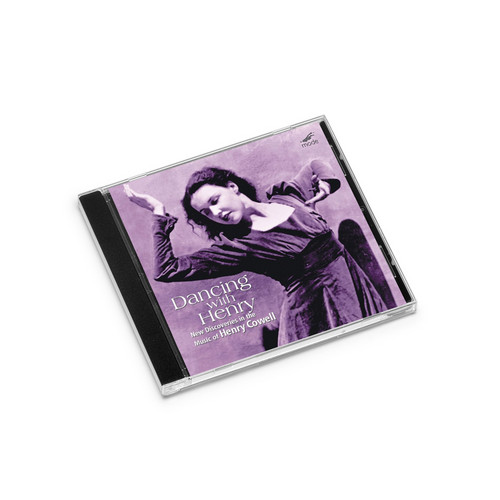
Dancing With Henry
Mostly first recordings of Henry Cowell's music written for dance, many from unpublished manuscripts, including Atlantis, the Ritournelles from Marriage at the Eiffel Tower, Sound Form No. 1 and the Suite for Woodwind Quintet.
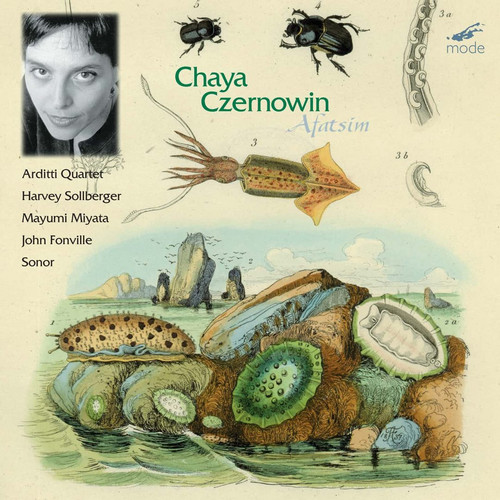
Afatsim
The debut recording of Israeli-born composer Chaya Czernowin: five chamber works from 1988 to 1996, including a string quartet and Afatsim for nonet, played by Sonor, the Arditti Quartet and Japanese and American soloists.
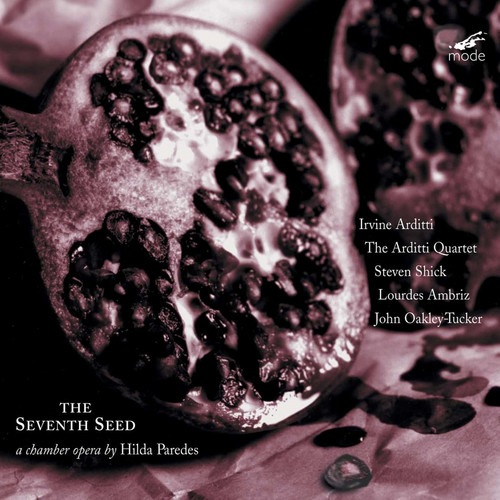
The Seventh Seed
Hilda Paredes's chamber opera The Seventh Seed, on the Persephone legend to a libretto by Karen Whiteson, recorded with the Arditti Quartet and Steven Schick, plus two realizations of Permutaciones for solo violin played by Irvine Arditti.
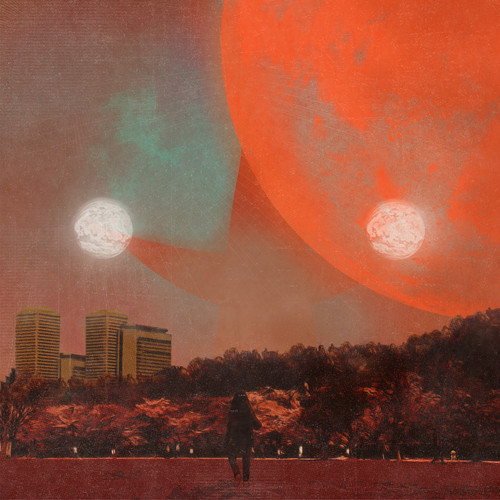
I, Castorpollux
Osaka-born and New York-based pianist Erika Dohi is a multi-faceted artist with an eclectic musical background. From highly polished traditional classical to bold improvisation, she is a dynamic performer whose timeless style and unidiomatic technique sets her apart in contemporary NYC avant-garde circles. Dohi’s vast repertory is impressive, but what makes her truly such a barrier-defying artist is what lies ahead. I, Castorpollux, Dohi’s debut solo album, is a profound personal excavation set …