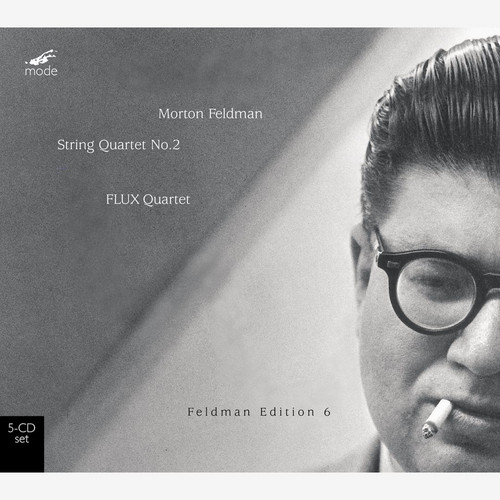
String quartet N°2
Morton Feldman's String Quartet No. 2, a continuous work of more than six hours, played by the Flux Quartet, in a deluxe DVD-audio edition with liner notes by Christian Wolff and Flux founder Tom Chiu.
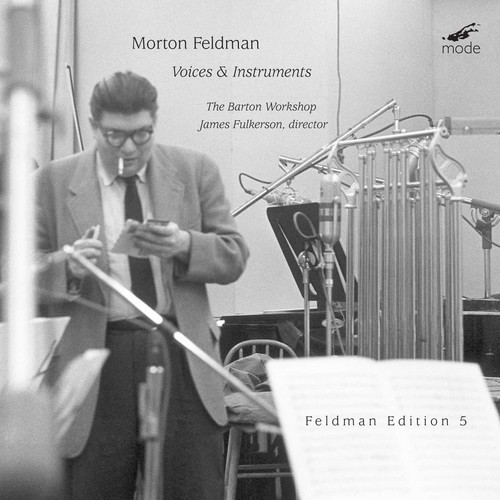
Voices and instruments
Feldman works for voices and instruments from 1949 to 1971, three of them first recordings, including Journey to the End of Night, The O’Hara Songs and Four Instruments, played by The Barton Workshop.
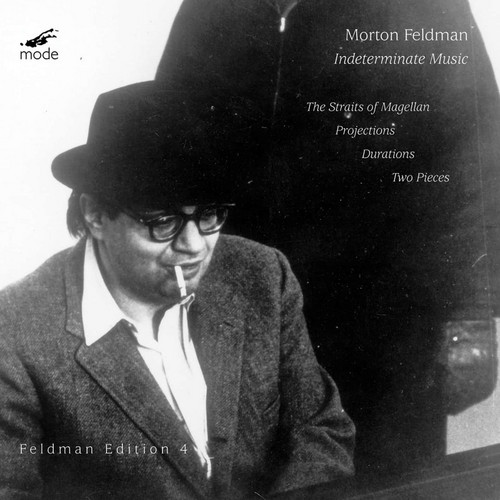
Indeterminate music
Feldman's indeterminate works: the complete Projections and Durations series on one disc, the first recording of Two Pieces for Six Instruments, and The Straits of Magellan, played by pianist Philipp Vandré and the Turfan Ensemble.
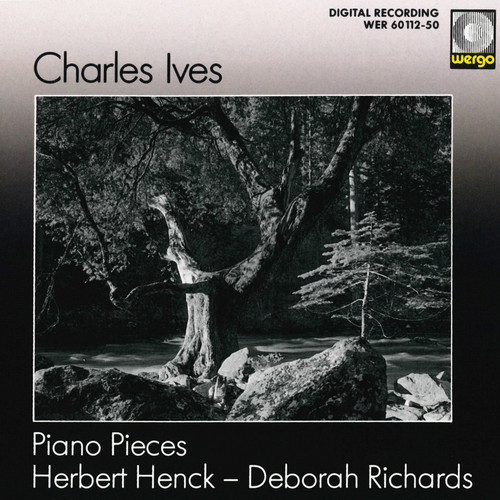
Piano Pieces
Charles Ives's shorter piano pieces, from Study No. 20 to the Three Quarter-tone Pieces for Two Pianos, played by Herbert Henck with Deborah Richards. Recorded July 1984 at the Bayerischer Rundfunk, Munich.
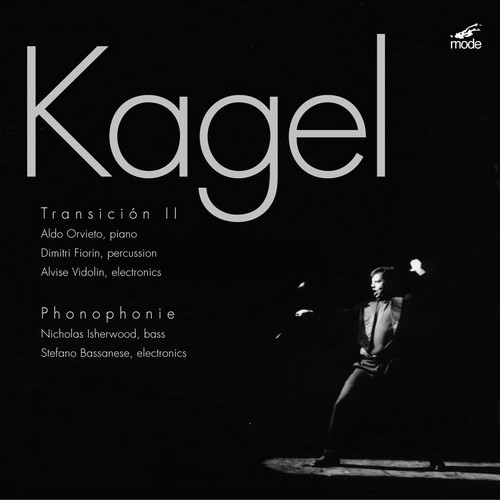
Transición II. Phonophonie
First recordings, supervised by the composer, of two early works by Mauricio Kagel: Transición II (1958-59) for piano, percussion and tapes with live electronics, and Phonophonie (1963-64), four melodramas for two voices and other sound sources.
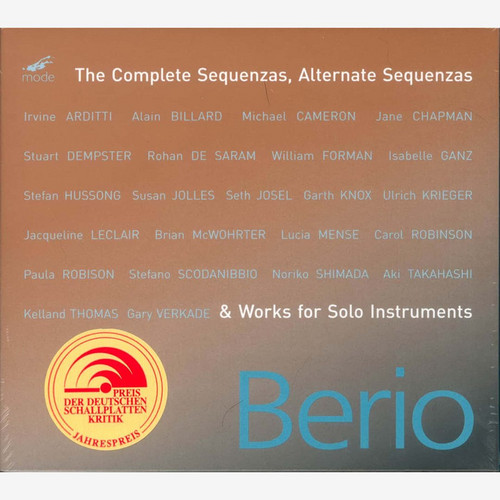
The Complete Sequenzas, Alternate Sequenzas
The first complete recording of Luciano Berio's Sequenzas for solo instruments, with the alternate versions and nine further solo works, on four CDs with verses by Edoardo Sanguineti and a 104-page book.
Interrupteur/Tautologos 3
Luc Ferrari -- along with Pierre Schaeffer, Pierre Henry, François Bayle, and others -- is one of the pioneers of the particular style of tape music known as 'musique concrète'. More significantly, he must be counted as one of the most complexly, most idiosyncratically compelling of post-War composers. Ferrari has time and again ranged far afield of musique concrète, and Interrupteur/Tautologos 3 is one such foray into instrumental music. But what a setting-forth! Mon dieu! These particular real…
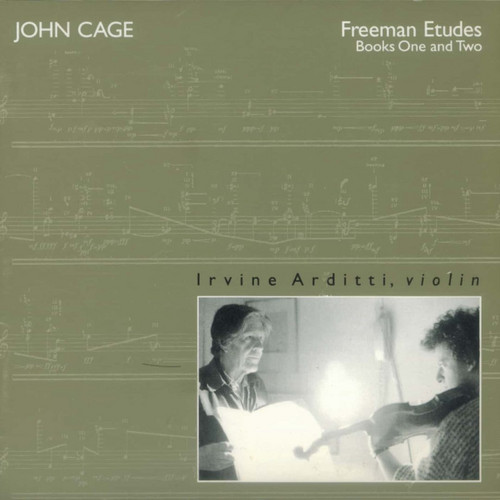
Freeman Etudes, Books One and Two
John Cage's Freeman Etudes, Books 1 and 2 (the first sixteen etudes for solo violin), played by Irvine Arditti at blistering speed under the composer's supervision.
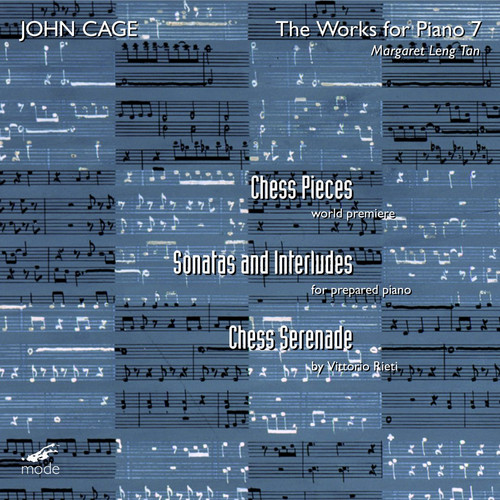
The Piano Works 7 - Chess Serenade
First recording of John Cage's Chess Pieces (1944), rediscovered in a painting and transcribed by Margaret Leng Tan, with her recording of Sonatas and Interludes and the first recording of Vittorio Rieti's Chess Serenade.
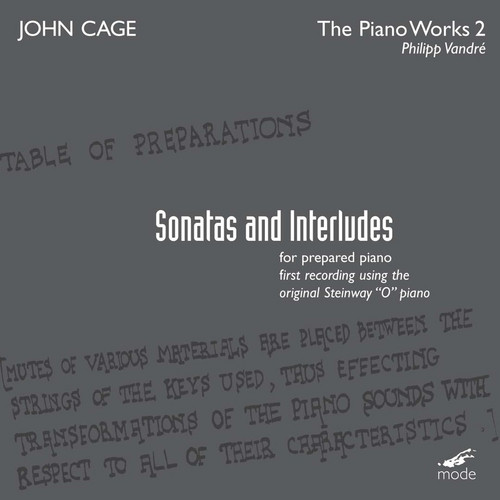
The Piano Works 2 - Sonatas And Interludes For Prepared Piano
John Cage's Sonatas and Interludes for prepared piano played by Philipp Vandré, the first recording on a Steinway “O”-type baby grand, the piano Cage composed on, with corrections to discrepancies in the printed score.
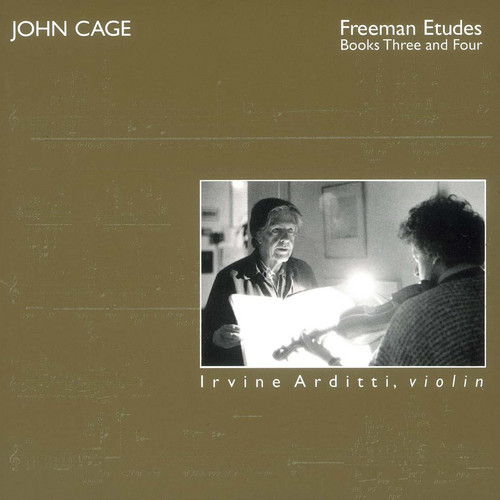
Freeman Etudes, Books Three And Four
First recording of the second half of John Cage's Freeman Etudes for violin, Books Three and Four, played by Irvine Arditti, the second release in his traversal of Cage's complete violin works for Mode. Released 1989.
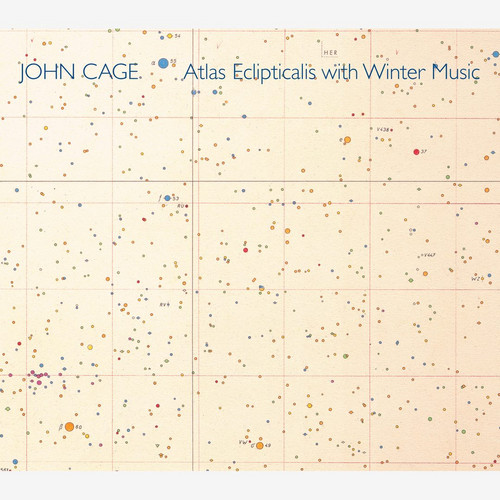
Atlas Eclipticalis With Winter Music
Two live 1983 performances of John Cage conducting Atlas Eclipticalis with Winter Music at Seattle's Cornish Institute, first issued on LP in 1986, with a bonus disc of the 86-part Atlas Eclipticalis and Winter Music for 20 pianos.
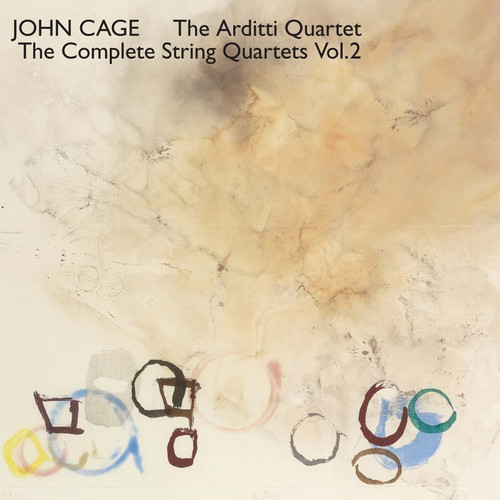
Complete string quartets, volume 2
Two string quartets by John Cage played by the Arditti Quartet: String Quartet in Four Parts (1949-50), in a new recording, and Four (1989), a first recording written for the ensemble. Composer-supervised sessions.
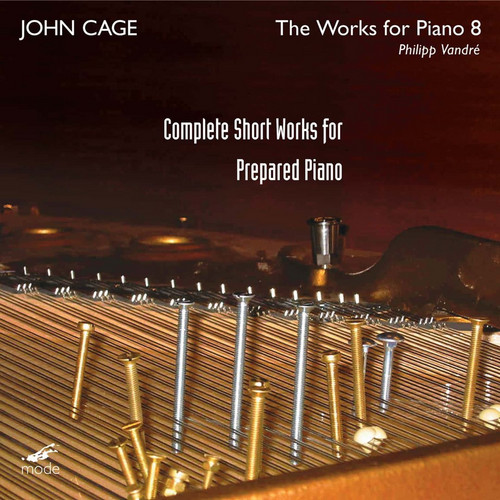
Complete Short Works for Prepared Piano
All of John Cage's short works for prepared piano on two CDs, everything except Sonatas and Interludes, played by Philipp Vandré.
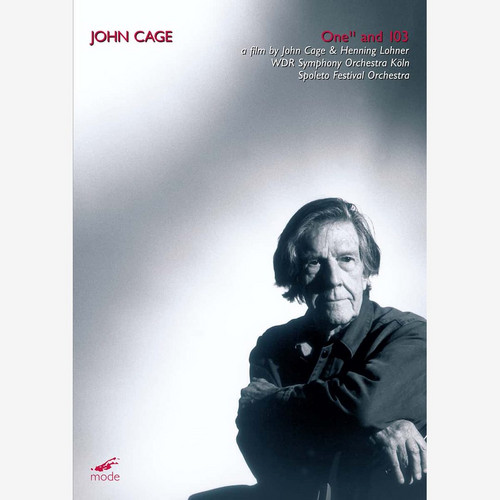
One11 And 103
First commercial release of John Cage's only major film, One11 (1992), directed by Henning Lohner, with the orchestral work 103 as soundtrack in two performances (WDR Sinfonieorchester Köln, Spoleto Festival Orchestra), plus a documentary and an interview.
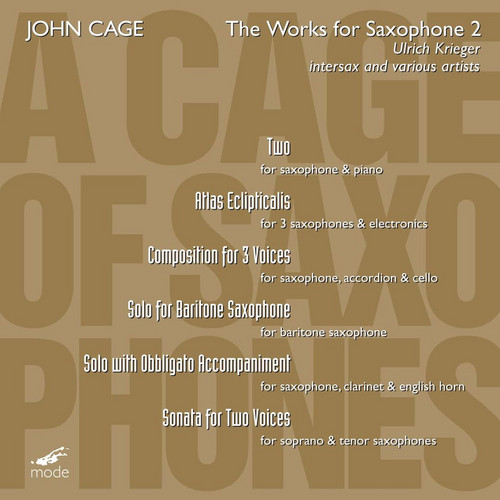
A Cage of Saxophones 2
Second volume of John Cage works for saxophones, played by Ulrich Krieger and his ensemble: early pieces of unspecified instrumentation, saxophone parts drawn from Atlas Eclipticalis and Concert for Piano and Orchestra, and the first saxophone version of Two.
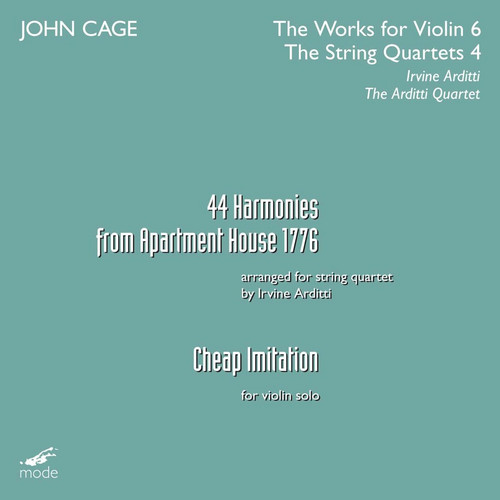
44 Harmonies from Apartment House 1776
First recording of all 44 Harmonies from Cage's Apartment House 1776, arranged for string quartet by Irvine Arditti and played by the Arditti Quartet, with Arditti's solo violin performance of Cheap Imitation.
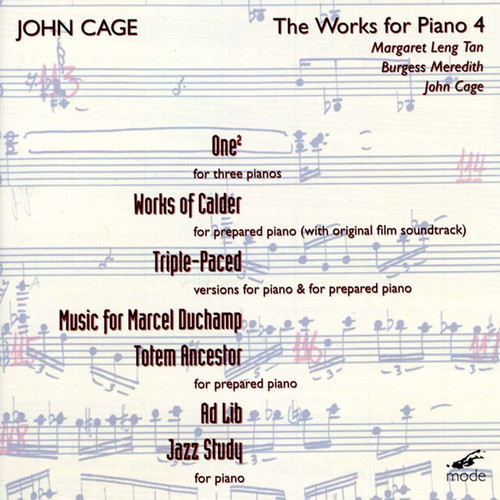
The Works for Piano 4
Piano works by John Cage played by Margaret Leng Tan: 1940s pieces found at his publisher including Triple-Paced, Ad Lib and Jazz Study, the Works of Calder film score, and One2 for three pianos.
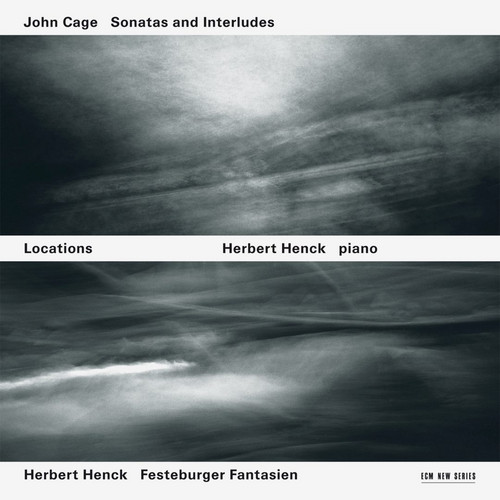
Locations - John Cage: Sonatas and Interludes / Herbert Henck: Festeburger Fantasien
Herbert Henck plays John Cage's Sonatas and Interludes for prepared piano and his own improvised Festeburger Fantasien (two series), recorded at the Festeburgkirche, Frankfurt, in August 1993 and August 2000.