Back in stock
Fino Alla Strada Vecchia
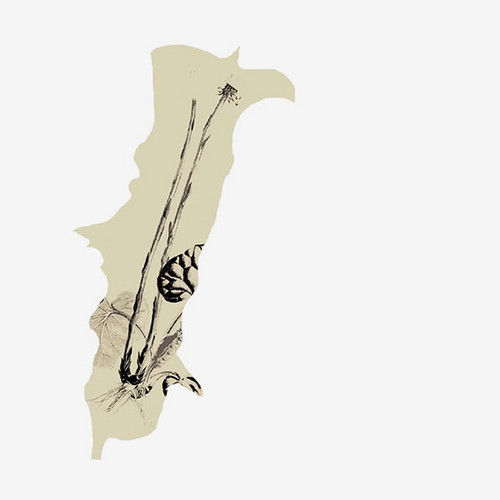
**100 copies** Daksina is a new label rising from the ashes of the glorious Kelippah. Run by Pat Murano a.k.a. Decimus, also member of the No-Neck Blues Band.Following two LPs released back in May 2019, here comes two new releases which are available as extremely limited vinyl LPs housed in beautiful covers silkscreened by Alan Sherry at Siwa Prints on 12"x24" folded cardstock.No-Neck Blues Band's Fino Alla Strada Vecchia (Up To the Old Road) includes two side-long tracks recorded in Marseille i…
Une Autre Version de Territory
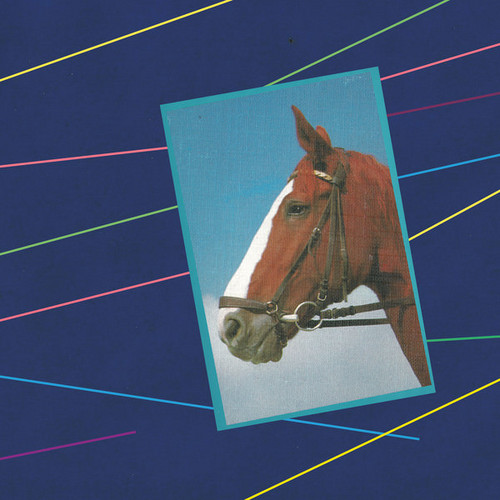
On of the latest release on the ever-excellent Standard In-Fi (the imprint run by France's Jeremie Sauvage), with the help of Mental Groove, is this incredible beaturing double bass, lapsteel, bagpipes, guitar, violin, percussions... With musicians also playing in bands such as Toad, France, Sourdure or Abat. Far-out instrumental stuff with killer sound
Volatil
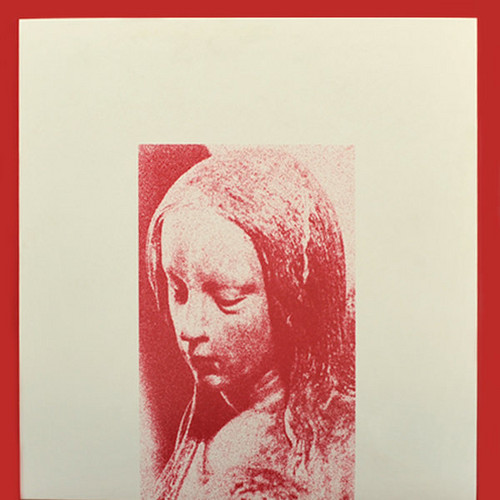
**150 copies copies, Silkscreen printed thick folder cover with stamped label** Faune is a duo featuring Guilhem Lacroux (Toad, La Baracande, Tanz Mein Herz) on guitar and lapsteel as well as Jacques Puech (Jericho, Duo Puech-Gourdon ...) on voice, bagpipes, shruti box and glass harmonica. The traditional themes they play are solely taken from the Cantal territory (Auvergne), a very rich and diversified area in terms of musical heritage. Both musicians here aim for a minimal approach, using thei…
Auto-Da-Fé
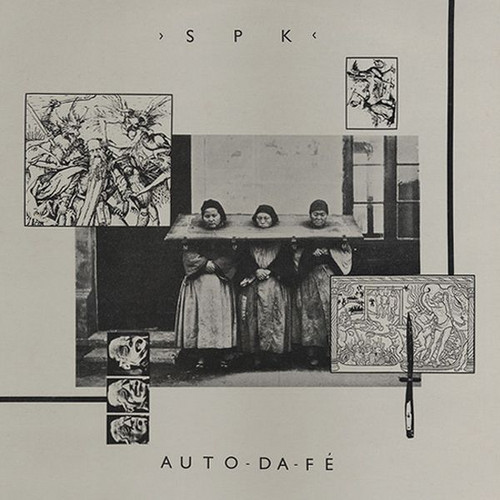
* Second press with grey cover. Includes a postcard with the tracklist printed on it * "The first side of Auto-Da-Fé consists of singles dating back to before the release of Information Overload Unit, while the second side is post-Leichenschrei, but pre-Machine Age Voodoo material. With early material vacillating between noisy textures and punk trappings, and the later tracks showing hints of their synth-pop direction, there's a definite dichotomy here, but both halves excel greatly in what they…

Pearls From the River
VHF presents the first time on vinyl for Pearls From the River, the all acoustic epics album from the “classic” Pelt trio lineup of Jack Rose, Mike Gangloff and Patrick Best. Recorded in a single March 2003 session in Virginia by Mikel Dimmick, this was a superb distillation of their interests at the time (both alone and together —Rose’s first solo records, the emergence of the Black Twigs as a busy working band, etc). Up the North Fork is a trio for banjo, baritone banjo, and cello —after the s…
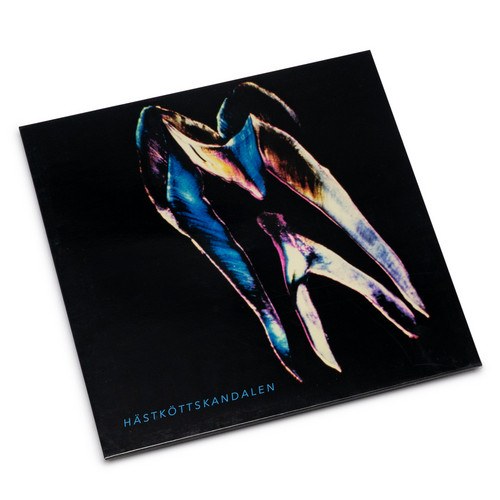
Spacegirls
Hästköttskandalen is happy to announce the release of their debut vinyl record “Spacegirls”, 40 minutes of live improvised music recorded in a disbanded morgue and released on Fylkingen Records on February 16, 2015. The release concert is co-organized with Titwrench Stockholm and takes place at Fylkingen (Torkel Knutssonsgatan 2, Stockholm) on February 16th at 20:00.Hästköttskandalen (HKS) is an audiovisual quartet comprised of Swedish and American composers and musicians (Ellen Arkbro, Marta Fo…
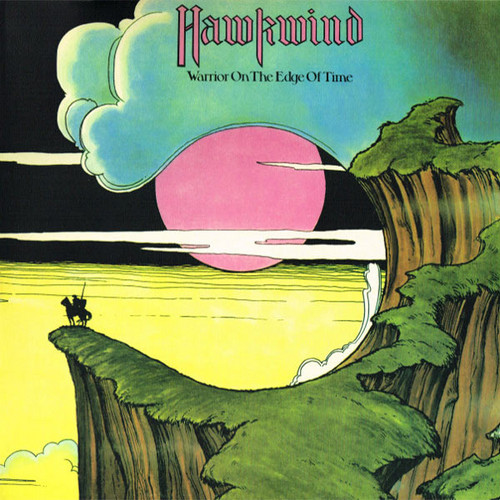
Warrior On the Edge of Time
"Hawkwind's fifth studio album found the band enjoying a rare oasis of stability after the multitudinous personnel shifts of the past five years. Only the recruitment of a second drummer, Alan Powell, disturbed the equanimity of the lineup that created the previous year's Hall of the Mountain Grill, although it would soon be time to change again. By the end of the year, bassist Lemmy had departed, vocalist Robert Calvert had rejoined, and the group's career-long relationship with United Artists …
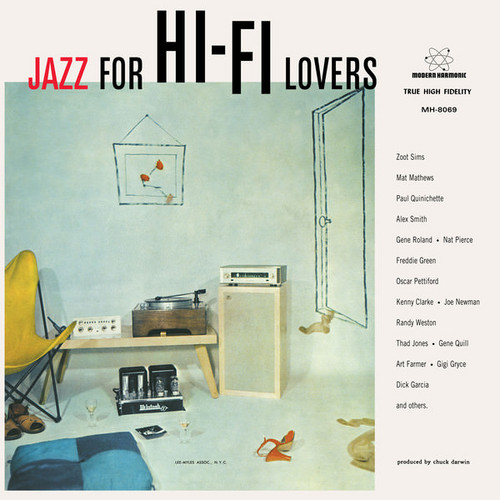
Jazz For Hi-Fi Lovers
A smart set of fine beat-era jazz, beautifully programed and compiled for the hi-fi in your home! Includes some of the top players of the era- Zoot Sims, Paul Quinichette, Gene Roland, and others- in selections suited for a swingin’ starlit session! ”Start Here,” says it all as this both the perfect way to start this LP and the perfect way to start your jazz collection! From the distinctive style and touch of Randy Weston on the keys, to the tenor tones Paul Quinichette blows, these are the trac…
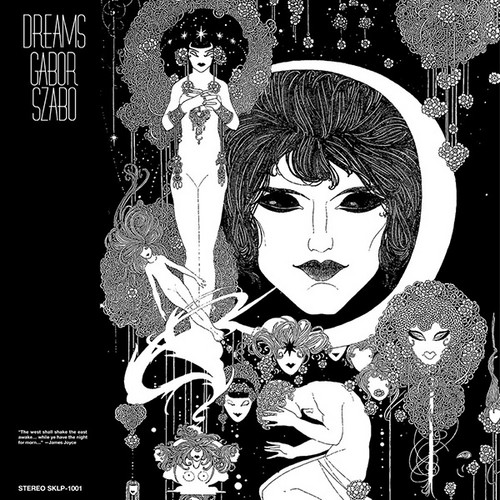
Dreams
Gabor Szabo was something of an irresistible force. His upbringing in Communist Hungary was difficult but edifying. Music was his escape. He grew up to be a man of strength with a fatal weakness. In his early years, he voraciously consumed all the exciting and exotic jazz sounds coming from the Voice of America broadcasts. By the time he fled Budapest in 1956 as the Russian tanks hit the streets, he was well versed in all styles of guitar playing including classical.It was his jazz virtuosity, h…

Bach To Moog
The iconic album Switched-On Bach by Wendy Carlos (originally released under the name of Walter Carlos) and Benjamin Folkman introduced the world to the Moog Synthesizer in the 1960s. It played a key role in popularizing Classical music performed on electronic synthesizers, which had until then been relegated to experimental and Pop music. Switched-On Bach was one of the first Classical albums to sell 500,000 copies. Commemorating the 50th anniversary of the Moog modular synthesizer, here's a br…
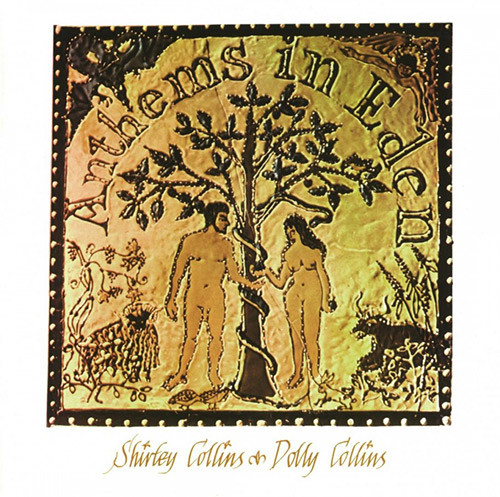
Anthems In Eden
Anthems in Eden is a 1969 album by Shirley and Dolly Collins, with the Early Music Consort of London, directed by David Munrow. The album originally consisted of a 28-minute set of folk songs plus seven other individual pieces performed by the same group. The musical arrangements for these eight pieces included early music instruments, such as viols, recorders, sackbuts and crumhorns.Track one is a suite, "A song-story", lasting 28 minutes, 7 seconds and is the centrepiece of the album. This is …
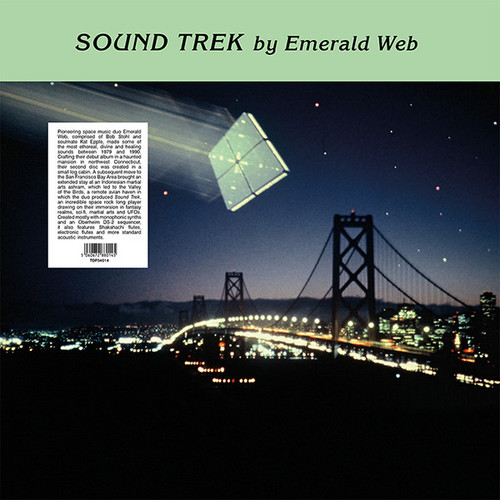
Sound Trek
Pioneering space music duo Emerald Web, comprised of Bob Stohl and soulmate Kat Epple, made some of the most ethereal, divine and healing sounds between 1979 and 1990. Crafting their debut album in a haunted mansion in northwest Connecticut, their second disc was created in a small log cabin.
A subsequent move to the San Francisco Bay Area brought an extended stay at an Indonesian martial arts ashram, which led to the Valley of the Birds, a remote avian haven in which the duo produced Sound Trek…
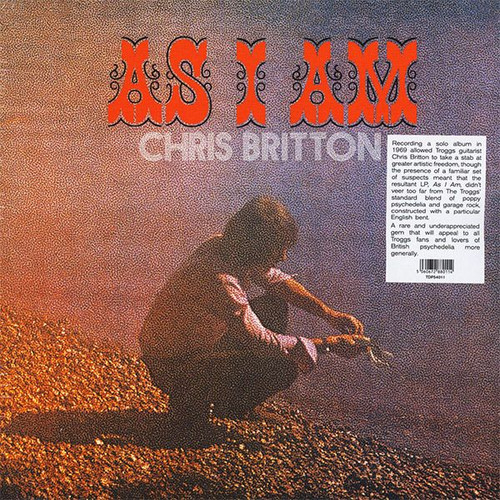
As I Am
Recording a solo album in 1969 allowed Troggs guitarist Chris Britton to take a stab at greater artistic freedom, though the presence of a familiar set of suspects meant that the resultant LP, As I Am, didn’t veer too far from The Troggs’ standard blend of poppy psychedelia and garage rock, constructed with a particular English bent. Producer and keyboardist Colin Frechter shaped the group’s Mixed Bag release, and his wistful harpsichord on tracks like If You Really Care lend a baroque air to th…
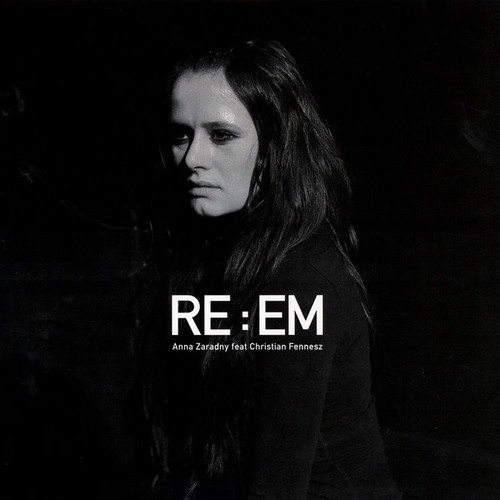
RE : EM
The brilliant Anna Zaradny's follows up her engrossing debut with this new EP featuring a sumptuous Fennesz rework of her New feat Old, following hot on the heels of Robert Piotrwicz's crushing side, Stara Szkola Ze Zlota, to remind us the ascetic, uncompromising brilliance of Polish experimental music at its best. On the front Zaradny utterly dominates the senses with a pulsating deconstruction of Stop the Chaos; originally a sub-3 minute rager, now distilled and expanded to three times the len…
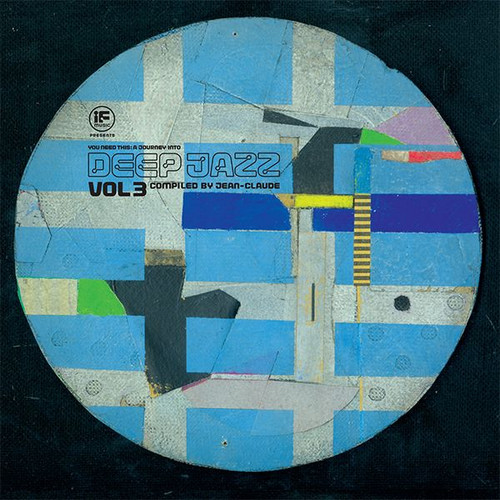
You Need This - A Journey Into Deep Jazz Vol. 3
Founder of London record shop IF Music and vinyl hunter extraordinaire, Jean-Claude drops the third glorious volume of his compilation series A Journey Into Deep Jazz on BBE Music. True to the album’s You Need This tagline, Jean-Claude has once again dug deep in his personal collection, emerging with an eclectic yet coherent selection of jazz sounds. Skimming the list of featured artists, such as James Brown’s former trombonist and musical director Tyrone Jefferson, Hungary’s all-time great jazz…

Spiritual Jazz 9: Blue Notes Part One
The Blue Note record label needs little introduction. Musically, graphically and sonically iconic, the label created and defined the golden age of modern jazz on record. Founded in 1939 by German émigré Alfred Lion, the label's roster of artists is a litany of giants - Thelonious Monk, Sonny Rollins, Horace Silver, Lee Morgan, Art Blakey, Lee Morgan, Herbie Hancock, and many more. With peerless musicians in the grooves, the legendary Rudy Van Gelder behind the boards, and graphic design genius R…
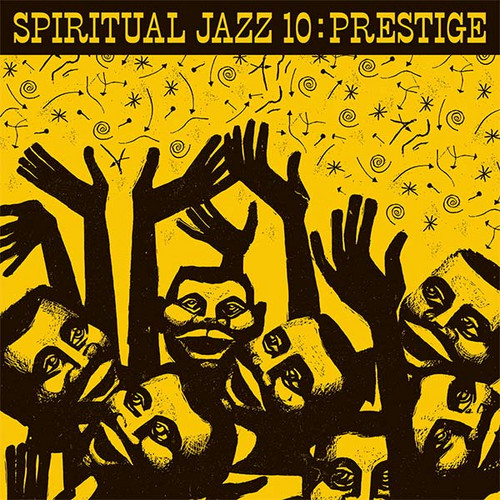
Spiritual Jazz 10: Prestige
"Esoteric, modal and deep jazz from Prestige Records, 1961-73" - The tenth edition of our Spiritual Jazz series takes a closer look at the music Prestige was recording at the start of the 1960s. This was the period when the modal jazz sound pioneered by Miles and Coltrane was starting to percolate through the jazz underground.In its heyday, Prestige was the only jazz label that could hold a candle to Blue Note. Prestige was always quick off the mark to record new artists, and in the years after …
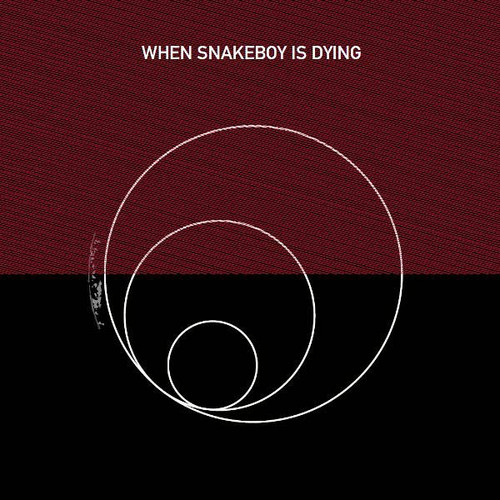
When Snakeboy Is Dying
**370 copies, white vinyl** Originally intended as a part of an audio book, When Snakeboy Is Dying shines of its own (dim) lights, marking the first time for Robert Piotrowicz to augment the compositional palette with instruments beyond synthesizers and computers. His decision of tackling them without external aid is not the fruit of bullheadedness, but a conscious attempt to rigorously focus on the properties of those sounds that he deemed necessary for the music’s constitutional narrative to u…

La Morte bussa due volte
Special Price. A stellar cast doesn’t always guarantee a magnificent film and, from a strictly cinematographic point of view, “La morte bussa due volte” (Death knocks twice) is one of many examples of this kind; This thriller was in fact quickly forgotten at the time (1969), despite the presence of the charismatic Adolfo Celi and the beautiful Anita Ekberg.However, even for less ‘important’ productions, the likes of Morricone or, in this case, Piero Umiliani, were sometimes bothered: composers b…
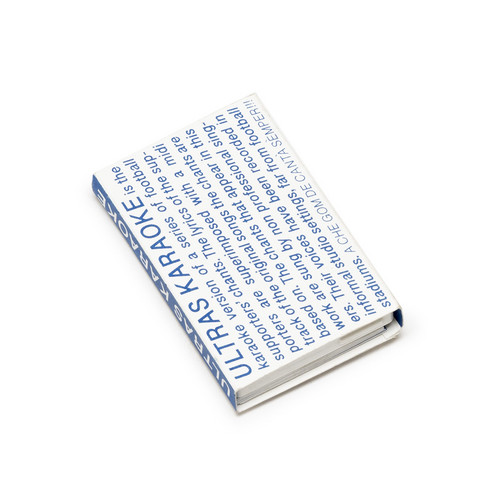
Ultras Karaoke
**50 copies** Ultras Karaoke is the karaoke version of a series of football supporters’ chants. The lyrics of the supporters are superimposed with a midi-track of the original songs the chants are based on. The chants that appear in this work are sung by non professional singers. Their voices have been recorded in informal studio settings, far from football stadiums. Cassette comes in a silkscreened cover with dowload code.