Back in stock
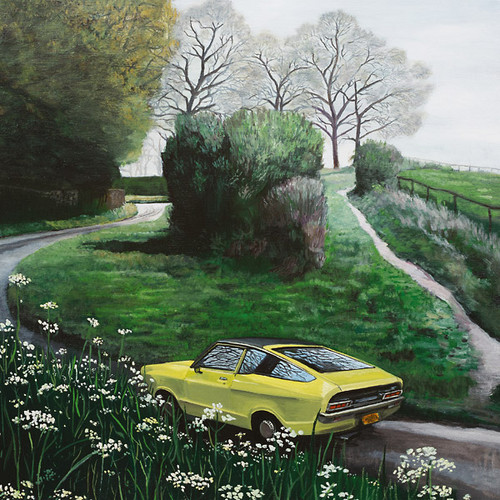
Two Words
Two Words is the debut release from the duo of Canadian sound artist Crys Cole and Australian songwriter Francis Plagne. Building on a series of experimental live performances in which the pair toyed with possible common languages for their seemingly unrelated approaches to music, the LP's two sides present a single piece that brings together abstract texture and slow-motion song in a sonic space where genre cedes to the logic of dreams. The piece begins with a long, nearly static sequence built…
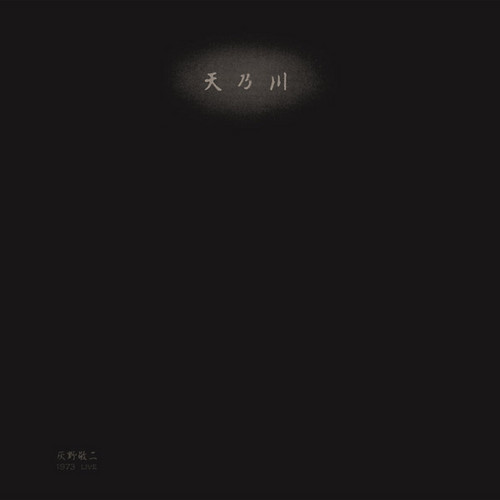
1973 Live - Milky Way
Black Truffle present the first vinyl issue of Keiji Haino's Milky Way. Originally released as a limited CD in Japan by the short lived Mom 'N' Dad Productions in 1993, this release documents a blistering live performance recorded in Kyoto in 1973, five years before the formation of the first line-up of Fushitsusha, and eight years before Haino's first solo album. Working with a mysterious set-up including primitive electronics, homemade acoustic instruments, piano and voice, Haino lets loose a …

Tutti
Tutti is comprised of eight soundscapes: an audio self portrait comprising of manipulated sound recordings from Cosey Fanni Tutti’s life, music and art: “It’s the only album I’ve made that is an all encompassing statement expressing the totality of my being. A sense of the past in relation to the present and everything in between.” These eight pieces were originally conceived as the soundtrack to the autobiographical film ‘Harmonic Coumaction’, and performed live in February 2017, part of a seri…
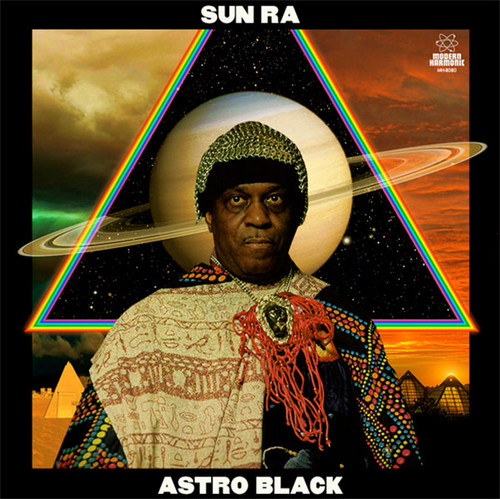
Astro Black
Astro-Black mythology, astro-timeless immortality! Astro Black has long been known as a cornerstone of the Sun Ra catalog. It is well recorded, features a superb Arkestral lineup, and successfully combines several of the styles in which Sun Ra orbited, from Saturnic jazz to astro-funk. And now it’s finally back in the earthly bins! Pressed on colored vinyl, and packaged with new cover art, with liner notes by Robert Campbell (author of The Earthly Recordings of Sun Ra), and includes a poster ins…
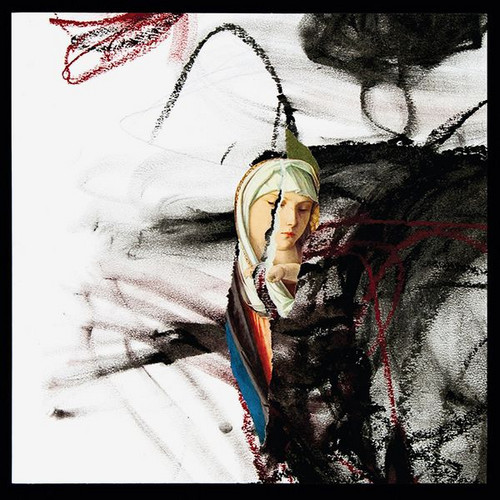
The Threats Of Memories Double
The Threat Of Memory 5CD box-set, by Steven Stapleton and David Tibet features all of Steven’s and David’s previously-issued recordings, made under their “Steven Stapleton & David Tibet” faces, on the first four of the CDs, as well as a fifth CD with previously unissued out-takes from the Musical Pumpkin Cottage recording sessions. It does not include the unissued out-take on Side 4 on Side 4 of The Threats Of Memories 2LP. It comes in a hinged box, with new artwork by Babs Santini on the CD’s i…
The Book Room
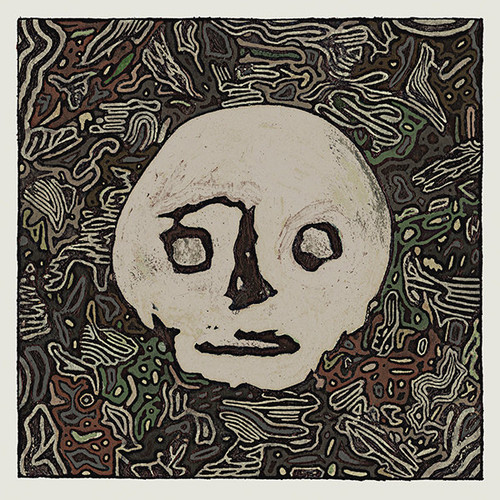
Marionette presents Kilchhofer's debut album 'The Book Room'. Benjamin Kilchhofer is not new to the world of recorded music, yet he doesn’t seem to fit into a particular scene or group. As an outsider he is, however, fully immersed and melded into his own universe. He mentally escapes to a parallel world and weaves an alternate reality which would otherwise not exist in his daily life. Kilchhofer avoids the spotlight and therefore isn’t really visible in today’s culture of ever changing content …
Noises
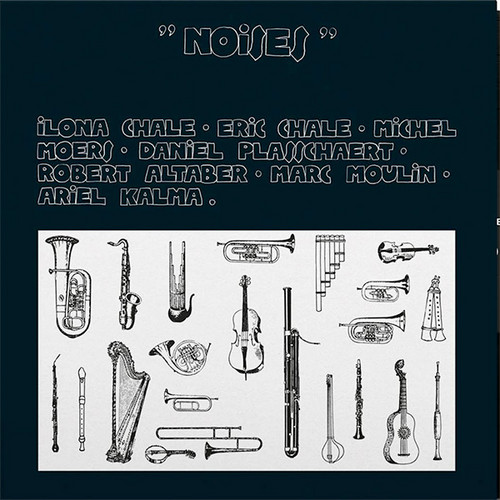
First time release since 1977. 500 copies on 180 gram vinyl. Facsimile reproduction of the original cover Artwork by Walter Verdin and Marc Moulin. This edition contains two new postcards as an insert, including liner notes by Michel Moers and the original lyrics of Aman and drawing by Ariel Kalma. Around the time Marc Moulin played the last concerts with Placebo, he met the young musician Michel Moers at the jazz venue ‘Les Lundis Hortense’ in Brussels in 1977. Impressed by his vocal delivery M…
Eden's Island: The Music Of An Enchanted Isle
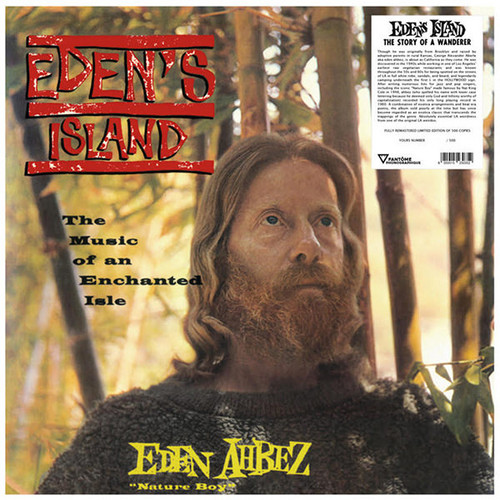
Though he was originally from Brooklyn and raised by adoptive parents in rural Kansas, George Alexander Aberle aka eden ahbez, is about as California as they come. He was discovered in the 1940s while working in one of Los Angeles' earliest raw vegetarian restaurants and was known throughout the 50s and 60s for being spotted on the streets of LA in full white robe, sandals, and beard, and legendarily camping underneath the first L in the Hollywood sign. After writing numerous hits for jazz and p…
Music Of Indonesia
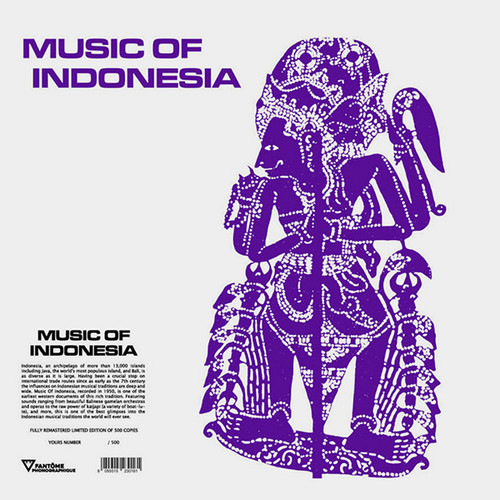
Originally released on Folkways Records, in 1959. Indonesia, an archipelago of more than 13,000 islands including Java, the world's most populous island, and Bali, is as diverse as it is large. Having been a crucial stop on international trade routes since as early as the 7th century the influences on Indonesian musical traditions are deep and wide. Music Of Indonesia, recorded in 1950, is one of the earliest western documents of this rich tradition. Featuring sounds ranging from beautiful Bali…
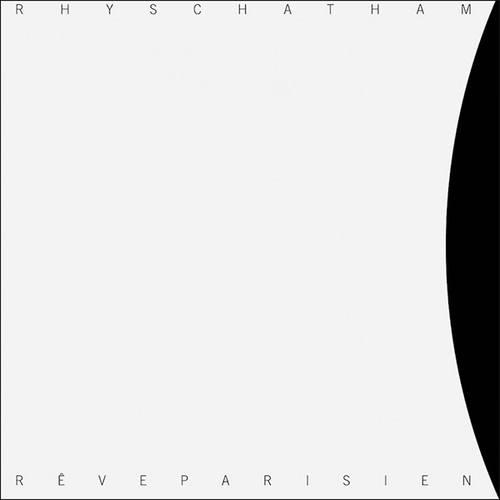
Reve Parisien
An amazing limited LP that features four new Rhys Chatham compositions that were performed live at Kassay's exhibition at Art: Concept in Paris in 2010, and loosely functions as an audio catalogue to the exhibition. Reve Parisien contains compositions that were both performed live and used as a soundtrack through Kassay’s exhibition. These compositions mark a change in direction for Chatham, who has abandoned the trumpet style he developed in the nineties for a non-distorted, less effects-driven…
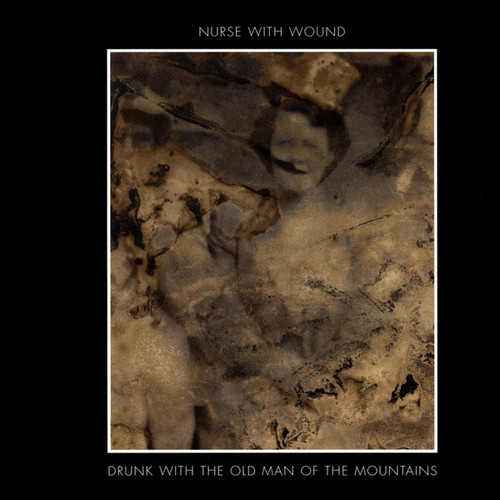
Drunk With The Old Man Of The Mountains
Originally released on LP in 1987 in an edition of 100 copies, this marks the first ever CD release of this Nurse With Wound classic. Comes housed in a gorgeous six-panel digipack featuring reproductions of some of the artwork that came with the original vinyl edition.As a testament to the random disorder and beauty of life, London's Nurse with Wound (Steve Stapleton) functioned outside the normal musical channels for a decade, experimenting with tape collages of disjointed phrases, improvised m…
Turva Lingua
Last Copies ** Edition of 200** Turva Lingua is the long-awaited, incredible debut album by mysterious Portuguese actor and performance artist Nu No. But who really is Nu No? Nuno Marques Pinto has been a relevant presence in the Portuguese Punk scene since the 80s. Cutting his teeth in the world of underground theatre through the 90s and early 2000s, he eventually started working with sounds in recent years, focusing on the (de)construction of language and the manipulation of pre-recorded spoke…

A Philosophy Warping (Live) LP
Second album by Turkish free jazzers Konstrukt and the Japanese avant-garde/noise icon Keiji Haino, this time recorded live in concert. Celebrating their tenth anniversary these days, Konstrukt have since been creating an impressive catalog including collaborations/performances with significant musicians like Peter Brötzmann, Joe McPhee, William Parker, Akira Sakata, Marshall Allen, Evan Parker, Thurston Moore, Michael Zerang, Alfred Harth, or Alexander Hawkins that gained them an ever growing a…
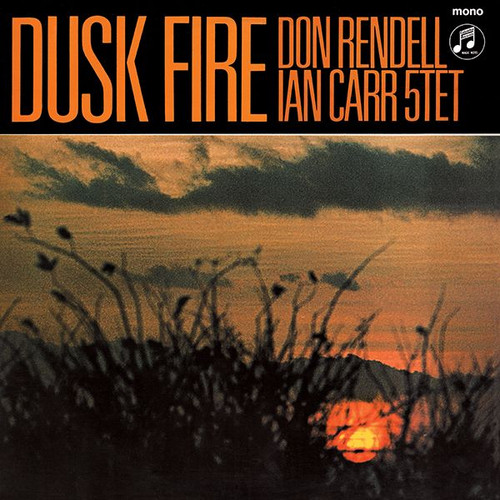
Dusk Fire
Due to overwhelming demand for our 5LP boxset which sold out on the day of release, here are the first ever official individual re-issues of all five of the iconic Lansdowne recording sessions by the legendary UK jazz combo, the Don Rendell/Ian Carr Quintet.The five albums; Shades Of Blues (1965), Dusk Fire (1966), Phase III (1968), Change Is (1969) and Live (1969), have reached almost mythical status in the collector's world. Regarded as holy grail artefacts for even the seasoned aficionado, th…
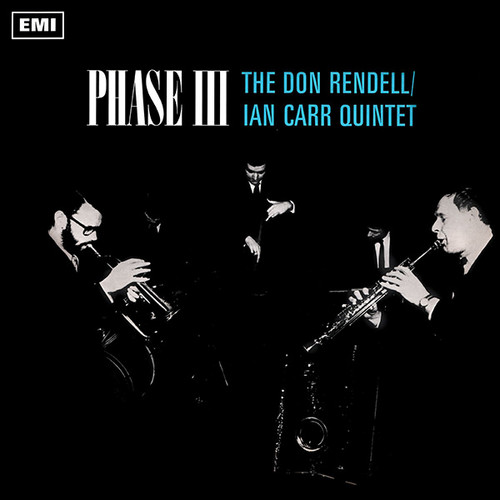
Phase III
Due to overwhelming demand for our 5LP boxset which sold out on the day of release, here are the first ever official individual re-issues of all five of the iconic Lansdowne recording sessions by the legendary UK jazz combo, the Don Rendell/Ian Carr Quintet.The five albums; Shades Of Blues (1965), Dusk Fire (1966), Phase III (1968), Change Is (1969) and Live (1969), have reached almost mythical status in the collector's world. Regarded as holy grail artefacts for even the seasoned aficionado, th…
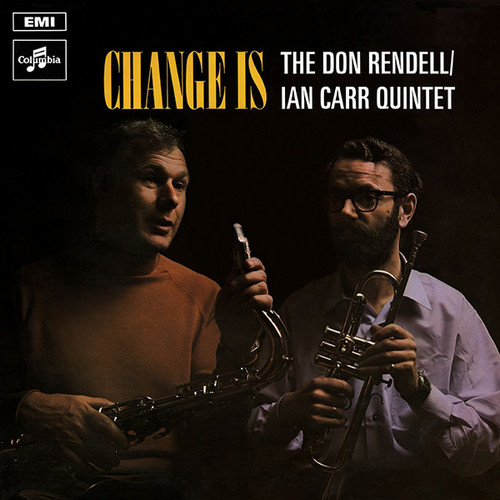
Change Is
Due to overwhelming demand for our 5LP boxset which sold out on the day of release, here are the first ever official individual re-issues of all five of the iconic Lansdowne recording sessions by the legendary UK jazz combo, the Don Rendell/Ian Carr Quintet.The five albums; Shades Of Blues (1965), Dusk Fire (1966), Phase III (1968), Change Is (1969) and Live (1969), have reached almost mythical status in the collector's world. Regarded as holy grail artefacts for even the seasoned aficionado, th…
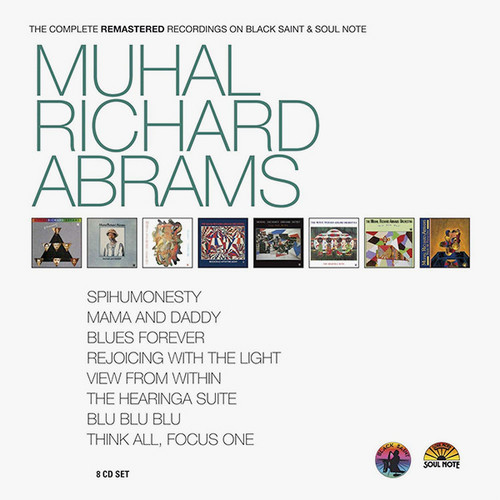
The Complete Remastered Recordings
The complete remastered recordings on Black Saint & Soul Note is a monographic box-set collection aimed at recounting the most beautiful chapters that revolutionised the history of jazz. This new series was launched in March 2010 with the simultaneous release of four box-sets, including albums by some of the artists who participated in the success of the outstanding labels. A philological work, beginning with the original recordings on multi-track master tapes, patiently integrally remastered pa…
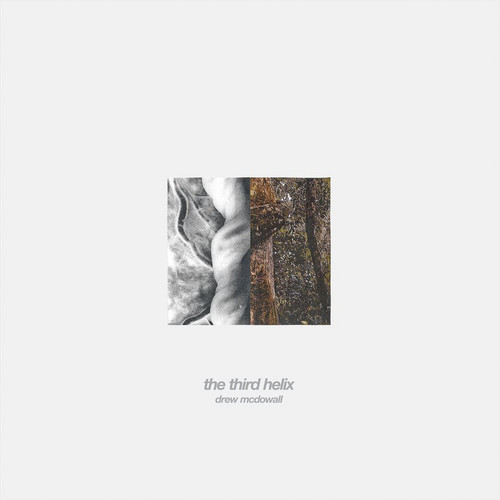
The Third Helix
For this third release on Dais, Drew McDowall reaches into concept, ritual, and immersion, in an exercise of unravelling the DNA of hallucination. The Third Helix is McDowall’s product of deconstructive exploration, twisting the fibers of being into new structure, shape, pattern, and pulse, without reconstituting its inscribed template. The result is a true “third act,” in McDowall’s career, that has seen him peregrinate from the late-’70s art-punk of the trio Poems to his work with Psychic TV a…
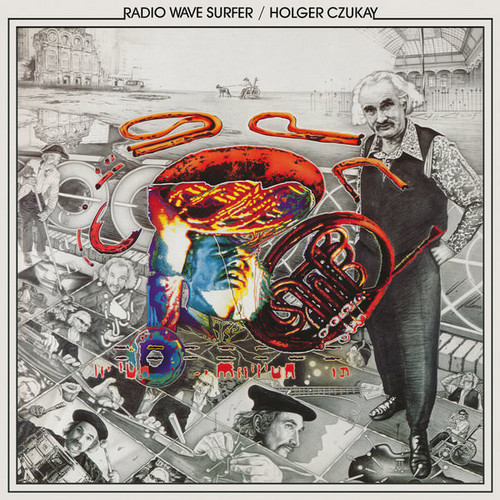
Radio Wave Surfer
Holger Szukay’s sixth solo LP Radio Wave Surfer gets the reissue treatment courtesy of Groenland Records. Originally released in 1991, Radio Wave Surfer found the late Can bassist coming through with some of his most succinct and immediate work. Cuts such as ‘Weird Dreams’ and ‘Get It Sweet’ streamlined Szukay’s experimental tendencies in order to create lean Krautrock vignettes that still pack a heady psychedelic punch. Funnily enough for such a focussed listen, many of the tracks on Radio Wave…
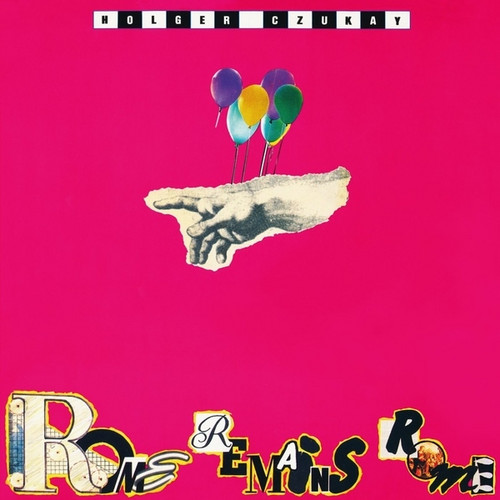
Rome Remains Rome
The 5th solo album by Holger Czukay, ‘Rome Remains Rome’ bubbles up for its 30th anniversary reissue on Gronland - bastion of all things good and Krautrock. Arriving after a string of total classics such as ‘Movies’ and ‘Full Circle’’, and before his ambient outings with David Sylvian, 1987’s ‘Rome Remains Rome’ is a typically, lysegically playful and odd collection of songs tripping lines between pop, jazz and the avant-garde.Make sure to check it for Holger’s possessed vocals on the psychedeli…