Back in stock
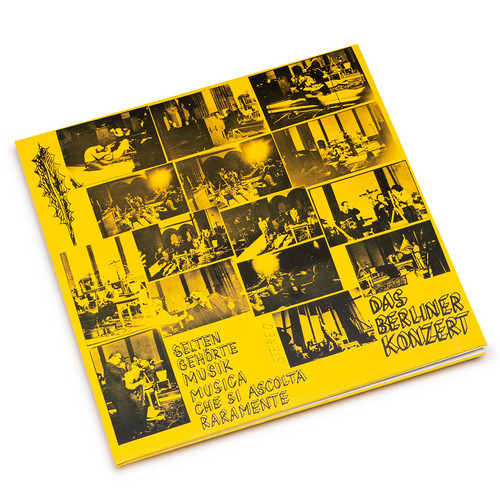
Das Berliner Konzert
*300 copies limited edition* "Stimulated by our first public performance of "rarely heard music" (Das Münchner Konzert), we at once planned another concert in which the tight circle of performers was to be enlarged by a couple of dear friends, and once again the location had to have the lure of the special. oswald wiener suggested the church of the holy cross in berlin as our place of action, for we had learnt that it could be hired for public performances. everyone was most enthusiastic about p…
Along the Simple Line
2025 stock Concentric Records present this special edition EP by the Berlin-based duo YHDESSA - composed of Dutch-Italian composer and poly- instrumentalist Grand River and Sardinian electronic music experimentalist Enrica Falqui.
Entitled Along The Simple Line, the 5-track EP is a unique sonic journey that merges in pure form the distinct worlds of the two composers, exposing a warm and delicate essence. Perfectly punctuated, and in a pace of its own, the album gently and precisely unfolds thr…
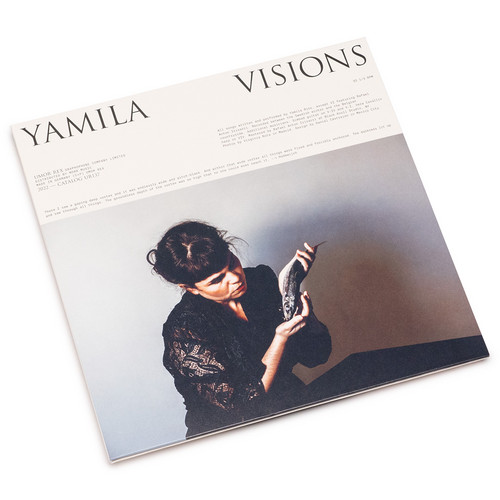
Visions
Yamila reveals her most intimate catharsis in Visions, an album that brings together and provokes the hallucinatory powers of music. Like an ancient herald, she announces the profound feminine mystique while crossing epic melodies full of pleasure and pain. This album is a journey that prodigiously unites baroque accents, Spanish folklore –such as flamenco– and contemporary electronic music. Her voice and music –sometimes torn and others buoyant– could resemble the score for a biblical passage (…
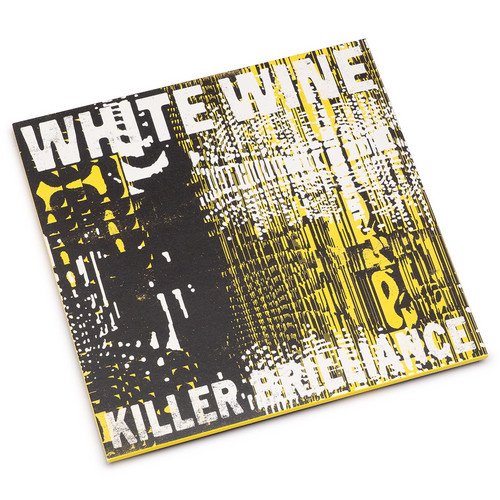
Killer Brilliance
2025 stock “There's so much complexity in life and human emotion that I have a hard time feeling convinced a song is always either happy, sad, melancholic, angry or scared. I look at these emotions like elements that are constantly colliding with each other, so it's my duty as a songwriter to reflect that. I want to fall in and out of the cracks of genres, finding the nerves not yet hit. It's usually in the disturbing part of the spectrum…”
So says Joe Haege, who’s earned a reputation for unset…
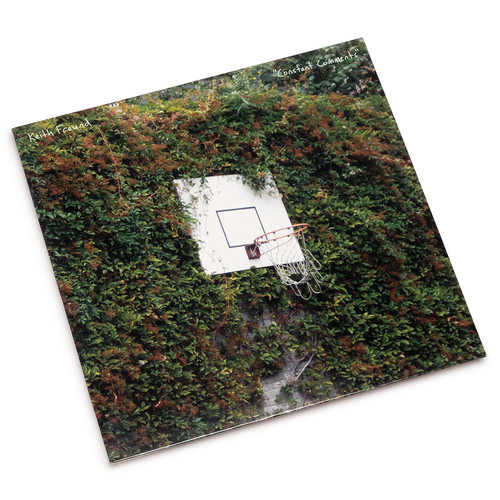
Constant Comments
2025 stock Reacting to the sounds around him, words said in passing, shards of birdsong, a glint of breeze, and kids at play, Freund (One half of Akron Ohio duo Trouble Books) stands at the center to create gentle meanderings to add as his part of the symbiotic conversation. The soothing sun is recorded alongside soft voices; the intake of a breath mixes with laughter of children. The album can be understood as a dialogue between the small moments occurring around us and our natural response wit…
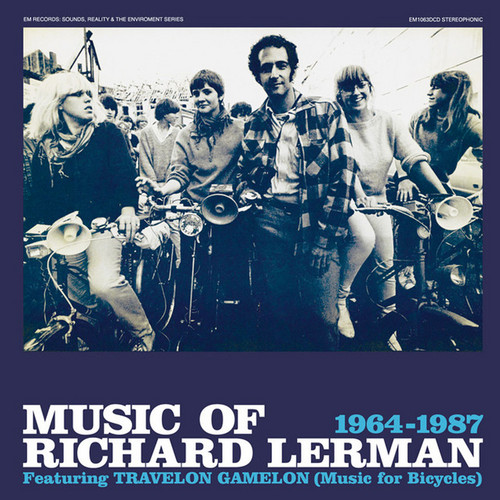
Music of Richard Lerman 1964 - 1987
Richard Lerman has spent over four decades gathering sounds that most of us never notice, amplifying the mundane until it reveals itself as magic. This deluxe two-CD set, featuring his classic 1982 Folkways LP Travelon Gamelon (Music for Bicycles) plus selected works spanning 1964 to 1987, offers an essential survey of one of American experimental music's most questing spirits. Born in 1944, Lerman belongs to the John Cage and David Tudor continuum of composers for whom all sound is potentially …
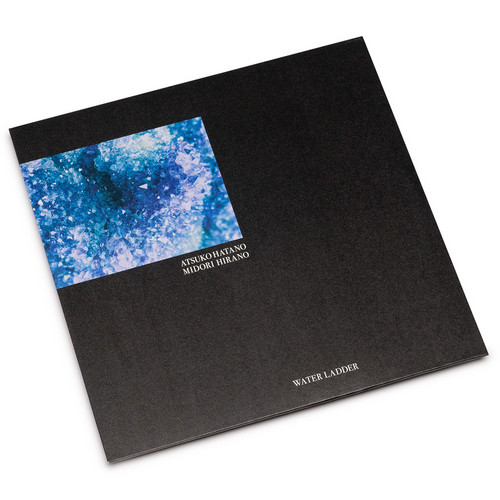
Water Ladder
2025 stock Following their recent solo releases Soniscope (Dauw) and Cells #5 (Important Records), Berlin-based multi-instrumentalist Midori Hirano and Tokyo based string experimentalist Atsuko Hatano have teamed up for their first collaborative full-length: Water Ladder. An intense, multilayered continuation of earlier collaborations (Atsuko was featured on Midori’s debut LP back in 2006), the foundation for this new collaborative album was laid when they shared stages in Berlin (Ausland) and J…
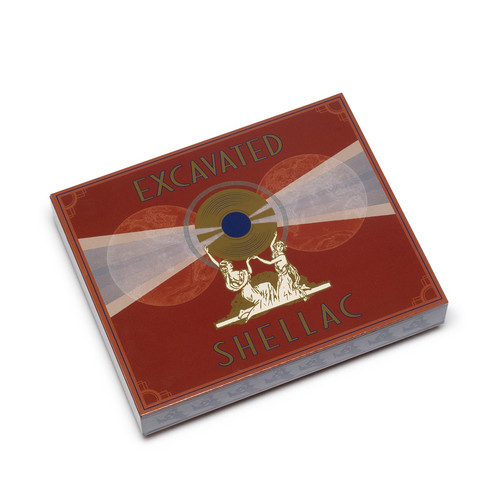
Excavated Shellac: An Alternate History Of The World's Music
100 recordings on 4 CDs; 184-page hardcover book printed on artbook-quality paper; Packaged in a deluxe gloss-laminated box. It begins with a South African choir from 1930 and a song about police brutality; it ends in Cuba with dreamy innuendo. This collection is about music that is often invisible in today's world, the incredible world of global recordings that aren't jazz, blues, country, rock n' roll, R&B, or "classical." This physical edition of the box set, eight years in the making, conta…

Station '70: Call in Question / Live Independence
In August 1969, Masayuki Takayanagi formed his first New Direction group and embarked on an unparalleled musical journey that over the final 22 years of his life would define him as an uncompromising artist who would forge a visionary new musical language. Comprised of himself on acoustic and electric guitar and joined by Motoharu Yoshizawa on bass and Yoshisaburo "Sabu" Toyozumi on drums, Takayanagi's group created a new unconstrained form of music; It expanded on the most radical, fiery elemen…
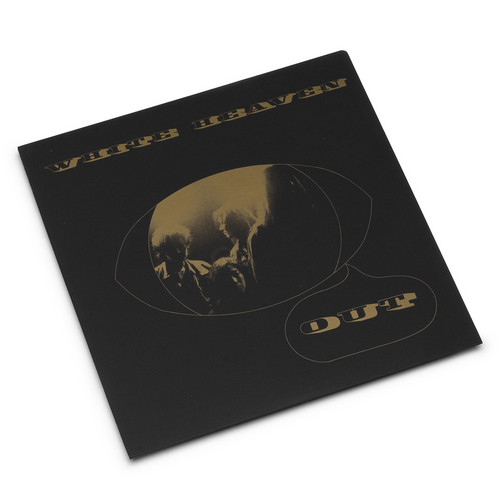
Out
White Heaven's debut album Out is one of the greatest psychedelic rock albums ever recorded. First released in 1991 by Tokyo's P.S.F. Records and pressed in an edition of 500 copies the original LP has become a holy grail in underground circles, with only a scant few copies ever making it outside of Japan. Built on the chemistry between You Ishihara's lysergic lyricism and the blistering leads of one of Japan's undisputed guitar gods Michio Kurihara, Out is an absolute classic. It is one of the …
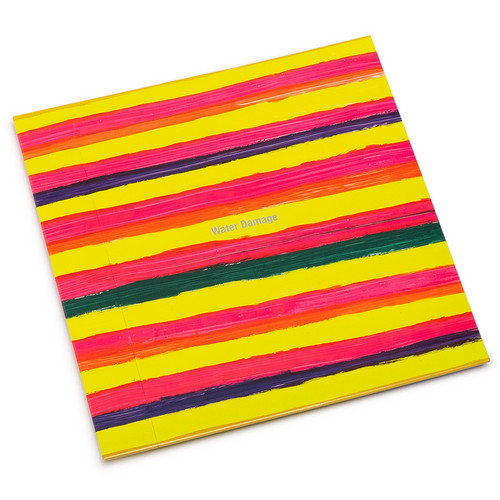
Repeater
*2025 stock* There is something really special about music based on drones. Whether it's the vocals of Pandit Pran Nath, the ARP 2500 of Eliane Radigue, or the nearly-blown amps of Sunn O))), by changing the listeners's focus on details to one that favors flow, drones are uniquely capable of transporting our brains far far away. The debut LP, 'Repeater', by this loudly droning Austin septet is a goddamn splendid example of how the process works. Using the motto, “Maximal Repetition Minimal Devia…
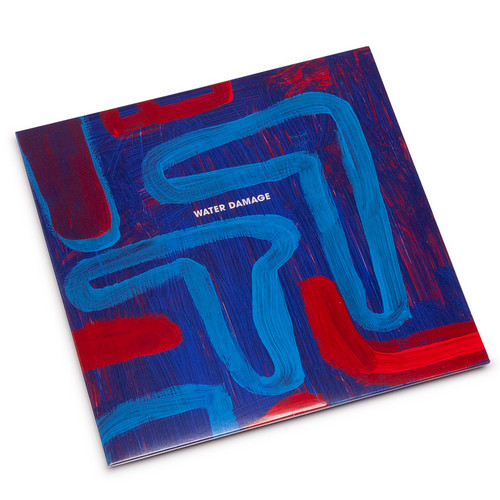
Instruments
Water Damage is ten people from one town and one sound from twelve people. For Instruments, the plus two are guitarist David Grubbs and saxophonist Patrick Shiroishi, neither of whom blunt the angle or confound the aim. The tempo? Slow and low. Four tracks, averaging twenty minutes each, the pace never above a comfortable walk. The damage creeps, a forest becomes a mountain, and the faithful move forward. The album is named after Fugazi, in a manner, and "Reel 25" takes after the Shocklee Brothe…
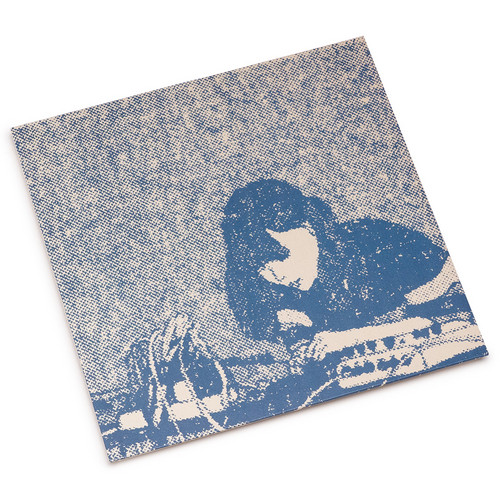
An Antworten
2025 stock AN ANTWORTEN showcases two new tracks from Tokyo based producer TENTENKO alongside revisited and reworked versions by TOLOUSE LOW TRAX, MM/KM and NIKA SON.
Whilst on her first ever European tour in December 2019, TENTENKO played a number of highly energised live shows in venues such as Salon des Amateurs or Alien Disko Festival Munich, where she has had the chance to finally meet up with some local electronic producers like TOLOUSE LOW TRAX, MIX MUP, KASSEM MOSSE and NIKA SON, whose …
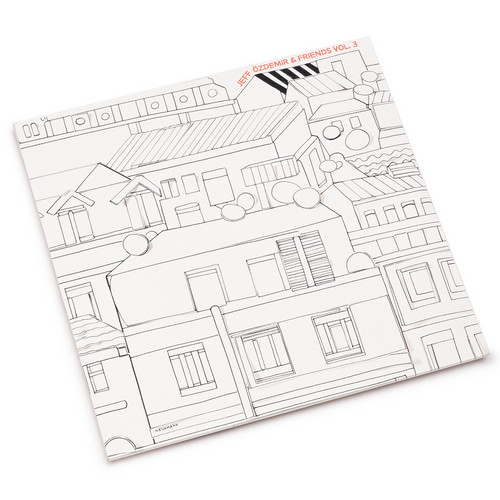
Jeff Özdemir & Friends Vol. 3
2025 stock In the past years, the multi-instrumentalist, composer, producer and music enthusiast Jeff Özdemir had been focusing on organising the Live-Mixtape series in Berlin, inviting numerous artists to join him on stage for every single event. However, the year 2020 put an end to this for all the painfully obvious and obviously painful reasons. Undeterred, he instead put together the third instalment of the »Jeff Özdemir & Friends« series, working with singers, musicians and groups such as K…
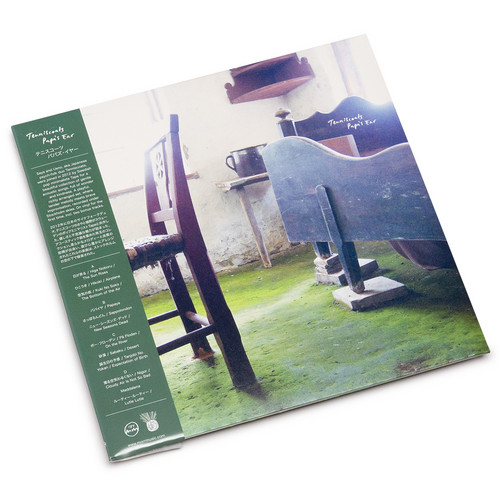
Papa's Ear
2025 stockJust over a decade ago, Japanese indie-pop duo Tenniscoats recorded »Papa's Ear« (2012) and »Tan-Tan Therapy« (2007), two albums made with musical and production help from Swedish post-rock/folk trio Tape. Originally released on Häpna, they are beautiful documents of the exploratory music made by a close-knit collective of musicians, fully at ease with each other, playing songs written by Tenniscoats and arranging them in gentle and generous ways. Released during a particularly product…
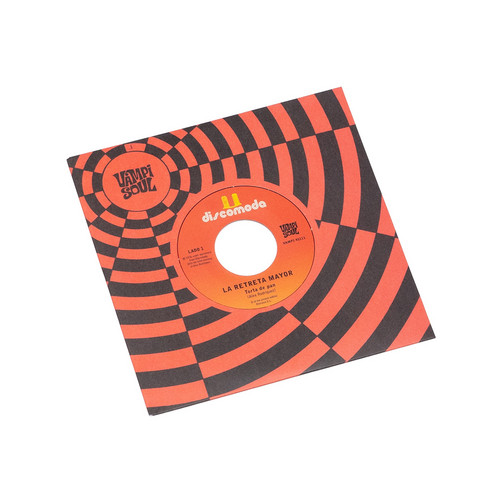
La Venganza / Torta De Pan
Two awesome Latin jazz-funk gems for the dance floor, blazing with the rich brass section and percussion. Both songs are taken from mega-rare Venezuelan LPs released in 1976. Reissued on a 45 for the first time.

Sonido Amazónico
Ranil is undoubtedly the most unconventional figure among the greats of Amazonian cumbia, earning a well-deserved place alongside all the better-known iconic bands. He worked as a teacher, criollo guitarist, radio host, TV entrepreneur, and politician, but gained lasting fame as the founder of Ranil y Su Conjunto Tropical in the 1970s.
By 1968, around the same time Los Destellos were making waves in Lima, groups like Los Wembler’s de Iquitos and Juaneco y su Combo began electrifying cumbia in Iq…
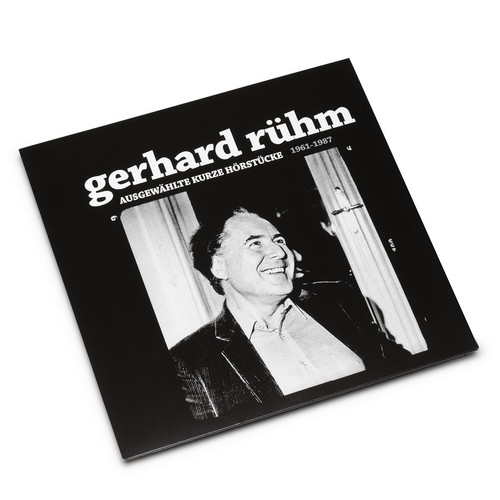
Ausgewählte Kurze Hörstücke 1961-1987
**300 copies** Unlike previous Gerhard Rühm editions on Tochnit Aleph which portrayed his phonetic poetry and longform radio-plays, the pieces on Ausgewählte Kurze Hörstücke are more conceptual, actionist, and (mostly) sound-based works recorded between 1961 and 1987. Liner notes by Gerhard Rühm in English and German.
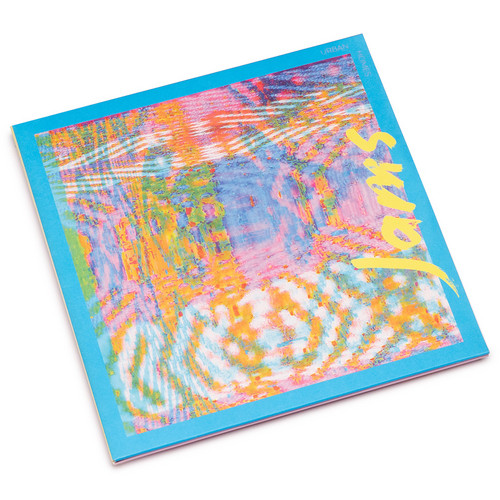
Jams
*2025 stock* On two 12"s and over the course of a staggering 78 minutes, big things are happening on "Jams", Urban Homes' monumental sophomore album. The highly ambititous attempt at a certain history of dance music, a sweaty night on the dancefloor, an excursion into the fog...But one thing at a time: The 13 Jams go back to recordings of years of communal, midi- and hardware-based jam sessions which, over three years, were painstakingly discarded, refined, condensed, reconstructed and provided …
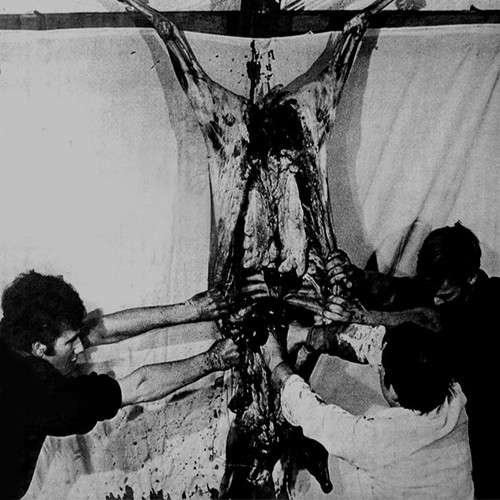
Akustisches Abreaktionsspiel
**400 copies** Reissue of Hermann Nitsch’s very first release, originally published 48 years ago by Edition Galerie Klewan in a limited edition of 100 copies..Produced and recorded at the WDR Radio in Cologne, Germany, the Akustisches Abreaktionsspiel (Aktion 38b) is "neither a radioplay nor a work of music. it merely portrays the acoustic part of an "abreaktionsspiel“ (a play of abreaction). the special and specific usage of the acoustic possibilities are in the foreground, while the visual par…