Best sellers
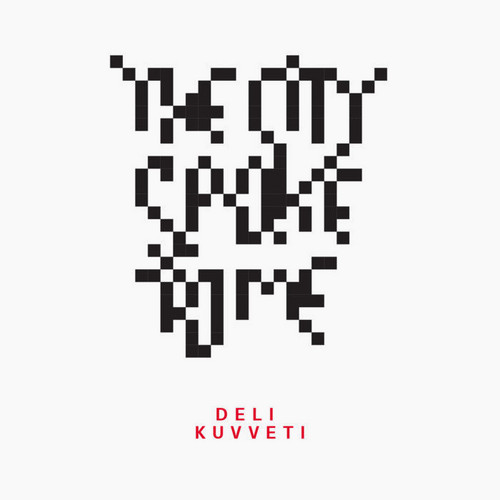
The City Spoke To Me
*60 copies limited edition* Granny Records presents The City Spoke To Me by Deli Kuvveti. Mastered by Derya Susman. Design & Artwork by Yorgos Vourlidas. Written and Produced by Derya Susman.

V
* Edition of 54 * Jungle Gym Records presents "V", official return of Eurovisione! Drifting past the ancient-ruin rituals of debut "Litio" (JGT66), Eurovisione transcends to spirit realms with their smartest and most sophisticated body of work to date, a breathtaking collection of fog-swirl ambient, golden-hour fractals and palm-rustling drone, breaking through canopy and into the sky... this time, exclusively for Jungle Gym. Transparent mist cassette with printed shell sticker + double sided J…

Every Day
*100 copies limited edition* ‘Every Day’ is a new collaborative piece by two Hungarian contemporary composers and artists, Ábris Gryllus (The Death of Rave, Farbwechsel) and Dávid Somló. Originally conceived as an installation and premiered at the 2022 edition of Budapest Autumn Festival, ‘Every Day’ is a document of grief, and an attempt to render the dry daily statistics of the Covid-19 pandemic iInto something that is both physically and emotionally tangible.Transposing the Hungarian daily da…
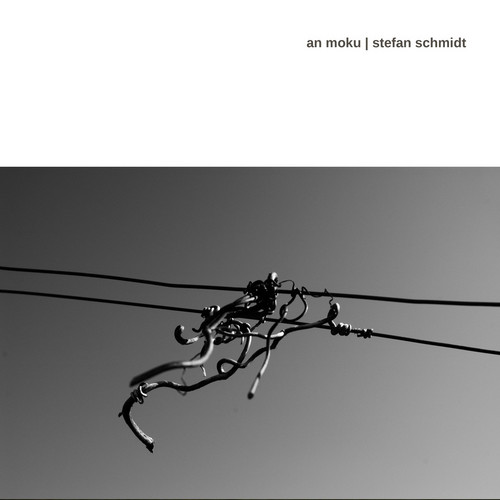
Raum Im Raum
The third and closing chapter of the "Raum" trilogy by an moku and stefan schmidt – "Raum Im Raum" serves finely crafted ambient / soundscapes, and is the most intense and darkest album of the series.
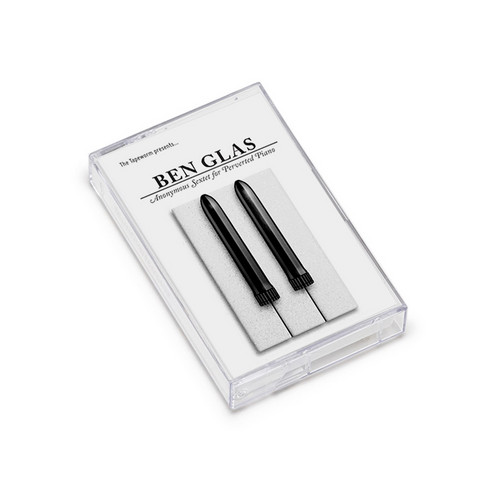
Anonymous Sextet For Perverted Piano
Ben Glas (b. 1992) is an experiential composer based in Berlin. Through ephemeral compositions Glas' work questions preconceived notions between the acts of passive hearing and active listening. In seeking to discover open ended forms of music and pragmatic listening perspectives, Glas' compositions focus on the realms of subjective perception and cognition, via the use of acoustics, psychoacoustics and space as tools for sonic composition.His work has been exhibited and performed internationall…
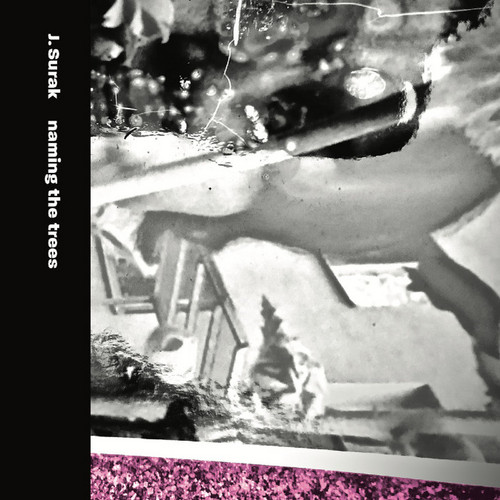
naming the trees
*50 copies limited edition. In processof stocking. 2023 stock* "Naming The Trees (zero192) by J. Surak is a concise art statement, just ten minutes a side on the limited cassette. Apparently produced by a combination of methods: analog synths, patches, treated and prepared instruments, and a humidifier – maybe a field recording of one of these handy domestic beasts, unless he “trained” its limited mind to assist in the performance in some way. Furthermore, it’s got something to do with a dance s…
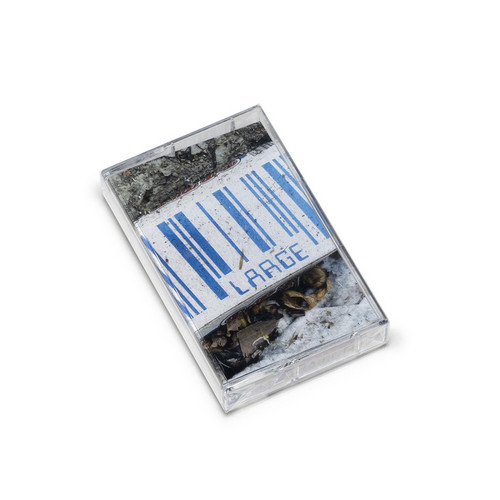
Art Large
Union Editions presents Art Large. Recorded in São Paulo, Brazil, 1999. All Music Written and Produced by Art Large.
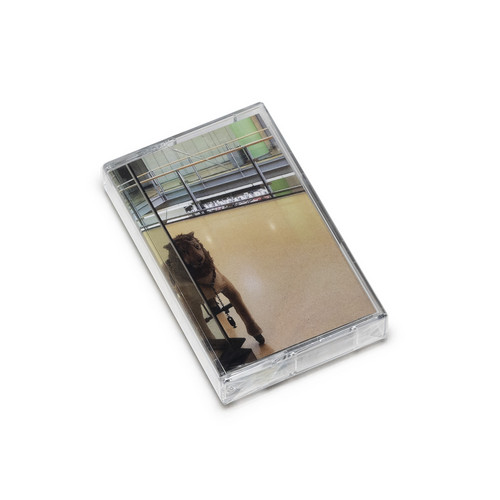
Lead Me Where NPCs Sleep
Union Editions presents Lead Me Where NPCs Sleep by Kinked. Composition, mixing and editing by Lapo Sorride as Kinked, mastering by Giuseppe Ielasi, pitched voices on "Dimanche" and "Occhi Di Neodimio" by Melodie Husquin, on "Serenada For NPC" by Bob Hermit. Composed between January and July 2022 in Asile185, Turin. Photo by Dario Terraglia.
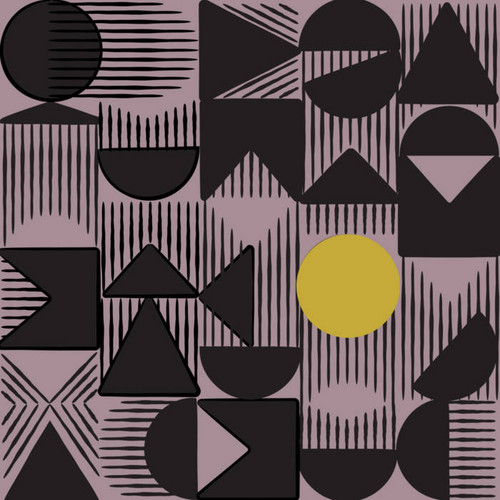
Under & Cracked
Limited edition of 200 copies.* Aonghus McEvoy is an Irish, Dublin-based experimental guitarist, who has played with musicians such as Annette Krebs, Ricardo Jacinto, Adam Pultz Melbye and Damo Suzuki. Aonghus’ long-term projects include a duo with chaotic synthesist Tristan Clutterbuck and he is a member of pioneering exploitation folk-rock group Woven Skull and the brutalist punk quintet Worst. Likewise, he counts among his many inspirations Eva-Maria Houben, J.S. Bach, Cornelius Cardew, Rhodr…
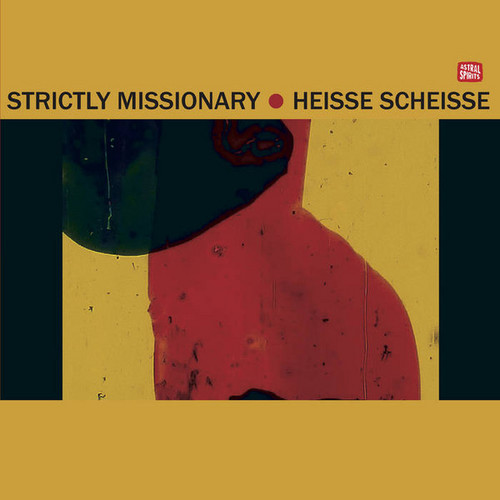
Heisse Scheisse
'At its best moments – throughout most of the album in fact – Heisse Scheisse is joyous chaos. The quintet seems to relish playing two or three different overlapping pieces of music. Case in point, Lapsarian begins with a labyrinthine riff-like structure that rapidly deteriorates into Eisenberg and Neuburg heading in their own directions. After a relatively calm and short interlude, Pitsiokos and Eisenberg both solo at the same time, but in an orthogonal fashion, before the overall structure is …
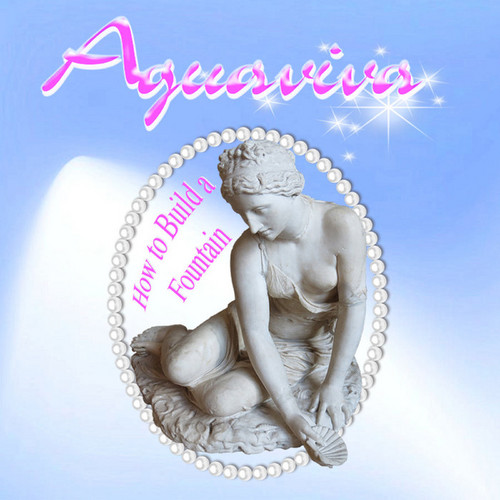
How to Build a Fountain
How To Build A Fountain brings together Josi Arias’ tradition of south of the border synth pop, and her work using cosmic soundscapes. The result is a record that captures scenes off an ethereal nightclub, a discotheque in the sky, an ancient and futuristic female choir, a time to enjoy being alive but also to reflect. This release is paired with a tailor-made scented water mist, that Hydrofemme created according to traditional aromatherapy healing scales with organic herbs. The result is a blen…
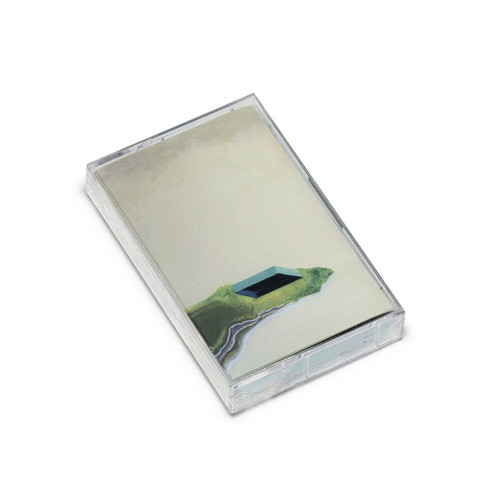
Mãe d'Água
** 2021 Stock ** Sucata Tapes presents Mãe d'Água by Banha da Cobra. Banha da Cobra is a project of Lisbon based artists Mestre André (laptop) and Carlos Godinho (objects).
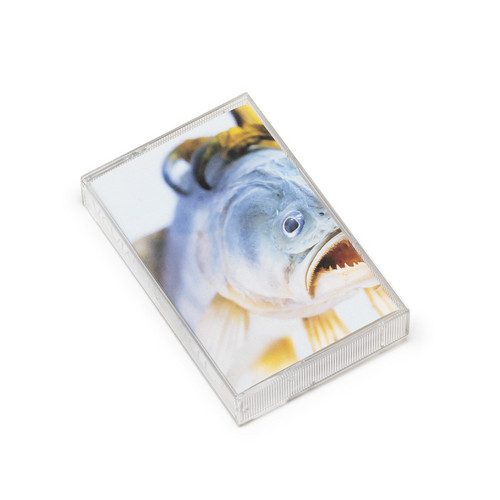
Throat Mask
The self-titled debut from Throat Mask collects four improvisations from the duo that are built around random processes and hover constantly between collapse and coalescence. The recording sees Nathan Gray attempt to guide his unruly stack of sputtering and chiming digital automations while T. Kowalski responds with fm, digital and analog synthesis and sparsely gestural midi drums.Side A keeps returning to Gray’s voice, occasionally it’s recognisable but more often it’s faltering or shredded by …
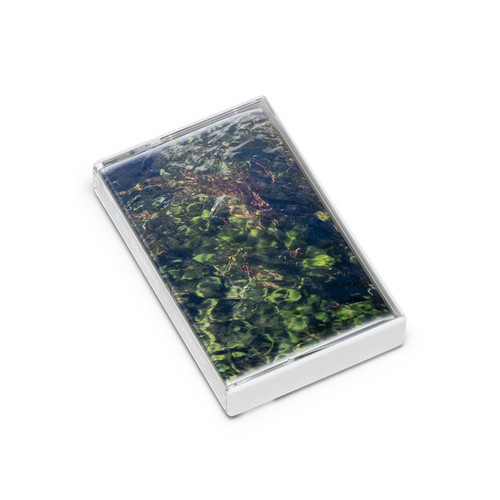
Riverrun
**70 copies** Sun Stabbed is Pierre Faure and Thierry Monnier / Guitars, effects, amps. Recorded and mixed by Manuel Scalora at Studio A during heatwave in Grenoble.
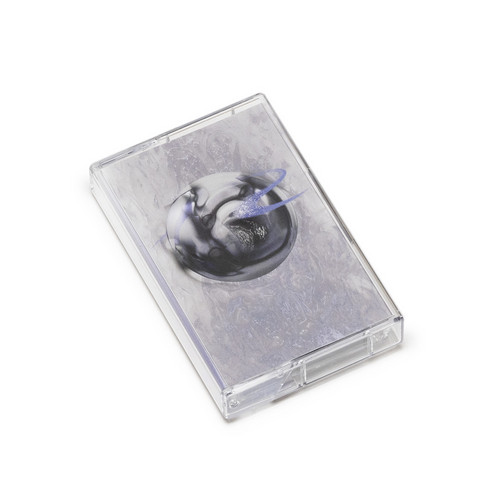
Andante Plumbeo
Umanzuki is a three-piece act based in Florence, Italy whose sound and aesthetics are in constant metamorphosis: moving from a former psych free- rock mood, evolving into an increasing dissolution of structures, they are now completing their ascent and reaching an even more abstract form of ambient. Wrapped in dark, synthetic matter, with this 30 minute-long improv session Umanzuki penetrate into the fields of a dilated and deconstructed ambient sound. Recorded in Florence during March 2015 and …
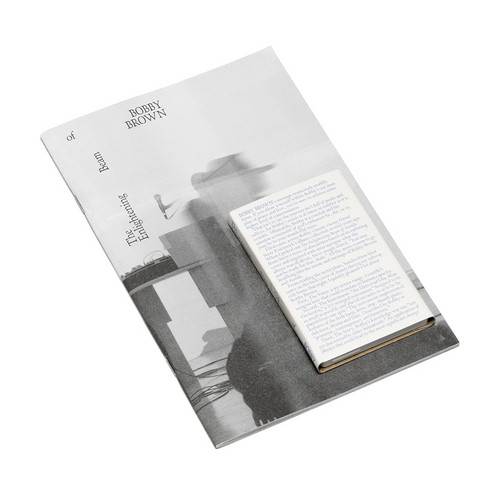
The Enlightening Beam of Bobby Brown
Rvng present one of their most unique releases to date with a limited art zine and cassette that shines light on the work of psych musician Bobby Brown. Bobby Brown exists beyond being. Bobby’s documented music covers a dynamic emotional and spiritual terrain, his vocals, ever prominent, traverse six octaves of sound. Bobby’s understanding of — and unbending faith — in physics and technology manifest in unbelievable instrumental and intellectual innovations. Bobby’s dedication to the fundaments …
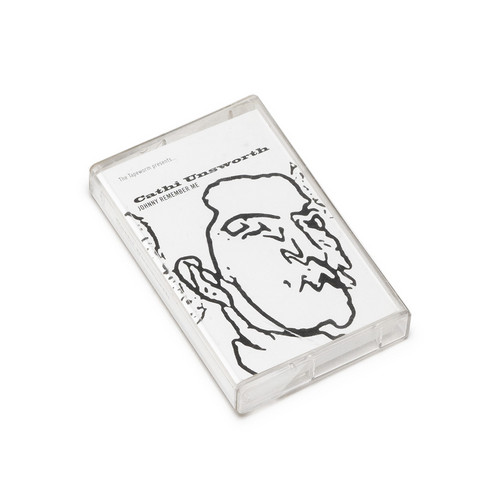
Johnny remember me
Further proof that anything goes when it comes to the Tapeworm series, this latest installment is a short story penned by novellist, crime/noir fiction writer and critic Cathi Unsworth, read by the author herself (on the A-side) and by her musical collaborator Pete Woodhead (on the B-side). Set in 1950s Soho, the tale concerns itself with London's burgeoning rock & roll scene, the seedier, underworld elements of the city and Joe Meek. … Limited to 250 copies. (Boomkat)
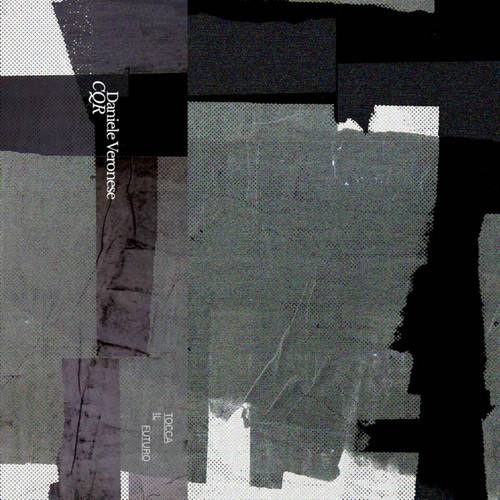
CQR
*2025 stock. 50 copies limited edition* We are thrilled to reveal CQR, the ninth release from Tocca il Futuro and the latest visionary project from the extraordinary musician and visual artist, Daniele Veronese. CQR, short for "C’est qu’il reste", represents a bold new chapter in Veronese’s artistic journey, seamlessly blending the worlds of sound and visual art into an immersive, multi-sensory experience. The music of CQR unfolds like an intricate tapestry, weaving ambient sounds that are somet…
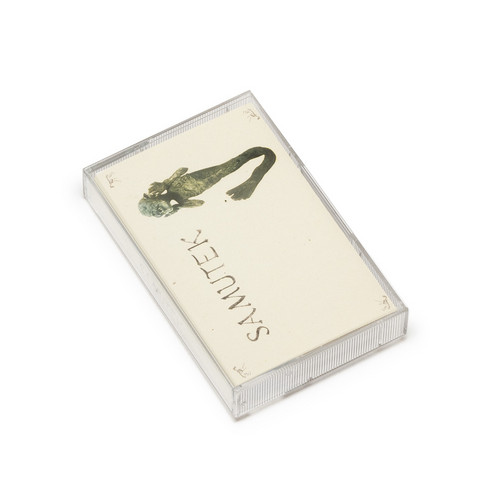
Skamielina
** Edition of 50. Cassette With Skeleton Doggo Insert ** Skamielina means fossil and there is an excavated feel about this pretty piece of pastoral horror. Like something has been dug up and now stalks the cloying, humid summer, alive again in the warm rain with the incessant mosquito-buzz of tape, the ever-present tape-buzz of mosquitos. Samutek’s has over 30 releases, none of which have any details apart from titles that are in varied German, Polish and English. The cover photography is murky-…
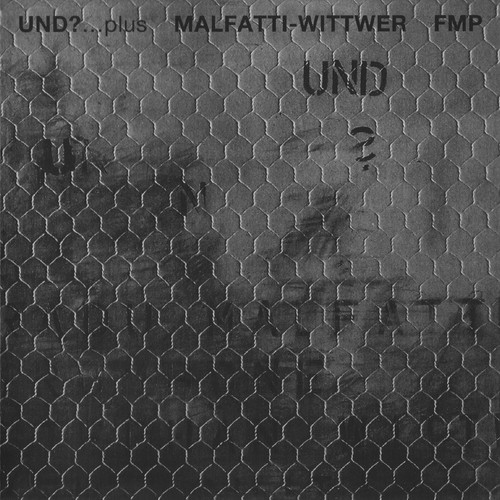
Und? ...Plus
Radu Malfatti on trombone and Stephan Wittwer on guitar in Innsbruck, February 1977: the duo LP Und? plus Untitled?, a fourteen-minute piece from the same tapes released here for the first time.