Psych /
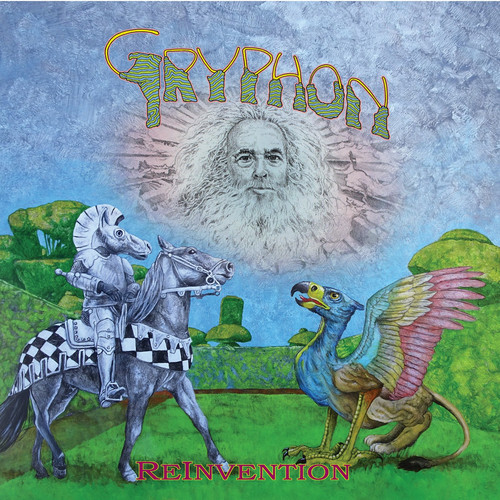
ReInvention
Gryphon's 2018 comeback, their first studio album in 41 years: Brian Gulland, Graeme Taylor and Dave Oberlé joined by Graham Preskett, Andy Findon and Rory McFarlane, with the crumhorns and the humour intact.
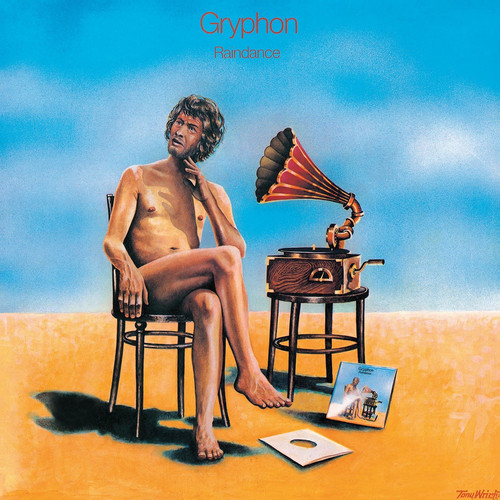
Raindance
Gryphon's fourth album from 1975, more song-based and electric, with Malcolm Bennett on bass and flute, a Beatles cover, Mellotron and Minimoog, and the 16-minute (Ein Klein) Heldenleben by Richard Harvey closing the record.
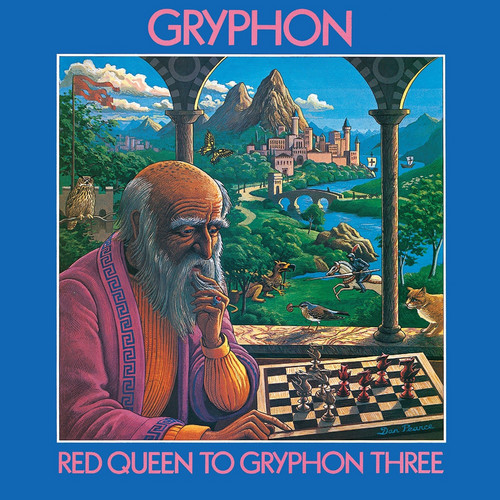
Red Queen to Gryphon Three
Gryphon's third album, from 1974: four long instrumental movements named after the moves of a chess game, joining crumhorn, bassoon and recorders to electric keyboards and rock drums. Toured in support of Yes.
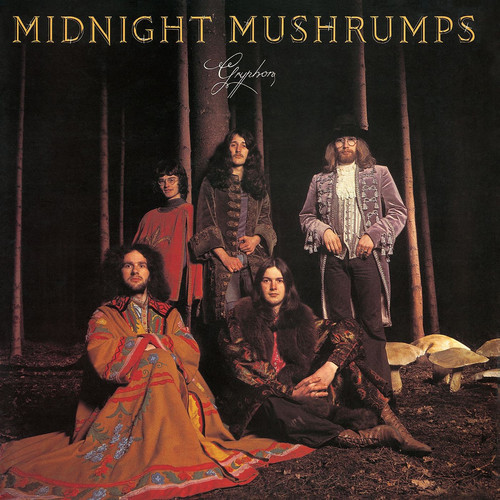
Midnight Mushrumps
Gryphon's second album from 1974, built around the 19-minute title piece by Richard Harvey, which grew out of the band's music for Peter Hall's National Theatre staging of The Tempest. Early music meets prog.
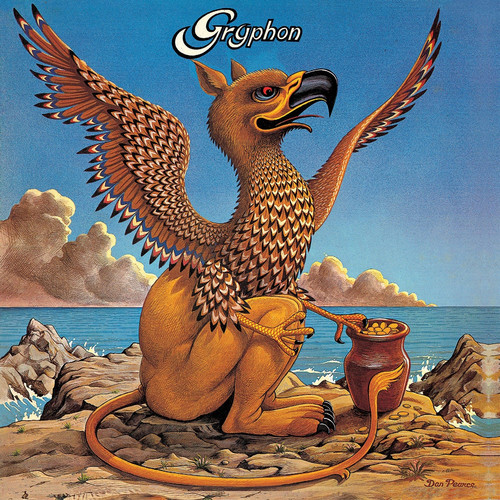
Gryphon
The 1973 debut of Gryphon, the London quartet that played medieval and Renaissance dances, folk songs and originals on crumhorns, recorders, bassoon, harpsichord and guitars. A key early music folk rock record.
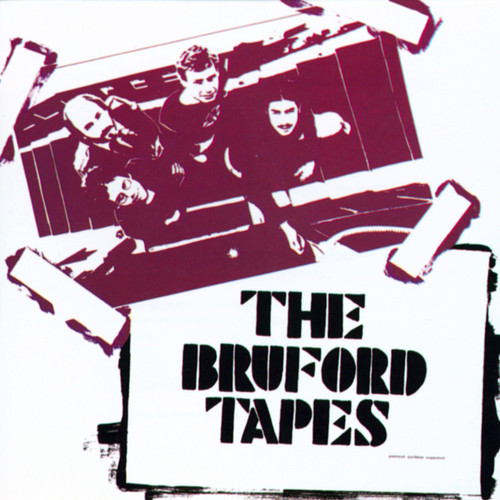
The Bruford Tapes
Live set by Bruford recorded in July 1979 in Roslyn, New York, for WLIR radio, with Bill Bruford, Dave Stewart, Jeff Berlin and 'the unknown' John Clark on guitar after the departure of Allan Holdsworth.
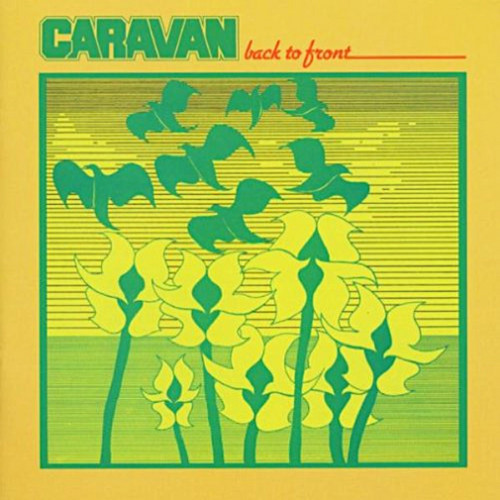
Back to Front
Caravan's 1982 album, which brought the four original members back together: Pye Hastings, Richard Sinclair, Dave Sinclair and Richard Coughlan, recorded at home in Herne Bay, Kent, with Mel Collins on saxophone.
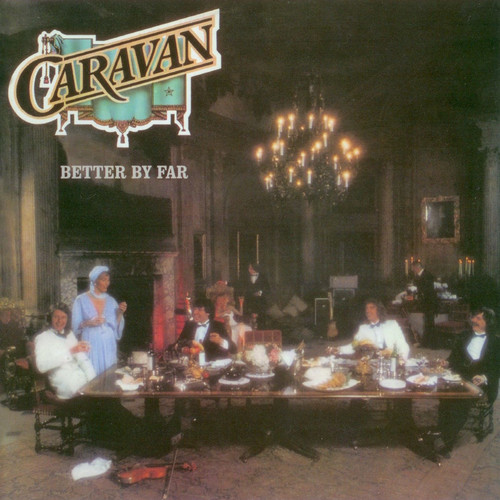
Better by Far
Caravan's 1977 album for Arista, produced by Tony Visconti: concise songs by Pye Hastings, Geoffrey Richardson and Jan Schelhaas, with Dek Messecar on bass and guests Vicki Brown on vocals and Fiona Hibbert on harp.
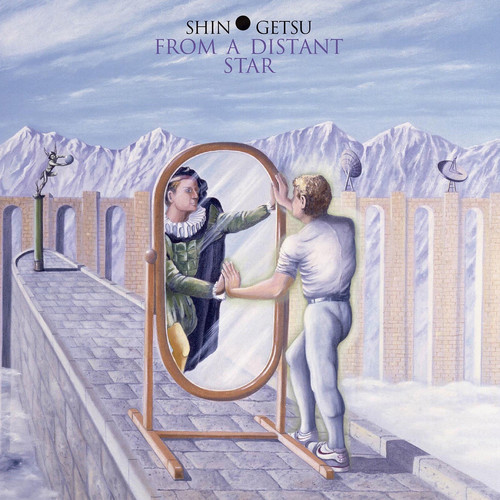
From a Distant Star
Shingetsu's later studio record: songs the Japanese symphonic rock band wrote before splitting in 1981, recorded long after the fact and released by Belle Antique in 2016, with the 1979 demo of a key piece.
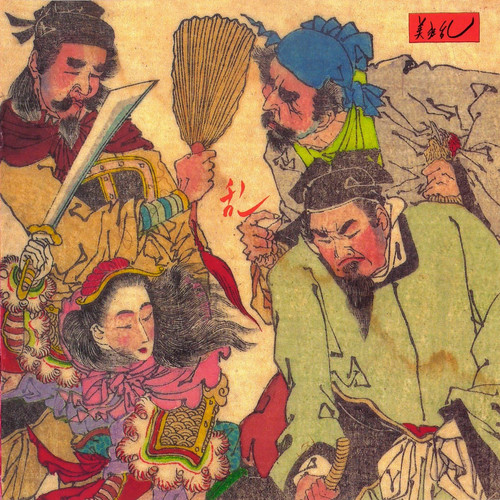
Ran (Live Vol. 3) = 乱 -ライヴ Vol.3-
A Bi Kyo Ran concert recorded at the Bourbon House in Osaka on 22 March 1983 by the trio of Kunio Suma, Masahide Shiratori and Masaaki Nagasawa: four long pieces including the suite Ran and the sixteen-minute Double.
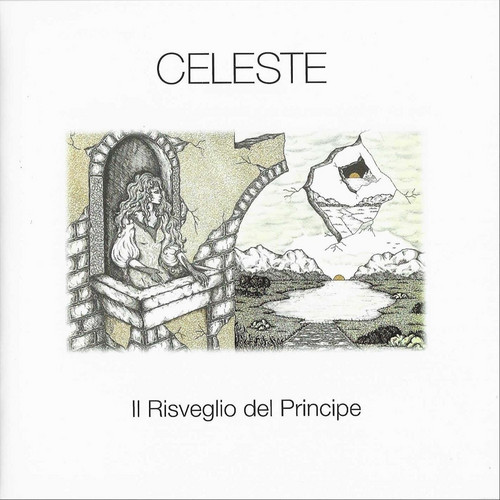
Il Risveglio Del Principe
The 2019 album by Celeste, the Sanremo group revived by Ciro Perrino more than forty years after its 1976 debut: pastoral, Mellotron-rich Italian prog with flutes, cello and saxophones, with a bonus track for Japan.
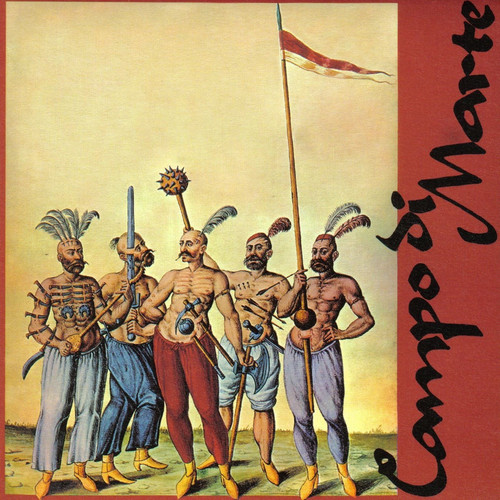
Campo di Marte
The only album by the Florentine band Campo di Marte, released by United Artists in 1973: a seven-part suite where heavy electric guitar meets flute, French horn and Mellotron, a lesser known high point of Italian prog.
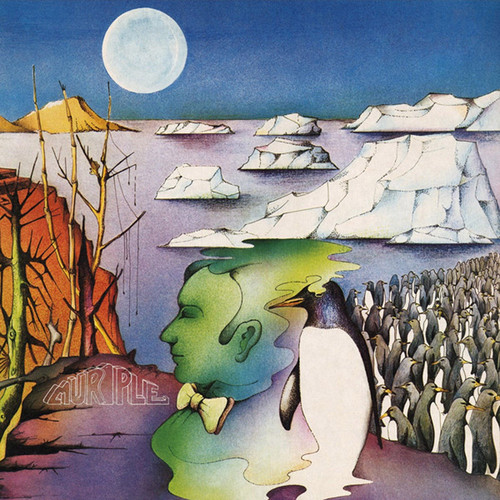
Io Sono Murple
The only album by the Rome band Murple, released on BASF in 1974: a two-part concept suite about a penguin travelling from the pole to a zoo, keyboard-led Italian prog with four bonus tracks including a 1973 live recording.
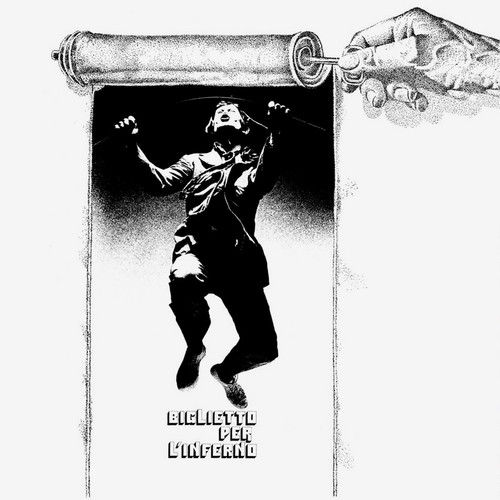
Biglietto Per L'Inferno
The 1974 debut by Biglietto per l'Inferno from Lecco, issued by Trident: dark, hard-hitting Italian prog with two keyboard players, flute and the theatrical voice of Claudio Canali, among the most sought-after records of the genre.
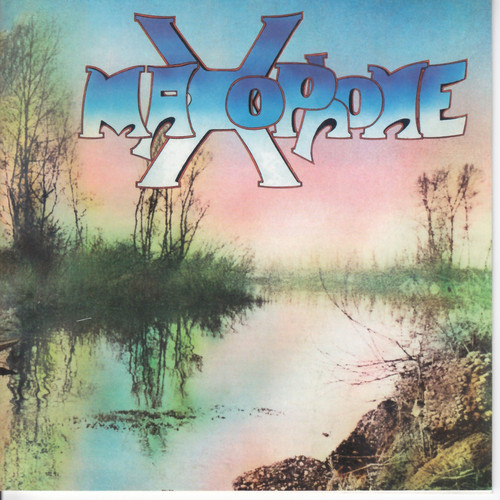
Maxophone
The only album by the Milan group Maxophone, released by Produttori Associati in 1975: Italian symphonic prog where rock band, horns, harp and strings meet jazz and classical writing, with the two songs of the later single as bonus.
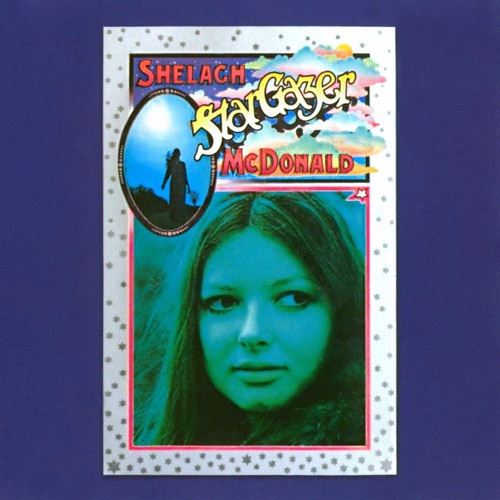
Stargazer
The second and, for more than forty years, last album by Scottish singer-songwriter Shelagh McDonald, recorded in 1971 with Richard and Danny Thompson and Robert Kirby's arrangements, here with nine bonus tracks.
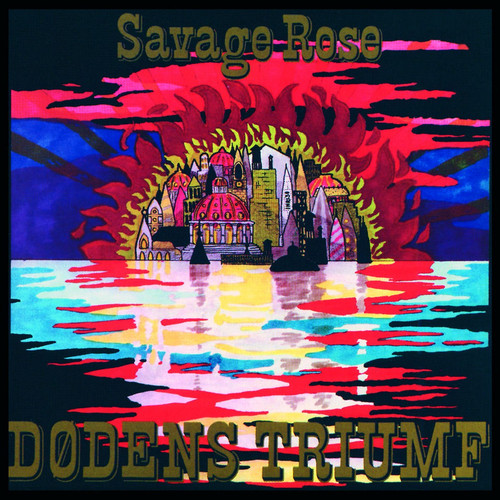
Dødens Triumf
The Danish group The Savage Rose's score for Flemming Flindt's ballet Dødens Triumf, released in 1972: Thomas Koppel's music for organ, piano and band, sung by Annisette, one of the best known records of Danish rock.
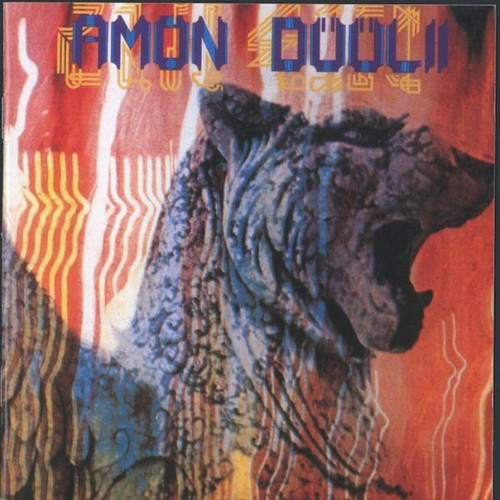
Wolf City
Amon Düül II's 1972 album, a tighter set of songs after the sprawling early records, with Renate Knaup's vocals, Indian sitar and tabla guests and the instrumental Deutsch Nepal, plus three bonus tracks.
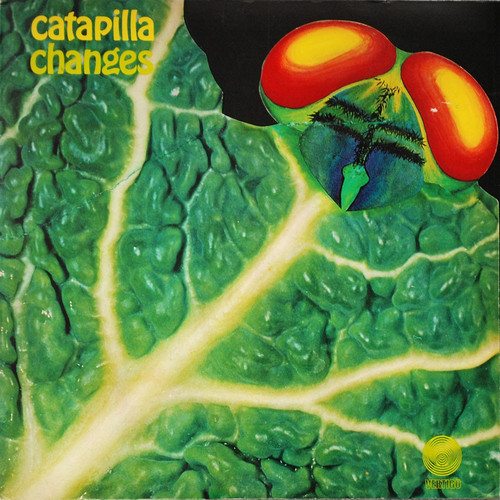
Changes
The second and last album by the English band Catapilla, released by Vertigo in 1972 in a die-cut sleeve: four long tracks of jazz-rock with Anna Meek's vocals and Robert Calvert's saxophones over organ and guitar.
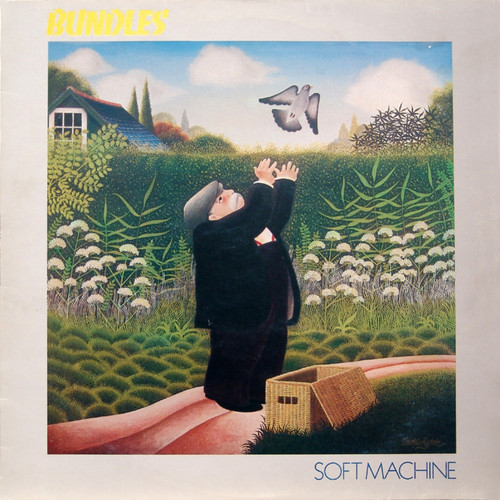
Bundles
Soft Machine's 1975 album, the first with guitarist Allan Holdsworth and the last full studio album with Mike Ratledge, in a 2CD Japanese edition that adds a radio recording from Nottingham University in October 1975.