★Bureau B
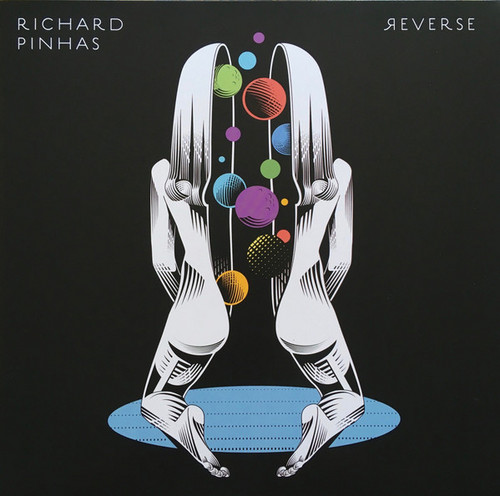
Reverse
*2023 stock* "Save for a brief hiatus in the ’80s when he became disillusioned with music, guitarist Richard Pinhas has spent the last five decades making records, both solo and with many groups including ’70s French space-rock innovators Heldon. Lat…
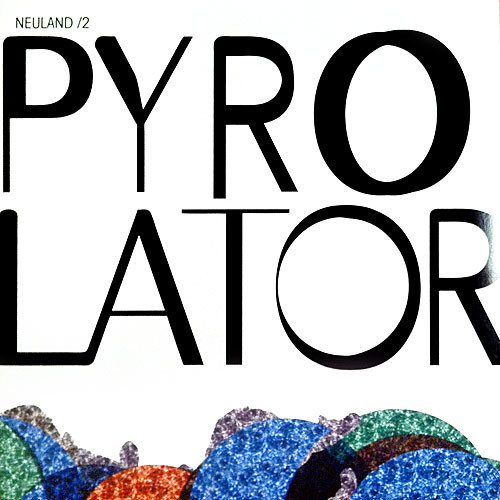
Neuland /2
*2023 stock*The former Der Plan man and NDW legend offers more sleek experiments in mesmerizing Techno minimalism on the 2nd 'Neuland' session. A-side 'Minato Mirai' is a beautifully fluid Teutonic techno groove with a rolling, elliptical bassline an…
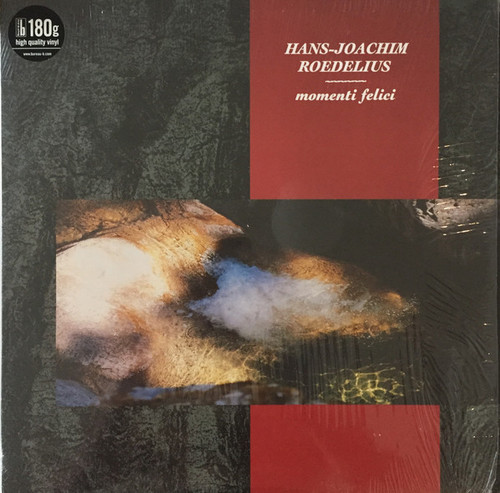
Momenti Felici
*2023 stock* This LP by German synth music pioneer Hans-Joachim Roedelius features almost no synthesizers at all. When they do appear (most prominently on "Über den Wolken"), they're a background instrument, supporting his piano. At other times, Roed…
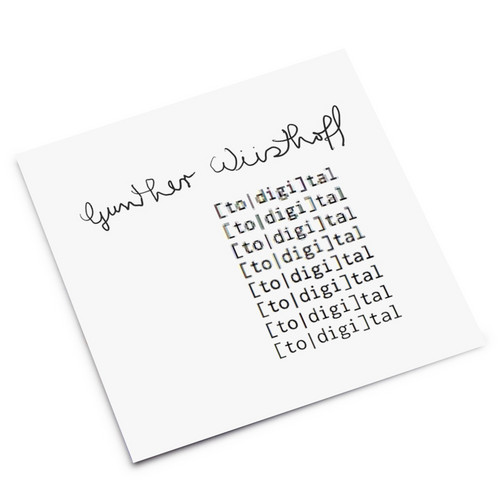
Total Digital
Having completed his military service as a naval radio operator, Gunther Wüsthoff was in the midst of his German and fine art studies when he encountered Rudolf Sosna and Jean-Hervé Peron. It was May 1969 and each of them had a guitar so they decided…

Liederbuch
LP version. When the Welttraumforscher (world dream explorer) started their journey on July 14, 1981, it was not foreseeable that it would last so long. For over 40 years now, Christian Pfluger from Zurich has been working with drawings, texts and so…
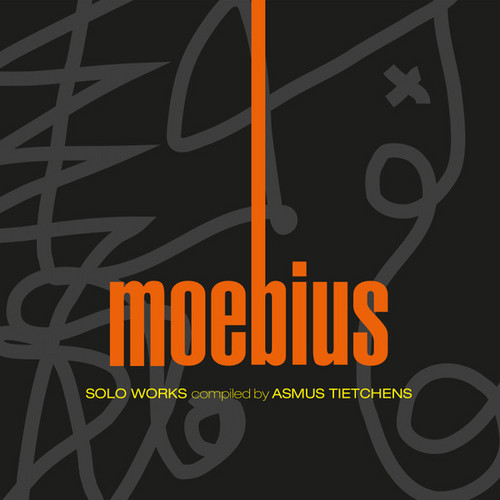
Solo Works. Kollektion 07
Dieter Moebius is one of the most important protagonists of avant-garde electronic music in Germany. Alongside his bands Kluster/Cluster and Harmonia, he participated in numerous collaborations (with the likes of Brian Eno and Mani Neumeier/Guru Guru…
Con '84
LP version. Composer and conceptual artist Conrad Schnitzler (1937-2011) was one of the most influential figures of the electronic avant-garde in Germany. In 1967/68, the Joseph Beuys student founded the Zodiak Free Arts Lab, which became a playgroun…
Consequenz II
LP version. Composer and conceptual artist Conrad Schnitzler (1937-2011) was one of the most influential figures of the electronic avant-garde in Germany. In 1967/68, the Joseph Beuys student founded the Zodiak Free Arts Lab, which became a playgroun…
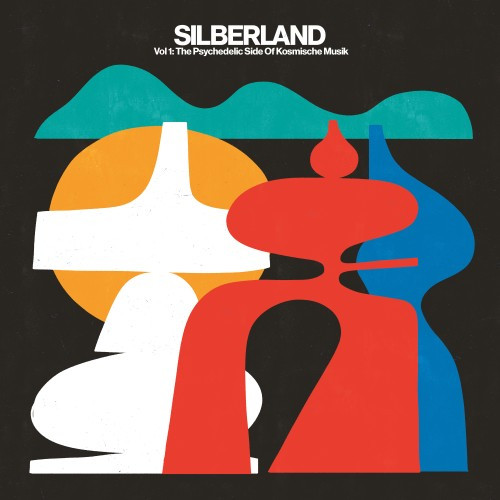
Silberland Vol 1: the Psychedelic Side of Kosmische Musik
Fellow humans, Bureau B invite you on an expedition to Silberland, a singular span of spacetime created by Germany’s sonic futurists of the seventies and eighties. Embracing the early electronics and tape experiments of the sixties’ avant-garde, thes…
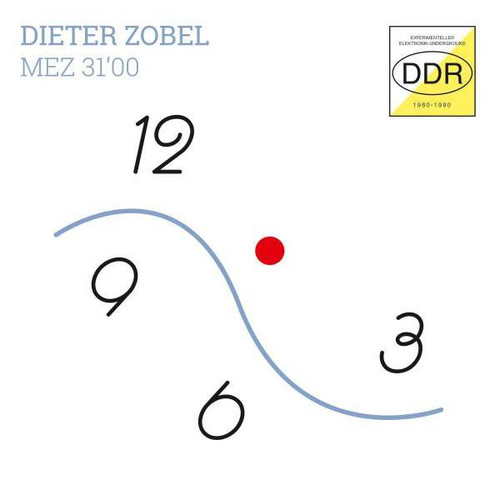
MEZ 31'00 (Experimenteller Elektronik-Underground DDR 1989)
*In process of stocking* Dieter Zobel aka Didier Leboz: serial tinkler, inventor, freestyle freak Tension. Performance. Resistance - our Zonic Spezial documenting underground cassette culture in the latter years of the GDR caused quite a stir when it…
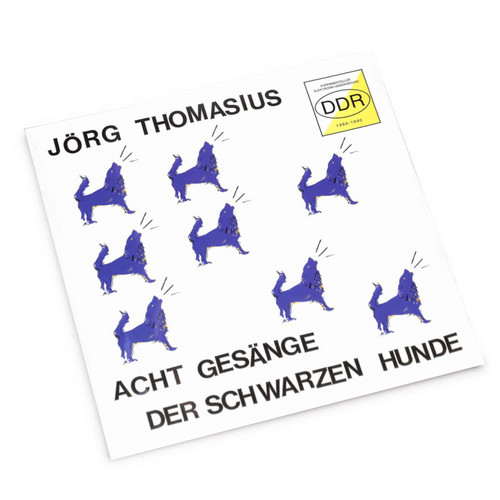
Acht Gesänge Der Schwarzen Hunde
'When in 2006 our Zonic Spezial "Voltage. Power. Resistance. Magnetic Tape Underground GDR 1979-1990" was published in cooperation with Verbrecher Verlag and the legendary label ZickZack, there was some amazement. Especially when the enclosed CDs wer…

Cluster & Eno
The first of two milestones in ambient music recorded by Germany's legendary electronic pioneers Hans-Joachim Roedelius and Dieter Moebius together with Britains music eccentric Brian Eno.
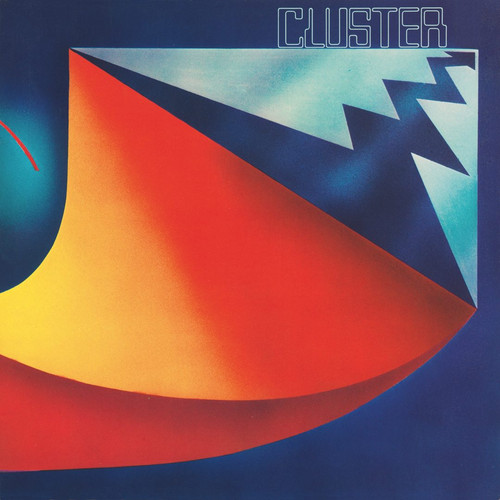
Cluster 71
The abrasive, epochal debut. Moebius and Roedelius push organ, guitar and homemade electronics through banks of effects into three untitled slabs of proto-ambient drift. Year zero for German electronic music, still startling fifty years on.
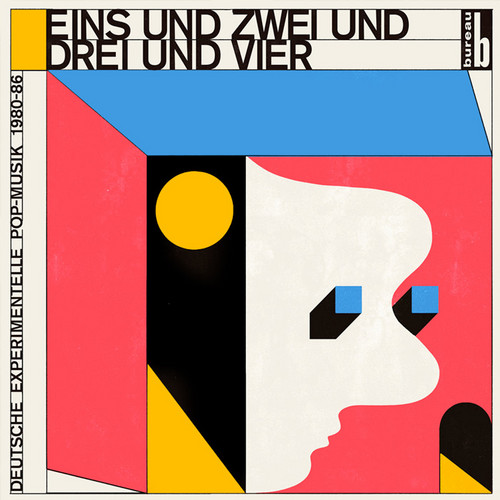
Eins und Zwei und Drei und Vier: Deutsche Experimentelle Pop-Musik 1980-86
Spunky wave kraut from early ‘80s Germany, portraying the sound of the country’s first proper youth movement, with Conrad Schnitzler, Der Plan, Palais Schaumburg, Asmus Tietchens, Holger Hiller, Populäre Mechanik and many more
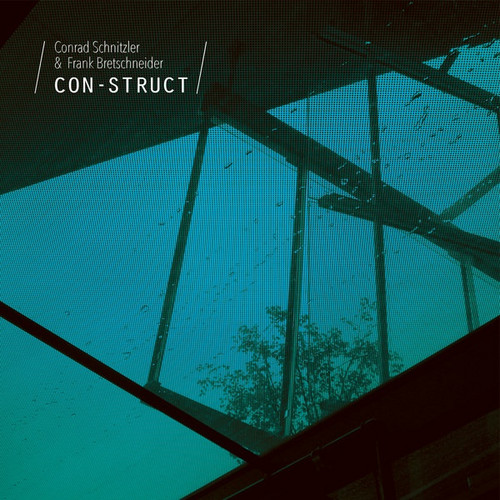
Con-struct
LP version. About the Con-Struct series: Conrad Schnitzler liked to embark on daily excursions through the sonic diversity of his synthesizers. Finding exceptional sounds with great regularity, he preserved them for use in combination with each other…
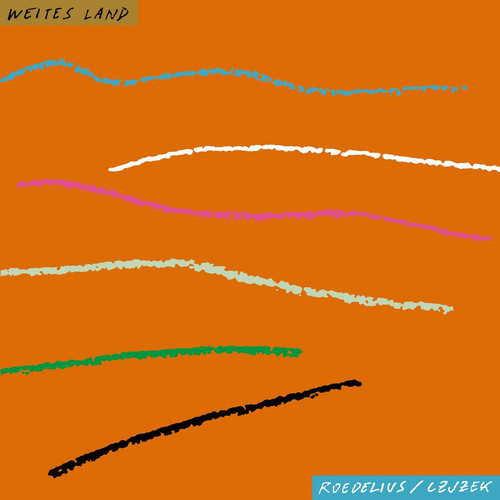
Weites Land (LP)
'Wide country': Roedelius and Alexander Czjzek paint expansive, cinematic soundscapes. Synth, piano and open space combine in music of pastoral grandeur, meditative, melodic and gently widescreen.
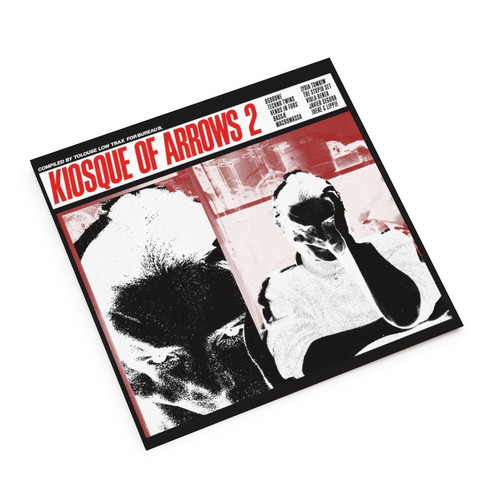
Kiosque Of Arrows 2: Compiled by Tolouse Low Trax (LP)
LP version. Bureau B present a very special release: Kiosque Of Arrows 2 is Detlef Weinrich's (aka Tolouse Low Trax) first compilation for Bureau B. Echoing the spirit of the legendary samplers found on Les Disques Du Crépuscule or Made To Measure, t…
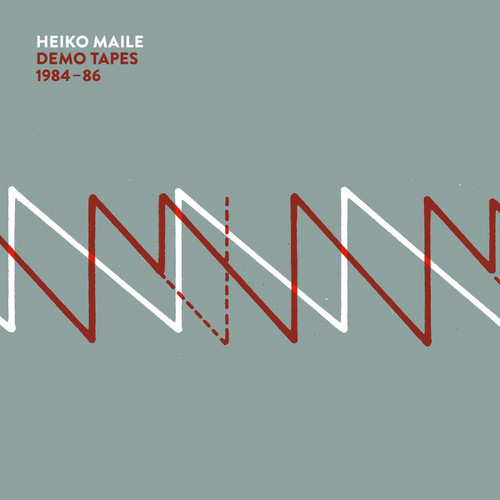
Demo Tapes 1984-86 (LP)
Before Camouflage: teenage demo tapes, 1984-86, from synth-pop craftsman Heiko Maile. Bedroom sequencers and bright melodic hooks capture a gifted talent forming, a charming, revealing document of German synth-pop in the making.
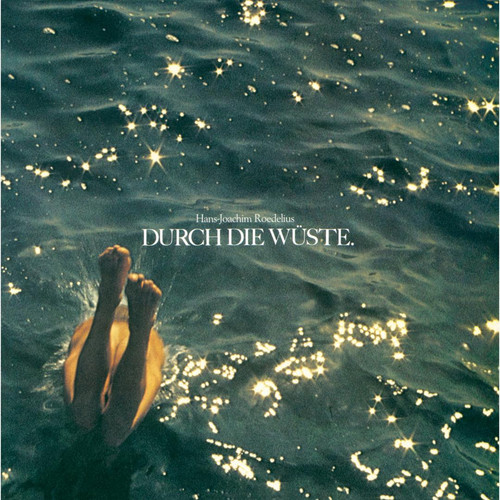
Durch Die Wüste (LP)
'Through the desert': Roedelius sets out on solitary electronic wandering. Spare, hypnotic keyboard figures and dry, shimmering textures conjure vast imaginary landscapes, early solo kosmische of quiet, questing beauty.