New Arrivals
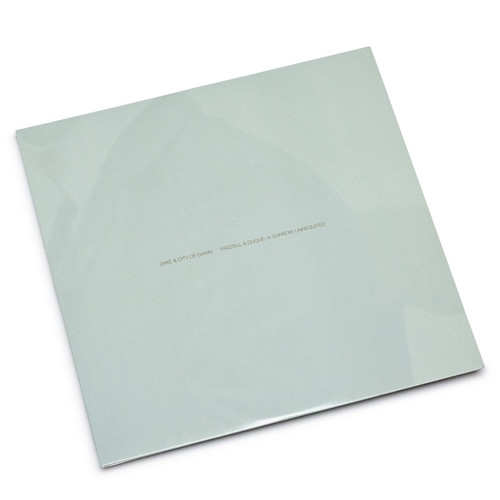
Frizzell & Duque: A Sorrow Unrequited
*200 copies limited edition* "A Sorrow Unrequited is a short but gorgeous collaboration between Frizzell & Duque, comprised of five minimalist explorations of high-fidelity sound. Each piece begins with the statement of a simple melody, which repeats throughout as additional layers accumulate, slowly teasing out new melodies. Rather than linger in the imperfections of media, as so many artists who work with repetition tend to do, instead the duo pursue an attention to fidelity that forces them t…

Ngoma Tanzania
Joyful rug-cutters and sweet soul-uplifters from the town of Morogoro, in early-1960s Tanzania: muziki wa dansi, inspired by Cuban 78s, and dance crazes like the twist and cha cha cha, but making them its own. Here is the cream of over a hundred recordings by Salum, mostly for Mzuri Records of Kenya; pretty much lost till now. In an old-school tip-on cover, with lyrics in Swahili and English on the inner sleeve. Lovely stuff.
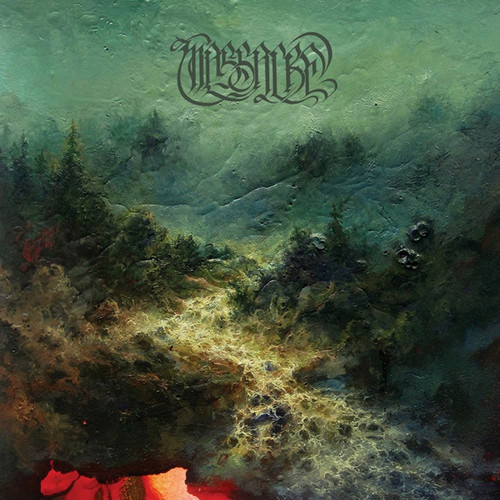
Massacre
*2026 stock. 100 copies limited edition* "The resulting music is an unearthly ever-shifting roar, sometimes identifiable as the product of guitar and saxophone but just as often not. Obrazeena’s guitar frequently starts out as an almost country-tinged drone, not unlike Earth’s “Hex; Or Printing In The Infernal Method” before turning into a downtuned wall of thick, syrupy distortion you can almost touch. Ponomarev’s sax screeches and bellows, and his electronics create a dense pulse, with needle-…
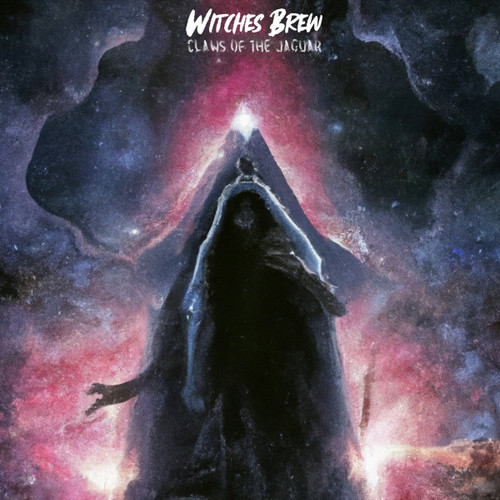
Claws of the Jaguar
*2026 stock* Deep within the heart of an ancient forest, The Wolf, The Jaguar, The Bull, The Bear, and The Raven resided. They were guardians of the woodland, protectors of balance and harmony. But one fateful night, a foreboding darkness seeped into their sacred realm, whispering tales of corruption that had plagued the planet beyond the trees. Driven by an unnerving curiosity, they made a pact to venture beyond the borders of their lush abodes and uncover the source of this malevolence. Togeth…
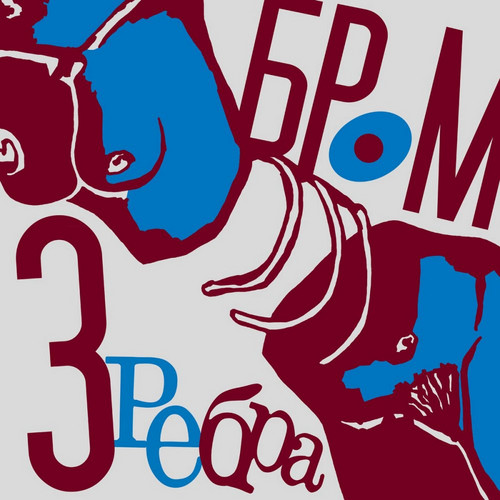
Three ribs
*2026 stock* Recorded April 2013 at DOM CC (Moscow). Mixed and mastered by Maxim Khaykin. Cover and design of material version of album by Dmitry Lapshin. Anton Ponomarev - baritone-sax Konstantin Sukhan - trumpet Dmitry Lapshin - double bass
Dødsdromen
*2026 stock* Dødsdromen means "death well" in Danish, a stunt show in which drivers of motorcycles and miniature cars ride in a circle along a vertical wall, performing dangerous stunts due to friction and centrifugal force strength.
P.O. Jørgens - drummer, composer from Denmark known by his own legendary label "Ninth World Music" and band Mokuto trio (where he plays with Lotte Anker on saxophone and Peter Friis Nielsen on bass), collaborations with Mats Gustafsson (Torden Kvartetten) and Peter …
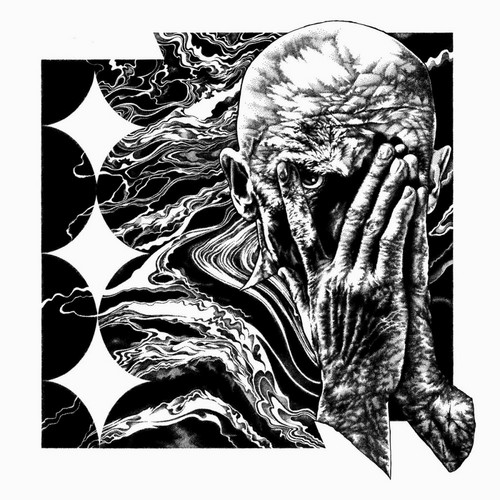
AP/RO
*2026 stock*
Anton Ponomarev: saxophone, electronicsRyoko Ono: saxophone, mixing, mastering
This record was originally released by Fort Evil Fruit (Ireland), July 15, 2022.
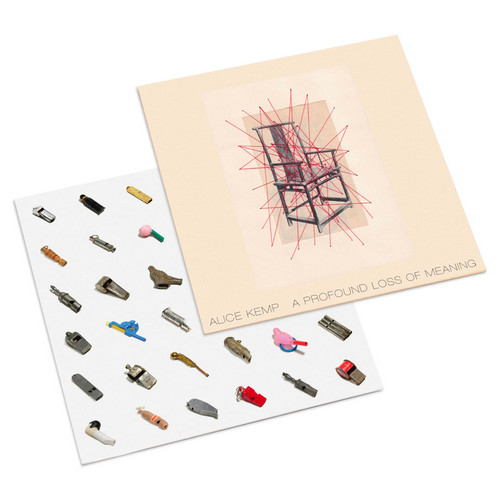
A Profound Loss of Meaning, El Llamado
Two of the latest releases from Tochnit Aleph - Daniel Löwenbruck's project, for three decades one of the most radical and consistent spaces in the international experimental landscape, now operating from Denmark - that share a common obsession: sound as act, as summons, as a gesture that the recording does not archive but transforms. El Llamado (Der Aufruf) by Mario de Vega and A Profound Loss of Meaning by Alice Kemp are two works that inhabit the threshold between performance and record - and…
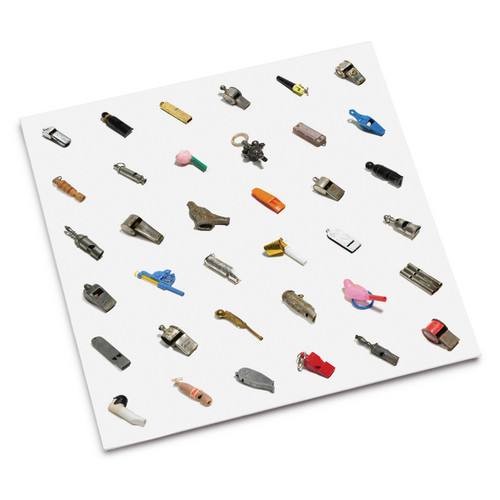
El Llamado (Der Aufruf)
On El Llamado (Der Aufruf), Mario de Vega distils a performative piece for dispersed voices and whistles into a stark, fixed composition, turning a global collection of wind instruments and a single outdoor activation into a study of call, place, and the politics of listening.
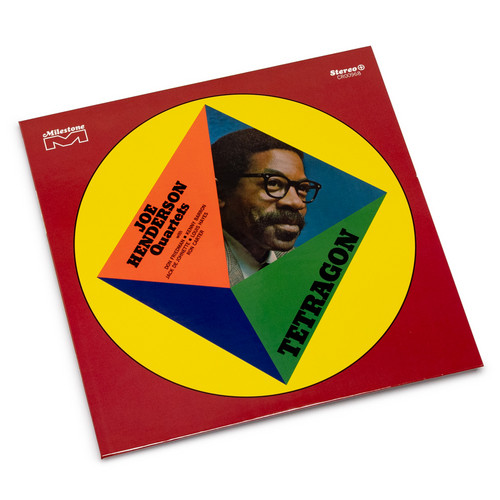
Tetragon
On Tetragon, Joe Henderson sharpens his post‑bop language to a diamond point, driving a powerhouse band through knotty tunes and reworked standards that already hint at the spiritual depths he’d soon explore more fully.
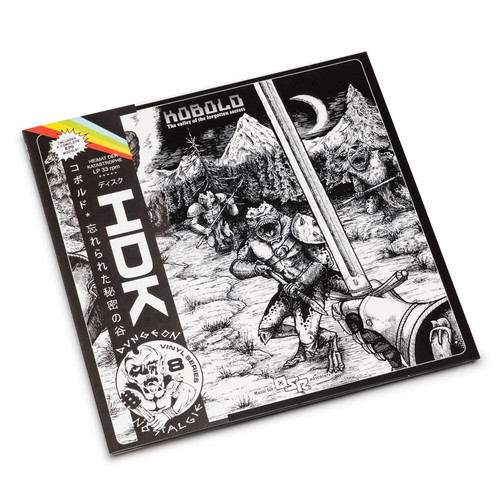
The Valley Of The Forgotten Secrets
LP. Limited edition. Black vinyl. RPG module booklet with map. The first HDK cassette sold two copies. Possibly three. Then, in the summer of 2017, something called Kobold knocked on the door of this Milanese DIY collective with The Cave of the Lost Talisman, and the whole thing changed. The tape had a concept: every track corresponded to a location on an actual dungeon map, the music scored a playable D&D adventure module, and the listener could follow plot and music simultaneously through the …
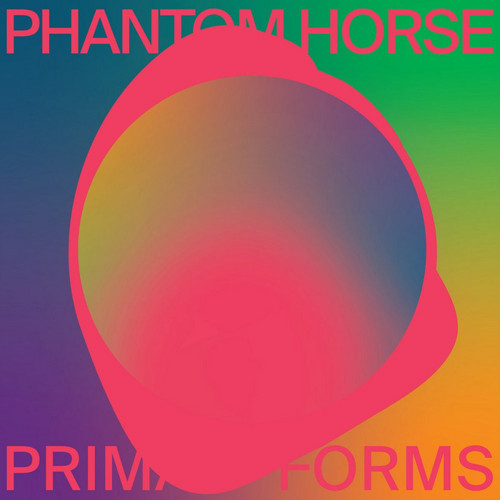
Primal Forms
*300 copies limited edition* After their last album six years ago, "Primal Forms," the new album by Phantom Horse, finally arrives. The German duo of Ulf Schütte and Niklas Dommaschk have long established a reputation for expertly crafted, hypnotically slow-burning electronic music, and we do not hesitate to say that "Primal Forms" stands among the epitomes of their discography. The sequencing of "Primal Forms" cannot be underestimated. It is an album in the classic sense. It demands to be liste…
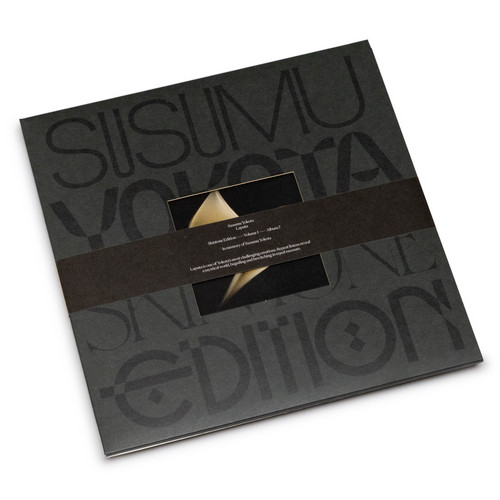
Laputa
Laputa, a title taken from the fantastical floating island of Gulliver's Travels is aptly named as 'The album that never landed' for, apart from a limited touchdown in Japan, Laputa was never released. This mystical world is a summation of Yokota's journey so far, a complex and at times challenging work but immeasurably rewarding. Beguiling and bewitching in equal measure.
Over fifteen undulating sonic fugue states, he guides listeners round a liminal world, made up of familiar materials but for…
To Dream Is To Destroy
*110 copies limited edition* This is the fourth studio album of Kryptogen Rundfunk and the first one since the project moved from Russia to the Netherlands. Six tracks full of weird trademark radio noises and interceptions, heavy bass drones and piercing high frequencies, abstract electronic signals and quirky samples. These layered compositions are slowly building up, creating thick mesmerizing walls of sound, yet at the same time leaving room for a bit of flippancy. An uneasy ride for a restle…

The Catastrophe Machine
*200 copies limited edition* "If you remember me, then I don't care if everyone else forgets" - Haruki Murakami
Pro-dubbed cassette in an O-card with a soft-touch finish and an insert / download card.
Quando crolla
*70 copies limited edition* I was invited to a Drove session in October 2023. It was my first time engaging with a sound environment centered on prolonged, mellow listening outside of club chillouts. I set out to rework the live recordings and distill something distant and quiet that I felt was unfolding beneath the surface — a simpler texture, a droning blanket for the ears, a couple of mind pillows.

Alyssa
*300 copies limited edition. Black sleeves with paste-on artwork and a postcard* Debut LP from a new Gothenburg duo consisting of Irma Krook (Makthaverskan) and Dan Johansson (Sewer Election). Alyssa takes elements from Irmas Military Arms 12" released a few years ago and combines it with the mind expanding synth stuff Dan has explored with the Psychic Panorama recordings recently. Adding a few larger-than-life piano bangers and whatnot, the result is a dreamy and mesmerizing night time album …
Press
“It’s hard not to figure Jack Sheen’s compositions primordially; they lurch and rock with an abortive conviction, as if heralding culture’s approach—still half-submerged, slouched and red, ages ago. His work is somehow determinedly before almost everything; it feels like a dialectical twin to Beckett’s afterwards. Press moves with grossly impoverished intent—almost as if composed—while trembling and stumbling on the cusp of accident. This projected bodily timidity corresponds with a situation ri…
Microliths and Momentary Drifts
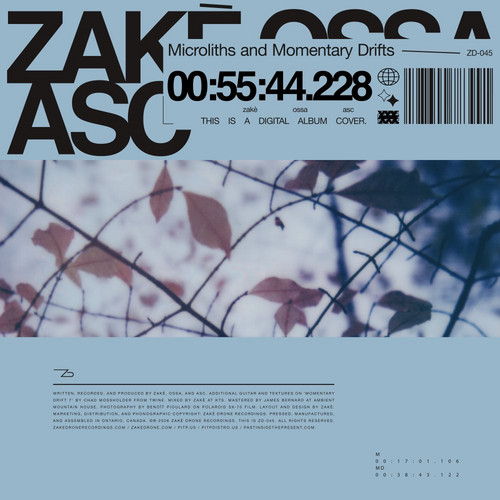
*250 copies limited edition* Microliths and Momentary Drifts is the first full-length collaboration from the trio of zakè (Zach Frizzell), Ossa (Kaiton Slusher), and ASC (James Clements), where rolling analog synth lines, chest-rattling bass, and otherworldly atmospherics evoke and build on the timeless qualities of peak-era 90s ambient. Each artist has released solo and collaborative works for Zakè Drone Recordings and Past Inside The Present over the last half-decade, but in this combination, …

Issue 136 (Magazine + 7", Orange)
For acclaimed composer Hannah Peel, the momentum just keeps building. A superb new album with virtuoso percussionist Beibei Wang, her continuing ‘night tracks’ show on BBC radio 3, and an ambitious ballet inspired by her Mary Casio alter ego, all point to 2026 being the year she makes another major leap forward.