Moving Furniture Records super sale
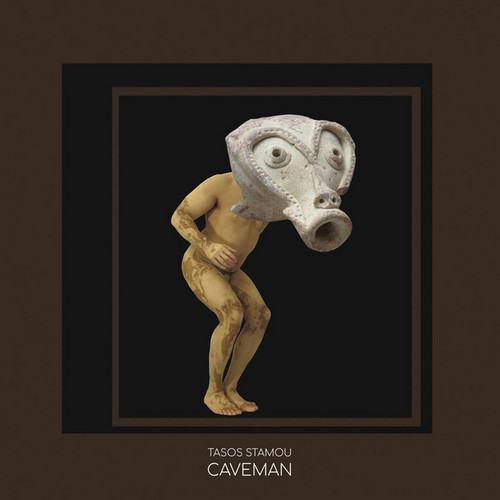
Caveman
Caveman is a document of Stamou's live practice: two complete extracts of solo improvised performances using his 'portable electroacoustic studio'. The setup combines acoustic instruments (prepared zither, reeds, recorders, objects) with handmade electronics, modular synthesis and live-processed feedback loops, producing long continuous pieces built on sustained tonal textures and free improvised solos. What the artist calls ritual noise: a slow-burning, immersive electroacoustic atmosphere.
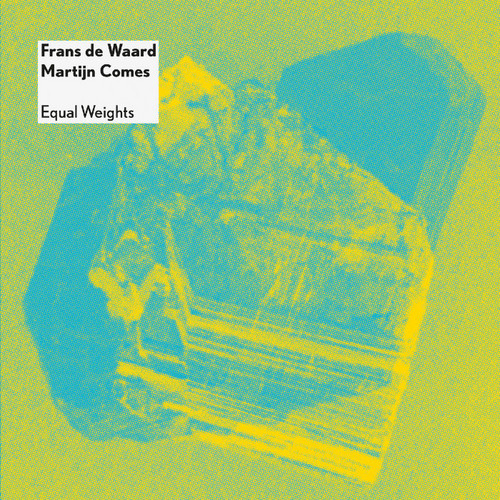
Equal Weights
Companion to Various Weights, pursued through an inverted method. De Waard prepares two empty acoustic containers of predefined length with his own sonic brushstrokes, then sends them to Comes, who completes the 'paintings' by filling in the blanks - the two artists collaborate without ever directly responding. The electroacoustic timbres triggered a sentimental mood in Comes, and the two long-form tracks develop themes of memory, grief and longing. CD with an A5 eco-printed book.
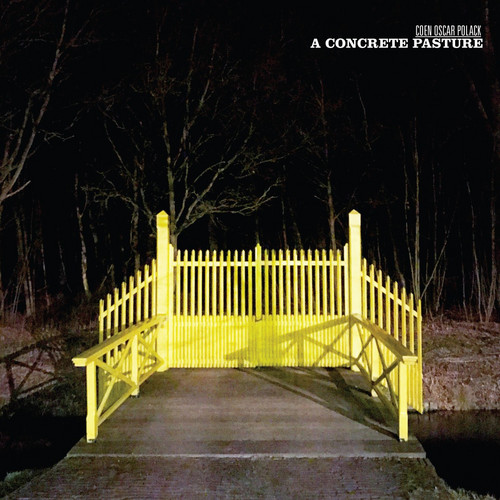
A Concrete Pasture
Follow-up to Haarlemmerhout, pushing Polack's hyper-local Haarlem practice out into the wider world. Four long pieces are built from material gathered across continents - the temple of the reclining Buddha (Wat Pho, Bangkok), Schiermonnikoog in the Dutch Wadden, Hong Kong traffic lights, Gamelan percussion - then routed through electronic processing, nostalgic power chords, electroacoustic crescendo writing, and a final tenor saxophone gesture reminiscent of Albert Ayler's raw expressivity.
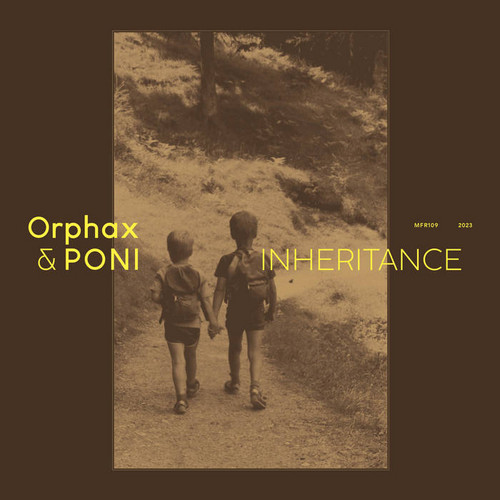
Inheritance
First collaboration between the brothers Sietse and Tjeerd van Erve - Orphax (drone and electroacoustic) and PONI, Person Of No Importance (dark lo-fi guitar songs). Inheritance is a near-translation of the family name van Erve, and the album returns to shared early influences from their father's record collection, late-night Dutch radio and the Belgian Studio Brussels station. Opener As Received builds slow drone into post-rock intensity; later tracks reach toward late-period Swans territory.
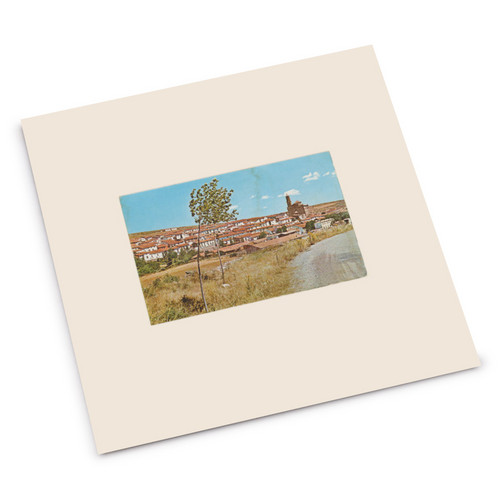
En De Stilstaande Tijd
Continuation of the same piano source material used on the Piano Music 7-inch, here developed into a long-form work. Orphax takes a postcard he bought in a Spanish village in 2001, while studying geology, as imaginative axis: the tranquillity of small houses, church and sand road as a place where time appears to stand still. The album builds organ-like, slightly dissonant tonal fields whose slow evolution renders that frozen-time atmosphere as patient, quiet, nostalgia-saturated ambient drone.
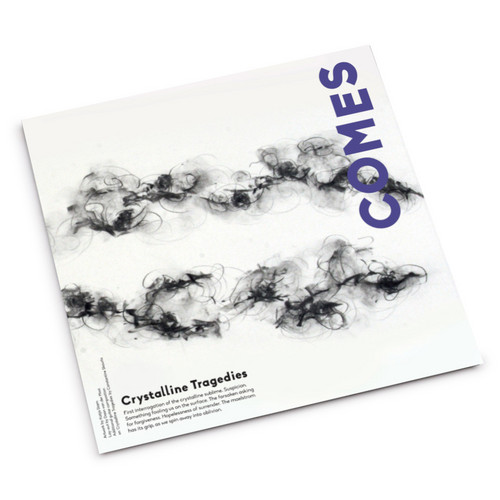
Crystalline Tragedies / The Procession - Distant Motionless Shore
An unusual collective release: Comes and Aldinucci composed their two pieces in complete isolation, exchanging neither studio time nor materials, but both worked from the same Nietzschean opposition - the moral codex of the Christian church against the radical surrender to emotion. Aldinucci builds his side from a single field recording of a procession in rural Tuscany; Comes's Crystalline Tragedies traces three distinct sections through the affective dimension of major life passages.
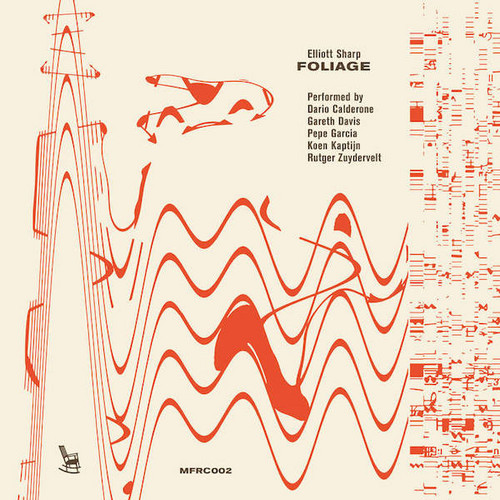
Foliage
Foliage is a long-form graphic music score by Elliott Sharp, consisting of eighty risograph prints offered as abstract instructions open to any number of realisations by any instrumentalist or ensemble. Sharp works in the lineage of post-1945 graphic notation but with a contemporary twist: the score was produced by routing his own conventionally written music through graphics editing software, distorting, layering, inverting and blurring it until notation explodes into retinal artwork.
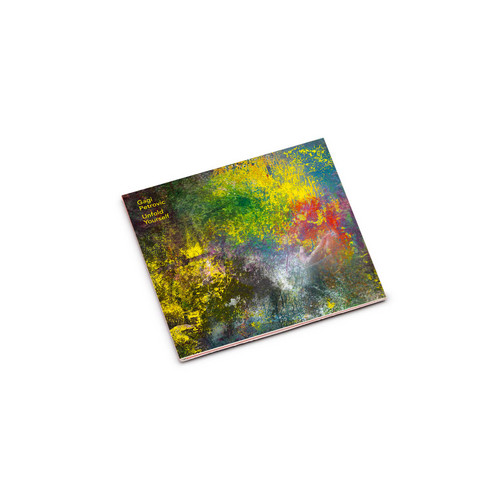
Unfold Yourself
Fourth release by Petrovic on the label, distancing himself from the GEST instrument to re-explore conventional means. Seven pieces narrate an emotional arc - Disrupt, Obstruct, Shatter, Rejuvenate, Illuminate, Erupt, Arise - through which a Petrovic-figure works back out of an extended depression. The vocabulary moves from Moog-like dark tones and metallic percussion through bowed-guitar ambient writing to almost danceable beats in the closing pieces. A study of recovery in compositional form.
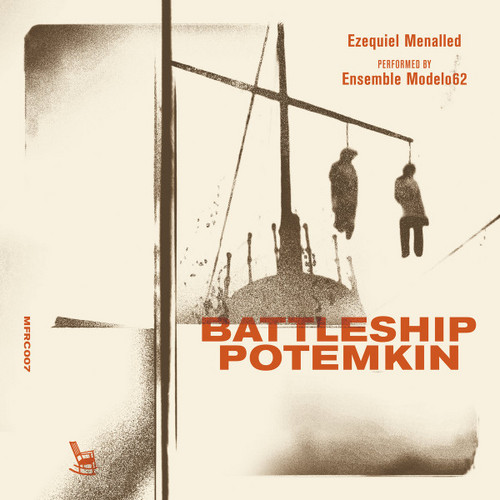
Battleship Potemkin
Seventh in the MFR Contemporary Series. Ezequiel Menalled composes a new soundtrack for Eisenstein's Battleship Potemkin (1925), performed by Ensemble Modelo62 and recorded at their Hague studio on 13 March 2020. Six acts span the film's structure, internalising the frantic editing in shifting layers, pulled focus and forced perspective. Realised in the spirit of Eisenstein's wish that a new score be written every twenty years, the music becomes a speculative meta-version of the film.
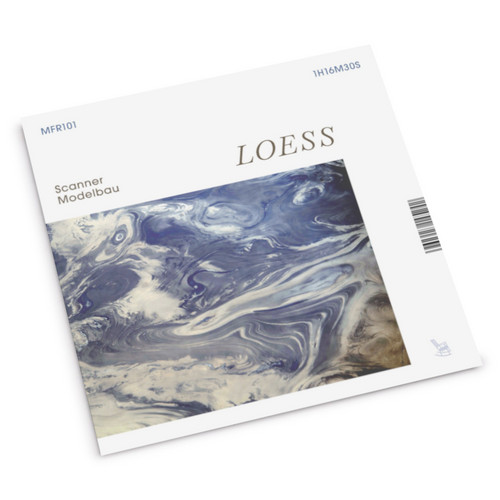
Loess
First collaboration between Scanner (Robin Rimbaud) and Modelbau (Frans de Waard), composed entirely by exchanging physical cassettes through the post. Each artist worked unpredictably on what the other sent: Rimbaud through Ellitone Farm Detective Ultrarollz and Flower Electronics, de Waard via Modelbau's iPad synths, Korg Monotron and cheap pedals. The released sequence (ten pieces across four LP sides) is one interpretation among many possible mixes. Warm, lush ambient with analogue grain.
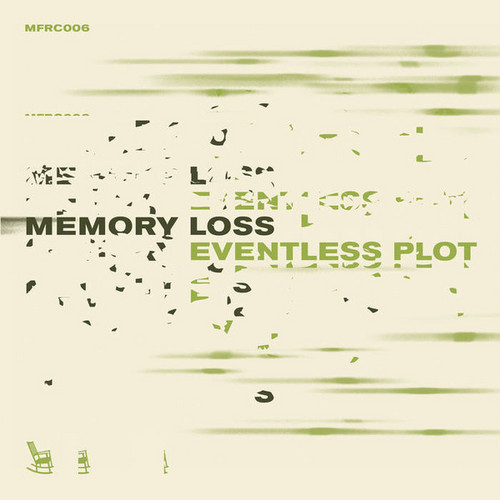
Memory Loss
Sixth release in the MFR Contemporary Series. Greek trio Eventless Plot (Liolios, Giatas, Tsirikoglou), joined by bass clarinetist Chris Cundy, take recent research on music and Alzheimer's disease as starting point: that music helps both retrieve old memories and lay down new ones. Two long compositions are built from repeated patterns creating familiarity, then gradually layered with shifting tone combinations. Instrumentarium includes psaltery, tape (Revox A-77), modular and bass clarinet.
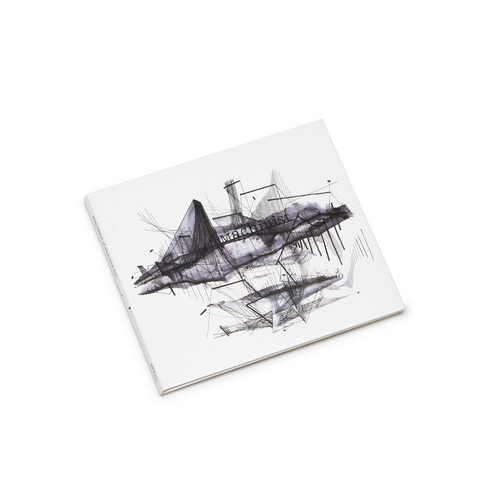
Of What Once Was
A fifty-five-minute diptych. The opening piece transposes Yves Klein's Monotone Symphony (1949) onto solo electric guitar: a sustained drone on the pitch D, where variation arises only from durational shape and the changing morphology of resonance. The closing piece, live-improvised, marks Machinist's move beyond guitar-drone toward wider sonic terrain. Across both runs the same inquiry: spatial field recording against non-spatial computer tone, mediated by guitar amplifier as resonating body.
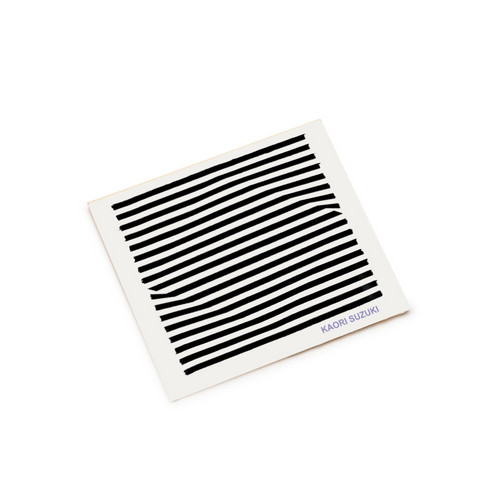
Music For Modified Melodica
Suzuki's third solo album, framed by a single instrument she modified herself: a melodica re-engineered to play via foot bellows, so that high-pressure airflow overblows the small reeds into a sustained, loud excitation. The pumped breaths are amplified through time delays, layered with oscillators and manipulated highs to develop the combination tones that emerge at extreme volumes. A durational, psychoacoustic drone work that 'rewards endurance with transcendence', performed live.
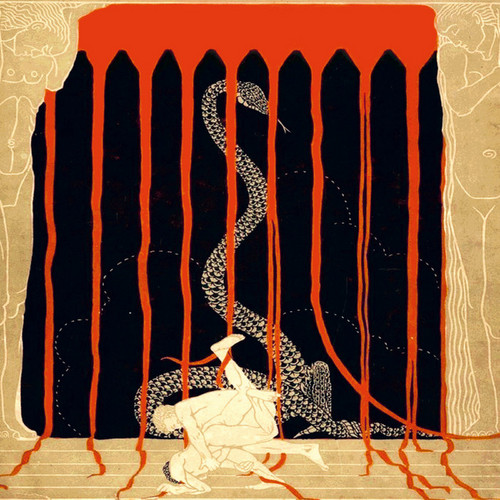
John Duncan / T.R. Kirstein
First collaboration between Tobias R. Kirstein and John Duncan, prompted by a dream Kirstein had on 31 May 2019 - the day Roky Erickson died - in which Duncan repeated 'You Are Safe' against a backdrop of sine waves. Two long pieces result: Duncan voices texts (You Are Safe, the second 'Come To Me') sustained by Kirstein's slowly morphing electronic backgrounds, computer-generated drones that thicken into something close to insect resonance before settling. Process-led voice and electronics.
Less Is More
Recording of Orphax's live performance at Factor-IJ, Amsterdam in August 2021, part of the programme curated by Moving Furniture Records to accompany the Polderlicht-organised exhibition Less Is More. The full set is reproduced as recorded, without edits. The performance brings Sietse van Erve's recurring interest in minimalist aesthetics into conversation with his own drone practice, producing warm, organic atmospheres in which the listener's sense of time and place deliberately disintegrates.
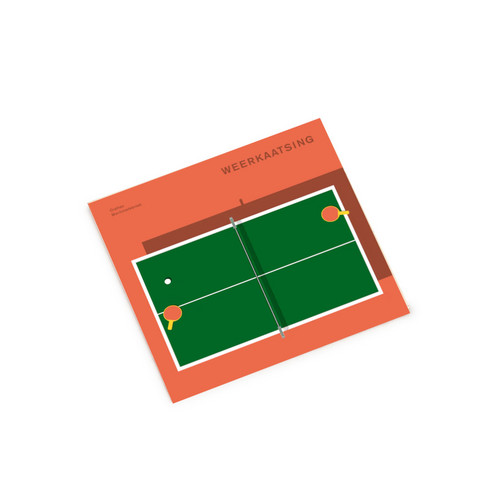
Weerkaatsing
First studio meeting between two figures long circling each other in the Dutch experimental scene. The structure is itself a kind of mirror: Spiegeling is Machinefabriek's remix of Orphax's De Eerste Dag, Reflectie is Orphax's twenty-minute remix of Machinefabriek's 2007 piece Stofstuk, and the title track is the only fully joint composition. Long-form drone built through indirect dialogue, with each signature still audible but inflected by the other.
Smelter
Second album by DNMF, the duo formed between Machinefabriek and the Dutch droning free-jazz combo Dead Neanderthals. Across some forty minutes Smelter develops a highly dynamic amalgam of metal, drone and dark ambient, the heaviness of the Neanderthals' instrumental mass folded into Zuydervelt's electroacoustic processing. The result moves between glacial expansive stasis and dense ferrous noise, holding the two registers in productive friction without resolving them into either.
Seeking the intimacy of silence
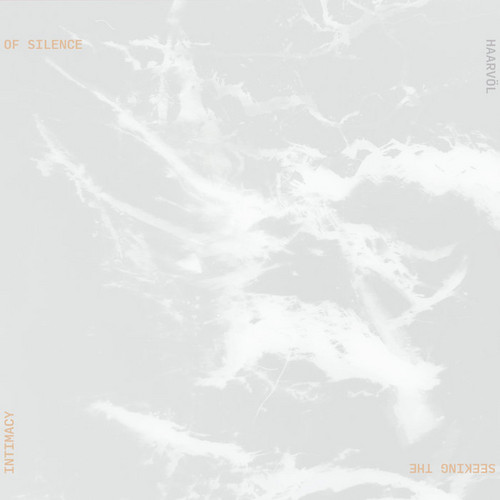
Haarvöl's fifth album for the label, departing from their previous trilogy. The work draws inspiration from the silence and solitude experienced during the heavy Portuguese pandemic lockdowns, while celebrating the act of coming together again - and is the first Haarvöl record composed live in the same room rather than by exchanging files at distance. Seven pieces of drone microsound and ambient electroacoustic writing whose titles describe a quiet, indecipherable tone under post-real time.
Bayou-Borne / Jitterbug
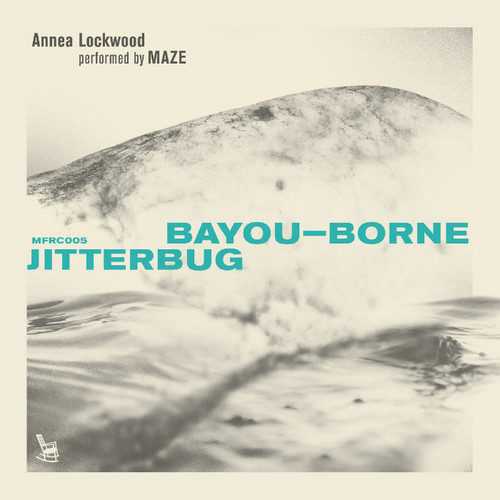
Fifth release in the MFR Contemporary Series. The Amsterdam-based ensemble MAZE (La Berge, Calderone, Davis, Kyriakides, Hijmans, van Houdt) realises two works by Annea Lockwood, both built around graphic scores derived from photographs of natural systems. Bayou-borne, for Pauline (2016) is dedicated to Pauline Oliveros and uses a map of Houston's bayous; Jitterbug (2007) interprets rocks from the Continental Divide with Lockwood's pre-recorded aquatic and terrestrial insect sounds.
The Sprawl
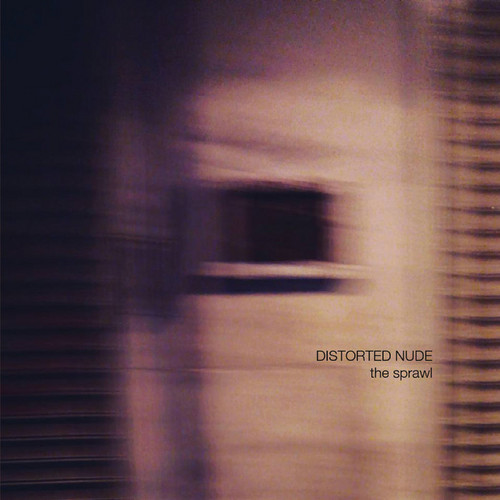
Distorted Nude is Glenn Dick's new project after Find Hope In Darkness, marking a decisive shift from a wholly computer-based practice to one centred on electric guitar. The Sprawl is a single composed track built from improvised sessions with guitar, effect pedals and laptop, drawing on the Belgian underground's long tradition of droning post-rock. The piece flows between dark melancholic drone and more transcendental zones, holding the listener through patient, slow-burning architecture.