The six pieces - “The Rainbow”, “Eden”, “Desire”, “Inheritance”, “I Believe in You”, “Wealth” - feel like movements of a single work rather than discrete songs. Tempi are glacial, yet the dynamic range is huge: brushed cymbals and almost inaudible shakers suddenly give way to eruptions of raw harmonica, overdriven guitar, or Hammond organ that hit with the shock of a thunderclap in a quiet church. Instruments are played simply, often in long, unadorned tones; Hollis insisted that technique was irrelevant compared to “understanding the feel of this album,” and the performances bear that out. His voice - all breath, fracture, and aching restraint - floats over this landscape like another instrument, the words hovering between prayer, doubt, and plainspoken anger, especially when he addresses addiction and spiritual failure in “I Believe in You.”
What holds Spirit Of Eden together is its command of space and silence. Sections appear to dissolve: a phrase on trumpet, a scrap of blues piano, a cluster of organ chords, then a pause long enough for the listener to wonder whether the track has ended before a new texture quietly blooms. The pacing is so relaxed it “approaches vanishing point,” as Friese‑Greene put it, which means every entrance matters; a single drum hit or chord change lands with disproportionate weight. The record has often been labelled “ambient,” but in practice it refuses background status: turn it down and it disappears; turn it up and it demands absolute attention, making each crack of the snare or swell of the choir feel like a revelation.
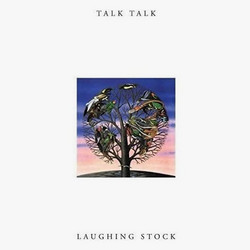
On release, this approach baffled and infuriated its paymasters. EMI had bankrolled the album expecting a successor to the million‑selling The Colour of Spring; instead they received a work that Q magazine admiringly called the kind of LP that “encourages marketing men to commit suicide.” Sales were poor, the band–label relationship collapsed, and Spirit Of Eden went out of print for a time, circulating as a whispered recommendation rather than a catalogue staple. Yet among musicians and critics the record slowly acquired the aura of a secret landmark: Alan Wilder of Depeche Mode praised its “brutally non‑conformist” use of space and silence, while later generations would cite it as a blueprint for what became known as post‑rock. Bands as different as Radiohead, Elbow, Sigur Rós, Mogwai and Godspeed You! Black Emperor have been linked back to its free‑form structures, its refusal to compress dynamics, and its insistence that rock instrumentation can move with the patience of jazz and the gravitas of sacred music.