Roxane Metayer, Charles Dubois
Taillis (Tape)
A central pleasure of Taillis lies in the inversion and blurring of instrumental roles. Métayer’s violin does not remain a fixed melodic voice; it can become a scraping percussion surface, a soft drone, a thin, unstable line that flutters at the edge of pitch. Dubois’s drums, bells and found or tuned objects, meanwhile, often carry the music’s most song‑like fragments: chiming intervals, small repeating figures, patterns that hover between rhythm and motif. Melody, pulse and texture drift between wood, metal and strings, passing from one set of hands to the other as the instruments echo, follow, interrupt and gently contradict each other. This constant exchange keeps the dialogue unsettled in a productive way, as if the piece itself were deciding in real time what counts as “lead” or “accompaniment.”
Formally, the album moves between song‑adjacent structures, more abstract passages and open improvisation. A bowed phrase may stretch out over an unstable tempo while bells or tuned wood shadow it with their own, slightly misaligned logic; a cluster of knocks and scrapes may, through repetition and friction, cohere into a loose cycle that feels like a rhythm only in retrospect. Voices and subtle effects occasionally thicken the air, but never break the sense of proximity. What emerges are pieces that drift between pulse and suspension, never quite locking into groove, never dissolving entirely into texture. There is a tension between forward motion and stasis that feels true to the title’s image: moving through a thicket, you are always taking small steps, yet the environment around you seems to shift more than you do.
Throughout Taillis, change happens at the level of detail. The music unfolds through modest gestures and quiet transformations – a bow angle adjusting, a bell’s decay picked up and answered by a drumhead, a previously foregrounded sound slipping back into the environment. Melodic fragments and loose pulses appear, recede and sometimes return in altered form, leaving behind a lightly marked landscape where resonance is as important as attack. Silence and near‑silence are treated as active elements, framing each sound and reminding the listener that this is music built from proximity, listening and response rather than display.
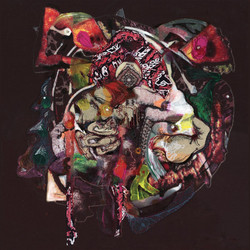
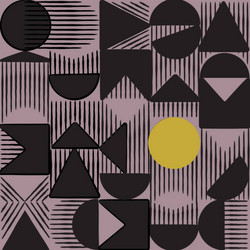
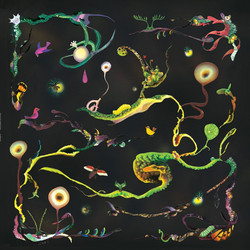
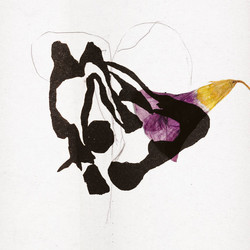
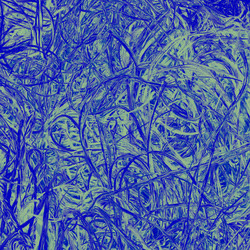
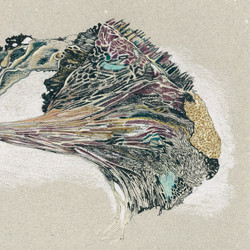
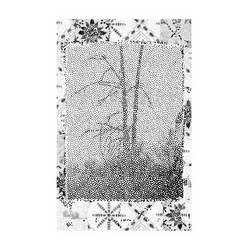
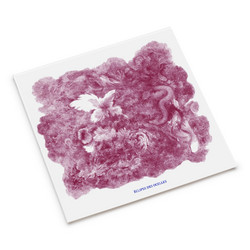
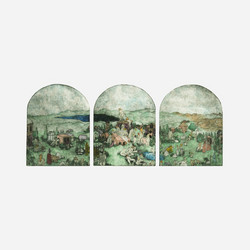
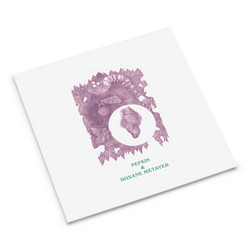
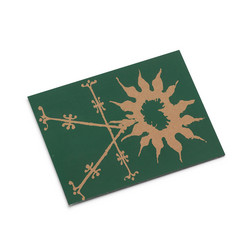
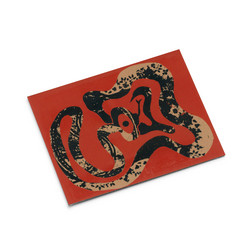
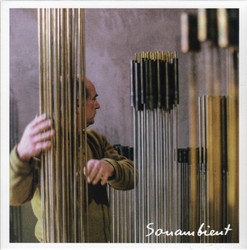
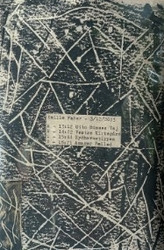
The recording documents a specific meeting between the two musicians at La Galerie Sonore in Angers, as part of the concert series «Up Up and Away», captured by Étienne Foyer in February 2025. Métayer plays violin and effects; Dubois works with percussion, bells and Baschet sound structures on “Arrières éclairs”, folding their idiosyncratic timbres into the duo’s shared vocabulary. Métayer handled the mix, Foyer the mastering, while visual artists Chago, Laconcongrelos and Luis Bazán shaped the artwork, risography and serigraphy. Together, these elements present Taillis as both document and environment: a listening space where two musicians take the smallest possible means and, through attention and restraint, make them feel inexhaustible.
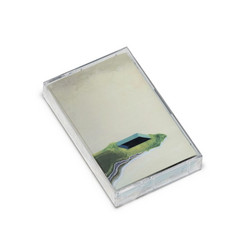
Locally screen-printed cardboard envelope with eco-friendly water based ink. Risograph printing card.