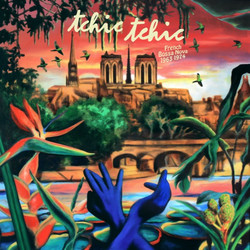
Bossa Nova, which emerged from Brazil in the late 1950s, profoundly influenced French music, manifested by artists like Pierre Barouh and Georges Moustaki. This movement, known as Musica Popular Brasileira (MPB), reflected a blend of modernity and a lifestyle that was both cool and metaphysical. The sound attracted various musicians for its poetic essence, playful rhythms, and the American jazz-bossa and jazz-samba fusion. João Gilberto, a key figure in Bossa Nova, stated that its foundational style is samba, referring to their initial works as simple samba compositions. Bossa nova's unique charm is attributed to innovative chord structures that create a sense of balance and grace. Renowned figures like Pierre Barouh praised this aesthetic, highlighting the beauty found in subtleties. The cultural evolution of Bossa Nova is encapsulated in the compilation Tchic, tchic, French Bossa Nova 1963-1974, which showcases this musical transformation fueled by American influence and reappropriation.
Between 1956 and 1961, Brazil experienced a cultural renaissance. Under President Juscelino Kubitschek, the country saw significant modernization, including the construction of the capital, Brasília. This period of vibrant creativity led to the advent of Bossa Nova, symbolized by songs celebrating a lifestyle epitomized by figures like Helô Pinheiro, the “girl from Ipanema.” João Gilberto’s "Chega de Saudade" faced initial resistance but eventually gained enormous popularity. American jazz musicians, including Dizzy Gillespie and Charlie Byrd, later embraced the genre, further propelling its reach.
Bossa Nova's introduction to France occurred through the guitar-voice format, with artists like Pierre Barouh and Baden Powell leading the way. The Parisian café scene became a hub for its dissemination, showcasing talents such as the Camara Trio. As Bossa Nova gained traction, collaborations began forming between French artists and Brazilian musicians. French interpretations of Bossa Nova often leaned towards a carnival atmosphere, straying from its philosophical roots. The poetic lyrics, often addressing serious themes, were frequently simplified by French singers for a more playful approach.
By the 1970s, artists like Isabelle Aubret and Sergio Mendes incorporated Bossa Nova into the French music canon, creating fusion styles that appealed to a broader audience. They explored the genre's rhythmic potential, integrating jazz, funk, and rock elements. Bossa Nova's essence transcended mere musical enjoyment, becoming intertwined with societal themes, such as women's liberation. Notable actresses recorded Bossa Nova tracks, blending their artistic expressions with the cultural liberation of the era. Ultimately, Bossa Nova's rich tapestry reflects a complex interplay between cultural identity, modernization, and artistic evolution. Its legacy persists, shaping the musical landscape and influencing new generations of artists across the globe. The music remains a testament to the shared cultural experiences between Brazil and France, creating a lasting impact on how music is perceived and appreciated across borders.