Reissues
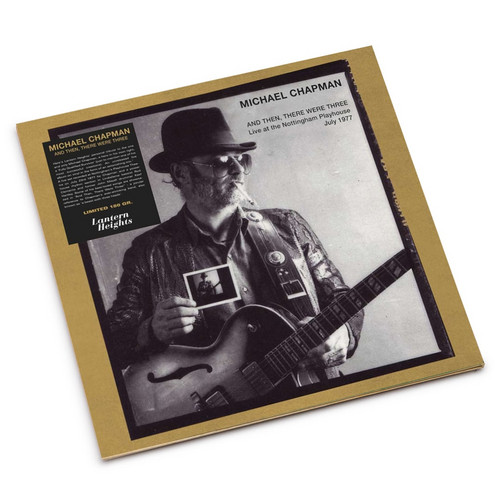
And Then There Were Three
*Limited edition of 500 copies.* Michael Chapman - a hero in his own right, a "Fully Qualified Survivor" (to borrow the title of one of his most successful creations). For over five decades, the guitarist, singer, and songwriter carved his own path through British folk, blues, jazz, and avant-garde territories, refusing easy categorization and outlasting countless trends. And Then There Were Three captures him at a pivotal moment: 1977, stripped down to essential elements, backed by a powerhouse…
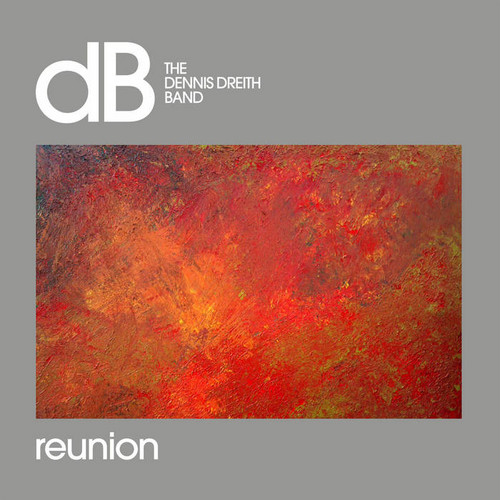
Reunion
*2022 stock.* Way back in the early 1980’s a group of young musicians mostly in their 20's played around the LA jazz scene in a loosely organized jazz/fusion ensemble under the leadership of woodwind instrumentalist/composer-arranger Dennis Dreith. Those musicians, virtually unknown to all except their peers went on to illustrious touring and recording careers working with the biggest names in the music business and added their talents to scores of top charting recordings. Dennis himself grew in…
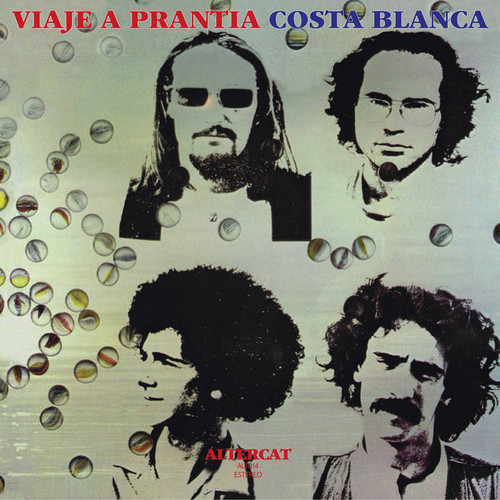
Viaje A Prantía
*2022 stock.* You know you're into something good when you open the album you just bought and find a lyrics sheet, then play it and quickly realise the record is actually instrumental. The unruliness that defined Costa Blanca's short-lived career resulted in such nonsensical contradictions, and helps understand why one of Spain's best jazz-rock bands of the 70s never had a proper breakthrough. Hailing from sun-bathed Alicante in the Spanish Levantine coast, Costa Blanca shared the stage with som…
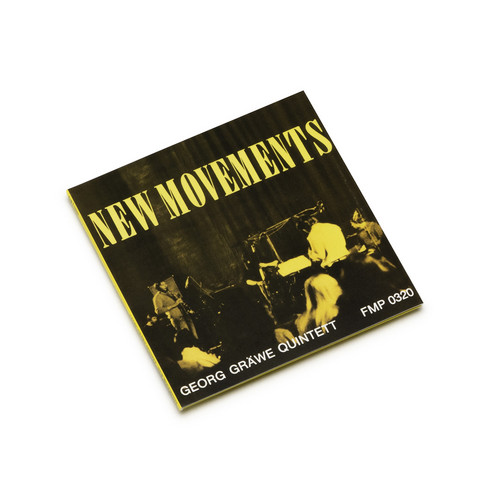
New Movements
*In process of stocking. Limited edition of 500 copies.* German pianist Georg Gräwe, one of the most impeccable and imaginative improvisers in contemporary free music, made his debut recording, New Movements, in 1976, under the auspices of Free Music Production, the legendary Berlin-based organization run by Jost Gebers. At FMP’s Jazz Now festival, in April of that year, Gräwe presented his working band, a classic hard-bop configuration with trumpet, saxophone and rhythm section. Indeed, some ve…
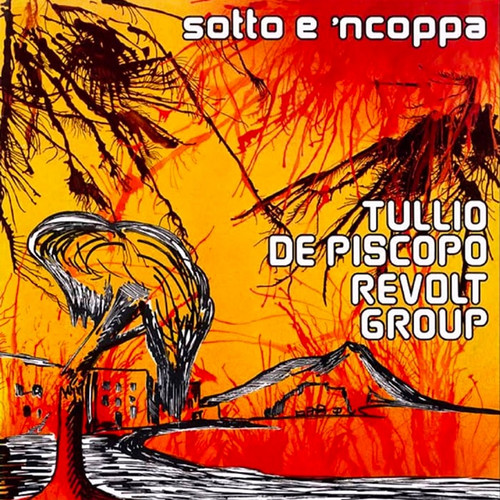
Sotto E 'Ncoppa
CD Edition. One of the most popular session drummers in Italy, born in Naples but working in Northern Italy since the late 60's, Tullio De Piscopo had a brief contact with progressive rock when he played with New Trolls Atomic System in 1973-74, but all his solo production deals with jazz-rock and commercial and dance music. After a first drum teaching LP issued in 1974, Suonando la Batteria Moderna (Vedette VPA 8179), he produced the following year an album entitled Sotto e 'Ncoppa with a very …
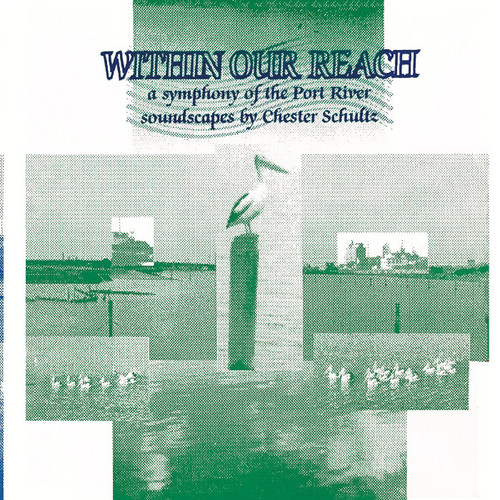
Within Our Reach
The first widely available edition of this singular, long-form composition, Within Our Reach: A Symphony Of The Port River: Soundscapes, by Port Adelaide, Australia-based pianist, composer, writer and researcher Chester Schultz, is proudly presented by De la Catessen Records. Originally self-released by Schultz in 1996, on his own Waterhole imprint, Within Our Reach was initially distributed free as a community resource, and not available for sale. De La Catessen’s reissue is an invaluable contr…
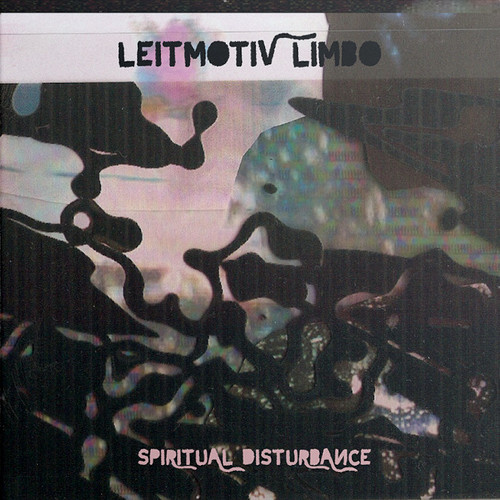
Spiritual Disturbance
De la Catessen Records presents Spiritual Disturbance, from Elijah Värttö's project Leitmotiv Limbo. Currently based in Port Adelaide, Australia, Leitmotiv Limbo has developed, slowly but surely, over the past few decades, through international travel and relocation, including 5 years in Estonia (2008-2012), where Värttö set up the Servataguse Muusika concert series. Spiritual Disturbance was recorded in 2020 and released privately as a small run of recycled cassettes - this CD version is th…
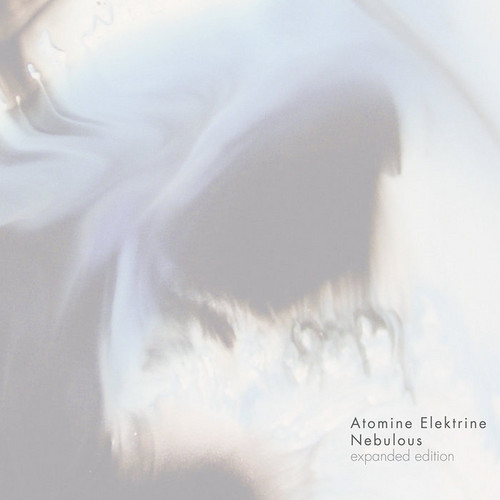
Nebulous (Expanded Edition)
*2022 stock.* On this second installment for Essence Music, Peter Andersson brings Atomine Elektrine to an utterly refined and perfectionist sphere! The trancey beats and sacral atmosphere of Binomial Fusion are past and widely replaced by a truly out-of-body, deeply layered and dynamic cosmic experience in form of a masterful ambience filled with energy outbursts, synthetic movements and algorithmical rhythms. An aural projection for a detailed exploration of nebulas, black holes, exploding sta…
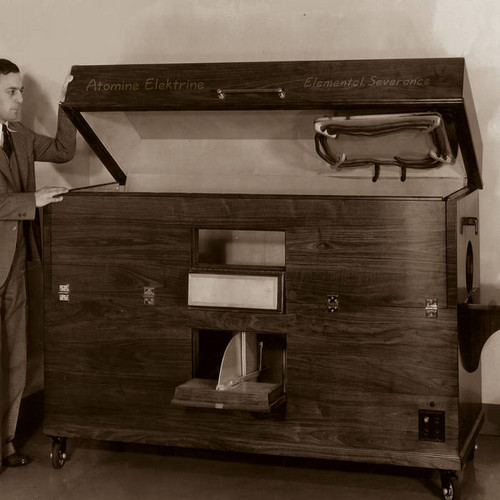
Elemental Severance
*2022 stock.* The series of OEC re-releases by Peter Andersson's (Raison D'Etre) projects continues. And here we go with the re-release of Atomine Elektrine's much acclaimed debut album first out in 1995.
Labelled as 'new-age-sacro-trance' at the time, 'Elemental Severance' actually shows a wide spectrum of electronic styles resulting in a hybrid, yet cohesive masterwork. From trancey rhythms and dreamy, sacral ambiences to occasional male/female choirs, melancholic melodies and well inserted sa…
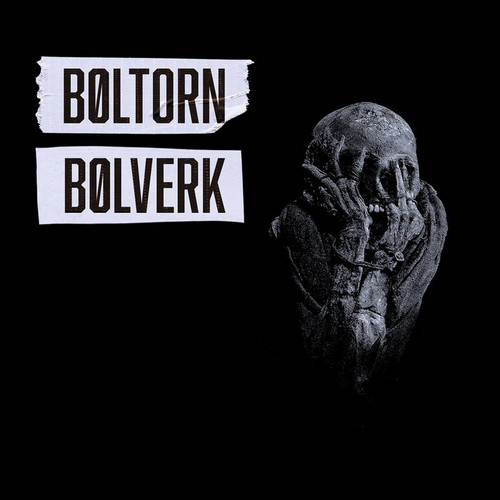
Bølverk
*Limited edition of 300 copies.* Another dangerous Nordic monster is aproaching us! Who is Bøltorn? What is Bøltorn? Why are we going Bøltorn? Well, Bøltorn has now been joined by Nordvargr and bacame the monster that you will discover.
OEC proudly presents the CD version of Bøltorn´s first full length album. This is true old school industrial music that unites the old masters of the style and yet brings something new to the table. Expect harsh textures of jagged waveforms and distorted drums. T…
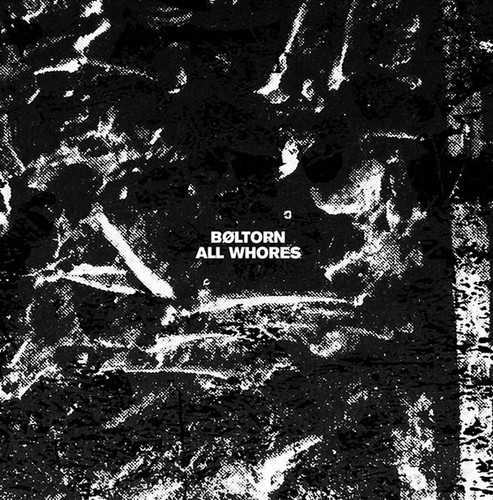
All Whores
*Limited edition of 300 copies.* Another dangerous Nordic monster is aproaching us! Who is Bøltorn? What is Bøltorn? Why are we going Bøltorn? Well, Bøltorn has now been joined by Nordvargr and bacame the monster that you will discover.
"All whores" compiles the early Bøltorn demo tapes ("I" and "II") and covers a broad palette of exquisite industrial music From full on rhythmic assaults to depressive and oppressive textures of saturated synths roaring behind desperate vocals. Old School Industr…
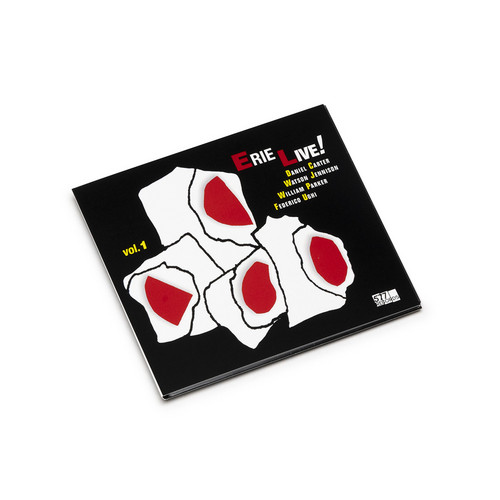
Vol. 1 Erie Live!
Daniel Carter, William Parker, and Federico Ughi have been playing together since 2005, the year in which they recorded their first album The Dream. The band has performed regularly in the US and Europe ever since, gaining considerable success, with a 2010 European tour throughout Portugal, Spain, and Italy that resulted in the live album Navajo Sunrise (2012). In 2015 the trio started to rehearse with multi-instrumentalist Watson Jennison (Toronto, CA). As a quartet, the band toured the US and …
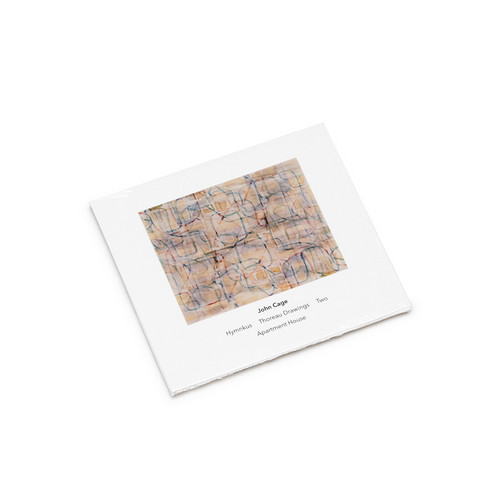
Hymnkus Thoreau Drawings Two
Hymnkus Thoreau Drawings Two features three rarely encountered works by John Cage, interpreted by Apartment House. The album brings together the sparse, spatial interplay of “Two”, the poised transformations of “Thoreau Drawings”, and the hypnotic, layered repetitions of “Hymnkus” in performances marked by clarity, restraint, and ensemble sensitivity.
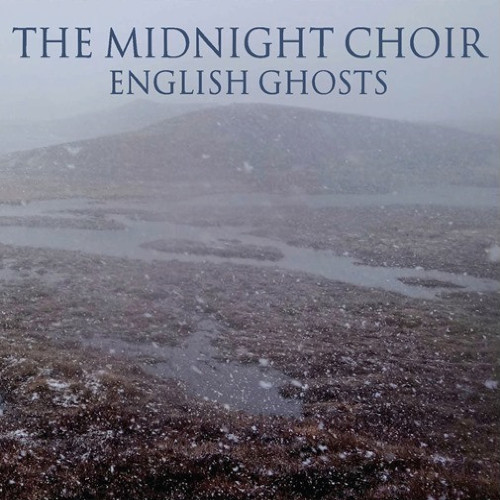
English Ghosts
*2022 stock* A collection featuring the Sheffield post-punk group's previously unreleased third album and a bonus disc comprised of a general selection, including some rarities, spanning their career, plus a booklet of sleevenotes. Arriving from a period in music when there were countless such groups up and down the UK, and around the world, who'd initially been inspired by punk but then attempted to channel the energy and attitude into sometimes very different musical shapes, The Midnight Choir…
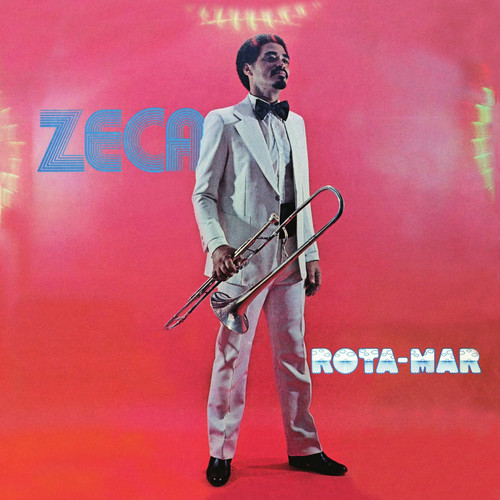
Rota-Mar
Mainly known to DJs for the funk groover "Te Queria", Rota-Mar is the first solo album by the charismatic Zéca do Trombone. During a vertiginous career which started in the late 60s, Zéca was a permanent member of Wilson Simonal's band, toured with Luiz Eça's Sagrada Família (alongside Joyce, Naná Vasconcelos, Nelson Angelo and others), recorded the seminal Brazilian funk "Coluna do Meio" for his joint effort with Roberto Sax, and played and recorded for some of the big names of Brazilian music …
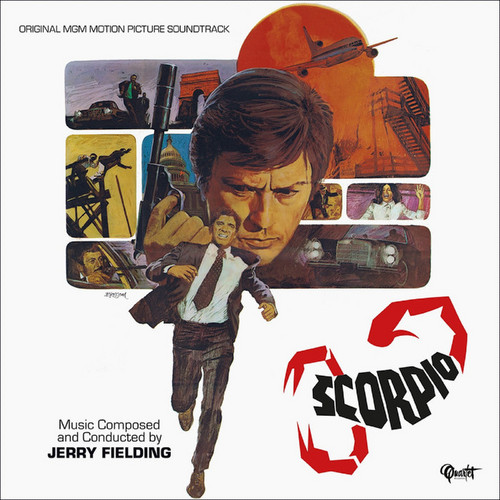
Scorpio (Original MGM Motion Picture Soundtrack)
Celebrating the Jerry Fielding centenary, Quartet Records, in collaboration with MGM, is proud to present the first commercial LP edition of Scorpio, one of the most celebrated collaborations between the composer and Michael Winner.
This CIA thriller starring Burt Lancaster, Alain Delon and Paul Scofield, gave Fielding, a key composer in American 70s cinema, the opportunity to create a haunting Parisian melody, which he then surrounds with his trademark complex motifs, aggressive rhythms, and el…
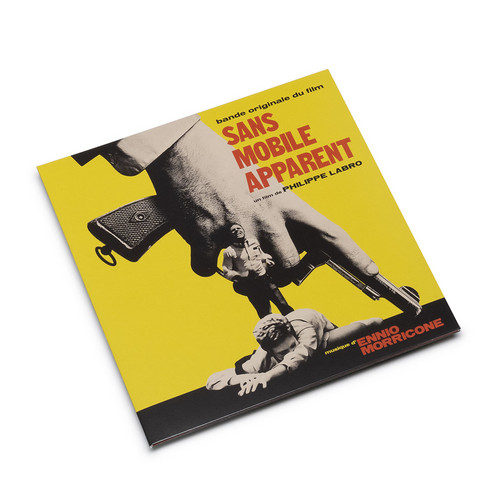
Sans Mobile Apparent
*In process of stocking.* Ennio Morricone's superb 1971 soundtrack for French crime thriller Sans Mobile Apparent directed by Philippe Labro, widely available for the first time. Released in collaboration with Philippe Labro himself. Features an exclusive interview of Philippe Labro with Jeremy Allen discussing the making of the film, working with the maestro (at only 34 years old), and his amazing career crossing path with Jean Luc Godard, Serge Gainsbourg, and Jean-Pierre Melville. This superb…
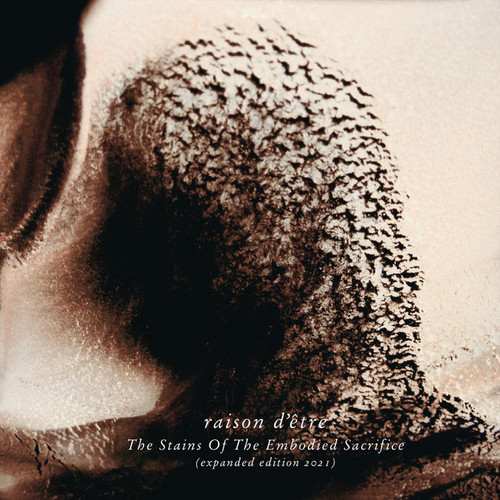
The Stains Of The Embodied Sacrifice (Expanded Edition 2021)
*2022 stock* "The Stains of the Embodied Sacrifice" is not only vibrating on the surface of your skin. It is alive and breathing, a creature with a knife that cut deep wounds in your body while your soul shatters for air. It is a psychosomatic and transgressive disease oppressed by a compulsive behaviour manifested in dualities - the one of your body and mind - and states of metamorphoses - mind becomes flesh become wounds become fluids become stains. Play it loud if you want to become the marty…
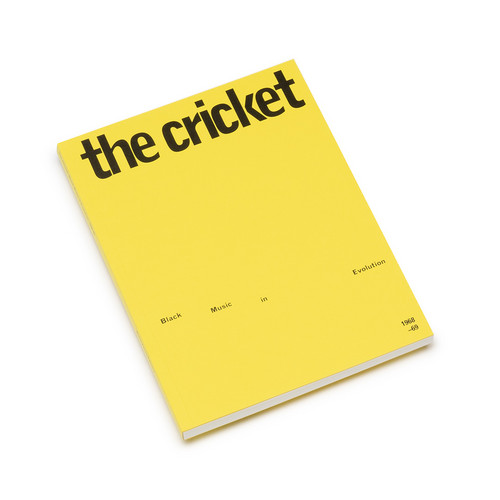
The Cricket: Black Music in Evolution, 1968–69
A rare document of the 1960s Black Arts Movement featuring Albert Ayler, Amiri Baraka, Milford Graves, Sun Ra, Cecil Taylor, and many more, The Cricket fostered critical and political dialogue for Black musicians and writers. Edited by poets and writers Amiri Baraka, A.B. Spellman, and Larry Neal between 1968 and 1969 and published by Baraka's New Jersey–based Jihad productions shortly after the time of the Newark Riots, this experimental music magazine ran poetry, position papers, and gossip al…
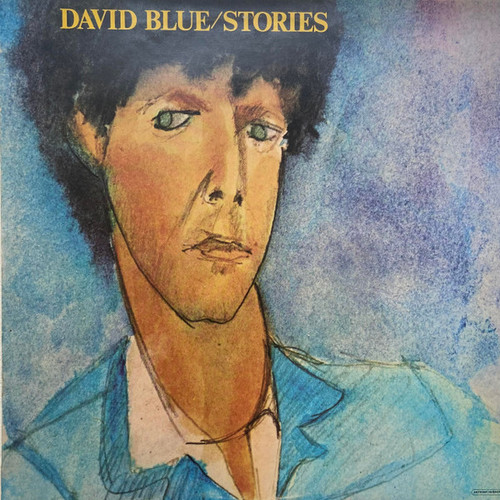
Stories
”David Blue was the peer of any singer in this country, and he knew it, and he coveted their audiences and their power, he claimed them as his rightful due. And when he could not have them, his disappointment became so dazzling, his greed assumed such purity, his appetite such honesty, and he stretched his arms so wide, that we were all able to recognize ourselves, and we fell in love with him.” - Leonard Cohen
David Blue is the ‘blue’ in Bob Dylan’s “Baby Blue”, the voluble chain-smoking pinbal…