Reissues
Mimidokodesuka
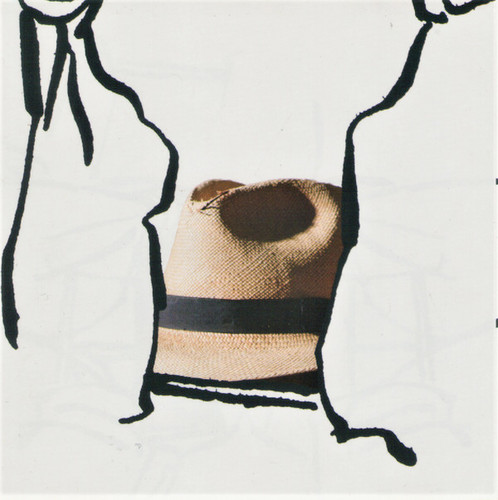
Originally released on CD in Japan in 2006. CD version. Released on LP & CD by Drag City on May 20, 2008. Features Jim O'Rourke on electric guitar, Darin Gray on doublebass and Chris Corsano on drums. Recorded live at the Pit Inn in Tokyo during a 2005 residency that included sets with alto sax legend Akira Sakata (recordings of which have been released separately and elsewhere).
Floret Silva
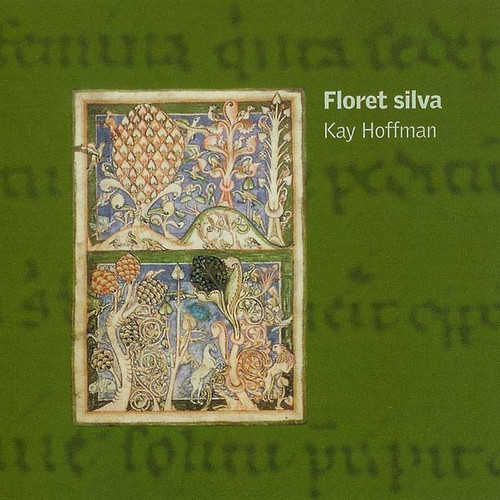
2006 reissue. 1977 progressive avant-folk masterpiece from minimalist composer Kay Hoffman. Includes collaborative performances from Jacqueline Darby and Gaio Chiocchio, members of the legendary Italian progressive group Pierrot Lunaire.
Originally slated for release on RCA/IT (Italy) in '78, the album was
later rejected due to recording deadlines, release schedules, and
requests by RCA for other artistic/musical considerations. However, many
years later, Floret Silva did end up surfacing on…
Key
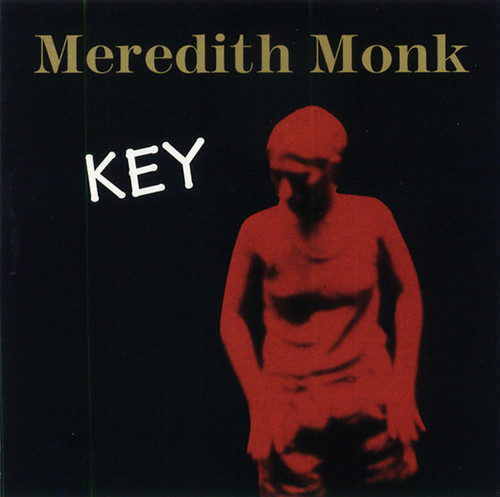
1995 release. Originally released in 1971. Key contains Meredith Monk's earliest compositions for voice. The songs that make up Key
were composed and performed in a three year period between 1967 and
1970, when Monk collected them into this 45-minute "invisible theater"
experience. Meredith Monk on the release: "In Key I wanted to
create a constantly shifting ambience. Each song dealt with a different
vocal character, landscape, technical concern or emotional quality. I
was trying for a vi…
Organic, Playco 1969
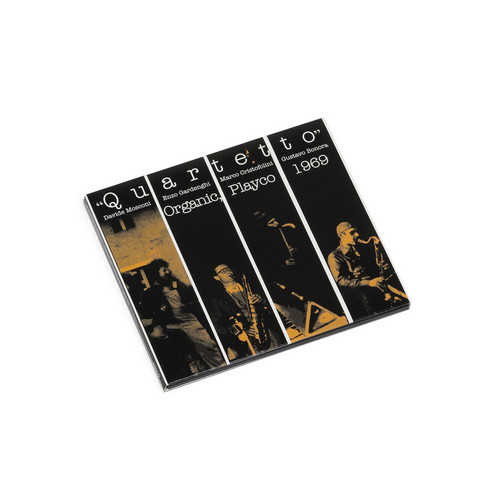
The stable Quartetto that pianist Davide Mosconi, saxophonist Enzo Gardenghi, percussionist Marco Cristofolini, and cellist and violinist Gustavo Bonora brought to life beginning in the late '60s constituted the core of what would, in the early years of the next decade, become the larger improvising ensemble NADMA. The group was also an elegant and accomplished expression of the musical objectives of its members. This music expresses the rich yields that Davide Mosconi cultivated from his explor…
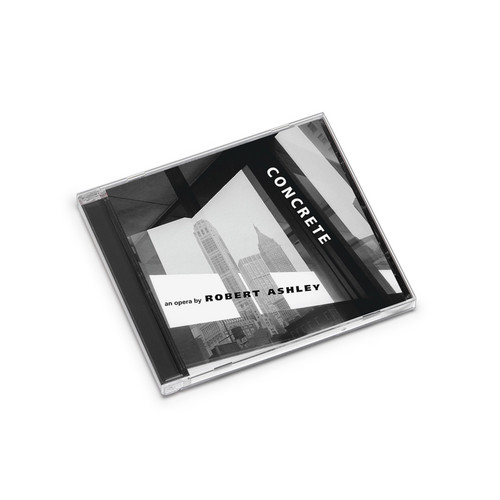
Concrete
Concrete follows from Robert Ashley's preoccupation in two previous operas with the kind of speech that has not been explored in opera -- in Dust (LCD 1006CD), the speech of the homeless; in Celestial Excursions (LCD 1007CD), the speech of people living together in a home for old people. The three operas are not a "trilogy" in any sense, but they all come from this preoccupation with or fascination with special kinds of speech and special kinds of states of mind. "The characters I'm interested i…
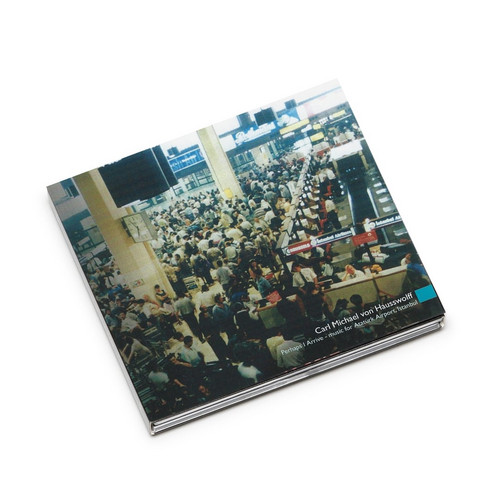
perhaps I arrive - music for Atatürk Airport, Istanbul
This double disc set includes some of the most unusual sounds you will have heard from Carl Michael von Hausswolff. The story goes like this. Von Hausswolff was chosen by the 1997 Istanbul Biennal to create a sound installation for Atatürk Airport. His classic sound combining low frequency rumblings, very monotonous oscillations and hissy non-narrative sequences was deemed too confusing for the commutors. It was feared, von Hausswolff’s sound installation might be mistaken for an alarm and would…
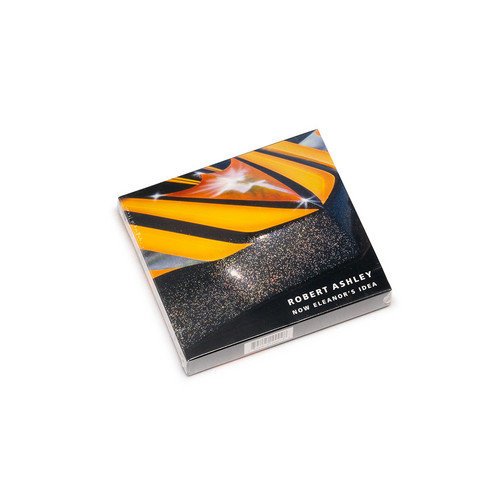
Now Eleanor's Idea
2007 release. Now Eleanor's Idea was made possible by grants from The Rockefeller Foundation (1984 and 1993), the National Endowment for the Arts' Opera Musical Theater Program (1985) and InterArts Program (1992). Robert Ashley's Now Eleanor's Idea is a quartet of short operas based on the notion of a sequence of events seen from four, different points of view. At the same time, each opera is an allegory, like Bunyan's Pilgrim's Progress (1678), for an individual's self-realization within the co…
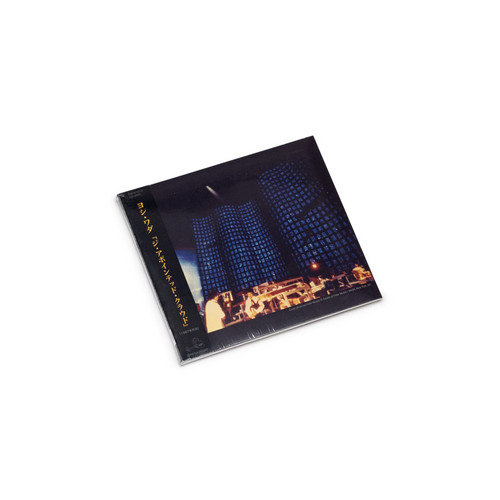
The Appointed Cloud
Yoshi Wada has often said that The Appointed Cloud is his favorite of his own works, and listening to this remastered edition makes clear why. Staged at the Great Hall of the New York Hall of Science in 1987, the piece was Wada's first large-scale interactive installation, featuring a custom pipe organ and homemade instruments controlled by computer through an interface and software designed by engineer David Rayna, known for his work with La Monte Young. The space itself—designed for the 1964-6…
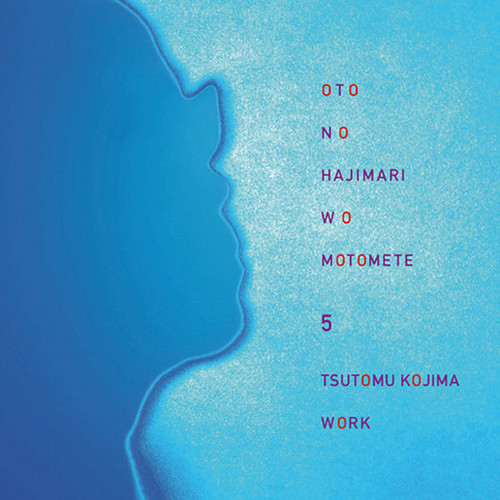
Oto No Hajimari Wo Motomete 5: Tsutomu Kojima Work
The fifth in this superb series covering historical Japanese electronic music from the Nhk studios, the first covering pieces engineered by Tsutomu Kojima (prior volumes dealt in pieces assisted by Shigeru sato and Hirosi Siotani) highlights herein include Jo Kondo’s “never return” (harsh/psychedelic vocal/piano cutups from 1971 !!!), Hifumi Shimoyama’s fumon iv a, and oto no hajimari wo motomete perennial Joji Yuasa’s my blue sky.
1. “Beyond the Clouds” Keiki Okasaka
A work was intentionally…
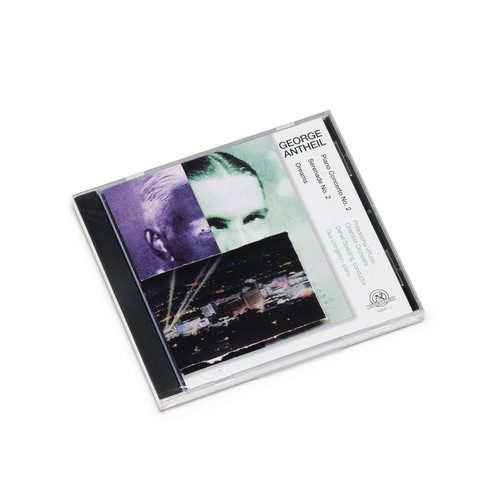
George Antheil: Piano Concerto No. 2
The Piano Concerto No. 2 is an experiment in classical form. The work contains the same sudden juxtapositions and abrupt contrasts of mood as his futurist music. But the excesses of his recent Ballet mécanique are compensated for by an almost spare, baroque orchestration and motifs that draw on Bach as much as on Stravinsky. In three movements, George Antheil employs a more restrained but still exuberant style. The beautifully meditative slow movement is followed by a virtuosic and compelling to…
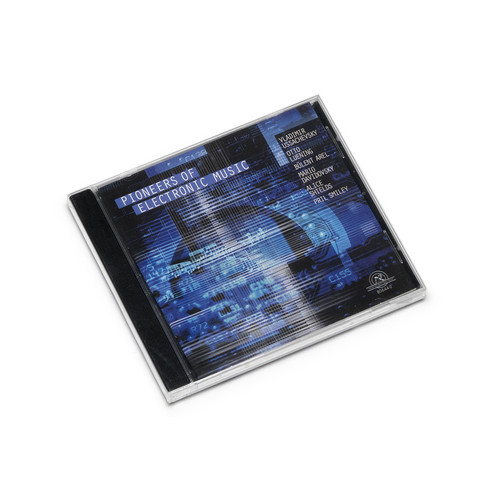
Pioneers of Electronic Music
Works by Vladimir Ussachevsky, Otto Luening, Pril Smiley, Bülent Arel, Mario Davidovsky, Alice Shields . In 1950, the Columbia University Music Department requisitioned a tape recorder to use in teaching and for recording concerts. In 1951, the first tape recorder arrived, an Ampex 400, and Vladimir Ussachevsky, then a junior faculty member, was assigned a job that no one else wanted: the care of the tape recorder. This job was to have important consequences for Ussachevsky and the medium he dev…
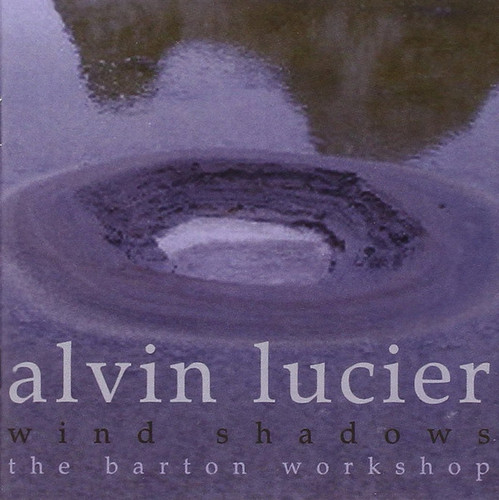
Wind Shadows
The music on these CDs takes us into a new realm of music making, one that Alvin Lucier has defined for us and one that demands that we start to listen anew. His work has been more often described in terms of science than of art as if it were a series of quasi-scientific experiments, but to put the emphasis here is to miss the point, for its purpose is never “explanatory” (the goal of science) but, like all art, “revelatory.” This is not to suggest that the composer has some spiritual agenda in …
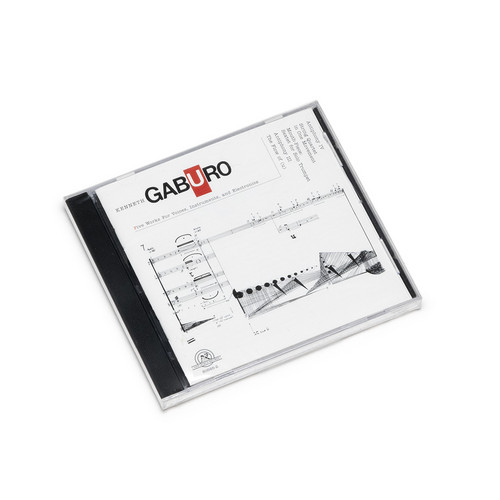
Five Works For Voices, Instruments, And Electronics
Kenneth Gaburo (1926–1993) composed works for instruments, voices, electronics, multi-media, theater, and a variety of other resources. Foremost among his many interests was a concern with the voice and with language—how we shape language and how we are shaped by it—and with making works that existed somewhere between the boundaries of music and language. Of the works on this CD, three are intensely concerned with what Gaburo termed “Compositional Linguistics” (Antiphony III, Antiphony IV, and M…
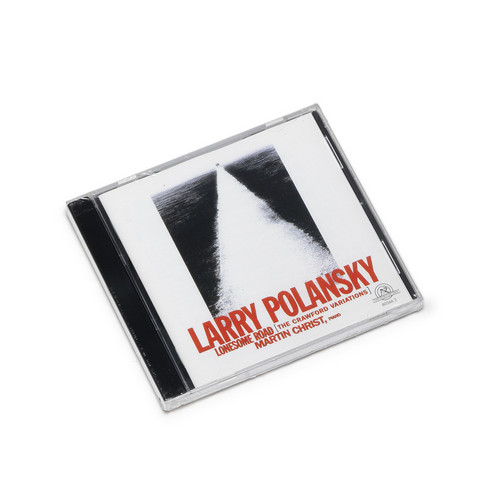
Lonesome Road (The Crawford Variations)
Larry Polansky, though known primarily for his work in the field of computer music, has produced a major addition to the keyboard literature, this massive theme-and-variations on Ruth Crawford Seeger’s arrangement of the folk song "Lonesome Road." Inspired by his deep engagement with her music, Lonesome Road (1988-89) is a prime example of Polansky’s penchant for building large architectonic structures through complex transformational processes. The work is in three sections of seventeen variati…
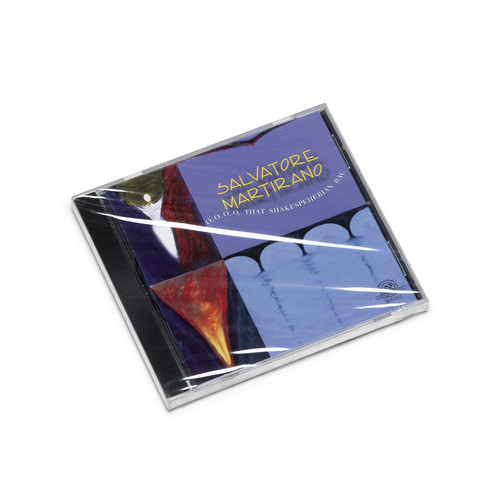
O, O, O, O, That Shakespeherian Rag
O,O,O,O, That Shakespeherian Rag collects six of the most important compositions from his relatively small body of work. By the late 50s Martirano had begun to freely incorporate elements of jazz and popular music. O,O,O,O, That Shakespeherian Rag(1959), one of his two magnum opuses, is a prime example of this musical synthesis—a serialist choral setting of passages from three Shakespeare plays, accompanied by a chamber orchestra that includes a jazz ensemble. Schoenberg meets bebop in a wild, i…
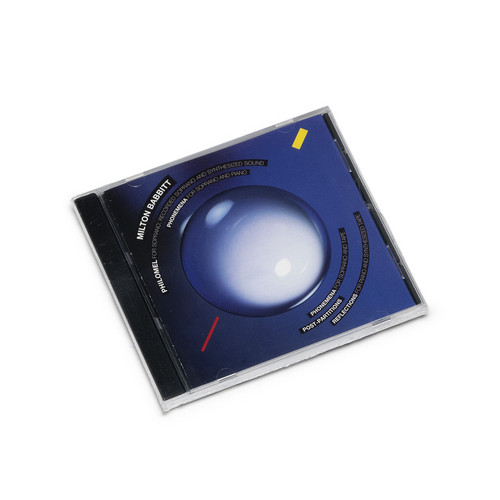
Philomel
Compositions performed by Bethany Beardslee and Lynne Weber (sopranos), Jerry Kudern and Robert Miller (pianos). The four works on this recording span a period of a decade and are among the best of Milton Babbitt’s output, tape and otherwise. Philomel, for soprano, recorded soprano, and synthesized sound, is one of the undisputed classics of electroacoustic music and this is its definitive recording. Two versions of Phonemena —one for soprano and piano, the other for soprano and tape— another vi…
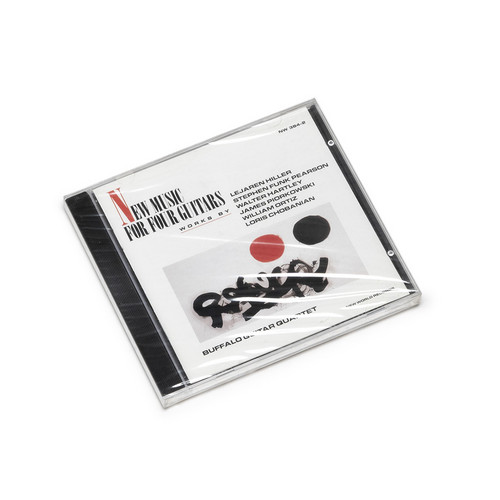
New Music for Four Guitars
The guitar is the popular instrument par excellence. As apt for Brazilian sambas for Irish ballads or American blues, the guitar has also recently been adapted as a surrogate for plucked instruments from non-Western musical traditions; no idiom seems beyond its reach. When social history of the second half of the twentieth century is written, it may be seen that the guitar is as central to this era as the piano was to the nineteenth century. But while the piano was an emblem of upward social asp…
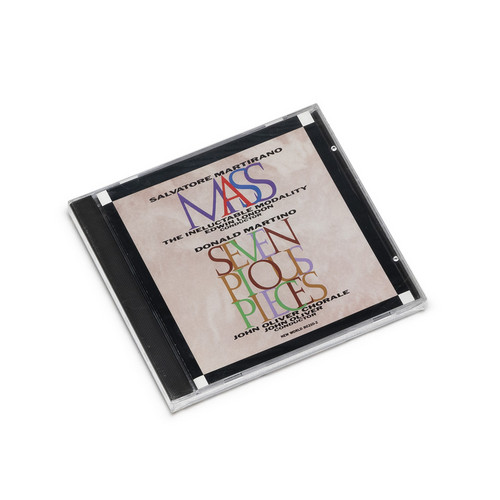
Mass/Seven Pious Pieces
This collection of two tonal works by composers known for their non-tonal compositional style is a fine example of contemporary approaches to sacred choral music. Salvatore Martirano’s Mass is a setting of a traditional Latin Mass whilst Donald Martino’s Seven Pious Pieces sets religious texts by Robert Herrick. The vocal writing is masterful with transparent textures and flowing contrapuntal lines.
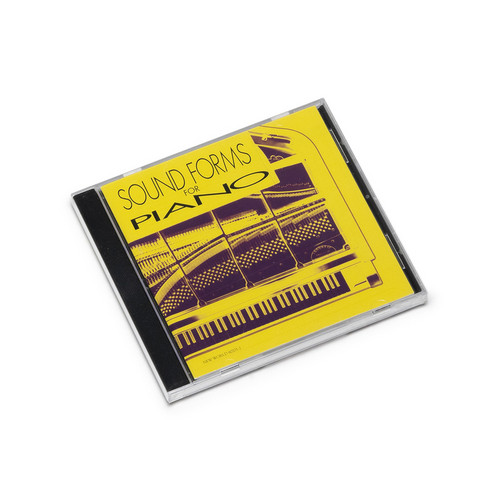
Sound Forms for Piano: Cage/ Cowell/ Johnston/ Nancarrow
“... in the past, the point of disagreement has been between dissonance and consonance, it will be, in the immediate future, between noise and so-called musical sounds.” — John Cage The most characteristic features of American music are its eclecticism and innovation. The works presented here are perfect examples; their only common feature is that they were written for a piano altered in some way.
The disc opens with the eerie, wailing cries of Henry Cowell’s (1897-1965) The Banshee. In order …
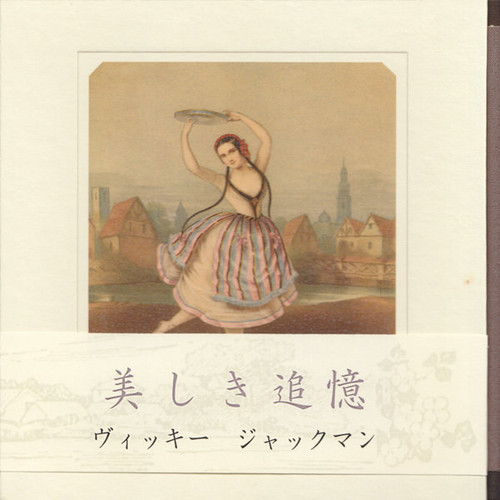
Of Beauty Reminiscing
Previous LP release, now available as a new version on CD with a mini-LP style CD & new artwork. "Vikki Jackman (no relation to David of Organum fame) is the pianist that we first met in Andrew Chalk's Goldfall, her impalpable chords and notes a preponderant element of that delicate music. Now Faraway Press issues her solo debut, which comes in a stunningly beautiful sleeve, a time-consumed photo in which little Vikki is portrayed near a snowman. One can't escape memory, which is often all that …