Reissues

Communique
*300 copies limited edition* Salford Electronics abandon all art. Nine lo-fi electronic urban nightmares spiralling through Industrial decay, rain-drenched dark ambient, abrasive loops, brooding noise, and shards of scintillating electronics. The desire to communicate the disintegration of nocturnal sound. Evoking that moment in time when you have been up all night and the dawn ambience is about to break. A series of bad dreams.
These works were created over the last decade and originally self-r…
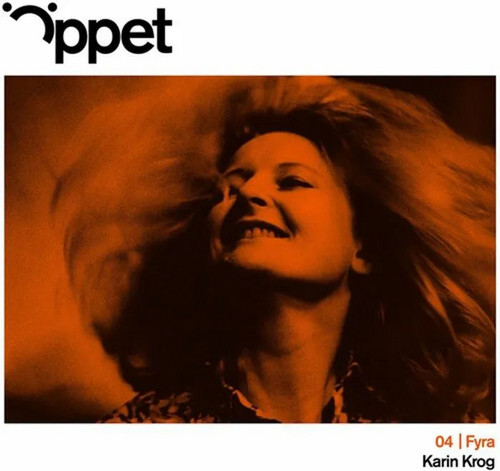
Öppet Fyra
In close collaboration with musician Mats Gustafsson and jazz archivist Roger Bergner at the Centre for Swedish Folk Music & Jazz Research, Caprice presents a relatively unexplored period of Scandinavian creative and experimental music from the 1960s and 70s. In the record series Öppet, we look towards the future by digging in the past. We find exclamation points of creativity from a period that, in many ways, was a time of pioneering in art as well as music. Anything was possible, and we like t…
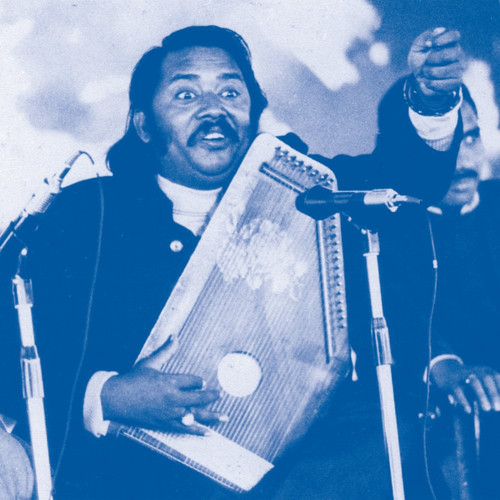
Metamusik Festival Berlin ‘74 Vol.II
Black Truffle is thrilled to announce a second volume of unheard concert performances from legendary Pakistani kyhal singer Salamat Ali Khan, recorded at Berlin’s Neue Nationalgalerie as part of the MetaMusik festival in 1974. Like the first volume, the immaculate recording by Michael Hönig (of krautrock legends Agitation Free) captures Khan performing a single extended raag in the company of Shaukat Hussein Khan on tabla and Hussein Bux Khan on harmonium. In addition to his stunningly inventive…
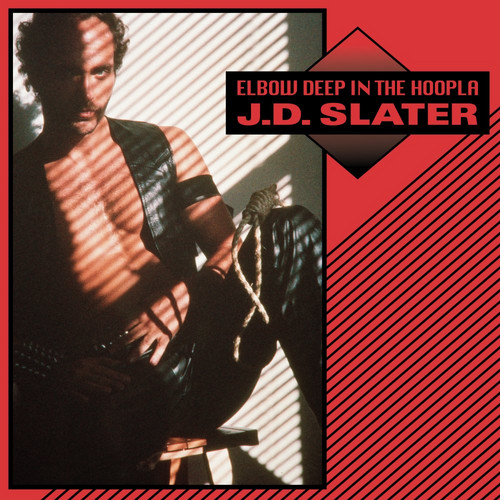
Elbow Deep In The Hoopla
Dark Entries is Elbow Deep in the Hoopla thanks to J.D. Slater. Legendary actor, director, and composer J.D. Slater is sometimes known as “the Lou Reed of gay porn.” Slater cut his teeth in the New York punk scene, even opening for the Talking Heads and Blondie at CBGB with his project Frenzy. A true polymath of the erotic, he co-founded Raging Stallion Studios with Chris Ward in 1999, which has remained a prolific outlet in the world of gay pornography. Elbow Deep collects the scores from three…
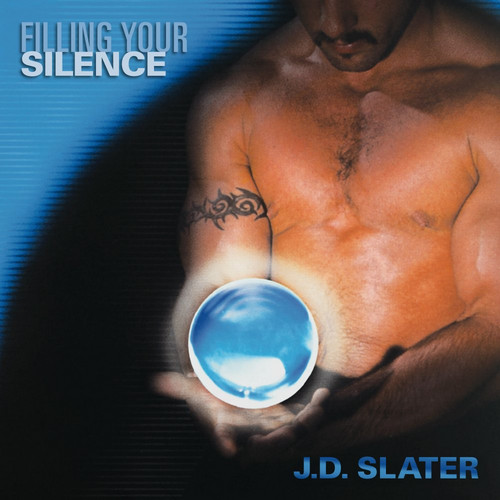
Filling Your Space
Dark Entries is Filling Your Silence with the help of J.D. Slater. Legendary actor, director, and composer J.D. Slater is sometimes known as “the Lou Reed of gay porn.” Slater cut his teeth in the New York punk scene, even opening for the Talking Heads and Blondie at CBGB with his project Frenzy. A true polymath of the erotic, he co-founded Raging Stallion Studios with Chris Ward in 1999, which has remained a prolific outlet in the world of gay pornography. Having spent years in front of and beh…
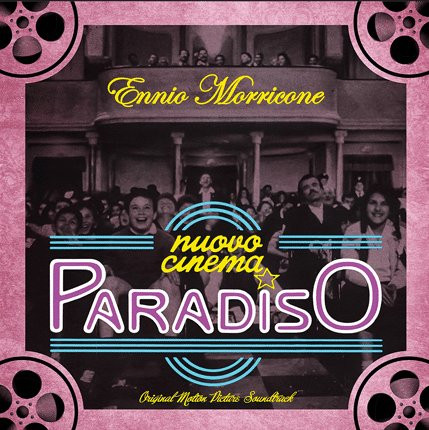
Nuovo Cinema Paradiso
The artist’s name and the title of the work alone would be enough to introduce this release: Ennio Morricone and “Nuovo Cinema Paradiso.” On one hand, the world’s most famous Italian composer and conductor; on the other, one of the most beloved and celebrated Italian films of all time, Giuseppe Tornatore’s masterpiece, which in 1990, two years after its theatrical release, won the Oscar for Best Foreign Language Film.
Love, nostalgia, and melancholy permeate “Nuovo Cinema Paradiso” and come to l…
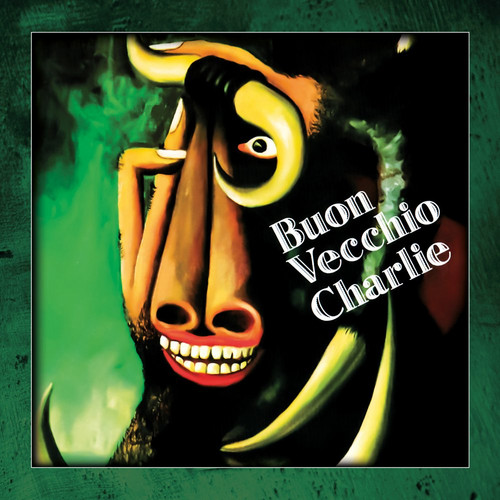
Buon Vecchio Charlie
Recorded in 1972 and unreleased for nearly twenty years, Buon Vecchio Charlie’s self-titled album belongs to that select category of works that, despite not seeing the light of day at the time of their creation, have over time managed to carve out a prominent place in the history of Italian progressive rock.
The band formed in Rome in the early 1970s, within a particularly fertile musical scene, centered around guitarist and composer Luigi Calabrò and keyboardist Alessandro Centofanti. After jus…
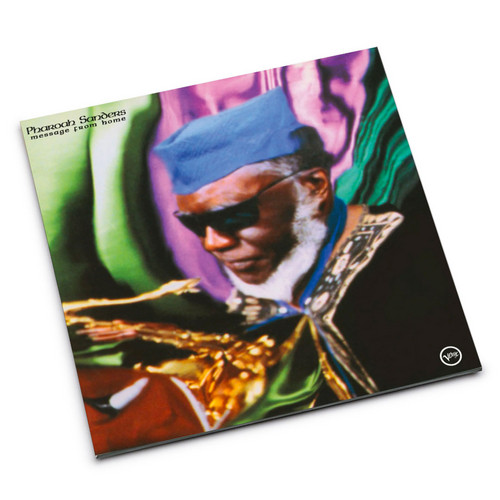
Message From Home
Pharoah Sanders' 1996 Verve album with Bill Laswell producing, Foday Musa Suso, Hamid Drake, Bernie Worrell and Charnett Moffett: hip-hop pulse, Gambian kora and the full-cry tenor on one record. Back on vinyl for the first time since the rare French original, on 180g black vinyl
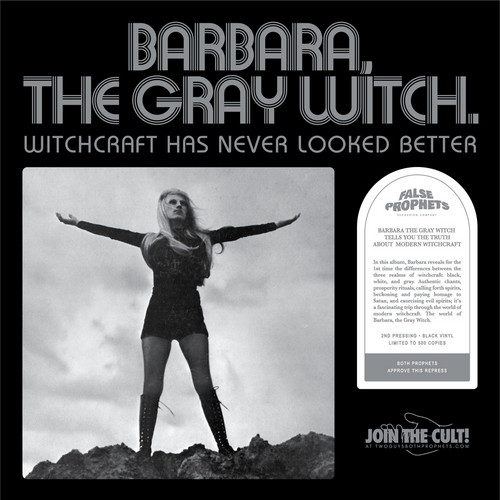
Barbara, The Gray Witch
Reissue of the 1971 DEA Records double album in which Barbara explains black, white and gray witchcraft, tests whether you were born a witch, and performs chants, prosperity rituals and exorcisms. Second pressing of 500 copies.

A Gun To The People's Temple
The complete Jonestown "death tape" (FBI Q 042), recorded on 18 November 1978. Second pressing of 500 copies, dedicated to Christine Miller, the one voice that argued against the poison.
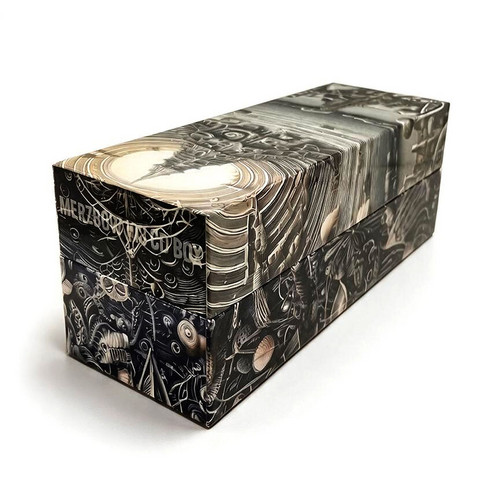
Merzbow 108 CD Box
The Merzbow 108 CD Box turns Merzbow’s vast archive into a monument of productive excess: 108 discs spanning lost albums, alternate mixes, outtakes, rehearsals and recent work, assembled by Slowdown Records across nearly a decade. Its Buddhist number signals 108 worldly desires - but this is noise as discipline, mutation and inexhaustible liberation.
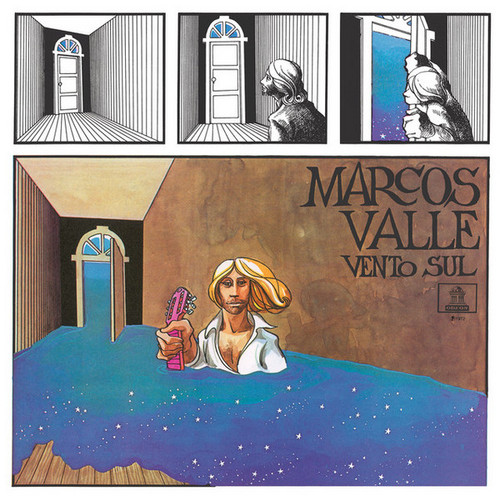
Vento Sul
A holy grail! This is one of Marcos Valle's best-ever albums – and it's certainly the one to best realize the larger scope he was heading for in the years after the bossa – that sublime mix of jazz and more expansive arrangements – a perfect fit for the growing sophistication of Valle's songwriting. The record is fantastic – done with a sweeping sound that still leaves us breathless after all these years – and put together with an approach to composition that is virtually indescribable. There's …
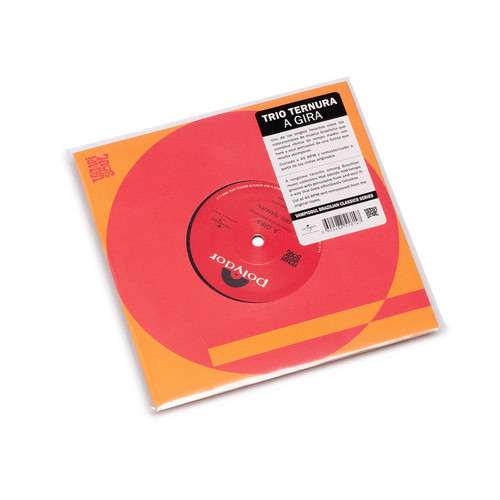
A Gira
A longtime favorite among Brazilian music collectors, Trio Ternura’s ‘A Gira’ blends mid-tempo grooves with percussive funk and soul in a way that feels effortlessly timeless. Originally released in 1973, the track was written by the group’s father and uncle as a heartfelt homage to the Candomblé deity celebrating nature and spirituality. Trio Ternura was a true family project, made up of three siblings with deep musical roots. According to them ‘A Gira’ captures “the dancing, the expression, th…
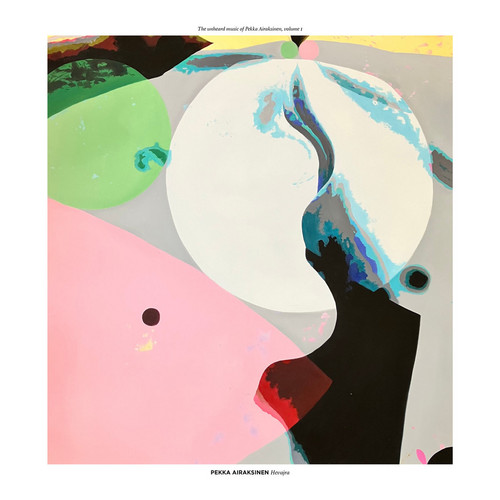
Hevajra
This is the first in the series of releases drawn from Finnish electronic and experimental music pioneer Pekka Airaksinen’s vast archives of unheard music to be released by Other Power. The playful yet deep Hevajra, from 1985, will be released on 23rd October on LP and digital formats. Pekka Airaksinen (1945–2019) was a versatile artist known particularly as a pioneer of electronic music and a significant figure in Finnish avant-garde. Born in Helsinki, Airaksinen was a painter, musician, compos…

Schizo
Schizo (Frog Funk/Collobrakis) was developed from the remnants of the band Empire. I started with Empire in early
1977. When summer came, we found ourselves in the drummer Peter Lundgren's house rehearsing new songs. A little symphonic, a little fusion and simply some odd music. We hadn't scraped together any major repertoire, so we rehearsed some cover material. We only played local gigs, at youth centers and schools. Once a year Kjell 'Hagge' Haglund, who ran the club Wroom on Östra Berget, w…
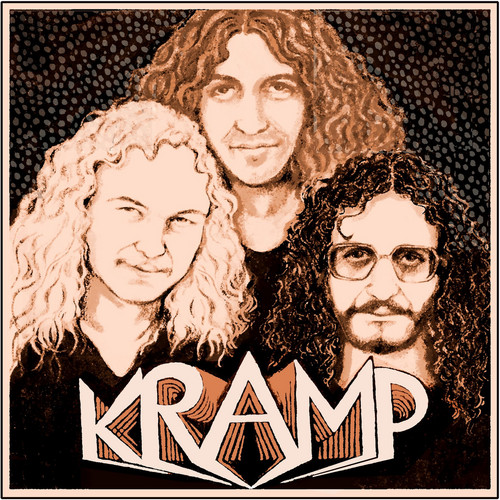
Kramp
*250 copies limited edition* Kramp was a band from Hallstahammar and Västerås (in the middle of Sweden) who started out in 1975 and played together until 1984. During those years the boys in the band jammed whenever they met but never released any records. Luckily some marvy unpolished and no-frills rehearsal space recordings from 1978, recorded on a small cassette player, survived and can be heard here in all their unpolished glory.

Various Artists - My Heart is Dust Before Him: 21st Century Gasba from Algeria
Across western Algeria, the gasba, a reed flute central to Bedouin folk traditions and ceremonial music, continues to appear in new forms. Once associated primarily with saint festivals and trance rituals, its distinctive hypnotic sound now sits alongside the drum machines, synths and electronic textures of contemporary raï. The recordings collected here come from Oran, the port city of Western Algeria widely regarded as the birthplace of raï. Before raï became an international pop phenomenon, i…

Spiritually Unemployed
*Much needed repress!!* Ak’chamel, The Givers of Illness plunged into truly deranged extremes to summon the decayed, otherworldly essence captured on Spiritually Unemployed, embracing unhinged and esoteric methods during the tracking process. Recorded in a makeshift adobe studio amid liminal border-zone ruins. Nocturnal treks along forgotten stretches near the U.S.-Mexico line, through derelict border outposts and sun-bleached vehicle husks, yielded unique recording opportunities: Ak’chamel drag…

Chinese Folk Songs
As the first entry in its catalog, Akuphone presents a reissue of Lily Chao’s Chinese Folk Songs, originally released by Four Seas Records in 1968. This edition includes four previously unheard titles and exclusive liner notes containing Lily Chao’s biography and lyric translations. Chao Xiao-Jun aka Lily Chao was born in Taiwan in 1948, while mainland China was rapidly undergoing major changes immediately following the end of the Chinese Civil War. After experiencing hard times in her girlhood,…
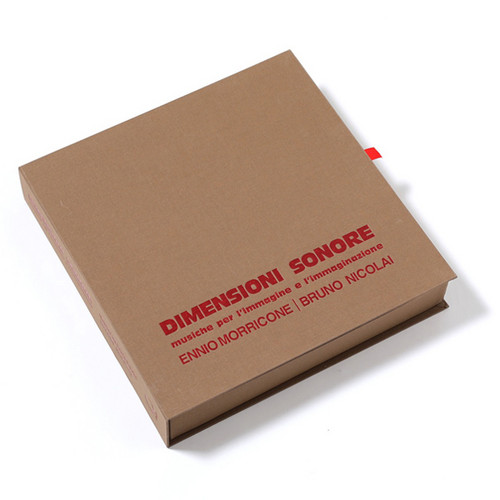
Dimensioni Sonore
Still sealed copy of the long sold out box set re-issue on Dialogo of one of the most amazing series od experimental library records originally released by RCA in 1982.