Skip to content
AllMusic

“There are few women in the world of academic electroacoustics. Monique Jean is obviously acutely aware of that and she uses her position to push forward the work of other women (instrumentalists, authors) and occasionally tackle women-related issues.”

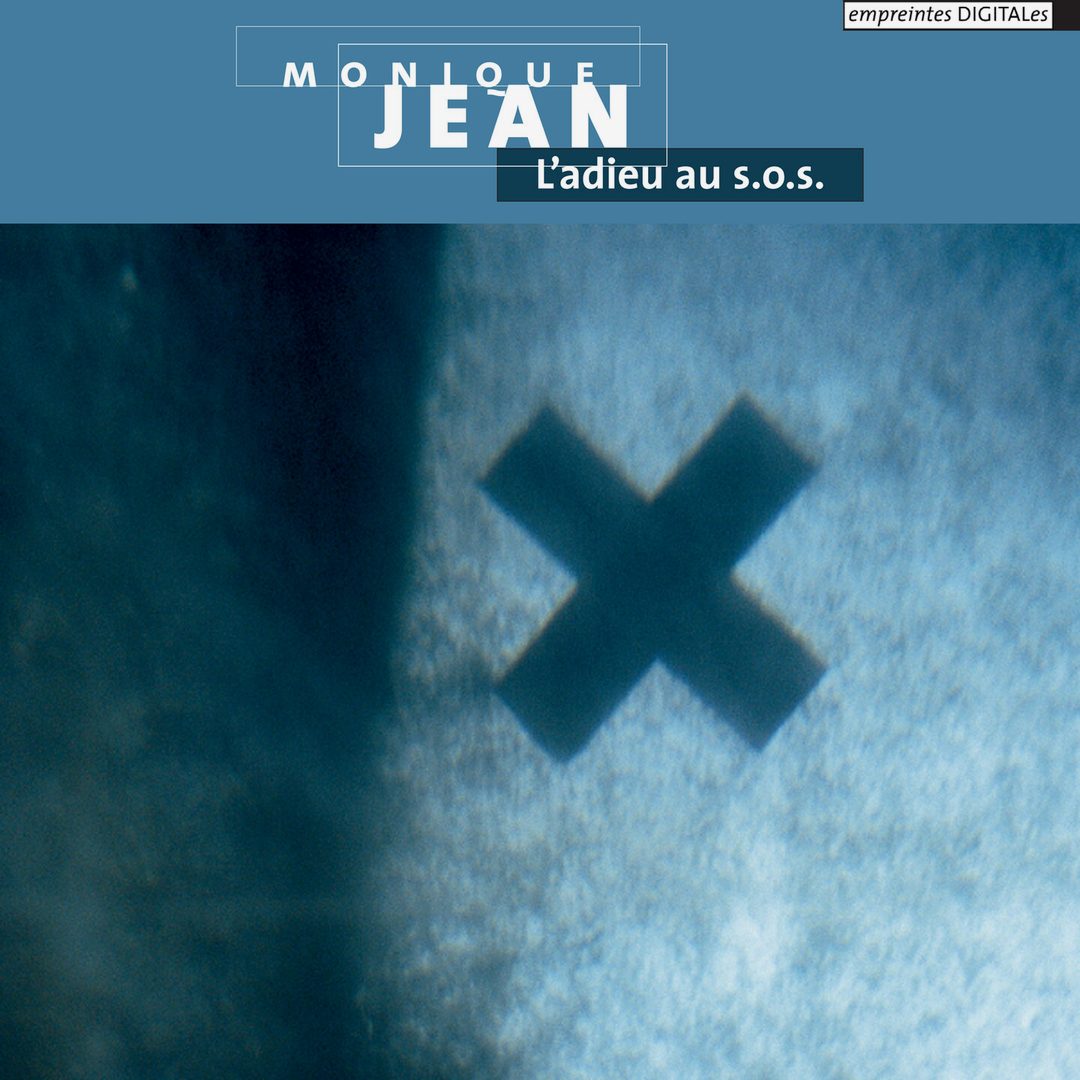
There are few women in the world of academic electroacoustics. Monique Jean is obviously acutely aware of that and she uses her position to push forward the work of other women (instrumentalists, authors) and occasionally tackle women-related issues. Her first solo album culls pieces composed between 1997 and 2001. 13’13 pour voix défigurées (13’13” for Defaced Voices) puts the words of Hélène Cixous into the mouths of five actors. Their voices are treated and choreographed into an acousmatic ballet that evokes the music of Francis Dhomont (with whom Jean has studied) but never reaches his level of warmth, remaining an object of cold estheticism. The same cannot be said about Danse de l’enfant esseulée (Dance of the Lonely Child). Voiceless, this piece shows again the strong influence of Dhomont in the way sounds move in the stereo field.

Originally published by AllMusic.Read the full review on AllMusic

18 other reviews

Blow Up

“Subisce la morfologia di un classico radio work questo debut cd della performer Monique Jean.”

Voir

“C’est d’un univers particulièrement glauque que rend compte la musique de Monique Jean et dans lequel on n’entre pas pour s’amuser.”

La Folia

“This is one of the best ea pieces I’ve heard in a long time.”

De:Bug

“Im Gegensatz zu der Musik ihres Lehrers Francis Dhomont hat Monique Jean auch Wurzeln in Noise, Industrial und Dark-Ambient.”

The WholeNote

“In a related vein, composer Monique Jean’s L’adieu au s.o.s. (A farewell to S.O.S) explores a similar technical world, and a contrasting expressive voice.”

Medienturm

“Man liest das Booklet der vorliegenden CD und ist entsetzt.”

Weirdosphere

“This is the first of several releases on the great empreintes DIGITALes label. It is an album of quiet urgency, although it doesn’t begin that way.”

L’entrepôt

“empreintes DIGITALes het Canadese label dat zich toelegt op Electro Akoestische componisten heeft intussen een indrukwekkende catalogus opgebouwd.”

EtherREAL

“Monique Jean est une compositrice canadienne sortie de l’université de Montréal où elle a étudié la composition électroacoustique.”

Octopus

“Du Canada et du label empreintes DIGITALes (Métamkine) nous arrivent un mini-panorama, Jalons, des œuvres (1985-2001) rares et éclectiques de l’exigeant Francis Dhomont et un très beau premier disque, L’adieu au s.o.s., de Monique Jean, reconnue pour ses collaborations avec danseurs et vidéastes.”

Bad Alchemy

“Die Kanadierin Monique Jean, Jahrgang 1960, hat ihr elektroakustisches Metier an der Université de Montréal unter Anleitung von Francis Dhomont studiert, der dort von 1980 bis ’96 gelehrt hat.”

Revue & Corrigée

“Le travail que Monique Jean présente dans ce recueil s’apparente à la fois à un manifeste et un constat désabusé des horreurs.”

Sonoloco Record Reviews

“Monique Jean (1960) is a pupil of Francis Dhomont, residing in Montréal. Further more, she has been involved in video, experimental film, dance and installations.”

Funprox

“I’ve never heard of Monique Jean before, but she surely made an impression with her first CD on the empreintes DIGITALes label.”

Audion

“Starting with an almighty crash and swathes of cascading ring-modulation, the opening track 13’13 pour voix défigurées immediately calls for your attention, and then totally perplexes by diverting into a weird mixture of sonic film, French poetry and intensive/schizophrenic musique-concrete.”

SOCAN — Paroles & Musique

“Cet album nous fait entrer dans un monde réfléchi et engagé qui utilise des éléments sonores du réel alliés à des sons synthétiques pour transmettre des atmosphères et des messages d’une grande subtilité.”

Skug

“Man liest das Booklet der vorliegenden CD und ist entsetzt.”

Jade

“Drones lancinants des profondeurs, ambiances portuaires et fonds de cale… Monique Jean installe sans préliminaire les soubassements de son travail.”