“We did not only play free music – we just played”
“We did not only play free music – we just played,” bassist Ubadah McConner wrote of the sessions he ran for three decades at his home in Pontiac, Michigan, a few miles north of Detroit, where he was born in 1939. McConner only came to playing in the late 1960s. By then he was already 28 and had been a hardcore follower of jazz on record, in print and in person for 15 years. When he finally picked up the bass, he did so without any prior training.
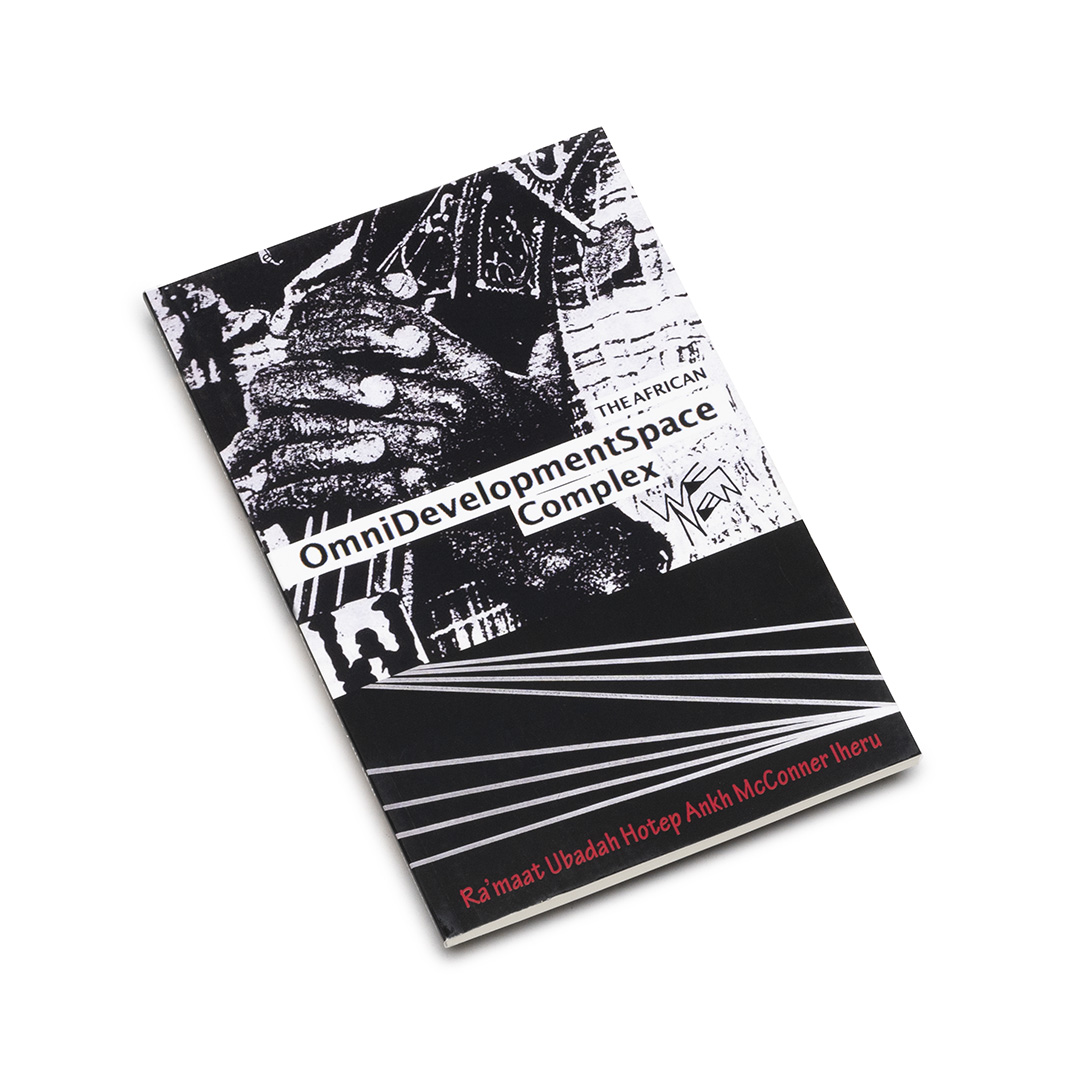
McConner never appeared on a commercial recording, but according to informed people in the Detroit area, he was undoubtedly an excellent musician. Earning a living as a General Motors worker, McConner operated at such a distance from the music business that his name is unlikely to ring bells, even for diehard free jazz enthusiasts. Fragments of his musical life are recounted in this book compiling a hundred pages handwritten in response to a request from the Arteidolia website. Saxophonist patrick brennan initiated the project and carried it to print after McConner’s death in 2021.
In an excellent afterword, Brennan outlines the questions posed by the existence of music having nothing to do with “the market” whatsoever. This when market presence, however marginal, remains the sine qua non condition for integration of the historical record. The pre-eminent jazz magazine DownBeat probably printed McConner’s name only once, in a small 1969 news item mentioning The First Primal Rhythm Arkestra. This big band-sized unit, which also included future leading Detroit avant gardist Faruq Z Bey, was “regularly heard in conjunction with dramatic presentations at the [Black theatre] Concept East”. Fleeting traces of The Fireworks Art Ensemble, a trio McConner ran with his twin brother Rashid, can be found elsewhere in 1972. But one would be hard-pressed to find any mention of the book’s central focus, The African Omnidevelopment Space Complex/We New. McConner ran sessions under that name at his home from 1972–2002, with doors open to anyone willing to join, prior experience or not.
McConner doesn’t describe the music played in detail but the terms he uses are clear enough: “fire music” and “OUT”. “We never attempted to play any song,” he writes. “We just played as hard as we could, as long and as loud as we could and let the spirit take over.” The complete discarding of composed material in favour of total improvisation remained a radical stance within avant garde jazz – to the point that it’s commonly thought of as a European development.
The book respects the way McConner wanted to tell his own story. The pages covering the jazz apprenticeship years are notable for the bassist’s precise memories of the mediums through which the music came to him, especially records.
The narration changes with the advent of free playing: some factual details, or indeed discussions of changing times and consciousnesses, are often absent. Instead, the spirit of the endeavour takes the lead. This is a brief book, but it manages to say something important through its account of a singular take on free jazz and what the music meant to some people somewhere at some point. Pierre Crépon
Originally published by The Wire.