Merzbow Archive Series / Post-Earthquake (2011-2012)
The Great East Japan Earthquake of March 2011 prompted immediate creative response. Merzbow released Dead Zone (Quasi Pop Records, 2011), addressing radioactive contamination from Fukushima and Chernobyl. The cover of UZU ME KU (2012) features a cracked pillar from the Nagasawa Water Treatment Plant - physical evidence of disaster. The "sacred cows" trilogy (Kamadhenu, Surabhi, Gomata) for Hypnagogia continued animal rights themes, while works like Lop Lop and later Konchuuki explored non-direct approaches. New equipment—smaller oscillator synths, drone machines, and miniature kotos, strongly characterized the sound.
Gman+
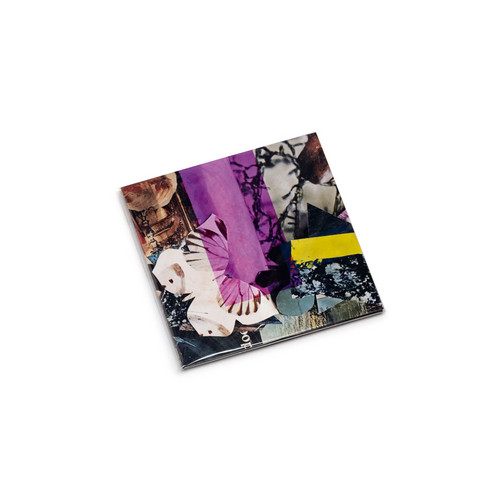
Gman+ gathers some of the most elusive material from Merzbow’s 2011–2012 period and welds it into a single, punishing disc, four tracks that function as both archival rescue and self‑contained statement. The collection pulls together work originally issued in limited form, recasting it as a crucial chapter in the same cycle that produced Kumo No Zettaichi, Sugamo Flower, Bit Bluesand Kotorhizome. Across “Gman”, “HJYUGTF2”, “Hakutouwashi” and “Lop 13”, Masami Akita works out a language of layered…
Kotorhizome
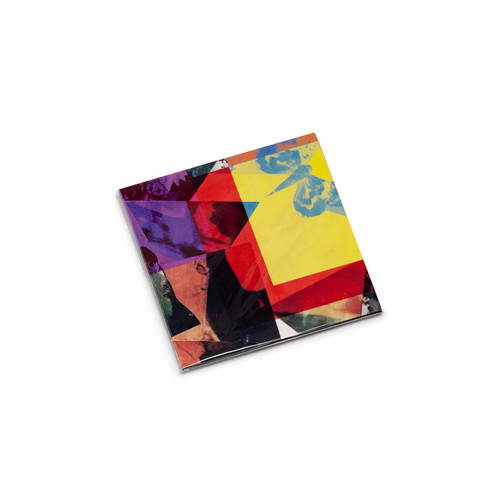
Kotorhizome catches Merzbow in a phase where noise stops behaving like a vertical wall and starts acting more like an underground network. Recorded between 2011 and 2012 and released later as part of the Slowdown archive cycle, the album is built from a deceptively modest setup: small koto, synth, and drone box woven into three extended pieces. The title fuses “koto” with “rhizome,” hinting at what the music does structurally - traditional string resonance is fed into electronics and allowed to …
Bit Blues
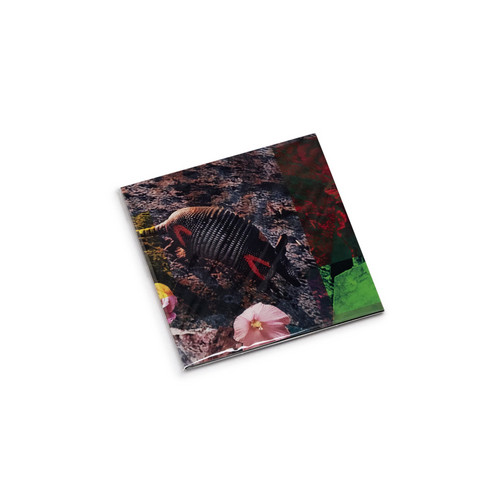
Bit Blues sits in the middle of Merzbow’s Horizon cycle like a scorched signpost, three tracks cut from performances recorded at Munemihouse in 2011 and 2012 and later remastered in 2021. All the music is by Masami Akita, working with a small, intensely exploited setup that favours dense, bit‑crushed textures and overdriven loops over the more sprawling configurations of earlier decades. The title points in two directions at once: “bit” as in digital grain and reduced resolution; “blues” as in a…
Sugamo Flower
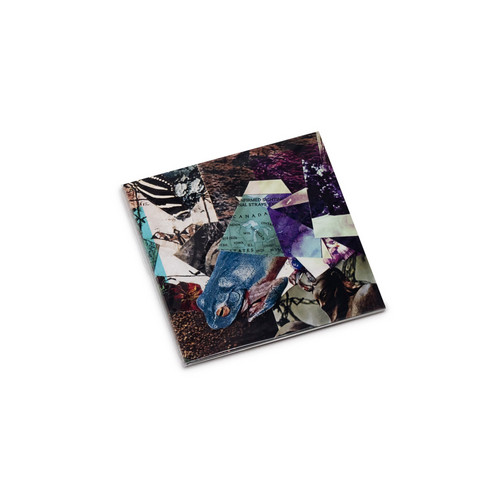
Sugamo Flower compresses a particular 2011 moment in Merzbow’s practice into two long tracks that feel like one continuous, mutating organism. Both pieces are sourced from performances recorded that year, later repurposed as material for “Sugamo Flower Festival” on the split LP Freak Hallucinations with Actuary (2012), which gives the album a double life: document of an event and quarry for subsequent work. Central to the sound is the return of the Korg AX30 multi‑effect pedal, a unit Masami Aki…
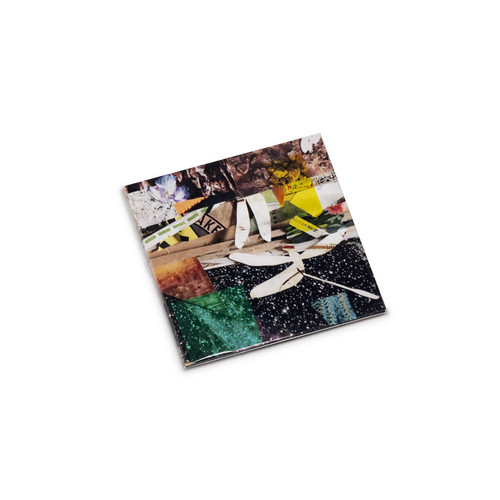
雲の絶対値 Kumo No Zettaichi
On Kumo No Zettaichi, Merzbow trades drum violence for a hall of hovering machines, two 2011 pieces where small drone boxes, oscillators, and minikoto threads knot into a dense but strangely weightless sky of electric weather. It is harsh ambient as charged cloud bank rather than blunt impact.
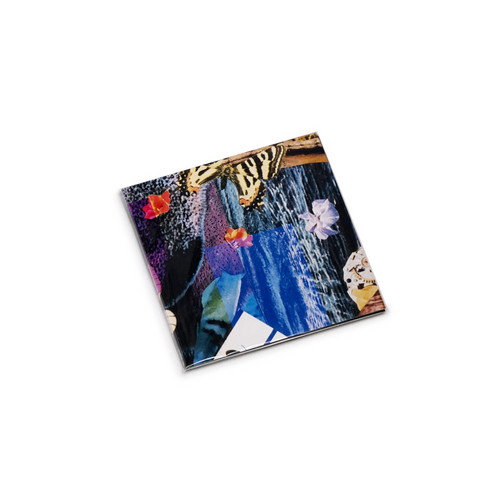
Insect 801
Three tracks from the production of Konchuuki (Essence Music, 2015). The 28-minute centerpiece employs oscillator-modulated rhythms from a vintage Mach Rhythm Box RB-801, creating distinctive rhythmic patterns throughout—the album title references this equipment.
New oscillator synths and drone machines create uneven noise acoustics and drones with shifting graininess, introducing fresh sonic colors to the Merzbow palette. The first track title "Fuyumushi" (winter insect) connects to the insect …