Jazz /

The Black Ark + Dogon A.D.
Special discounted Bundle. Two of the greatest free jazz records ever laid to tape, back where they belong. Superior Viaduct reissues Noah Howard's The Black Ark and Julius Hemphill's Dogon A.D. — both from 1972, both inexplicably scarce for decades, both essential.
The Black Ark finds Howard backed by a towering ensemble — Norris Jones (Sirone), Arthur Doyle, Leslie Waldron, Earl Cross, Juma Sultan, Mohammed Ali — in four tracks that move from hard-blown spiritual fire to lyrical catharsis. Des…
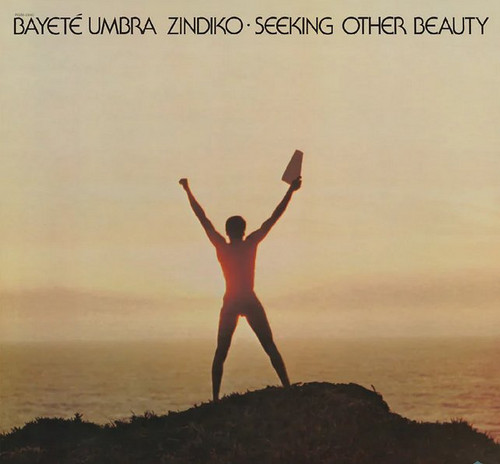
Seeking Other Beauty
Bayeté Umbra Zindiko’s Seeking Other Beauty is a visionary statement from keyboardist and composer Bayeté, also known as Todd Cochran, newly available in a definitive all‑analog reissue that brings its futuristic spiritual jazz into sharp contemporary focus.
Recorded in 1973 for Prestige, Seeking Other Beauty channels the electricity of early‑70s Miles Davis while drawing on the cosmic funk of Parliament‑Funkadelic and the astral explorations of Lonnie Liston Smith—only with a fuzzed‑out clavine…
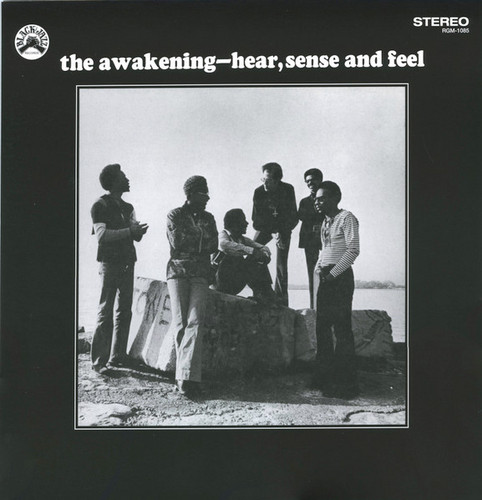
Hear, Sense And Feel
The Awakening’s debut album Hear, Sense and Feel is a landmark spiritual jazz statement that captures the restless, creative energy of early‑1970s Chicago and the vanguard of the Black Jazz Records catalog. Recorded in 1972 at Streeterville Studios and newly available again after years as a coveted collector’s item, the album finds the group balancing deep groove, free improvisation, and Afrocentric consciousness in a way that feels timeless and urgently contemporary.
Hear, Sense and Feel was t…
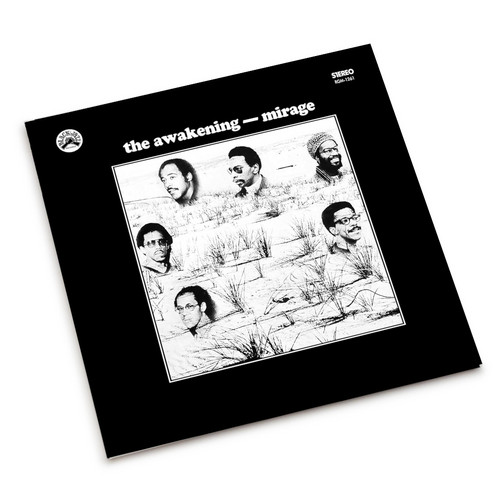
Mirage
The only 'group' on the Black Jazz roster, The Awakening today should be heralded as one of the great bands in early '70s jazz. That they're not is the result of the Black Jazz label's distribution woes; witness the fact that original copies of both of their records for the imprint command prices in the hundreds of dollars if you can find them at all. Mirage is their second (1973) album, the last one they made together; it boasts the same Chicago-based, AACM-centric line-up as the first, with th…
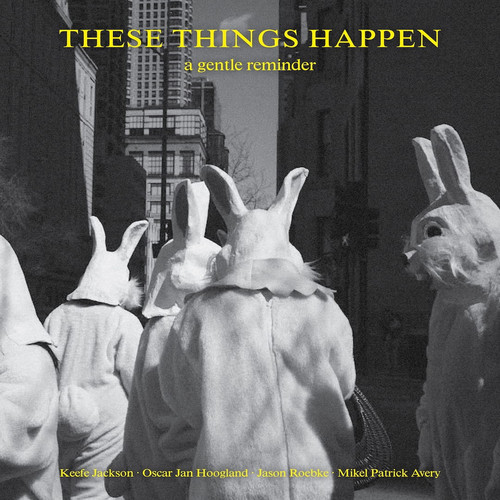
A Gentle Reminder
There's a story that gets to the heart of this record. Years ago, Keefe Jackson spent an evening with South African-Dutch legend Sean Bergin - the only time the two ever met. At some point Bergin told him: "Keefe, you remind me very much of my friend Ab Baars." Jackson replied that he'd heard this many times, that he'd even stopped wearing a certain hat to avoid the comparison. Bergin paused, then said: "These things happen." And so a band got its name - from a throwaway line that turned out to …
Live In The Listening Room
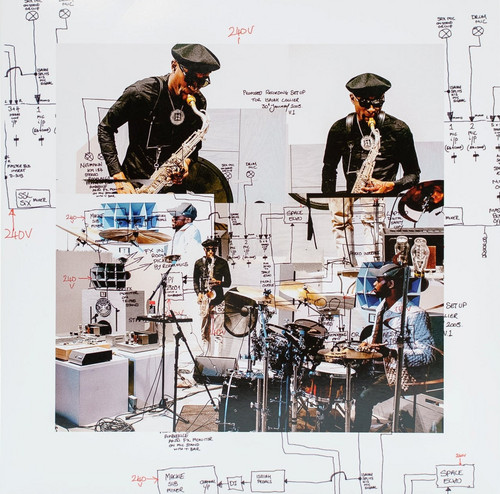
Limited edition of 500 copies. Recorded direct-to-tape in Devon Turnbull's Listening Room at 180 Studios, London. Pressed on 180-gram heavyweight black vinyl with colour sleeve featuring exclusive session photography. Engineered by Jamie Harley. On January 30, 2025, saxophonist Isaiah Collier and drummer Tim Regis walked into Devon Turnbull's Hi-Fi Listening Room at 180 Studios in London - the same OJAS space that has become a pilgrimage site for anyone serious about how music should actually s…
Mystic Suite
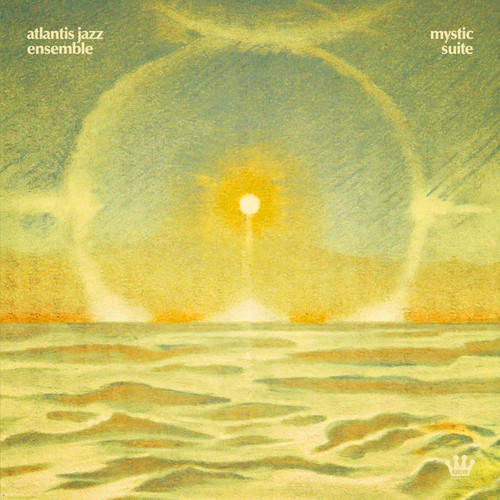
Let us take you back. Waaay back. According to early Greek mythology, the three powerful sons of the god Kronos divided up the cosmos after overthrowing their father: Poseidon ruled the sea, Zeus commanded the heavens, and Hades reigned over the underworld. Conversely, this latest offering from the Atlantis Jazz Ensemble completes the group's corresponding trilogy - Oceanic Suite (2016), Celestial Suite (2023), and now Mystic Suite (2026). As you might expect, this Mystic Suite, inspired by Hade…
Celestial Suite
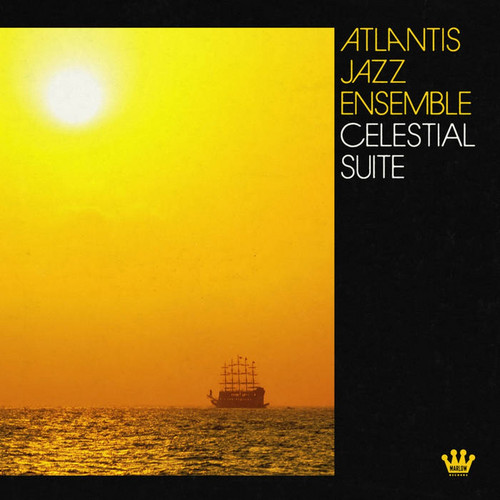
On Celestial Suite, Atlantis Jazz Ensemble stretch their spiritual soul-jazz into a full skyward arc, an unbroken studio suite where modal grooves, Afro-Latin currents and meditative codas move like one long, rising breath.
Oceanic Suite
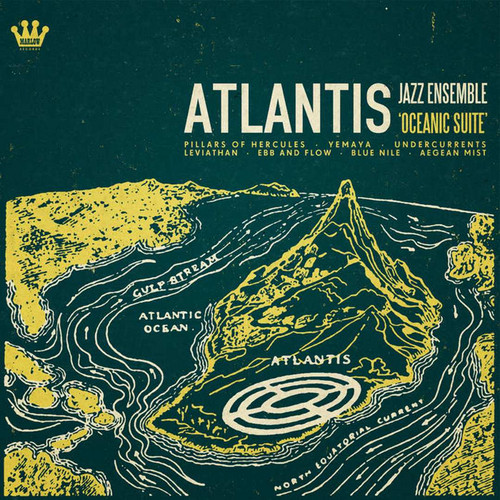
On Oceanic Suite, Atlantis Jazz Ensemble ride a warm, late‑night current of modal grooves and spiritual inflections, with trumpet, alto, Rhodes, bass and drums flowing together in live‑off‑the‑floor conversations that feel both loose and meticulously steered.
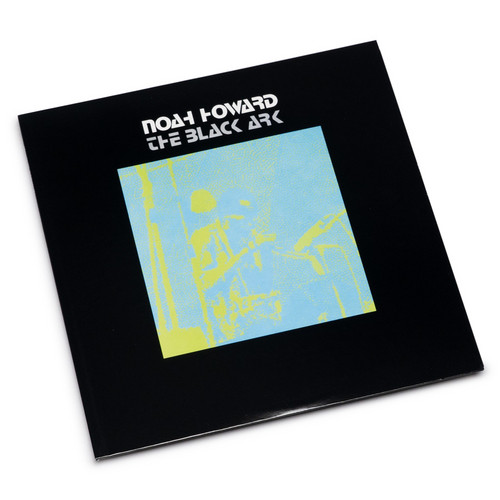
The Black Ark
Huuuge Tip! In the pantheon of classic free jazz, Noah Howard's The Black Ark looms large. Recorded at Bell Sound Studios in New York City in 1969 - just prior to the alto saxophonist's relocation to Europe - the album was eventually released in 1972 on Alan Bates's Freedom label, and has since acquired near-mythical status among collectors and devotees of the music. Now, Superior Viaduct presents the definitive remastered edition on vinyl, restoring this landmark to the visibility it has always…
The Tapscott Sessions Vol. 8
Solo piano from the heart of the Los Angeles underground. Horace Tapscott completely alone at the keyboard, recorded in the early '80s when the Nimbus label was documenting his every move. This is contemplative music of the deepest order - yet the closing piece devastates. "As A Child", Tapscott's own composition dedicated to Adele Sebastian who died just four days before this recording in 1983, aged only 27. She was a pillar of the Pan Afrikan Peoples Arkestra, and this was her favorite Tapscot…
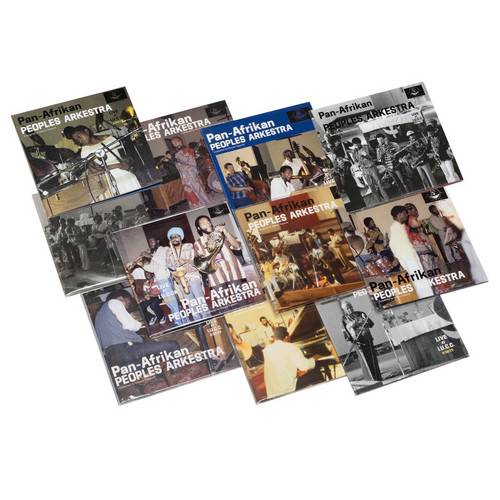
Live at IUCC - Complete Series
Few copies available. The Los Angeles based pianist, band leader, and composer, Horace Tapscott, always stood apart from the pack. A true visionary who was fiercely principled and independent, across the 1960s, '70s, '80s, and '90s, leading his legendary Pan-Afrikan Peoples Arkestra, he produced a tour de force of sound, seeded by social, political, and community-based action. For the entirety of their run together, Tapscott and his Arkestra, which continues to this day, were among the most impo…
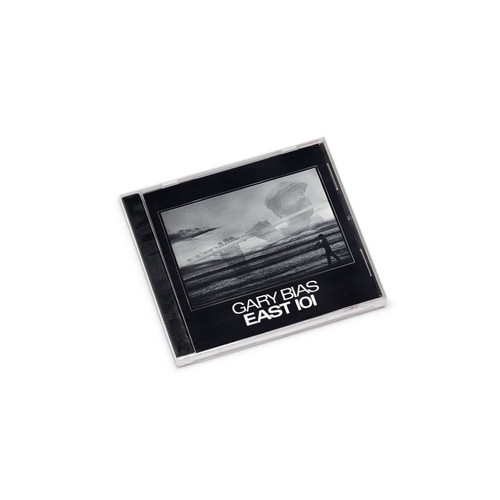
East 101
A beautiful, dreamlike expression of spiritual jazz recorded in 1981 at City Recorders - a time when this kind of music was considered completely out of vogue. Yet here is Gary Bias, unspooling a suite of deeply soulful and profoundly far-reaching original compositions that vividly evoke the blue skies of the record's Los Angeles origins. Bias plays alto and soprano saxophone and flute with a tone and sensibility that sits somewhere between the lyricism of early Pharoah Sanders and the bold atta…
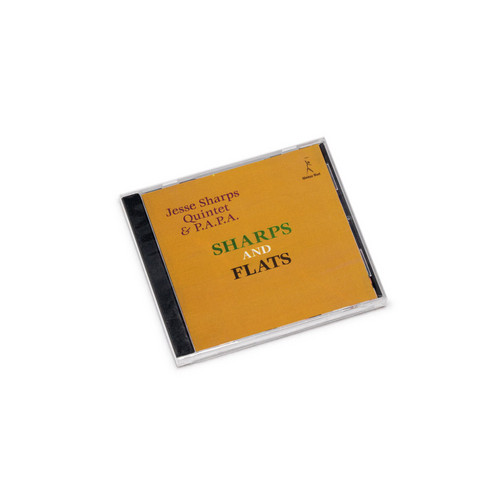
Sharps and Flats
The only album ever released under the name of saxophonist, bandleader and composer Jesse Sharps - a major, largely unsung figure in the history of jazz music in Los Angeles. Recorded in 1985 for Tom Albach's legendary Nimbus West imprint, Sharps And Flats lay unreleased until 2004 on CD and never saw a vinyl pressing until 2018. Sharps studied under Cecil Taylor at college, then returned to L.A. and took over band-leading duties from the great altoist Arthur Blythe in Horace Tapscott's Pan-Afri…
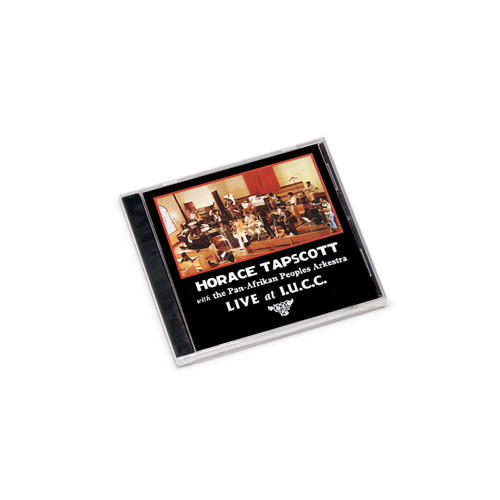
Live at IUCC
The only live recording the Pan-Afrikan Peoples Arkestra ever released - and arguably the most complete document of this extraordinary musical community in full flight. Recorded between February and June 1979 at the Immanuel United Church of Christ on 85th & Holmes in Los Angeles, where P.A.P.A. played every second Sunday, developing their sound and building an audience rooted in the community. As a culturally radical, communal big band with a visionary approach to American Black music, the Arke…
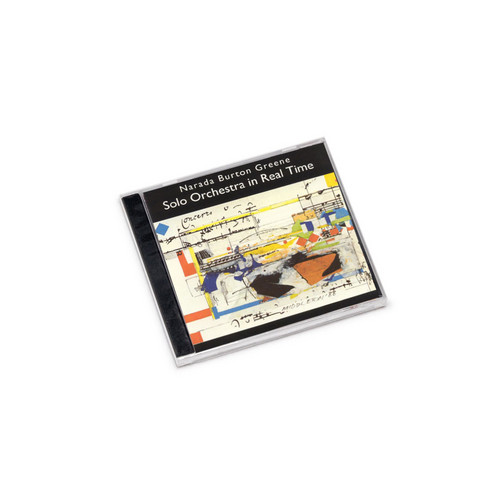
Solo Orchestra In Real Time
A singular, radical entry in the Nimbus West catalogue from one of the true pioneers of the free jazz piano. Burton Greene was there at the very beginning - co-founding the Free Form Improvisation Ensemble with bassist Alan Silva in early-60s New York, recording for ESP-Disk and Columbia, playing the legendary loft sessions at Slugs'. After relocating to Amsterdam in 1969, Greene spent decades exploring the intersections of free jazz, Indian music, klezmer and electronic composition. Solo Orches…
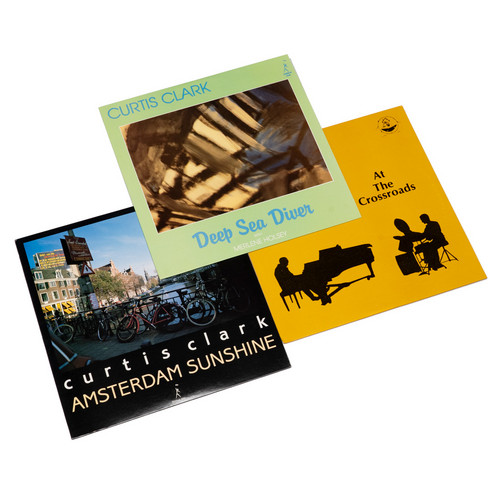
Nimbus West small vinyl bundle
Specially priced bundles drawn from the catalog of Nimbus West — the American label widely regarded as the greatest single depository of West Coast avant-garde jazz. With the label's future uncertain and no represses planned, this is a final opportunity to explore one of the most vital and visionary corners of recorded jazz before it disappears from circulation for good.Nimbus West bundle six contains the following LPs:
Curtis Clark "Amsterdam Sunshine"
Curtis Clark "Deep Sea Diver"
Horace Taps…
East 101
A beautiful, dreamlike expression of spiritual jazz recorded in 1981 at City Recorders - a time when this kind of music was considered completely out of vogue. Yet here is Gary Bias, unspooling a suite of deeply soulful and profoundly far-reaching original compositions that vividly evoke the blue skies of the record's Los Angeles origins. Bias plays alto and soprano saxophone and flute with a tone and sensibility that sits somewhere between the lyricism of early Pharoah Sanders and the bold atta…
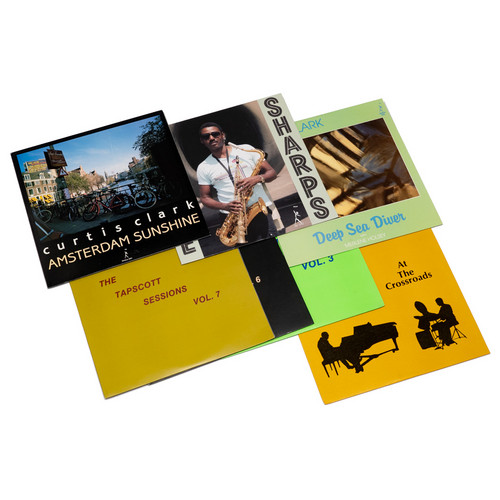
Nimbus West vinyl bundle
Specially priced bundles drawn from the catalog of Nimbus West — the American label widely regarded as the greatest single depository of West Coast avant-garde jazz. With the label's future uncertain and no represses planned, this is a final opportunity to explore one of the most vital and visionary corners of recorded jazz before it disappears from circulation for good.Nimbus West bundle four contains the following LPs:
Curtis Clark "Amsterdam Sunshine"
Curtis Clark "Deep Sea Diver"
Horace Tap…
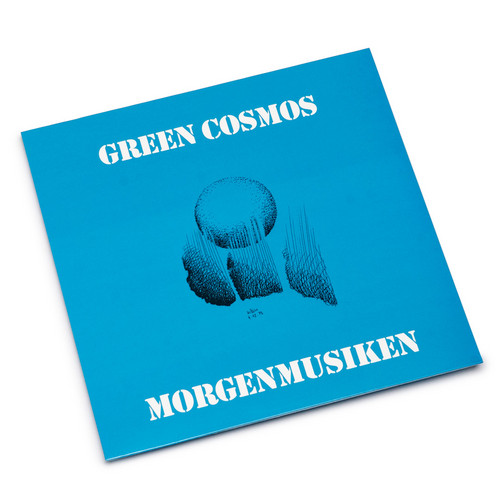
Morgenmusiken
On Morgenmusiken, Green Cosmos expand their small‑town German jazz into a quietly epic, Coltrane‑lit cosmos, braiding modal vamps, Indian classical colour and spacious free improvisation into seven meditative journeys where silence and a single note carry as much weight as any crescendo.