Jean-Claude Eloy
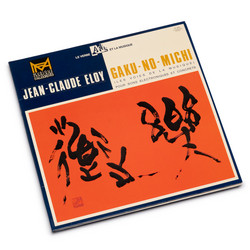
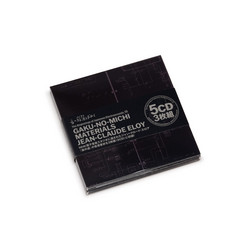
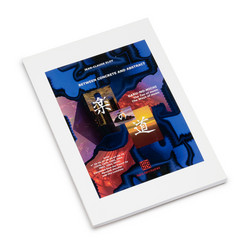
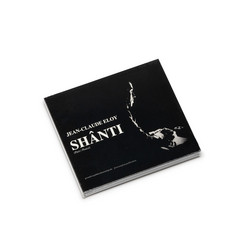
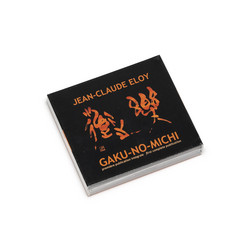
Jean-Claude Eloy makes electronic works that last a whole evening and ask for the patience of a ceremony. Born in 1938 in Mont-Saint-Aignan, he took first prizes in piano, chamber music, counterpoint and Ondes Martenot at the Paris Conservatoire, studied composition with Darius Milhaud, attended Darmstadt and was in Pierre Boulez's masterclass in Basel from 1961 to 1963. The turning point came in the studio: Shânti (1972 to 1973), realised at the WDR studio in Cologne, then Gaku-no-Michi (1977 to 1978) at the NHK studio in Tokyo, four hours of sound built from Japanese temples, streets and voices.
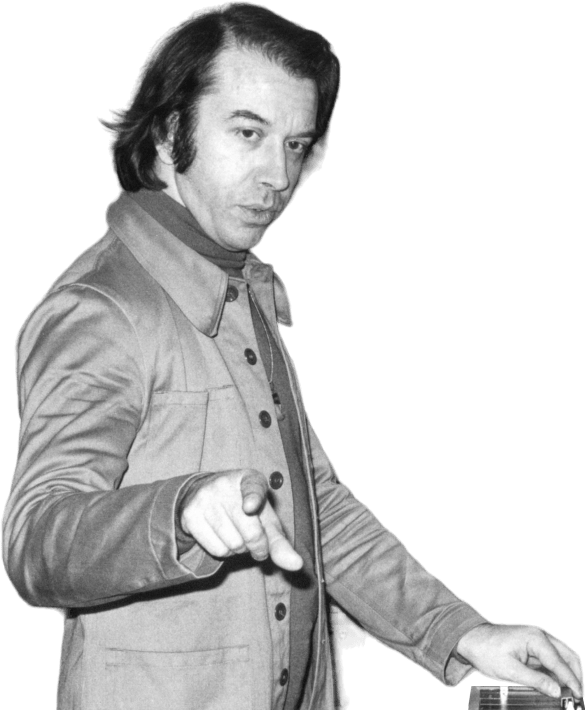
Jean-Claude Eloy makes electronic works that last a whole evening and ask for the patience of a ceremony. Born in 1938 in Mont-Saint-Aignan, he took first prizes in piano, chamber music, counterpoint and Ondes Martenot at the Paris Conservatoire, studied composition with Darius Milhaud, attended Darmstadt and was in Pierre Boulez's masterclass in Basel from 1961 to 1963. The turning point came in the studio: Shânti (1972 to 1973), realised at the WDR studio in Cologne, then Gaku-no-Michi (1977 to 1978) at the NHK studio in Tokyo, four hours of sound built from Japanese temples, streets and voices.