Brian Eno
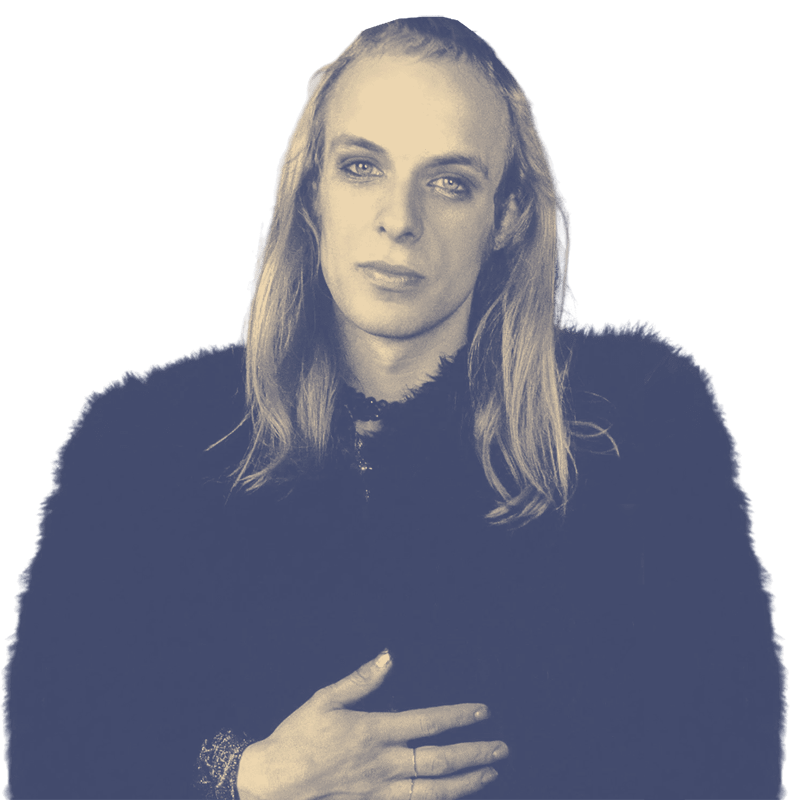
Brian Eno, born in Woodbridge, Suffolk, in 1948, has been an ambient pioneer, a glam rocker, a hit producer, a multimedia artist, a technological innovator, a worldbeat proponent and a self-described non-musician, and much more besides. He came to notice with Roxy Music in the early 1970s, made a run of art-pop solo albums, then with Discreet Music (1975) and Ambient 1: Music for Airports (1978) gave a name and a method to music designed to be ignored as easily as heard.

Fourth World Music Vol. I: Possible Musics
on 180 gram vinyl with CD. Originally released in 1980, Jon Hassell and Brian Eno's collaborative album Fourth World Music Vol. I: Possible Musics is a sound document whose ongoing influence seems beyond dispute. Not only is the album a defining moment in the development of what Eno coined as "ambient music" but it also facilitated the introduction of Hassell's "future primitive" trumpet stylings and visionary "Fourth World" musical theories to the broader public. These vectors continue to …
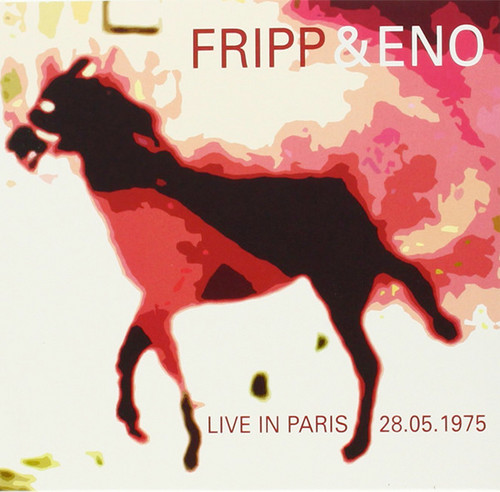
Live in Paris 28.05.1975
The subject of many poor quality bootlegs, this concert - one of only a handful undertaken by Fripp & Eno - is routinely described as legendary. Hearing the tapes in fully restored audio quality, it's easy to understand why it attracts such reverence now and perhaps, why the shows attracted such hostility then. No Roxy Music hits, No King Crimson riffs, just a duo sitting in near darkness with a reel to reel tape recorder, improvising over the pre-recorded loops with a filmed background projecti…

Evening Star
**200g super-heavyweight vinyl and presented in a re-print of the original sleeve** In 1975 with King Crimson on hiatus (as it would remain until 1980), Robert Fripp's appearances on album or on stage were rare. When he did appear, it was with Brian Eno. Circumstances following an accident in January 1975 led to Eno formulating the idea of ambient music as detailed in the notes to Discreet Music - released in December 1975. The title track of Discreet Music was initially conceived as a backing l…
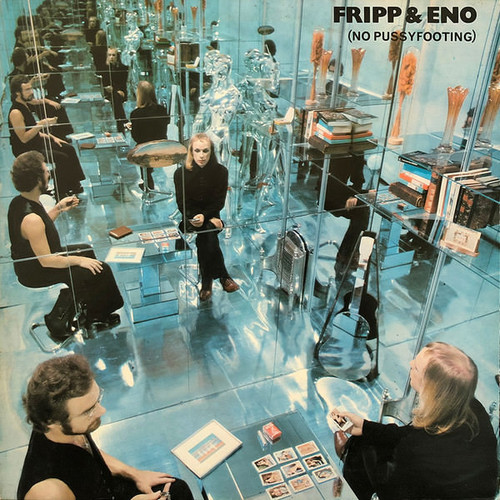
No Pussyfooting
2023 Reissue. Fripp & Eno's timeless electronic music classic No Pussyfooting on vinyl for the first time in nearly 30 years. The album's return to the 12" format is cut from masters approved by the artists, manufactured on 200g super-heavyweight vinyl and presented in a re-worked version of the original gatefold sleeve, using variant photos from the original photo shoot by Willie Christie.On September 8th 1972, Robert Fripp brought his guitar and pedal board to Brian Eno's home studio. Using En…
Sold Out

Live At The BBC
This vinyl release from B13 Records captures live performances from musician, composer, producer Brian Eno recorded at the BBC in London, England. The 8-song set features takes on material from his 1974 solo debut Here Come The Warm Jets ("The Paw Paw Negro Blowtorch," "Baby's On Fire"), it's follow-up Taking Tiger Mountain (By Strategy) ("The Fat Lady Of Limbourg," "Third Uncle") and 1975's Another Green World ("I'll Come Running") to go along with his 1974 single "Seven Deadly Finns," the Pe…

Drums Between The Bells
Gatefold 2LP version. "Pairing prickly electronics with live drum patterns, Eno dumps great globs of blotchy machine -- malfunction into the mix. Holland's poetry is interlaced courtesy of [a] monotone voice...the combined effect makes the whole undertaking sound like a wild William Gibson fantasy come to life." --Pitchfork "Brian Eno first came across the work of Rick Holland in the late '90s during the Map-Making project; a series of collaborative works between students of the Royal College, t…

1971-1977: The Man Who Fell To Earth
The first ever film about one of the most influential characters in the history of modern music. Musician, composer, producer, music theorist, singer and visual artist; probably best known for his early work with Roxy Music, his production duties for U2 & Coldplay, and as one of the principal innovators of ambient music. This documentary film - the first ever about Eno - explores his life, career and music between the years 1971 & 1977, the period that some view as his golden age. Featur…
My Life In The Bush Of Ghosts
When the David Byrne / Brian Eno collaboration My Life in the Bush of Ghosts was first released in 1981, Rolling Stone called it “an undeniably awesome feat of tape editing and rhythmic ingenuity.” It was widely considered a watershed record for future genres from world music to electronica, and almost 25 years later, the influence of My Life in the Bush of Ghosts is evident in music ranging from The Bomb Squad’s productions for Public Enemy to Moby, Kruder and Dorfmeister, and Goldie. Nonesuch …
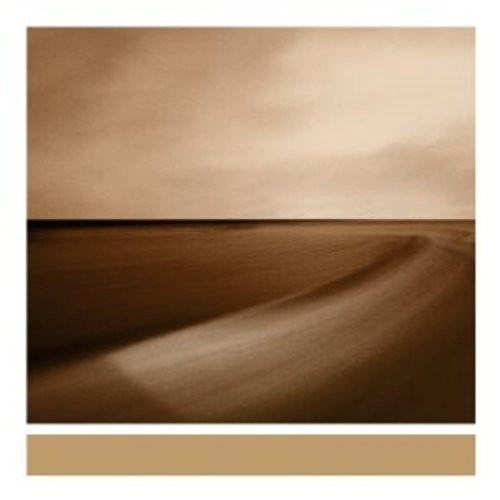
Small Craft On A Milk
If you were to dig through a random neighbor's record collection, chances are you'd come across something with Brian Eno's fingerprints on it. Maybe massive-selling offerings by Coldplay or U2, the still commercially viable art-rock of The Talking Heads and Devo — or, if your neighbor is anything like a TMT reader, perhaps there are a few Roxy Music albums, the Eno-curated No New York no-wave compilation, Bowie's Krautrock-leaning "Berlin Trilogy," or My Life in the Bush of Ghosts, Eno's 19…

More music for films
A listener familiar with the pedigree of the albums of Brian Eno might assume that the Virgin/Astralwerks release More Music for Films is merely a repackaging of Music for Films, Vol. 2, a bonus album included within the LP boxed set Working Backwards. Such an assumption would be incorrect, as More Music for Films represents a new spin on a variety of soundtrack material made by Eno in the years 1976-1983, including some tracks drawn from Music for Films, Vol. 2, others from Eno Box I: Instrumen…
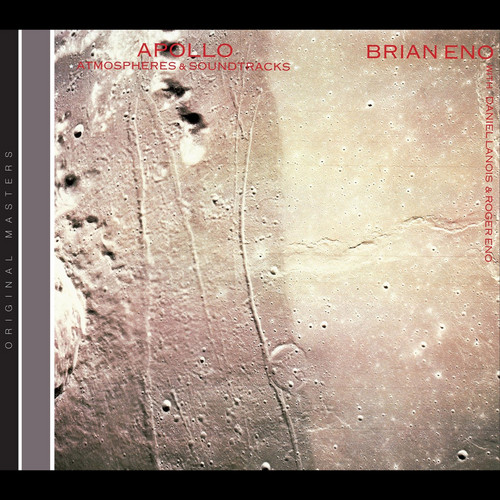
Apollo: Atmospheres and Soundtracks
Unlike Music for Films, the music for Apollo: Atmospheres and Soundtracks was entirely written for a specific film project—a documentary about the NASA Apollo lunar missions, by director Al Reinert. Additionally, by this time, Eno had found a sympathetic partner in Canadian Daniel Lanois, having already worked with Lanois on the 80 collaboration with Harold Budd, Ambient 2: The Plateaux of Mirror and the 82 release, Ambient 4: On Land. Lanois would bring an equally vivid imagination, and a more …
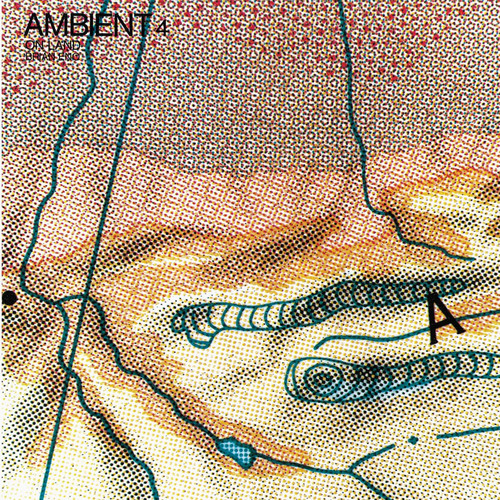
Ambient 4
Ambient 4: On Land is even more about experience and less about conventional listening; music that is meant more to be felt than heard. Music that, through its combinations of found sounds processed and placed in well-considered places in the stereo image - this is a recording that is best listened to in headphones - evokes strong imagery of places real and imagined.Brian Eno even references earlier works, extracting bits and pieces and subsuming them into a new whole. Eno compares this process …