Merzbow
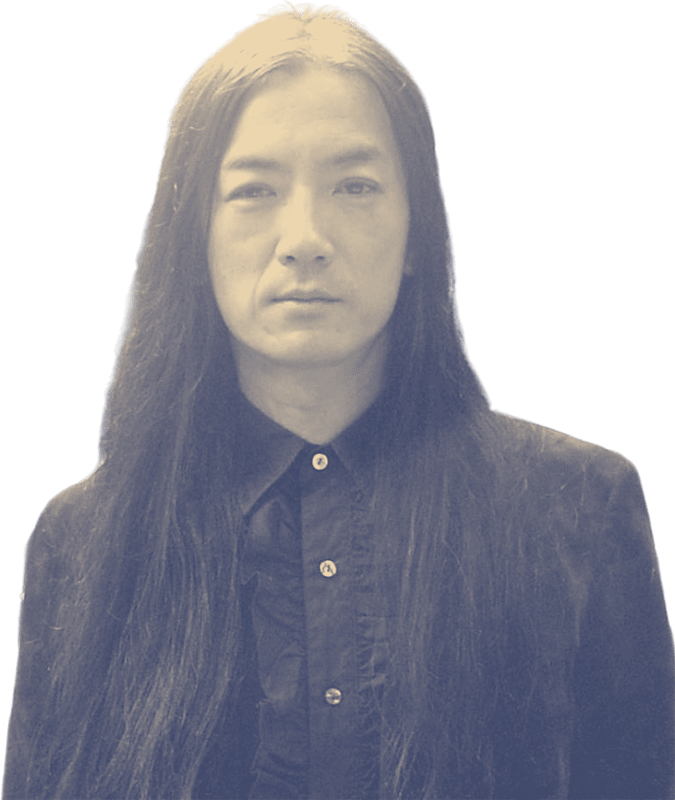
Masami Akita has been the name most people reach for when they say "Japanese noise". He started Merzbow in Tokyo in 1979, taking the name from Kurt Schwitters's Merzbau, the collage that slowly filled his house, and treated sound the same way: layers of feedback, tape, junk metal and later laptops piled up until only density is left. Since then he has released well over four hundred records, including the fifty CD Merzbox of 2000.
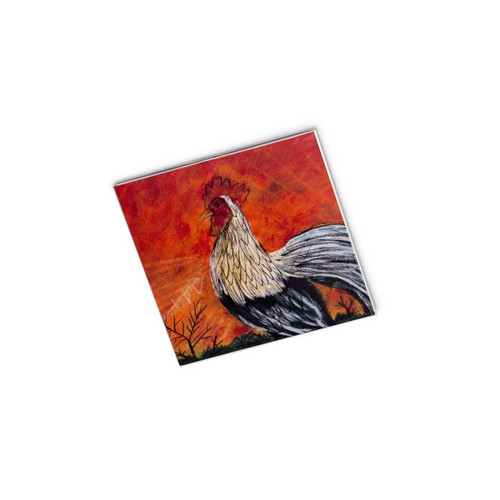
Merzbird Variation
Merzbird (Important Records, 2004) stands among the most celebrated laptop-era releases. This "Variation" offers alternate perspectives on that material - different plumage for the same sonic creature. Bird imagery connects to Akita's growing animal …
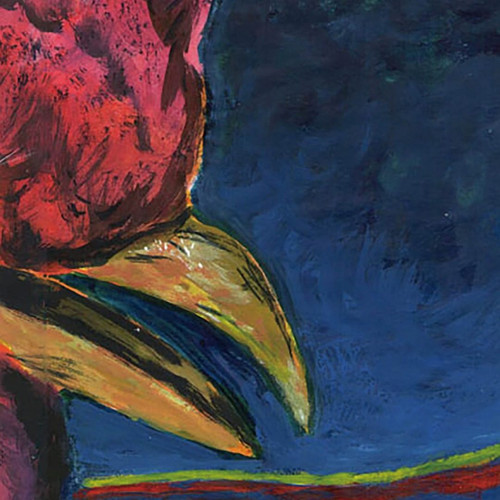
Plasma Door
The evocative title conjures thresholds between states of matter - solid becoming liquid becoming gas becoming plasma. Plasma Door captures Merzbow at a moment of material transformation, sound itself seeming to change state under extreme pressure. P…
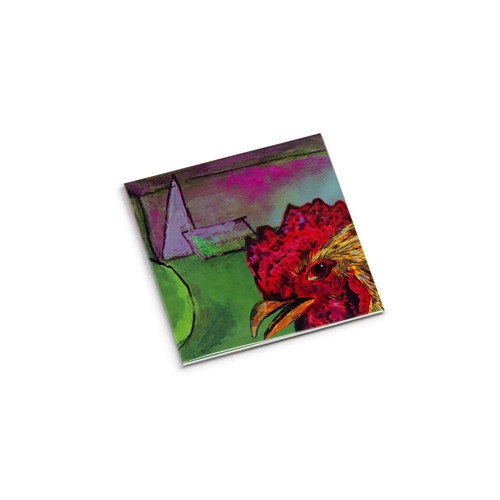
Sphere Sessions
Sphere Sessions suggests three-dimensional sound constructions - recordings enveloping listeners in dense, immersive noise environments. Akita's spatial awareness reached new sophistication in these mid-2000s productions - creating environments rathe…
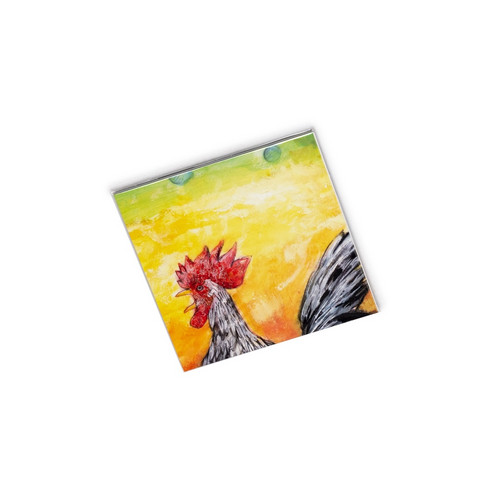
1633+
1633+ exemplifies Merzbow's confident command of laptop production techniques refined over five years of intensive experimentation. The numeric title resists interpretation - perhaps a date, perhaps a catalog number, perhaps pure abstraction. 1633 sa…
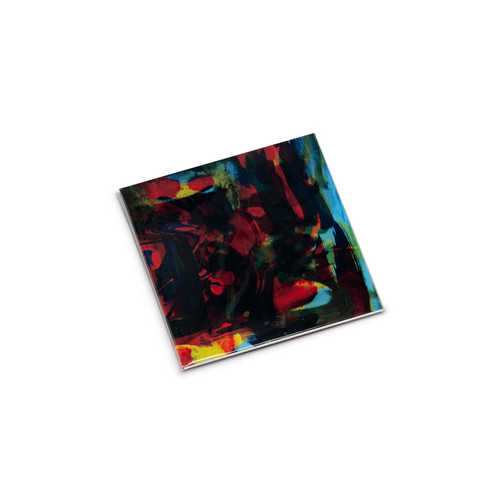
Yoshinotsune Metamo
The title references Yoshitsune, legendary Japanese warrior-hero - though "Metamo" suggests metamorphosis, transformation. Yoshitsune's story involves disguise, flight, and tragic loyalty - themes resonating with Akita's own constant transformations.…
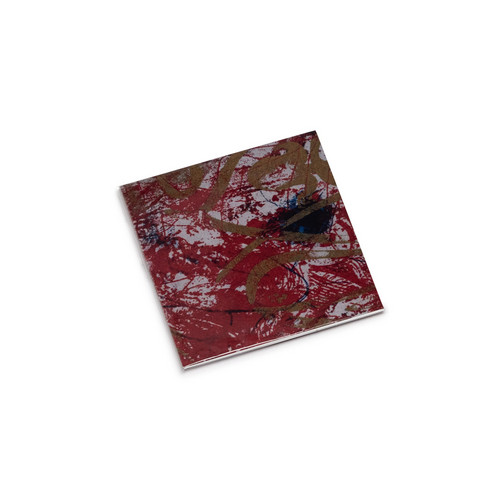
Enclosure
Enclosure suggests both confinement and protection - sound as shelter, sound as prison. The title carries multiple resonances: the enclosures that contain animals in zoos and farms, the enclosure movement that privatized common lands, the sonic enclo…
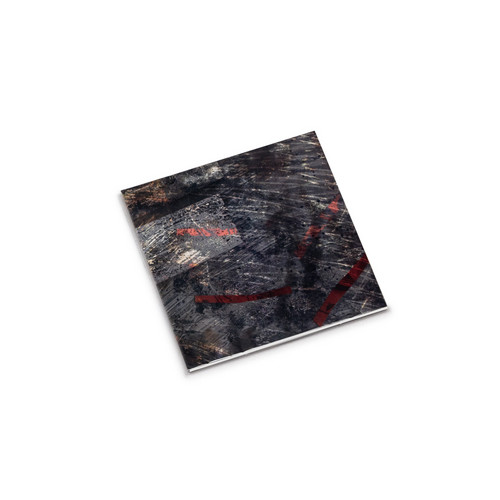
Antimonument Tapes
The "Antimonument" concept looms large in Merzbow lore - the original 1985-86 album is considered a landmark in noise history, a foundational text for the genre. *Antimonument Tapes* offers invaluable context, documenting the creative process that yi…
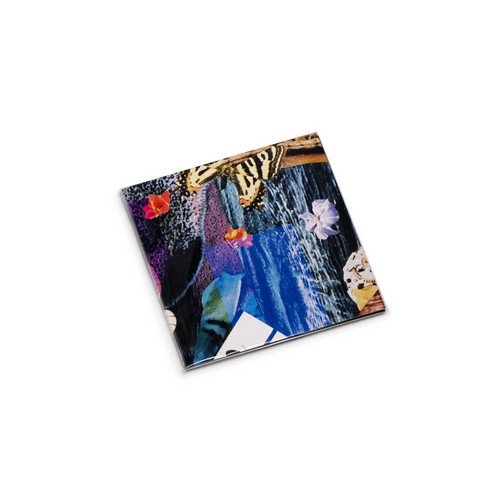
Insect 801
Three tracks from the production of Konchuuki (Essence Music, 2015). The 28-minute centerpiece employs oscillator-modulated rhythms from a vintage Mach Rhythm Box RB-801, creating distinctive rhythmic patterns throughout—the album title references th…

Pi-Eggplant
The Merzbow Archive series by Slowdown Records, which has released ten editions so far, enters its twelveth edition. This edition consists of recordings made between 2008 and 2009, when Merzbow developed a style that incorporated drumming. Although M…

Groon Lesson
Recorded during the height of the 13 Japanese Birds series production, these three performances capture Merzbow at peak drumming-era intensity. The centerpiece - a commanding 32-minute second track - demonstrates the extended improvisational structur…

Red Brick
Test mixes for Arijigoku (Vivo, 2008)—Merzbow's first full-fledged combination of live drums with improvised noise performance. Drums were recorded separately in a rented studio, then mixed with noise at a later date. This preliminary version offers …

Ensemble Drums
Alternate mixes from two essential albums: Protean World (Noiseville, 2008) and Microkosmos (Blossoming Noise, 2009). Drumming was recorded separately in rented studio space, capturing Akita's return to the instrument after decades.
The first track f…

Drumorph
Primarily computer-based but incorporating sampled drums, this album documents the earliest experiments leading to the full drum integration that would define this period. Finely cut drum sounds ricochet through space in the first two tracks, with fi…
Feedback Purple Yellow
Recorded as prototype material for the Here album (L. White Records, 2008) but ultimately unused. Deafening self-made instrument sounds run parallel with dull, boomy distorted noise, their synergy creating a strong sense of speed.
Very few sounds ide…

Coma Test
Coma Test pushes toward sensory overload approaching coma-like disconnection, testing how much the nervous system can absorb. The title suggests medical experimentation, perhaps referencing animal testing practices that Akita opposes, or simply the e…

Bloodour
Bloodour's visceral title ("blood" + "our") suggests shared complicity - the blood is ours, we are responsible. These recordings emerge from the Minazo/F.I.D./Merzbear period, when Merzbow explicitly addressed animal cruelty with unflinching directne…

27 August 2006
Another precisely dated document from the animal rights period, continuing intensive summer 2006 documentation. Together with the August 15 companion, it provides comprehensive insight into Merzbow's live approach during this activist phase - transla…

15 August 2006
This live recording from Metro in Kyoto captures Merzbow in confrontational performance mode. August 15 holds significance in Japan as the World War II end anniversary - whether intentional or not, this historical resonance adds layers of meaning. Th…

Pig AY
Pig AY extends animal-themed titles becoming prominent following Akita's veganism adoption in 2003. The pig - intelligent, social, routinely abused by industrial agriculture - would become a recurring figure in later work. This early reference sugges…

Material For Structure I
Recorded in September 2002, Material for Structure I unfolds across 50 minutes as a continuously evolving sonic organism. The first half emphasizes repetition, gradually building toward chaotic avalanches of sound. Throughout, electronically randomiz…

SCSI Duck 2
The title playfully merges computer technology (SCSI interfaces dominating 90s computing) with animal imagery - collision typical of Akita's conceptual approach. The "Duck" suggests both the animal and evasive movement - ducking, dodging. These recor…

3rd Of May Vol.1
Precisely dated to May 3, 2003, these recordings document Merzbow during the exceptionally productive period yielding Cycle, Merzbird, and Tamago. Listeners familiar with Tamago will recognize kindred elements - particularly drum-like samples eruptin…
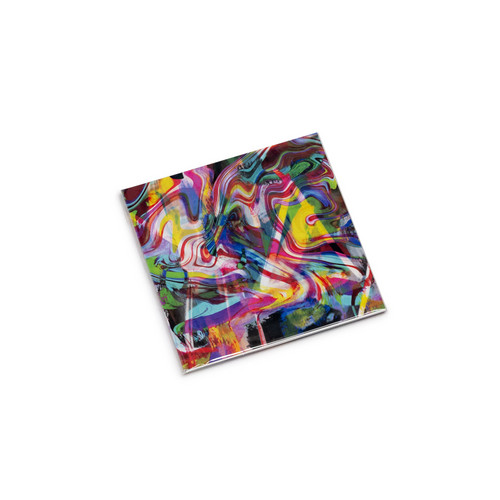
3rd Of May Vol.2
Volume 2 features extended development of repetitive elements, with beat-like samples undergoing extreme abstraction through effects processing - documenting Akita's ongoing stylistic experimentation even within established methodology. The continuat…

Necro 2000
As the millennium turned, Necro 2000 marked both ending and beginning - death imagery presiding over Merzbow's laptop era birth. The "Necro" prefix invokes death and decay; the year "2000" signals apocalyptic transition. Y2K anxieties, millennial dre…

Process 9611
The clinical title emphasizes methodology over mysticism - appropriate for this period of technological transition when Akita was systematically exploring new tools' capabilities. "Process" suggests procedure, algorithm, step-by-step transformation. …

Tentacle (1st Mix)
Tentacle suggests oceanic creatures, reaching appendages, multiple simultaneous touches - apt imagery for Merzbow's newly expanded digital toolkit. Where analog equipment imposed physical limits on simultaneous operations, computers enabled unprecede…

Mighty Ace
Mighty Ace is a large-scale work spanning 50 minutes in a single track, showcasing remarkable sonic variety within unified form. According to Akita's notes, it shares characteristics with companion piece Tenshinkaku. The mix of digitally generated el…

Tenshinkaku
Tenshinkaku was originally recorded with the intention of releasing an album under the same title, but it never materialized. Some tracks were excerpted and edited into one track as "Tenshinkaku 01" on the bonus CD "Early Computer Works" accompanying…

Wa
These recordings represent the very beginning of Merzbow's laptop style - the birth of a new methodology that would reshape the project's sound and process. The album references "Wa 30.25" from Collapse 12 Floors (Ohm, 2000), including the extended m…

Spring Harp-O
The evocative title conjures resonant strings and seasonal renewal - unexpected associations for harsh noise, yet characteristic of Akita's poetic sensibility. The harp represents ethereal beauty and delicate tones; by invoking it in a noise context,…

Medamaya-O
Medamaya-O extends late-90s documentation with 1997-1998 recordings. "Medamaya" evokes eye imagery (目玉屋) - the eye shop or eye house. Akita's engagement with visual perception themes runs throughout his work; despite creating purely sonic art, he fre…

Tauro-O2
The "Tauro" albums contain outtakes from the 1998 masterpiece Tauromachine (Relapse/Release) and unused material from the same period - the "O" in the title standing for "Outtakes." While the 10CD box Merzmorphosis (Youth Inc., 2012) previously compi…

Tauro-O1
The "Tauro" albums contain outtakes from the 1998 masterpiece Tauromachine (Relapse/Release) and unused material from the same period - the "O" in the title standing for "Outtakes." While the 10CD box Merzmorphosis (Youth Inc., 2012) previously compi…

Cat Of Shell Vol.2
Volume 2. Cat Of Shell was recorded in 1996 and originally intended for release under the same title, but remained unreleased until now. According to Akita's notes, the DAT master index lists both "Cat Of Shell" and "1930" - indicating these recordin…

Cat Of Shell Vol.1
Cat Of Shell was recorded in 1996 and originally intended for release under the same title, but remained unreleased until now. According to Akita's notes, the DAT master index lists both "Cat Of Shell" and "1930" - indicating these recordings relate …

Chameleon Body
Chameleon Body suggests shape-shifting, adaptation, camouflage - apt metaphors for Merzbow's endlessly mutating sonic identity. The chameleon changes appearance while remaining essentially itself; similarly, Akita's work transforms constantly while m…

Live at Doushisha University
This live recording from Doshisha University captures Merzbow in performance during the Pulse Demon era - a unique document of how golden-period studio work translated to live contexts. The academic setting creates intriguing tension: extreme noise i…

小品集 (Selected Small Works) Vol.2
Volume 2. Unlike earlier Archive installments sourced from cassette masters, this series was remastered from original DAT tapes, ensuring superior audio quality. These volumes collect shorter pieces - concentrated bursts of Akita's most celebrated pe…
小品集 (Selected Small Works) Vol.1
Unlike earlier Archive installments sourced from cassette masters, this series was remastered from original DAT tapes, ensuring superior audio quality. These volumes collect shorter pieces - concentrated bursts of Akita's most celebrated period. The …

Untitled 1991 Vol. 3
Volume 3. The fifth chapter focuses intensively on 1991 - a transformative year for Merzbow. New sampling delay effects from Next and Digitech enabled more rhythmic, cut-up approaches, marking decisive evolution from previous decade's collage techniq…