Merzbow
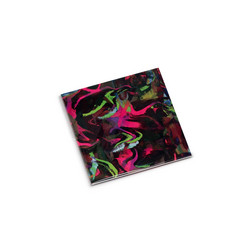
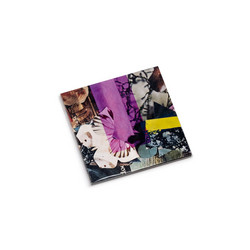
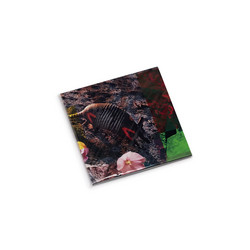
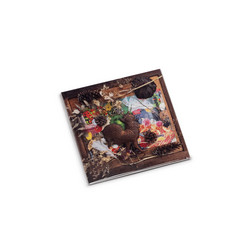
Pi-Eggplant
Label: Slowdown Records
Series: Merzbow Archive Series / Drums Era (2008-2009)
Format: CD
Genre: Experimental
In stock
The Merzbow Archive series by Slowdown Records, which has released ten editions so far, enters its twelveth edition. This edition consists of recordings made between 2008 and 2009, when Merzbow developed a style that incorporated drumming. Although Masami Akita was originally a drummer heavily influenced by psychedelic rock, progressive rock, and other free music of the 70s, he avoided using drums in Merzbow (except in the duo with Kiyoshi Mizutani in the late 70s and in Merzbow Null in the early 80s). As a result, this period is the first time Merzbow has used drums in a full-fledged way in his solo works. Merzbow's most famous work in this style is the "13 Japanese Birds Series" (Important Records), a year-long series of 13 releases spanning 2008 and 2009. The impetus for the development of this style came in April 2008, the day after the London show, at Tin Pan Alley Studios, when Merzbow was recording for a new album to be released on Cold Spring Records in the UK. At that time, he recorded the live drums in the studio and combined them with computer noise, which became the beginning of their full-scale use of drums (this recording was included in "Anicca" (Cold Spring, 2008)). After returning to Japan, his drumming style evolved to include not only computerized sounds but also improvised noise, leading to works such as "Arijigoku" (Vivo, 2008), "Protean World" (Noiseville, 2008), and "Microkosmos" (Blossoming Noise, 2009). The encounter with a drummer who has a lot in common with him in terms of musical background (not only metal and grindcore, but also Sun Ra and free jazz) led to Merzbow's desire to pursue a style that incorporates drumming as a duo. And Merzbow's solo music has returned to a drum-less style (i.e., a style that is not improvisational even if drums are included). Therefore, the recordings of this period using Akita's own drum performance is valuable.
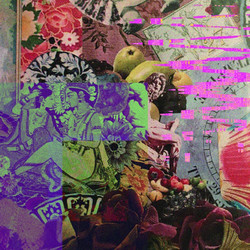
This work, "Pi-Eggplant" (as well as "Groon Lesson" from the same editions) is one of the works recorded on DAT in the New Year of 2009. The drum performance was recorded at Munemihouse using Roland V-Drums instead of being recorded separately in an external studio. A portion of this recording was also provided for a collaboration with Richard Pinhas. There are many moments where the album progresses with no drum sounds, only electronic noises, and in the fourth track, a heavy beat is played on the drums in an unhurried manner, which is an unusual finish even for a recording from the period when Merzbow used drums.