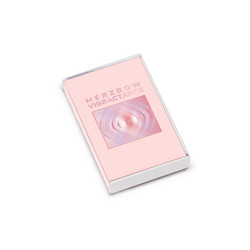
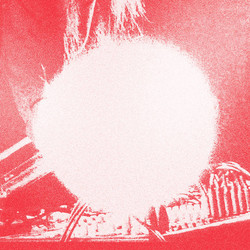
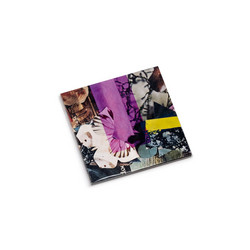
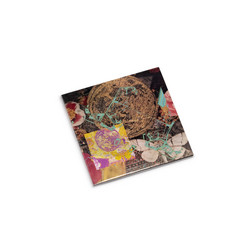
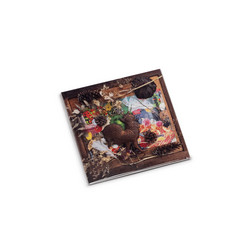
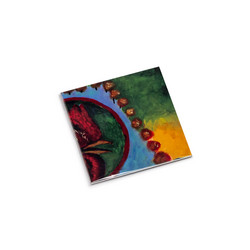
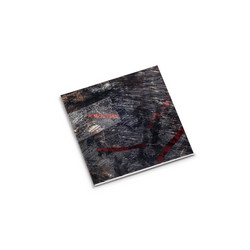
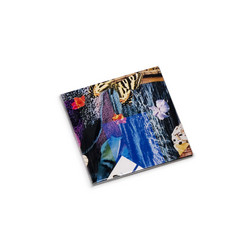
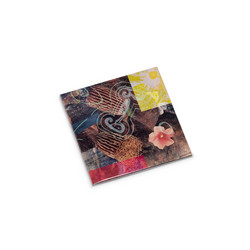
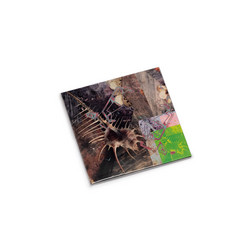
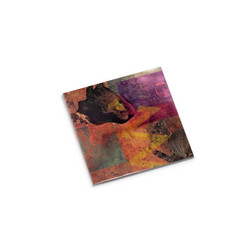
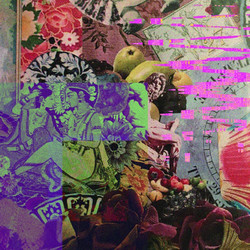
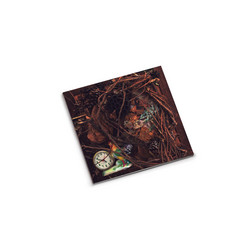
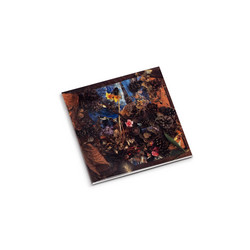
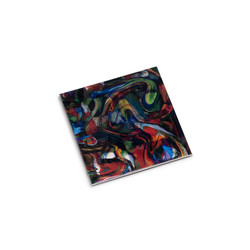
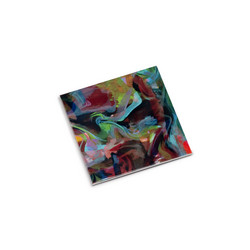
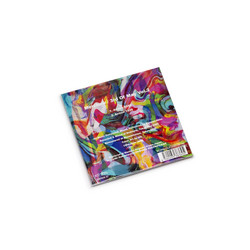
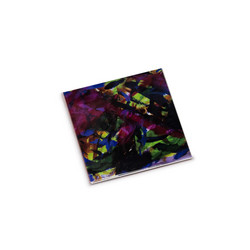
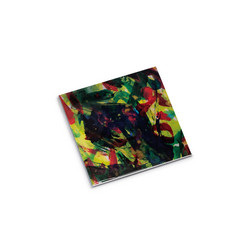
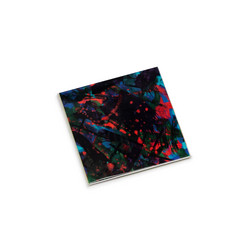
Double Beat Sequencer Vol.2 continues Merzbow’s deep dive into a particularly vicious corner of his archive: mid‑2010s sessions built around a relentless “double beat” framework, then buried under signature torrents of noise. Where Vol.1 sketched the template - rigid sequencer patterns hammered into shape and then abused - this instalment feels even more single‑minded. A handful of cycling pulses become the spine for entire pieces, driven by a strict, mechanical insistence that Masami Akita treats as just another sound source to corrode, distort and overload.
The “double beat” here is not simply a drum pattern; it’s an organising principle. Two interlocking rhythmic cells - offset pulses, duelling accents, overlapping tempos - are set in motion on the sequencer and left to grind away, forming a blunt grid over which walls of feedback, wah‑torn fuzz and metallic scree are layered. At times the underlying patterns are clearly audible, pounding like a stripped‑down industrial groove. Elsewhere they are submerged beneath sheets of distortion, sensed more as a subliminal throb than as discrete hits. This tension between the clarity of the beat and the volatility of the noise keeps the music in a state of permanent friction.
Compared to Merzbow’s free‑form, texture‑only onslaughts, Double Beat Sequencer Vol.2 invites a different kind of listening. The presence of a fixed pulse tempts the ear to scan for structure - to count, to anticipate, to ride the momentum - even as the surrounding sound constantly sabotages that urge. Peaks of high‑frequency spray, low‑end bursts that feel like tearing metal, and sudden drops in density all intervene, splintering any sense of comfort the rhythm might offer. The effect is oddly hypnotic: one part body‑level compulsion, one part sensory overload, like dancing next to an engine that could seize up or explode at any second.
Across its three long pieces, the album also offers a study in how small changes can feel immense within such a constrained setup. A shift in the sequencer’s filter, a subtle alteration in the double‑beat accent pattern, a new layer of wah‑fuzz entering the mix - each move registers dramatically against the otherwise unyielding repetition. This is Merzbow at his most stripped yet also his most methodical, treating a minimal configuration of pedal, sequencer and noise sources as a problem to be attacked from multiple angles.