Back in stock
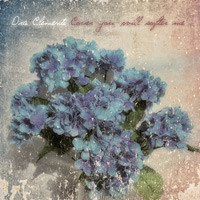
Cover You Will Soften Me
Ora Clementi is the pen name of Canadian sound artist and improvisor Crys Cole and Australian performer and composer James Rushford. crys has previously collaborated with Keith Rowe and Oren Ambarchi (Bocian records) whilst James worked alongside Joe Talia on the highly acclaimed 'Manhunter' LP (Kye). Penultimate Press is proud to unveil this duo's new hermetic world of sound, song and speech. Employing farfisa, contact mics, percussion, viola, recordings of James' pet chickens, ocarinas, pia…
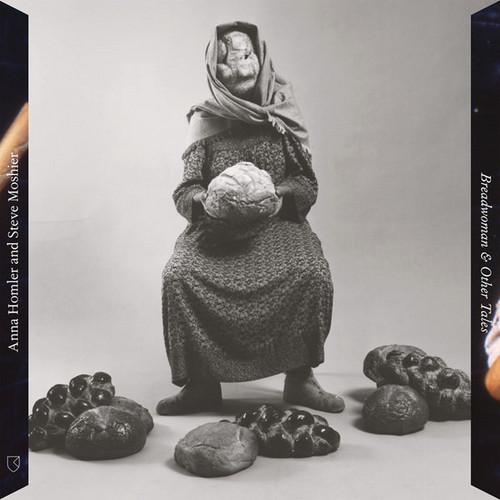
Breadwoman & Other Tales
** CD edition** Sensational!!!! Breadwoman & Other Tales are the collected recordings of a language arising. It is the sound and document of Anna Homler divining speech, lyrical fragments, and melody for music composed, mixed, and engineered by Steve Moshier. It’s 1982 and Anna is driving an ocean blue classic Cadillac to meet renowned poet and playwright Deena Metzger in Topanga Canyon, Los Angeles. Passing a non-descript desert patch where tall wheat and mustard flowers grow, Anna opens her mo…
Pulsar Music ltd
An outstanding lbirary CD (Originally on Cometa) played by Pulsar, a short living group formed in 1976 by jazz musician Enrico Pieranunzi and Silvano Chimenti , was called The Pulsar in honor of the neutron star and, to date, it was thought that their only album had been used for the soundtrack of the MarioCaiano's movie Milano Violenta. The feel of the album is similar to that of some of the best tracks on the Stroboscopia comps – with lots of tight drums, rumbling basslines, and cool electric …
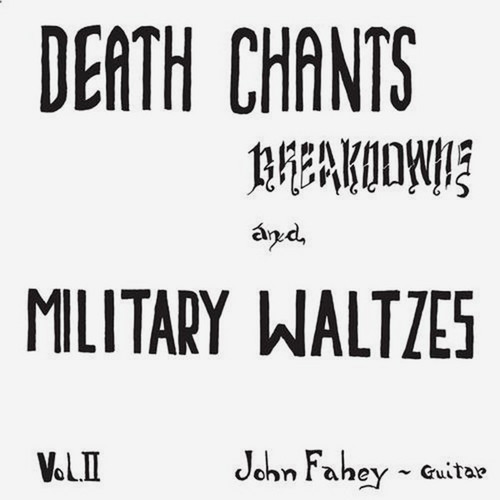
Volume 2 / Death Chants, Breakdowns & Military Waltzes
2016 remastered edition, blue color vinyl edition of 500 copies. "Death Chants is John Fahey's second album, following the brilliantly apocryphal Blind Joe Death. As massive as that earlier work was, it represented only a tentative first step towards the fields of hodologic splendor that our hero would go on to create. Death Chants represents a much more fully realized syncretism of the modernist and primitive poles between which John Fahey wobbled. It is also the first album he deigned to relea…
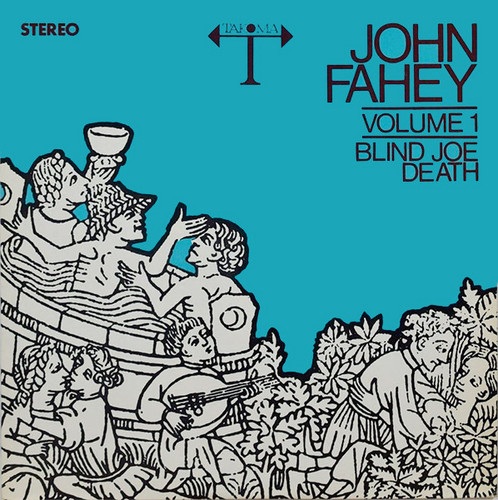
Volume 1 / Blind Joe Death Volume 1
2016 remastered edition, clear vinyl edition of 500 copies. "For several years major labels had been issuing records in both mono and stereo formats. By 1967 Takoma was doing well enough financially to justify the recording of John Fahey's first and second albums for the burgeoning stereo market. Thus Vol.1: Blind Joe Death, as the record would be titled henceforth, was recorded for the third time and it is probably this release that most people are familiar with today. For the new version Fahey…
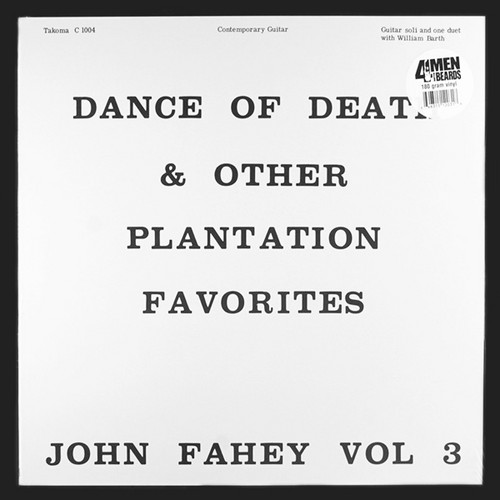
Volume 3 / The Dance of Death and Other Plantation Favorites
2016 remastered edition, green color vinyl edition of 500 copies.Originally released in 1964, Dance of Death offers a glimpse of an artist in transformation. More than half the album's titles draw from the traditional blues and country repertoire Fahey had spent his teen years and young adulthood collecting, listening to, and learning to play, yet the recordings proved once and for all that his interests lay in musical transfigurations rather than preservation -- John Fahey was not afraid to use…
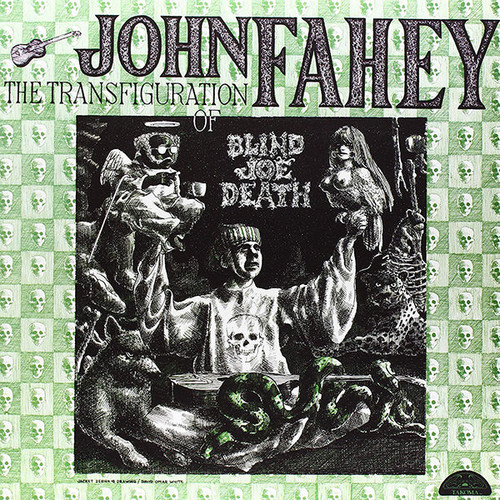
The Transfiguration of Blind Joe Death
2016 remastered edition, gold color vinyl edition of 500 copies. Originally released in 1967. The Transfiguration of Blind Joe Death is John Fahey's classic fifth album from the mid-1960s and is one of his most influential. This album has an amazing variety of styles, moods, and influences, and John has a compositional and playing style that is totally unique. "A strange man, John Fahey, with an unusual set of guitar styles. This album, originally released on Riverboat Records and later reissued…
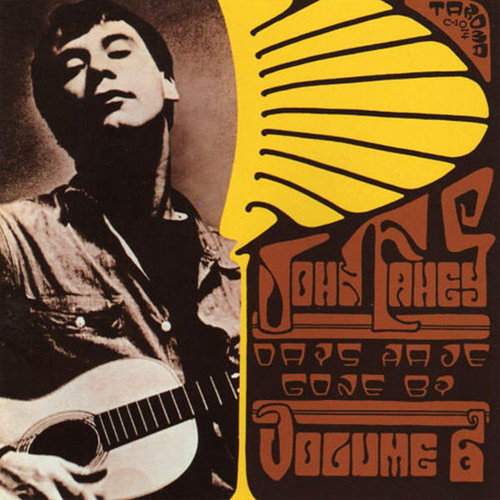
Volume 6 / Days Have Gone By
2016 remastered edition, gold color vinyl edition of 500 copies. Originally released in 1967. Days Have Gone By continues Fahey's interest in soundscapes, sound effects and experimental music mixed in with more traditional guitar playing of his earlier musical style"Sam Graham once referred to John Fahey as the "curmudgeon of the acoustic guitar," while producer Samuel Charters noted that Fahey "was the only artist I ever worked with whose sales went down after he made public appearances." This …
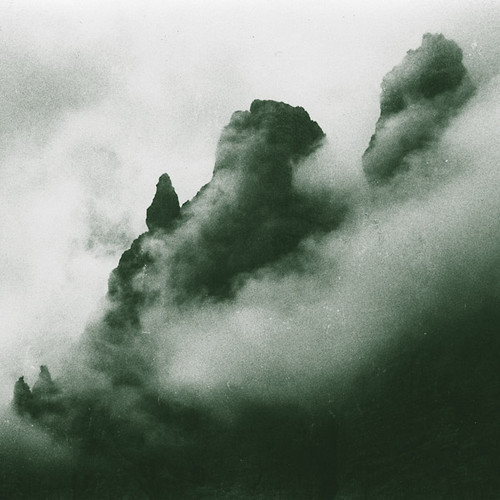
Il Museo Selvatico
Since launching in 2009, Oren Ambarchi’s
Black Truffle has been making quiet waves in the underground,
its growing catalog unfurling the unexpected aural connections
which only appear when a label is led by an artist’s ear and
heart. Initially orbiting around Ambarchi’s own output, and that
of the community which immediately surrounds him, the imprint
has increasingly endeavoured to establish cross-generational
links, issuing and reissuing stunnin…
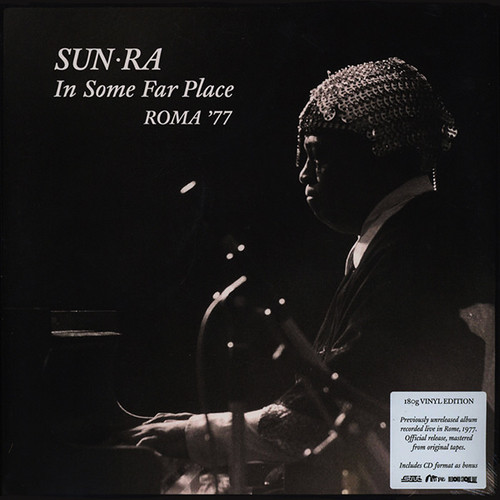
In Some Far Place: Roma '77
1977 was a transitional time for jazz enigma and self-proclaimed member of an “angel race“, Sun Ra. During the Summer of 1976, he had stormed Montreux and toured West Africa with one of the greatest of his full-sized Arkestras before embarking on occasional solo concerts for the first time, emphasising his prowess at the piano. Although he had always played the blues within Arkestra sets, he now summoned up the rolling tradition of blues piano, recalling Otis Spann, Avery Parrish, stride and ric…
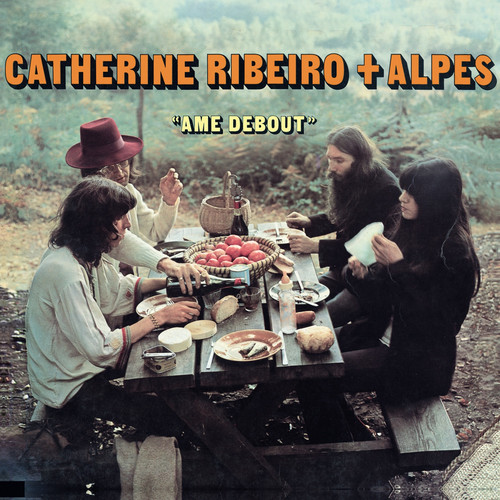
Ame Debout
Anthology Recordings is pleased to announce the reissue of the long out of print -- and never before officially issued in the US -- trilogy of albums by Catherine Ribeiro + Alpes, 1970's N°2, 1971's Âme Debout, and 1972's Paix. Anthology's presentation of these foundational LPs, arguably the group's finest hours on wax, fills in a crucial missing link in the canon of psychedelic and experimental music of the 60s and 70s. In a lineage with other uncompromising women singers such as Edith Piaf, N…

Ustad Abdul Wahid Khan
Fantome Phonographique present a reissue of Ustad Abdul Wahid Khan's self-titled release, originally released on Columbia in 1966. Even though the original recordings are crackly and in low fidelity (but also deeply charming) it seemed necessary to repress this record for its immense historiographic value. These recordings are made available here with new mastering, in as clear fidelity as possible. Fans of Indian classical music will no doubt know the name Ustad Abdul Wahid Khan. He founded the…
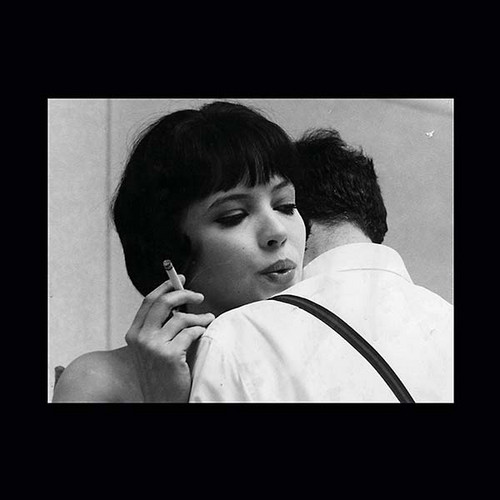
Jean-Luc Godard: Bandes Originales 1959-63
2018 repress. A selection of tracks from some of Jean-Luc Godard's earliest and most memorable films including À bout de souffle (Breathless), Une femme est une femme (A Woman Is A Woman), Vivre sa vie (To Live One's Life), Le Mépris (Contempt). With works from the legendary composers Martial Solal, Michel Legrand, and Georges Delerue, this is an essential collection of music from the films of one of the most important directors of the French New Wave.
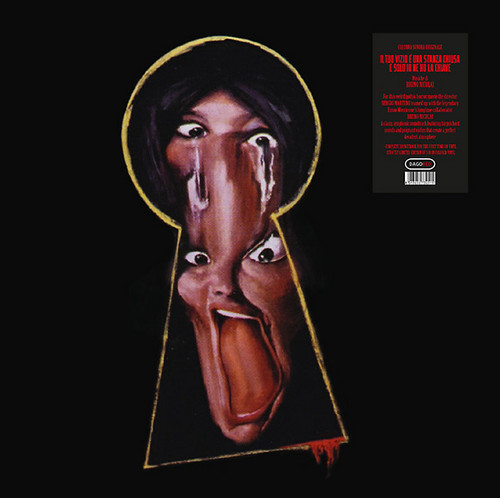
Il Tuo Vizio È Una Stanza Chiusa E Solo Io Ne Ho La Chiave
Dagored present a reissue of Bruno Nicolai's score for the 1972 film Il Tuo Vizio È Una Stanza Chiusa E Solo Io Ne Ho La Chiave (Your Vice Is a Locked Room and Only I Have the Key). The complete soundtrack presented on vinyl here for the first time. For this weird gothic horror movie, the director Sergio Martino teamed up with Ennio Morricone's longtime collaborator, the legendary Bruno Nicolai. A classy symphonic soundtrack featuring harpsichord sounds and poignant violins that create a perfect…
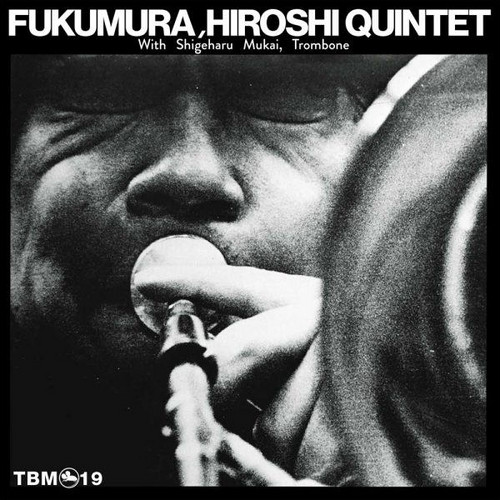
Morning Flight
Recorded in 1973, “Morning Flight” by trombonist Hiroshi Fukumura is a stunning modal and spiritual jazz album! Genius work from Japanese trombonist Hiroshi Fukumura – working here at the helm of a twin-trombone group that also features the talents of Shigeharu Mukai – in a style that's filled with soul and free-thinking imagination! The two players work together beautifully here – avoiding any of the cliches of trombone-heavy groups from the past – and instead, using the open-ended Three Blind …
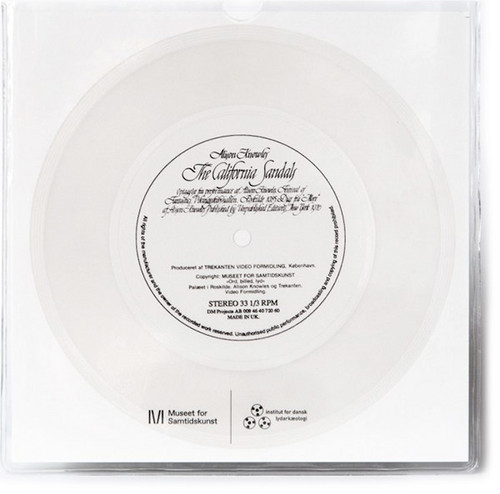
The California Sandals
Flexi disc with recording of a performance from 1985 by Alison Knowles. The flexi disc The California Sandals was originally released as part of a black cardboard box published by The Museum of Contemporary Art in Roskilde, Denmark in 1989, thus predating the official foundation of the museum in 1991. The box was part of a fundraising strategy to meet the requirements for the museum to gain state recognition. Museum shares were issued and sold for 1,000 DKK. Each share was accompanied by one of …
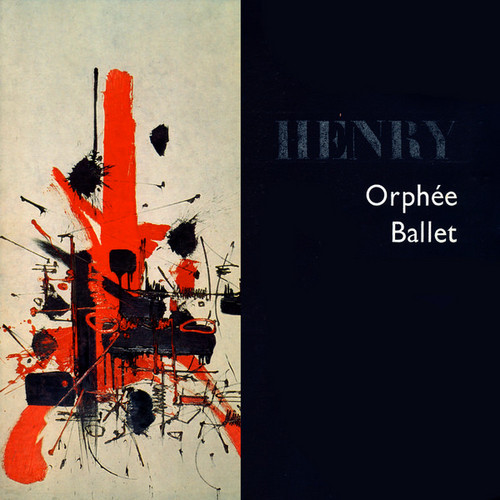
Orphee Ballet
Scored for Maurice Béjart's choreography to the 'Orphée Ballet', based on the Greek god Orpheus, this is one of Pierre Henry's finest works of musique concrète, the genre in which Henry was an early innovator and to which he devoted his career. After years working for the French national radio (RTF) and honing his studio chops on radio spots and editing/composition, Henry formed his own studio in 1958 and began working on modern dance and ballet and soundtrack work. Incorporating percussion, ind…
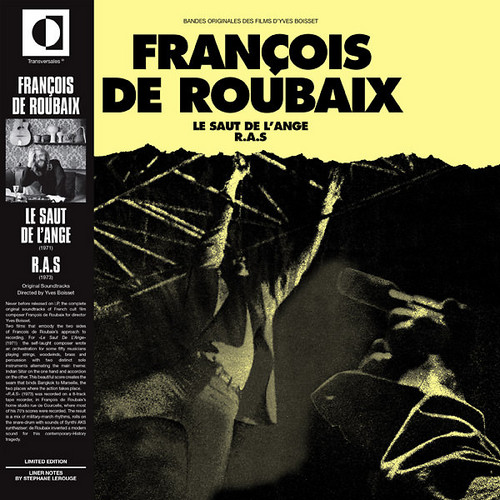
Le Saut De L'Ange/R.A.S
Never released before on LP, here are the complete original soundtracks of French cult film composer François de Roubaix for director Yves Boisset. Two movies that embody the two sides of Francois de Roubaix's approach to recording. For Le Saut De L'Ange (1971) the self-taught composer wrote an orchestration for some fifty musicians playing strings, woodwinds, brass, and percussion with two distinct solo instruments alternating the main theme: Indian sitar on the one hand and accordion on the ot…
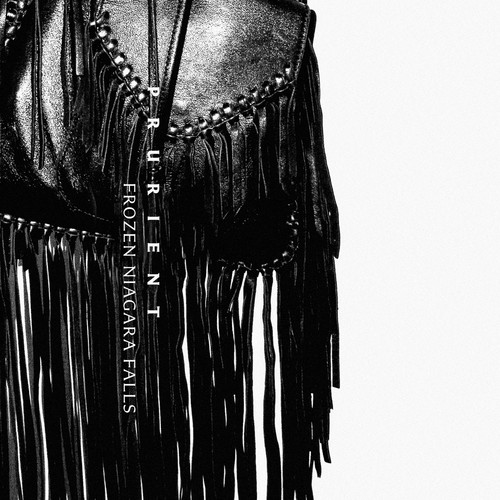
Frozen Niagara Falls
"America's most prominent noise figure, Dominick Fernow has for the better part of two decades helped shape and reinvent the genre with a stream of works under the Prurient moniker. A project unlike any other in the realms of experimental, ambient, and noise, Prurient continually mutates from one incarnation to the next. Fernow often treads a fine line between harsh noise extremity and atmospheric beauty -- his massive, layered walls of sound may be comprised of piercing feedback, tortured vocal…
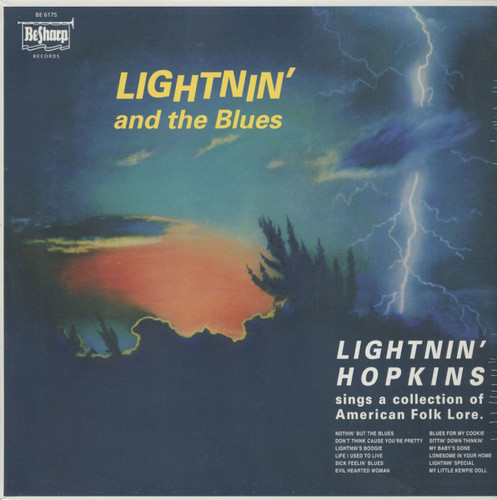
Sings a collection of American Folk Lore
This LP features 12 tracks that Lightnin' Hopkins recorded Recorded in Houston, Texas in April 1954. Includes edgy electric guitars, jagged rhythms and a playful rhythm section. Comes in glorious American-style cardboard cover, each copy specially manufactured by hand."The session and two
bottles of gin were finished and Lightnin' just shuffled away counting
his money. We have not seen or heard from him since, but everytime the
phone rings we somehow hope we'll hear his voice sayin', 'Man, I …