
post_[*]
Across the group's 20 year history, Martin Archer and Hervé Perez have never allowed Inclusion Principle to stand still.
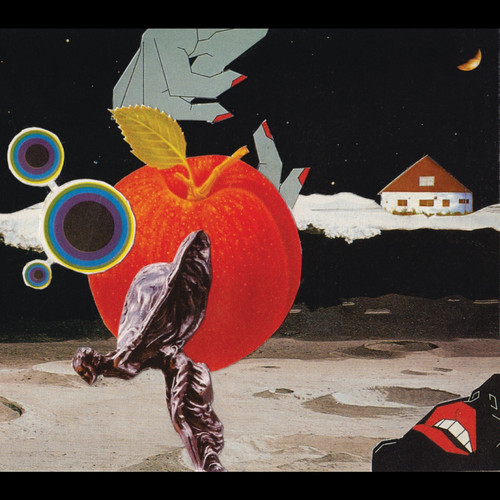
Highsmith Plus
Ikue Mori and Craig Taborn, the duo Highsmith, return after ten years and open up into three trios with Bill Frisell, Tomeka Reid and John Zorn, plus a few quintet pieces.

Ping
Raoul Björkenheim on guitar and Paal Nilssen-Love on drums, old partners from Scorch Trio, in nine pieces of free music recorded in Helsinki: wild and raw, at times delicate and introspective.

The Complete Works Of Fela Anikulapo-Kuti
Every Fela Kuti album in one box: 51 records on 29 CDs, from Koola Lobitos highlife to Underground System, with rarities, two unreleased tracks, the A Slice Of Fela DVD and a 52-page booklet by Chris May.
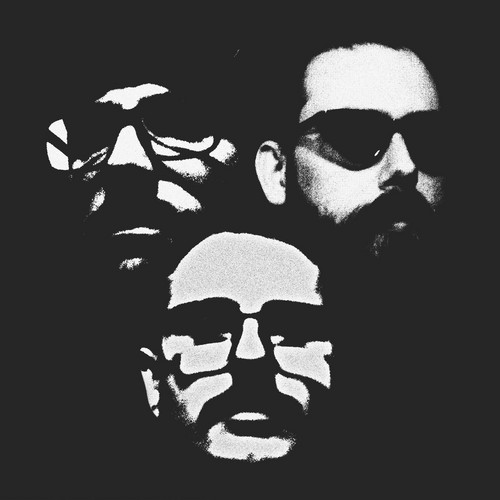
LoFi Brutalist Action Jazz
*100 copies limited edition* I went looking for a dictionary definition of brutalism, trying to understand it a bit better. It had been our starting point since the first rehearsal. But did we actually understand it? Does any of it have something to do with our music? Does it even make sense — instrumental pieces inspired by buildings?We didn't set out to make a genre out of it. We set out to strip things down. Take a melody, take a rhythm, cut away everything that isn't essential — no polish, n…
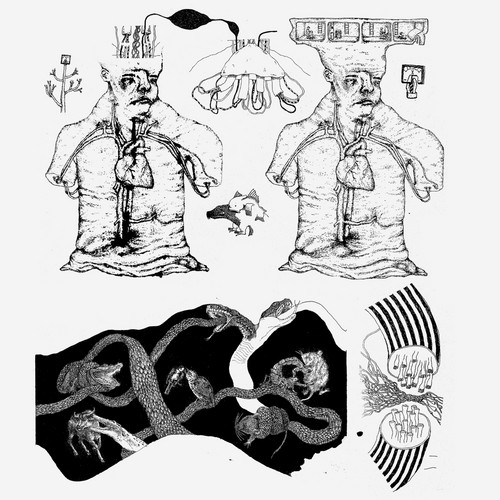
Ofelia
Strong music is timeless. Ofelia was produced 20 years ago, the demo was lying in a drawer for 18 years until last autumn I found it again. And today it sounds as contemporary as made last night.
The album makes a Finnish version of Dreams Less Sweet by Psychic TV brought to mad 21-century. 80's industrial sounds blend with neo classical parts and contemporary drone music ending up to insane Dada-piece Ofelia.
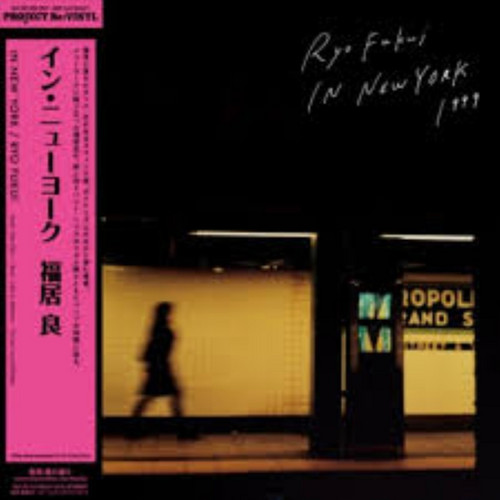
Ryo Fukui in New York
With confident touch, a solid sense of swing, and emotion seeping through its dynamism, Ryo Fukui lands in New York and approaches the essence of bebop alongside the rhythm section of his mentor, Barry Harris.
Ryo Fukui, who passed away in 2016 after releasing only five albums, recorded this fourth work in 1999. Featuring bassist Lyle Atkinson and drummer Leroy Williams—the longtime rhythm section of Barry Harris this New York‑recorded album captures the full appeal of Fukui as a bebop pianist. …
Sold Out
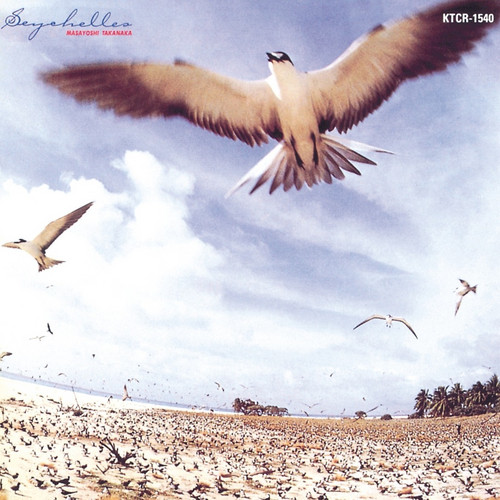
Seychelles
Seychelles is the debut solo album by Japanese guitarist and composer Masayoshi Takanaka, released on Kitty Records in July 1976. Named after the Indian Ocean archipelago, it introduced the bright, melodic fusion sound that would become his signature.
Across eight tracks, Takanaka blends jazz fusion, funk, Latin rhythms, reggae textures, and early Japanese city-pop sensibility. His guitar leads are fluid and sunny, moving from the playful groove of “Oh! Tengo Suerte” and “Tokyo Reggie” to the ex…
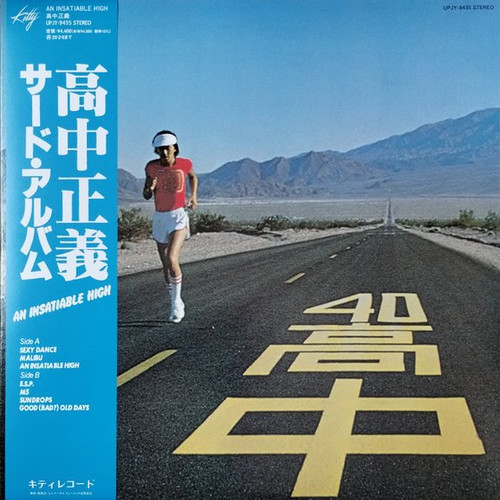
An Insatiable High
An Insatiable High is the third studio album by Japanese jazz-fusion guitarist Masayoshi Takanaka, originally released by Kitty Records in 1977 and reissued in 2024. The album blends polished jazz fusion, disco, city pop, and sun-soaked West Coast funk, showcasing Takanaka’s fluid guitar work and effortlessly breezy production.
This edition was released on August 23, 2024, pressed on clear yellow vinyl as a Japanese import. It features contributions from major Los Angeles session musicians of th…
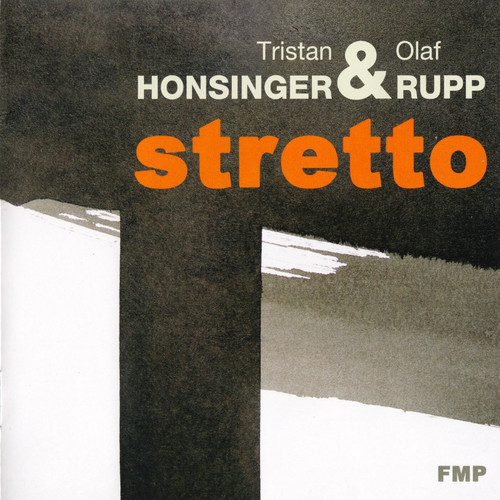
Stretto
Cellist Tristan Honsinger and guitarist Olaf Rupp in their first recorded duo, Berlin, March 2010: one hour-long improvisation, Can You Imagine a Conversation Between a Table and a Chair?, in eight parts.
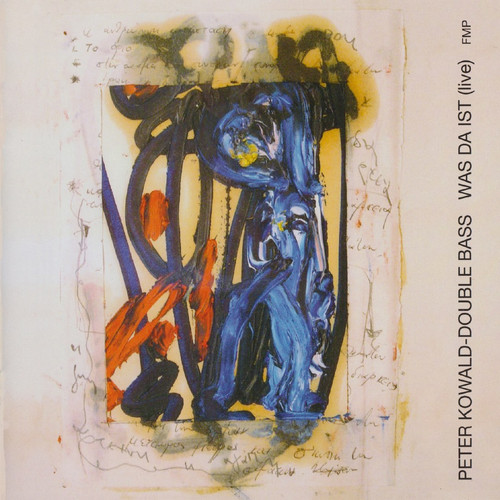
Was Da Ist (Live)
Peter Kowald solo on double bass and voice, live at Podewil in Berlin in November 2000 and edited by Kowald himself in June 2002: a concert version of his solo album Was da ist, in seven parts.
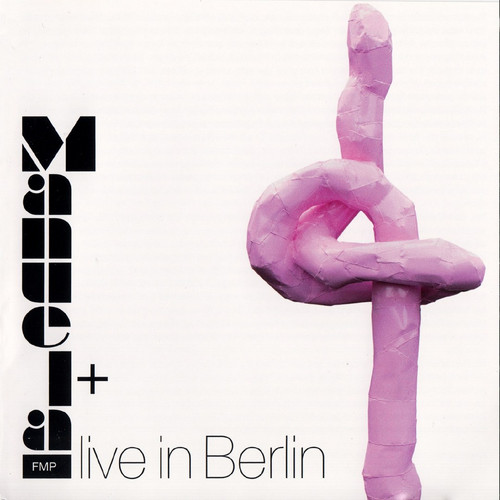
Live in Berlin
Manuela+, the quartet of Rüdiger Carl, Jin Hi Kim on komungo, Hans Reichel on guitar and daxophone and Carlos Zingaro on violin, live at the Total Music Meeting in Berlin in 1999: an hour-long improvisation in seven parts.

Close Up
Peter Brötzmann's Die Like a Dog Quartet with Toshinori Kondo, William Parker and Hamid Drake, live at the Total Music Meeting in Berlin in November 1994: two long pieces, Close Up (Man) and Close Up (Woman).
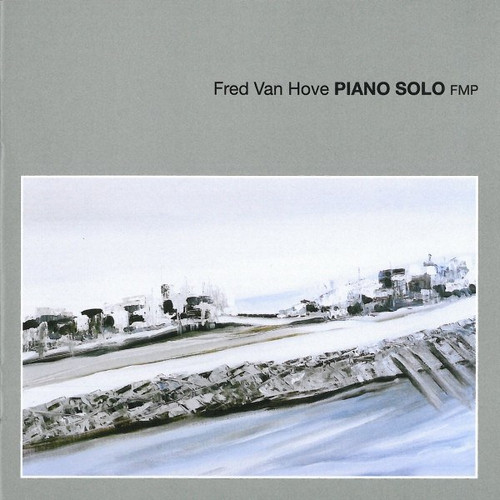
Piano Solo
Fred Van Hove alone at the piano: Prosper, recorded live at Flöz in Berlin in 1981, and Die Letzte, recorded at Studio Casablanca in 1986, the two SAJ solo LPs on one CD.
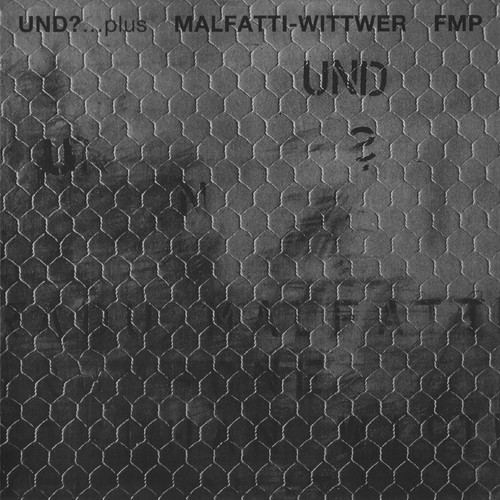
Und? ...Plus
Radu Malfatti on trombone and Stephan Wittwer on guitar in Innsbruck, February 1977: the duo LP Und? plus Untitled?, a fourteen-minute piece from the same tapes released here for the first time.
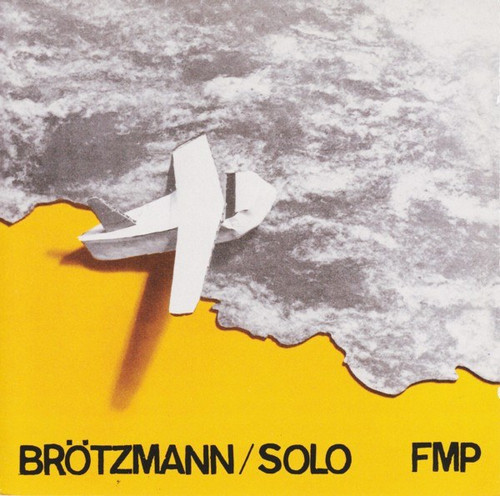
Wolke in Hosen
Peter Brötzmann solo on clarinets and alto, tenor and bass saxophones, recorded at the FMP studio in May 1976: the twelve pieces of the LP Brötzmann/Solo, from 27 seconds to ten minutes.
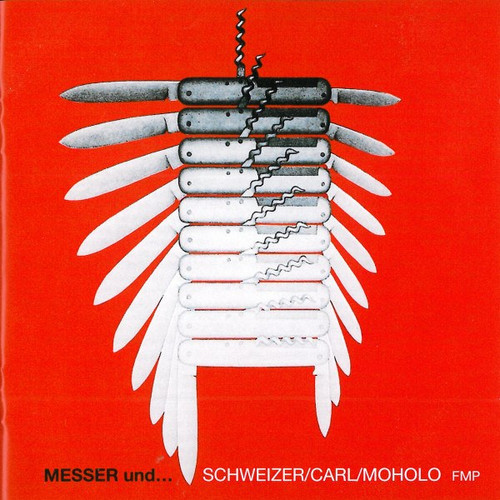
Messer und...
Irène Schweizer, Rüdiger Carl and Louis Moholo: the LP Messer, live in Moers and in the FMP studio in 1975, followed by Tuned Boots, the twenty-minute trio piece recorded in Graz in 1977.
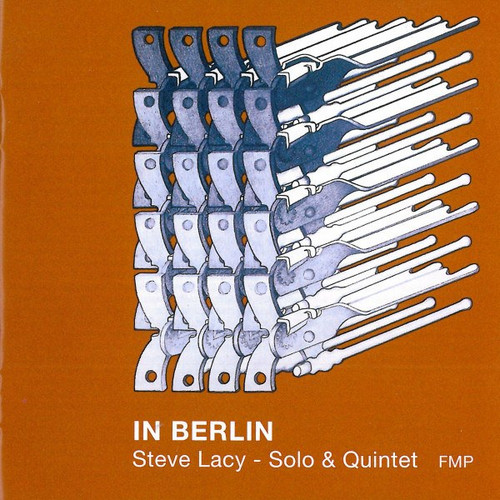
In Berlin
Steve Lacy in Berlin: the 1975 solo soprano recordings of the Stabs LP, plus the 1977 quintet with Steve Potts, Irène Aebi, Kent Carter and Oliver Johnson playing Esteem and Follies at the Workshop Freie Musik.
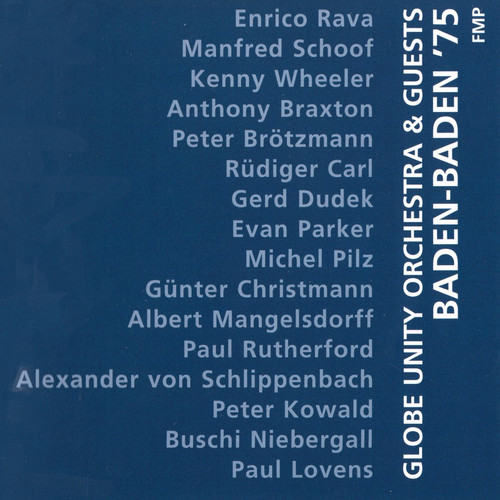
Baden-Baden '75
The Globe Unity Orchestra at ten years old, recorded in Baden-Baden in November 1975 with Braxton, Rava, Wheeler, Brötzmann, Parker, Mangelsdorff and Lovens: five pieces from inside the orchestra, nearly all unreleased until this CD.
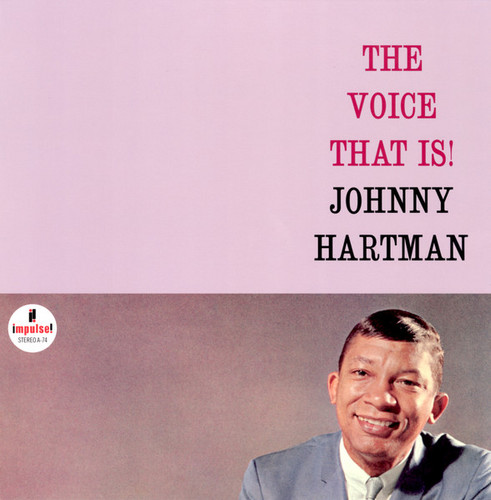
The Voice That Is!
Drawn from two September 1964 sessions at Rudy Van Gelder’s studio with producer Bob Thiele, The Voice That Is! features vocalist Johnny Hartman in his third and final album for Impulse! following a celebrated collaboration with John Coltrane. The album blends two sessions arranged by Bob Hammer: one pairing Hartman with pianist Hank Jones, bassist Richard Davis, and drummer Osie Johnson, and another for octet, with English horn, flute, marimba and Latin percussion flourishes throughout. The rep…
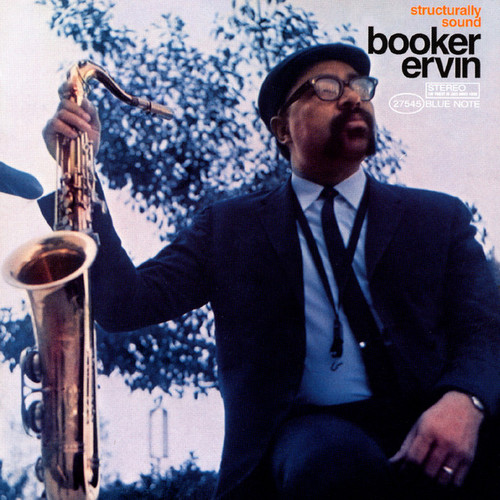
Structurally Sound
Best known for his association with Charles Mingus, the Texas-born tenor saxophonist Booker Ervin was a distinctive soloist with an assertive and immediately recognizable sound. One of Ervin’s pinnacle statements as a leader was the first of his two Pacific Jazz albums, Structurally Sound, which he cut in 1966 shortly after returning to the U.S. from a two-year period of living in Barcelona and working across Europe. Featuring Ervin fronting a top-shelf quintet with Charles Tolliver on trumpet, …
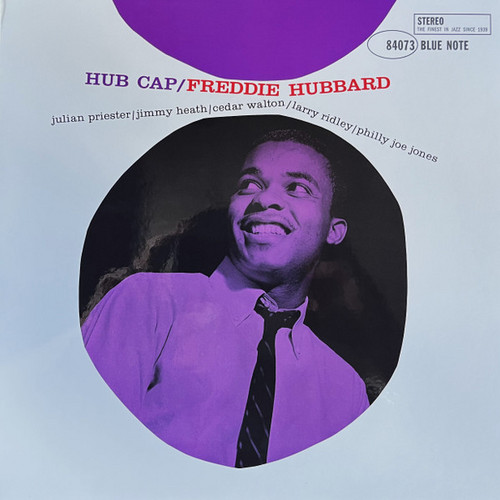
Hub Cap
Trumpeter Freddie Hubbard burst out of the gates taking the jazz world by storm with his Blue Note debut Open Sesame in 1960. Within 14 months he had recorded three more hard bop classics—Goin’ Up, Hub Cap, and Ready For Freddie—each one a showcase for his dynamic playing. Recorded in April 1961, Hub Cap was the first of his Blue Note dates that also highlighted Hubbard’s growing skill as a composer, with four of the album’s six pieces coming from his pen including the hard-charging title track,…
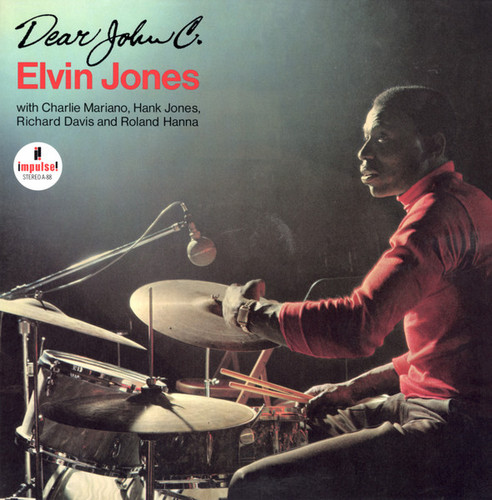
Dear John C.
Cut on February 23 and 25, 1965, at Rudy Van Gelder’s studio and released later that year on Impulse!, Dear John C. marks drummer Elvin Jones’s first album for the label as a full-fledged leader, boldly looking forward while honoring his transformative contributions with the John Coltrane Quartet since the beginning of the decade. Produced by Bob Thiele, the sessions feature alto saxophonist Charlie Mariano, pianists Roland Hanna and Elvin’s brother Hank Jones, bassist Richard Davis, and Jones o…
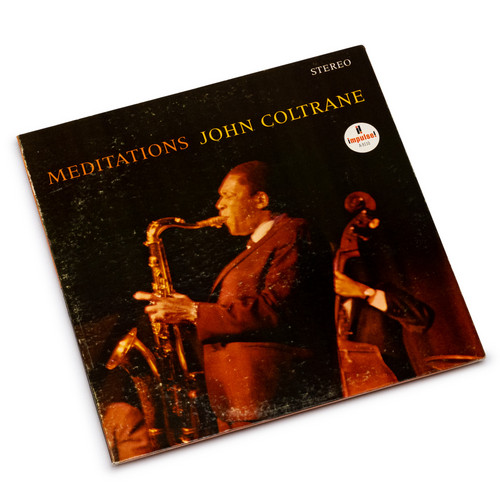
Meditations
Following the genre-redefining revelations of A Love Supreme in 1965, John Coltrane began a dramatic shift toward spiritual free jazz, abandoning familiar forms in favor of a more abstract sonic palette and bold questions he'd spend the rest of his life and career pursuing. Meditations, released by Impulse! in 1966, continues that emotional throughline while retaining, for the last time in full, the classic quartet that propelled Trane to greatness: pianist McCoy Tyner, bassist Jimmy Garrison an…
Sold Out
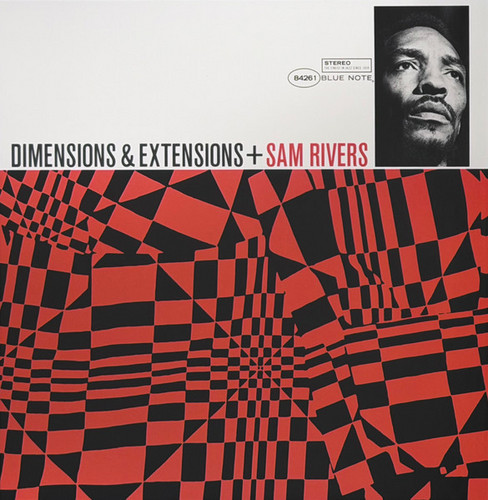
Dimensions & Extensions
A saxophonist of striking originality, Sam Rivers’ music had a strong avant-garde undercurrent though he kept a foot planted firmly in post-bop and the blues, a sound heard to great effect on his masterful 1964 debut Fuchsia Swing Song. The last of Rivers’ four highly-distinctive Blue Note albums, 1967’s Dimensions & Extensions, is fascinating for the presence of trumpeter Donald Byrd who makes a rare foray into the avant-garde alongside Rivers on tenor saxophone, soprano saxophone, and flute, J…
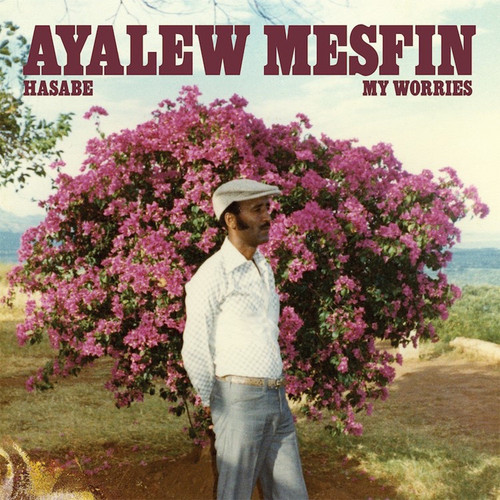
Hasabe - My Worries
“Hasabe” is a thoughtfully curated collection of Ethio-groove recordings from one of the overlooked pioneers of 1970s Addis Ababa’s vibrant music scene—Ayalew Mesfin and his Black Lion Band.
Expect trap drum kits, jazz big-band styled horn sections, funky guitars played through wah wah and fuzz pedals— all seasoned with a unique Ethiopian touch…
Reissued once again thanks to our collaboration with Now Again. Pressed on 180g vinyl.
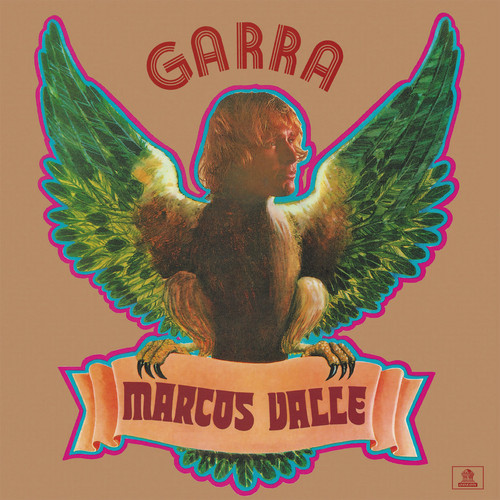
Garra
Marcos Valle is one of the few artists you cannot miss if you have the slightest interest in Brazilian music. Whether your taste is focused on bossa jazz, samba, psych folk or soul, Valle has surely recorded a great album for you.
“Garra” was originally released in 1971 and brought us Valle’s classics such as ‘Com Mais De 30’, ‘O Cafona’, ‘Vinte E Seis Anos De Vida Normal’ and the rare groove classic ‘Wanda Vidal.’
Remastered from the original tapes and pressed on 180g vinyl. This release is par…
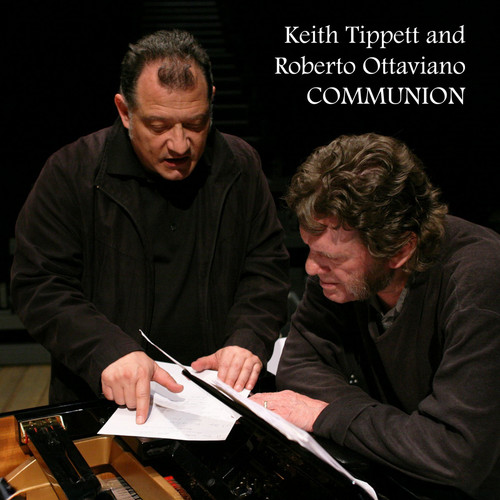
Communion
Celebrated Italian saxophonist Roberto Ottaviano collaborated with Martin Phillips on his recent biography of Keith Tippett which was published by Jazz In Britain. During that process he also sent us the recordings that make up this new release. Recorded live in Geneva, Switzerland in February 1991, this 2 CD set is taken from two performances of extraordinary dexterity and beauty that feature Tippett on piano plus his usual array of objects and toys alongside Ottaviano’s virtuoso soprano saxoph…
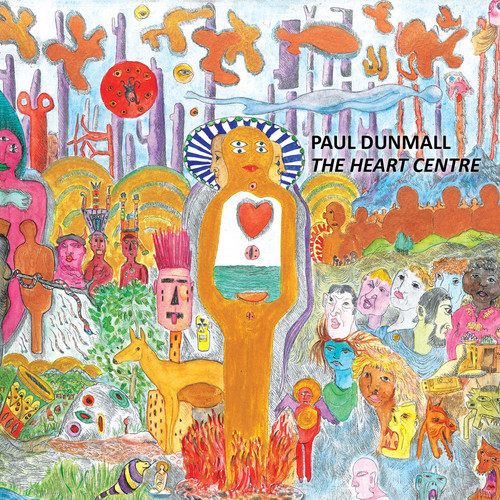
The Heart Centre
A powerful "electric Miles" sounding band reinterprets a couple of classics - In A Silent Way and Freedom Jazz Dance - and adds some wholly contemporary improvisation to the mix."2026 Is Miles and Coltrane's Centenary year and if Jazz music needs any Gods then surely they fit the bill without question. When I heard In a Silent Way for the first time back in 1970 when I was 17 (incidentally that was the first year I heard Coltrane as well) it truly was music like nothing I had ever heard before.…
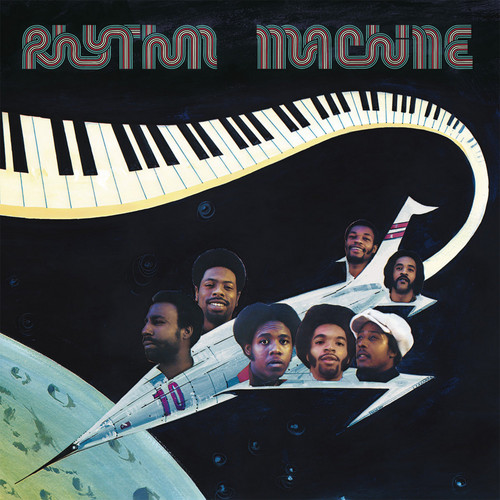
Rhythm Machine
The Rhythm Machine is now available again to the musical public, legitimately reissued in its original packaging. Offering up brilliant soul, haunting ballads and high-energy mid-70s funk, this tasty medley is served best in its entirety.
Virtually impossible to find in its original edition, we are now reissuing it once again thanks to a collaboration with Now Again. Pressed on 180g vinyl.
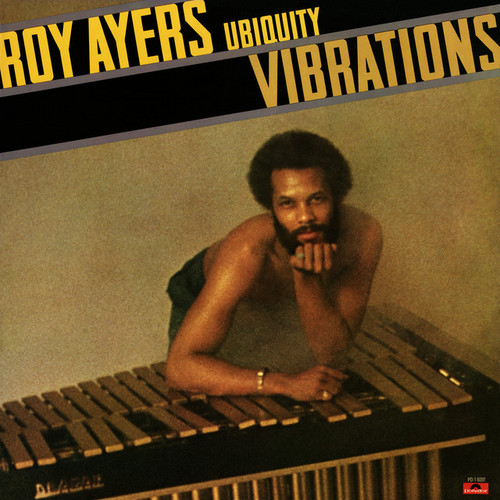
Vibrations
Step into the golden era of soul-jazz with the long-awaited vinyl reissue of “Vibrations” (1976) by Roy Ayers Ubiquity — a record that captures the unmistakable warmth, groove, and sophistication that defined Roy Ayers’ sound at its peak. Beyond its original impact, “Vibrations” has taken on a second life through hip-hop. Its grooves, breaks, and melodies have been extensively sampled by generations of producers and artists, becoming a foundational source for crate diggers and beatmakers alike.
…
Sevda (Exclusive Collector’s Edition)
Box with both Caprice albums by Sevda, Maffy Falay’s Turkish folk and jazz group with Okay Temiz and Salih Baysal: the 1972 Jazz i Sverige record and the Montmartre live set, plus a DVD of the Swedish TV programmes.
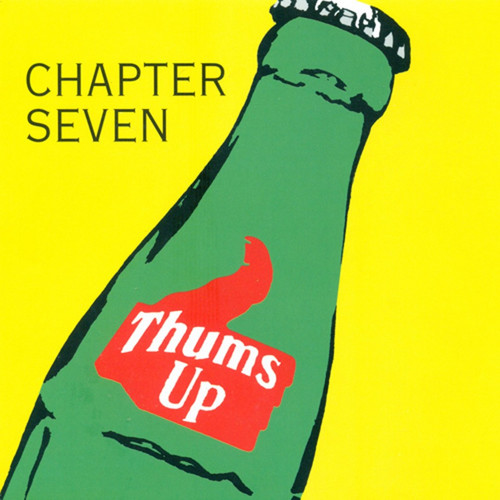
Thums Up
Chapter Seven, Bengt Berger’s Swedish supergroup of three saxophones, two basses and two drummers, on its 1988 Jazz in Sweden album: West African and Indian accents, with tunes by Ornette Coleman and Offenbach.
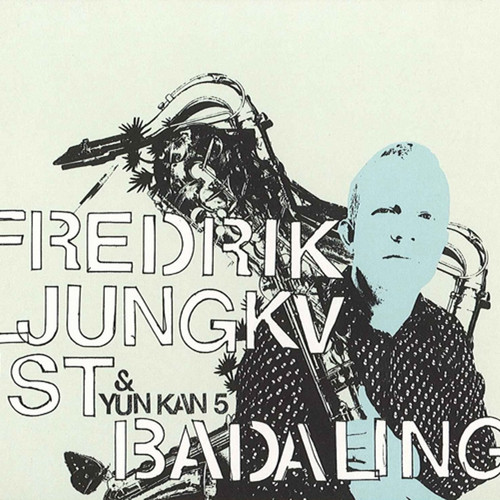
Badaling
Second album by Fredrik Ljungkvist’s Yun Kan 5, recorded in May 2006: seven of his compositions for saxophone, clarinet, piano, tuba, bass and drums, by the Atomic reedman and Swedish jazz musician of the year 2005.
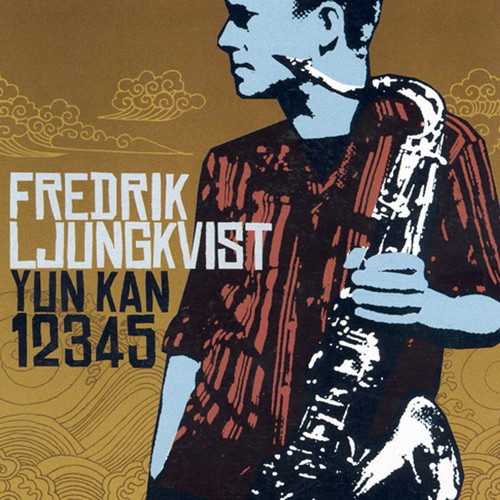
Yun Kan 12345
Debut of Fredrik Ljungkvist’s Yun Kan 5, recorded for his 2004 Jazz in Sweden award: ten tunes balanced between composition and freedom, with Klas Nevrin, Mattias Welin, Jon Fält and Per-Åke Holmlander.
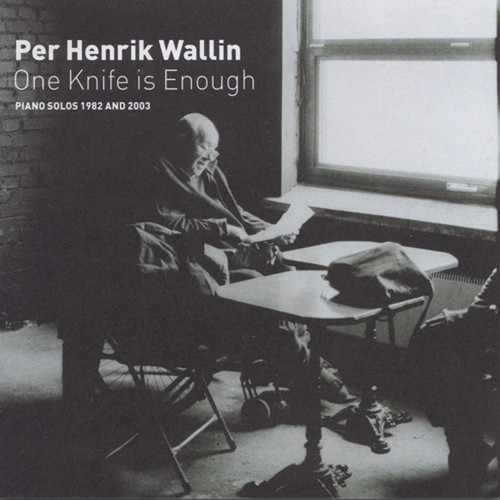
One Knife Is Enough
Solo piano by Per Henrik Wallin: eight pieces from his 1982 Caprice LP One Knife Is Enough and eight recorded in spring 2003, abrupt shifts between free and fettered playing from one of Sweden’s most individual jazz pianists.
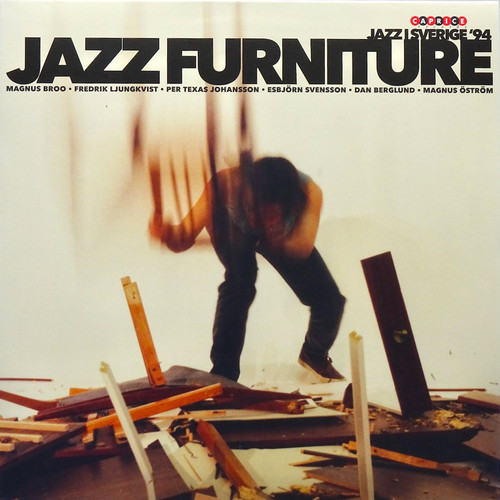
Jazz Furniture
First vinyl edition of Jazz Furniture’s sole album, the 1994 Jazz i Sverige recording with Esbjörn Svensson, Dan Berglund and Magnus Öström, curated by Jonas Kullhammar as a 180g double LP.
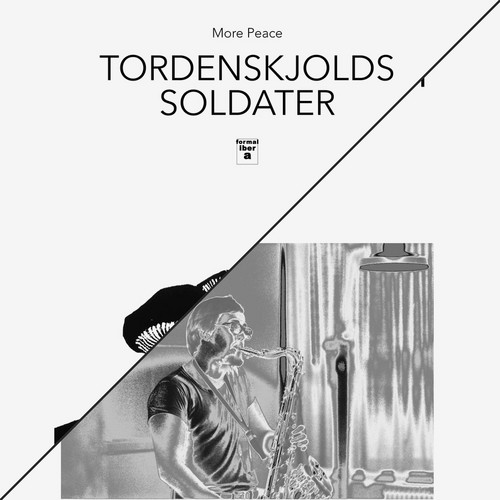
More Peace + Carsten Meinert / C.M. MusicTrain (2LP Bundle)
Two new archival LPs from Formalibera, Alga Marghen's free jazz imprint, both drawn from the same circle of Copenhagen musicians around 1970, gathered here as a pair.
On one LP, More Peace: Tordenskjolds Soldater (Jesper Nehammer on tenor saxophone, Ole Matthiessen on piano, Henrik Hove on bass, Jon Finsen on drums) live at Jazzhus Montmartre in late April 1970, shortly before they recorded Peace for Spectator Records. The four Matthiessen compositions of that album stretch out here at far great…
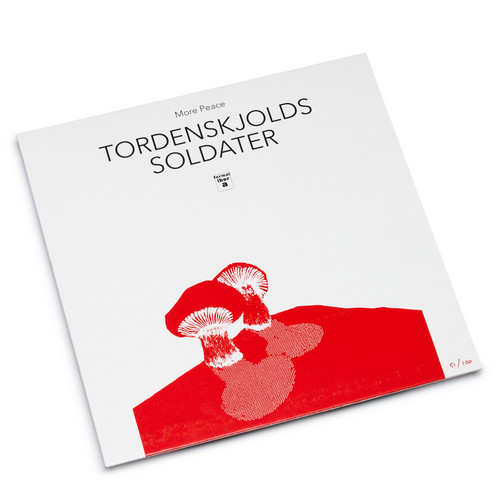
More Peace
Live at Copenhagen's Café Montmartre in April 1970, Tordenskjolds Soldater (Jesper Nehammer, Ole Matthiessen, Henrik Hove, Jon Finsen) stretch out the four Matthiessen pieces from their Spectator album Peace, restored from the original tapes.
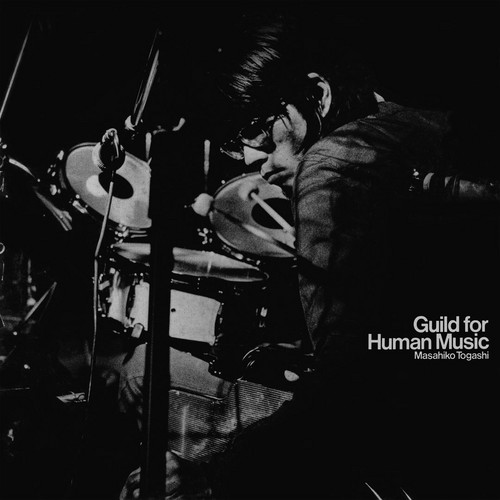
Guild For Human Music
Masahiko Togashi's 1976 Denon Jazz album: six 'Expressions' for a percussion-led ensemble with Sabu Toyozumi, Tatsuji Yokoyama, Masahiko Satoh and three woodwind players, recorded in Tokyo with early PCM digital technology. LP reissue.