★Mode
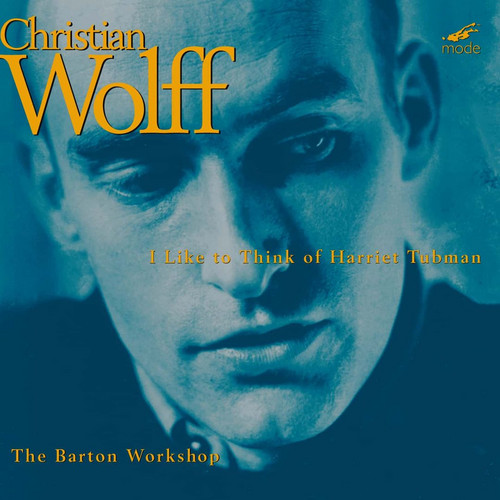
I Like To Think Of Harriet Tubman
Chamber works by Christian Wolff from 1950 to 1987, mostly first recordings, including the Serenade written at sixteen, the Harriet Tubman setting for voice and trio, and For Morty, played by The Barton Workshop under James Fulkerson.

The Art of the Curved Bow, Vol. 1
Cellist Michael Bach plays J.S. Bach's Cello Suite No. 3 on the curved bow, with two works by Dieter Schnebel, Mit Diesen Händen with mezzo-soprano Mechthild Seitz and Fünf Inventionen, first in the Art of the Curved Bow series.
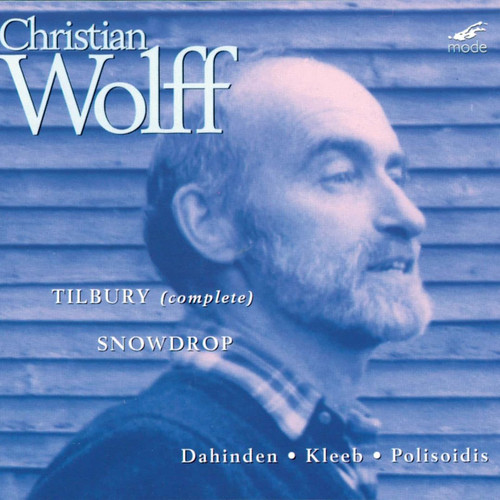
Tilbury Pieces
First recordings of Christian Wolff's Tilbury pieces (1969-70), Snowdrop (1970) and Tilbury 5 (1996), minimalist open-form works played by trombonist Roland Dahinden, pianist Hildegard Kleeb and violinist Dimitrios Polisoidis.
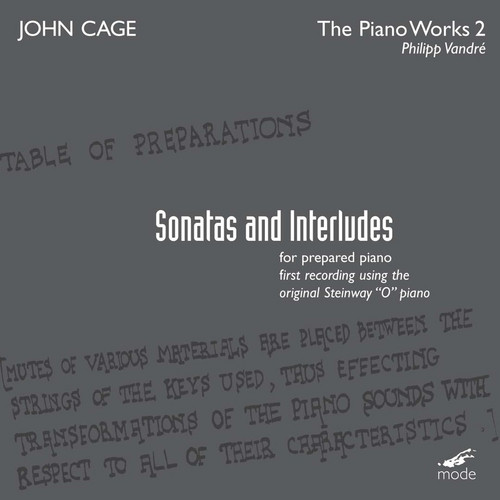
The Piano Works 2 - Sonatas And Interludes For Prepared Piano
John Cage's Sonatas and Interludes for prepared piano played by Philipp Vandré, the first recording on a Steinway “O”-type baby grand, the piano Cage composed on, with corrections to discrepancies in the printed score.
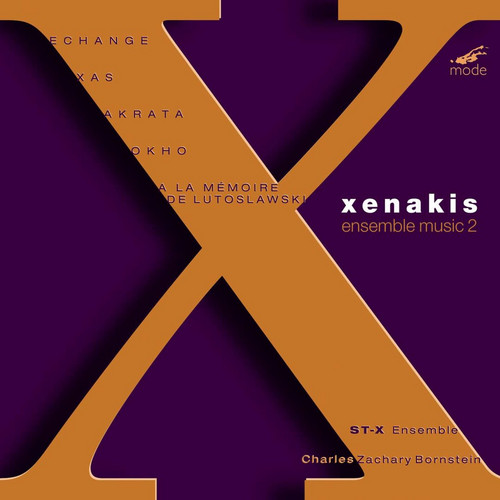
Ensemble Music Vol.2
Five Xenakis works for ensemble recorded in New York in 1996 with the composer's participation: Akrata, Echange, Xas, Okho and the first recording of A la Mémoire de Witold Lutoslawski, by the ST-X Ensemble.
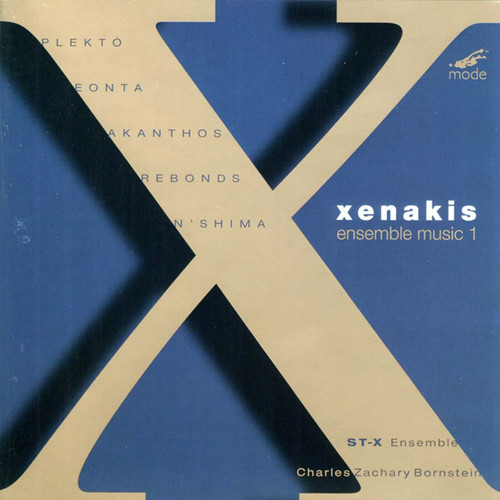
Ensemble Music Vol.1
Xenakis's works for ensemble and voice recorded in concert by New York's ST-X Ensemble under Charles Zachary Bornstein: Plektó (first recording), Eonta, Akanthos, Rebonds and N'Shima.

Panorama of American Piano Music
Four-CD survey of American piano music from 1911 to 1991: 62 works by 48 composers, from Ives and Antheil to Zappa, including seven first recordings, played by Yvar Mikhashoff.
Virtuoso Opera Fantasies, Paraphrases & Transcriptions
Two CDs of virtuoso piano fantasies and transcriptions on operas by Puccini, Bellini, Verdi, Debussy, Berg, Bussotti and Volans, played by their arranger Yvar Mikhashoff.
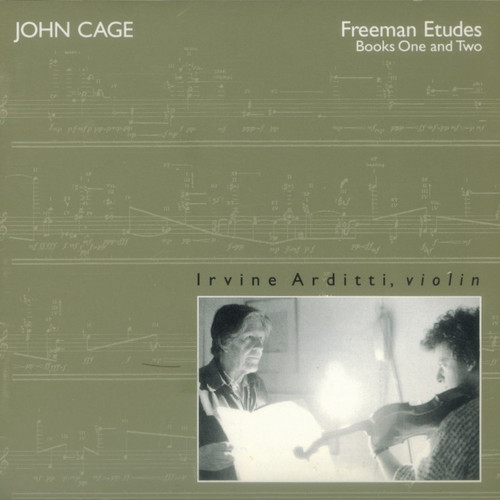
Freeman Etudes, Books One and Two
John Cage's Freeman Etudes, Books 1 and 2 (the first sixteen etudes for solo violin), played by Irvine Arditti at blistering speed under the composer's supervision.
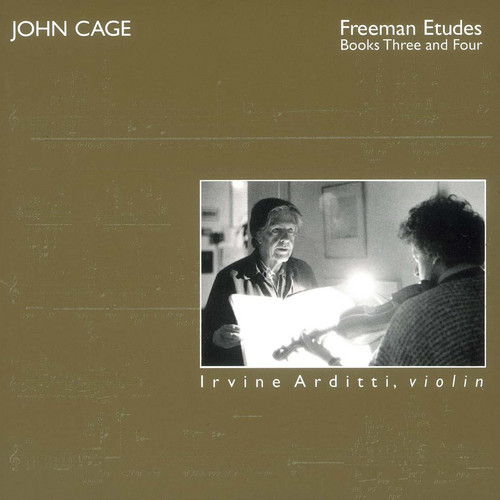
Freeman Etudes, Books Three And Four
First recording of the second half of John Cage's Freeman Etudes for violin, Books Three and Four, played by Irvine Arditti, the second release in his traversal of Cage's complete violin works for Mode. Released 1989.
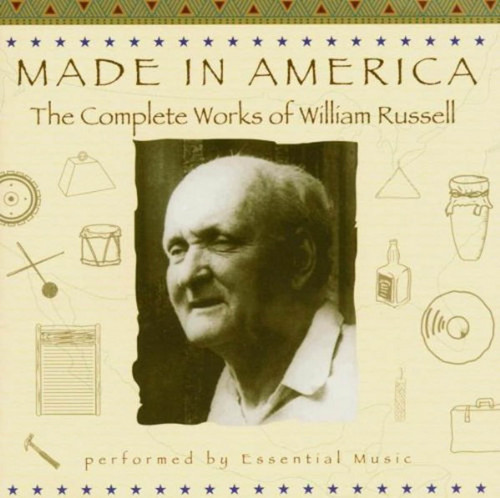
Made In America: The Complete Works Of William Russell
The first complete recording of William Russell's percussion ensemble works of the 1930s and 1940s, including Ogou Badagri, Three Cuban Pieces and a Trumpet Concerto, played by Essential Music. Released in 1993.
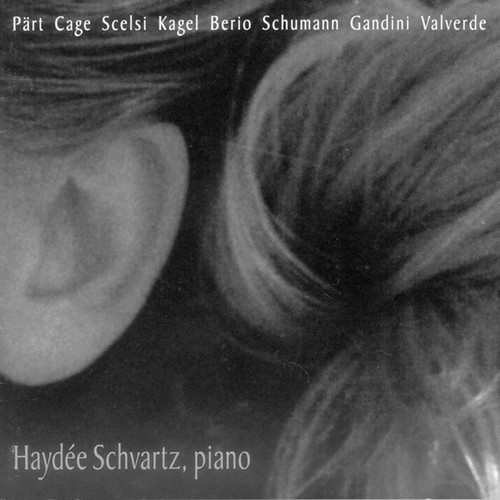
New Piano Works From Europe And The Americas
Debut recital by Argentinean pianist Haydée Schvartz with piano works by Pärt, Berio, Scelsi, Kagel, Cage, Gandini and Valverde, including first recordings of Berio's Brin and Leaf and Cage's Perpetual Tango.
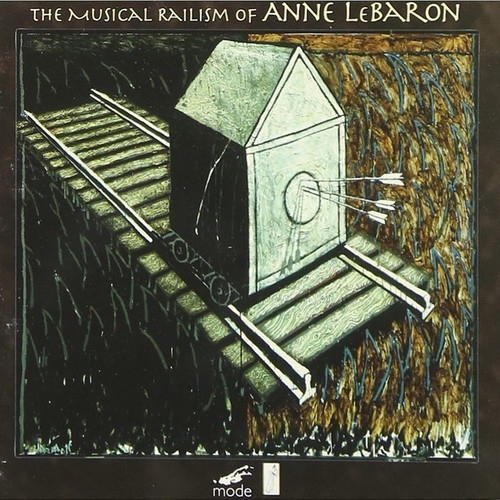
The Musical Railism Of Anne LeBaron
Portrait of harpist-composer Anne LeBaron: two solo pieces for prepared and electric harp, excerpts from her blues-opera The E&O Line to a libretto by Thulani Davis, and two chamber works, one conducted by Leon Fleisher.
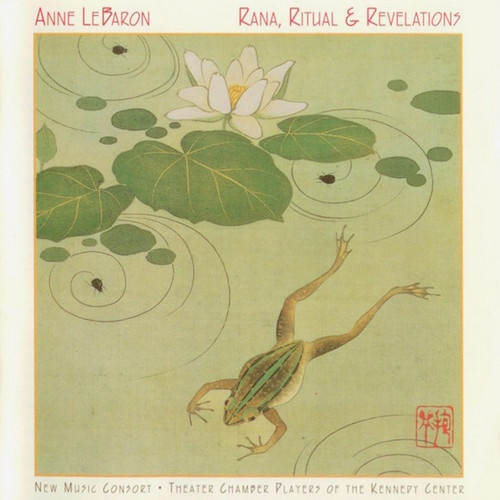
Rana, Ritual And Revelations
Five first recordings of works by composer and harpist Anne LeBaron, 1975-1986, including Lamentation/Invocation, Rite of the Black Sun, Planxty Bowerbird, Noh Reflections and Concerto for Active Frogs, played by the New Music Consort and others.
Complete string quartets, volume 2
Two string quartets by John Cage played by the Arditti Quartet: String Quartet in Four Parts (1949-50), in a new recording, and Four (1989), a first recording written for the ensemble. Composer-supervised sessions.
Atlas Eclipticalis With Winter Music
Two live 1983 performances of John Cage conducting Atlas Eclipticalis with Winter Music at Seattle's Cornish Institute, first issued on LP in 1986, with a bonus disc of the 86-part Atlas Eclipticalis and Winter Music for 20 pianos.
Sold Out
Atlas Eclipticalis With Winter Music (4LP box)
Live 1983 recordings from the Cornish Institute in Seattle of John Cage's Atlas Eclipticalis performed simultaneously with Winter Music, conducted by the composer. Originally released by Mode Records in 1986 as a 4LP box.
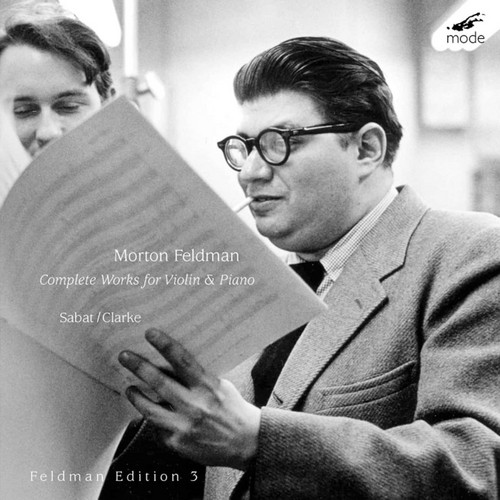
Complete Music For Violin & Piano
Morton Feldman's complete music for violin and piano, from Piece for Violin and Piano (1950) to For John Cage (1982), which spans both discs, played by Marc Sabat and Stephen Clarke.
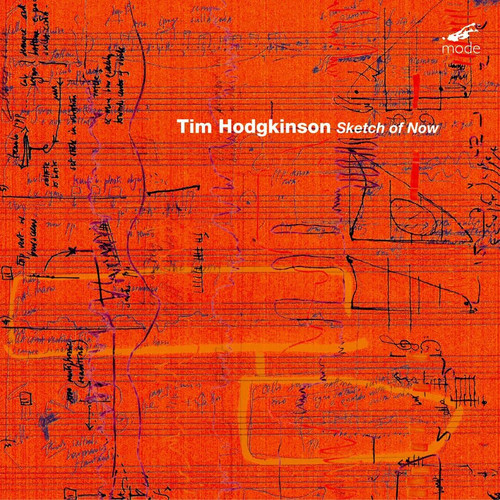
Sketch of Now
Six compositions from 2001-2004 by Tim Hodgkinson, co-founder of Henry Cow, for ensembles, clarinets and electronics, with the Hyperion Ensemble and other guests and Hodgkinson himself on clarinet and bass clarinet.
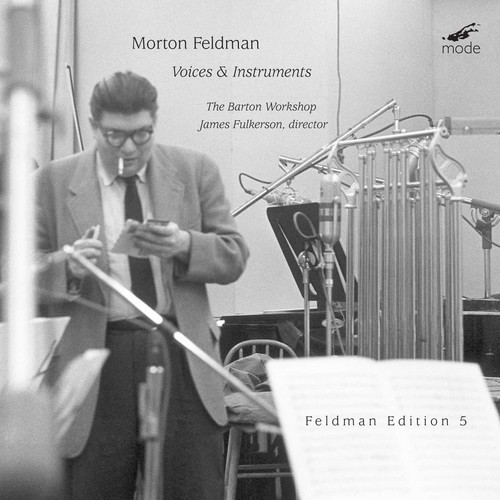
Voices and instruments
Feldman works for voices and instruments from 1949 to 1971, three of them first recordings, including Journey to the End of Night, The O’Hara Songs and Four Instruments, played by The Barton Workshop.
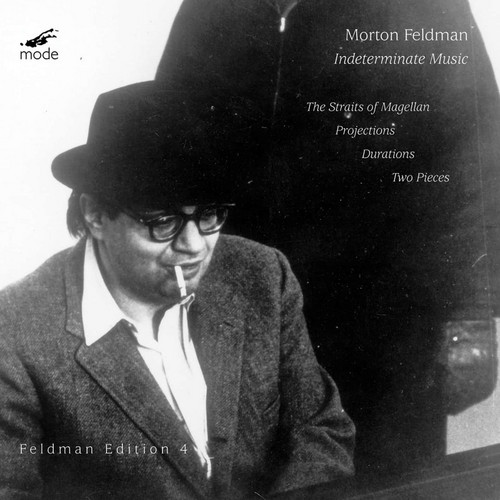
Indeterminate music
Feldman's indeterminate works: the complete Projections and Durations series on one disc, the first recording of Two Pieces for Six Instruments, and The Straits of Magellan, played by pianist Philipp Vandré and the Turfan Ensemble.
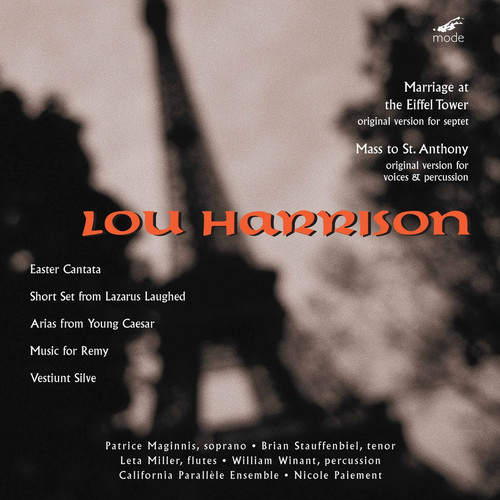
Works 1939 - 2000
Overview of Lou Harrison's work from 1939 to 2000, with first recordings including the original septet version of Marriage at the Eiffel Tower, Mass to St. Anthony, Easter Cantata, arias from Young Caesar and Music for Remy.
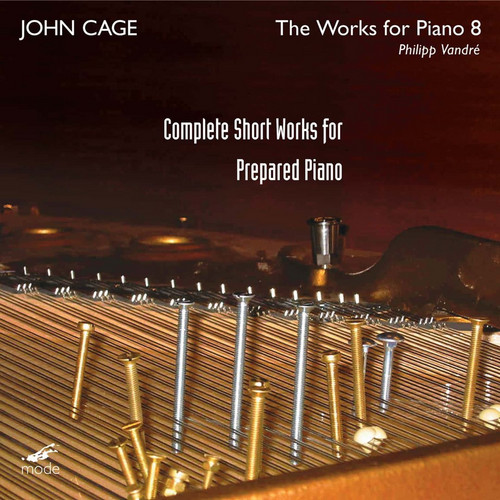
Complete Short Works for Prepared Piano
All of John Cage's short works for prepared piano on two CDs, everything except Sonatas and Interludes, played by Philipp Vandré.
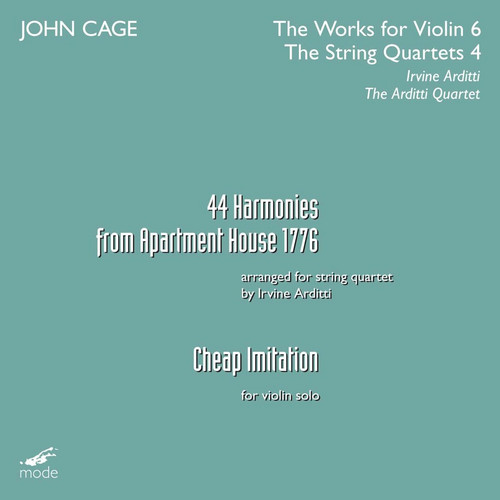
44 Harmonies from Apartment House 1776
First recording of all 44 Harmonies from Cage's Apartment House 1776, arranged for string quartet by Irvine Arditti and played by the Arditti Quartet, with Arditti's solo violin performance of Cheap Imitation.
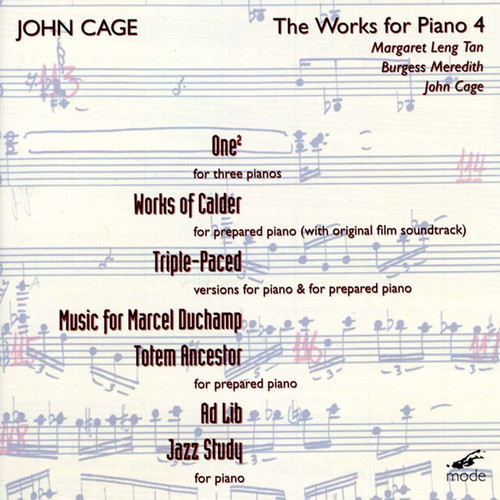
The Works for Piano 4
Piano works by John Cage played by Margaret Leng Tan: 1940s pieces found at his publisher including Triple-Paced, Ad Lib and Jazz Study, the Works of Calder film score, and One2 for three pianos.
Music for Strings
All of Xenakis's chamber music for strings except the quartets, from Syrmos (1959) to the first recording of Ittidra (1996), played by Ensemble Resonanz under Johannes Kalitzke, with John Eckhardt on solo contrabass in Theraps.
La légende d’Eer
Iannis Xenakis's La légende d'Eer (1977-78) for 7-channel tape, written for the Diatope at the Centre Pompidou, in a new stereo mix by Gerard Pape from the analogue master tape. The DVD adds surround sound, a film and an interview.
The piano works 3
Aki Takahashi plays Giacinto Scelsi's piano works in 2005 recordings, mostly pieces she prepared with the composer, including the Quattro Illustrazioni depicting the incarnations of Vishnu.
The piano works 2
Two Scelsi piano works played by Stephen Clarke: the first recording of the 1930 Suite No. 2 and Action Music (1955), in the second volume of Mode's Scelsi Edition devoted to the piano.
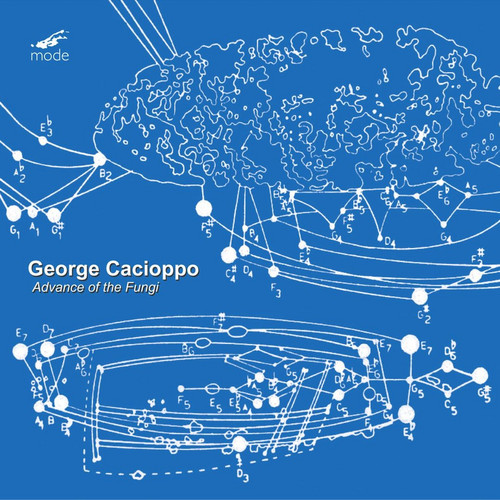
Advance of the Fungi
First CD collection of George Cacioppo's music: six chamber works from 1960-66 including Time on Time in Miracles, Advance of the Fungi and Holy Ghost Vacuum or America Faints, played by French ensembles, with Cacioppo himself on electric organ.
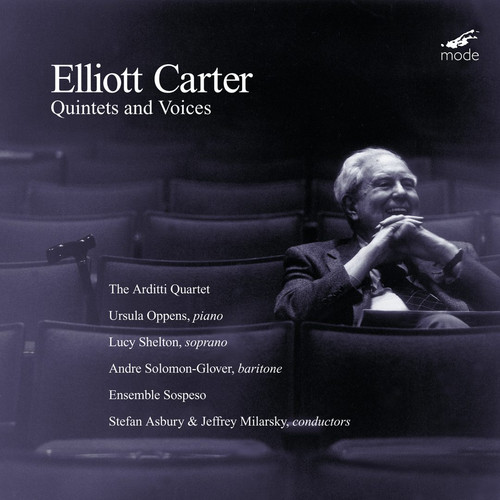
Quintets and Voices
Elliott Carter's Quintet for Piano and Strings, Quintet for Piano and Winds, Syringa, Tempo e Tempi and two miniatures, recorded under his supervision for his 95th birthday with Ursula Oppens, the Arditti Quartet and Ensemble Sospeso.
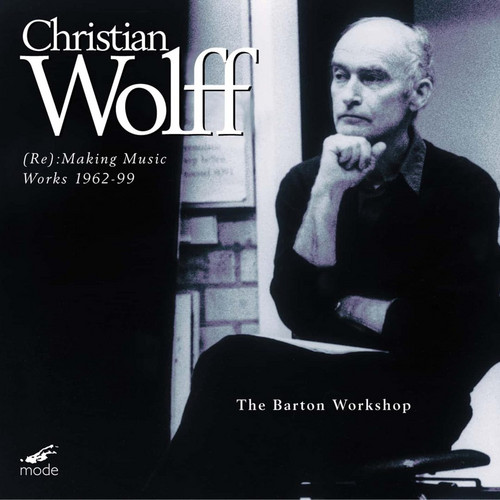
(Re):Making music, works 1962-99
Two CDs covering 37 years of Christian Wolff's music, mostly first recordings including the graphic score For 5 or 10 People and Schoenen met veters, played by The Barton Workshop with James Fulkerson.
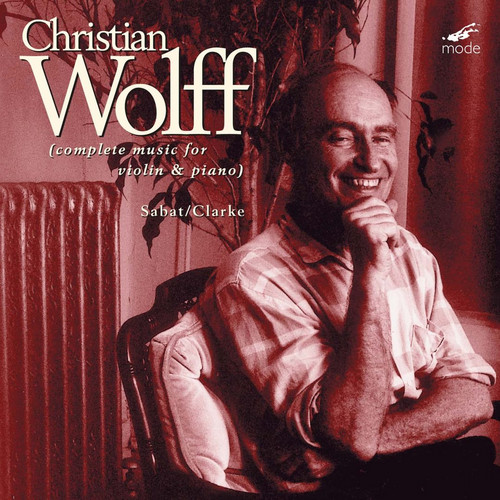
Complete Works for Violin & Piano
All of Christian Wolff's works for violin and piano: the first recording of Pebbles (1999) and two performances of Duo for Violinist and Pianist (1961), played by the Canadian duo Sabat/Clarke with the composer present.
Navigation for strings. Small waves
Two microtonal works by Alvin Lucier written for the performers: Navigations for Strings, played by the Arditti Quartet, and Small Waves for string quartet, trombone, piano and two water pourers, with Hildegard Kleeb and Roland Dahinden.
Ascension to Purgatory
Recent works by Gerard Pape, 1998-2004, for voices, percussion, computer, amplified strings and ensemble, with Roland Auzet, Rohan de Saram, Irvine Arditti and others, on his third monographic CD for Mode.