★Solid Records
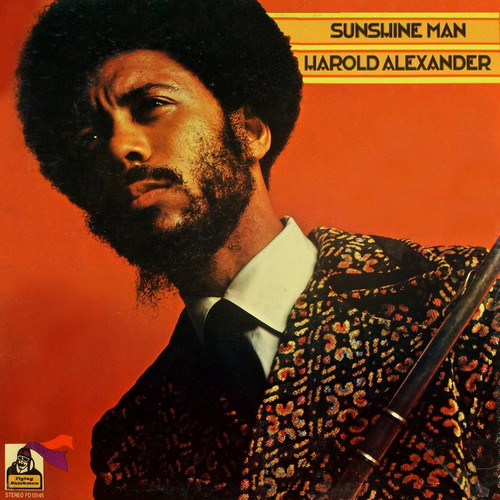
Sunshine Man
Two days in May 1971, produced by Bob Thiele for Flying Dutchman. Harold Alexander on flute and soprano over Neal Creque's electric piano, Richard Davis's bass, Pretty Purdie's drums and Richard Landrum's congas. Contains Mama Soul, the scat-flute track that got him into DJ sets decades later.
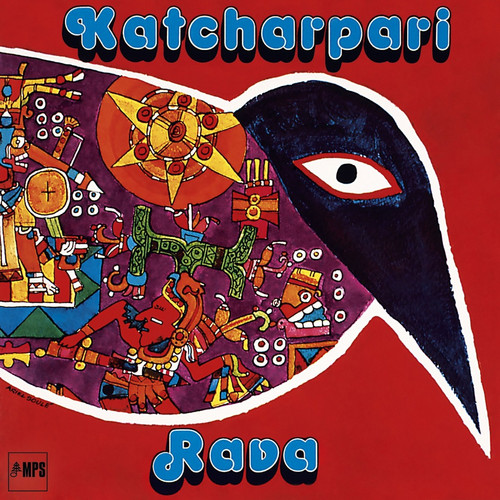
Katcharpari
Milan, January 1973. Enrico Rava's second record as a leader, with John Abercrombie on guitar, Bruce Johnson on bass and Chip White on drums, released by MPS/BASF. Rava has called it his breakthrough: the album that got Manfred Eicher's attention. Seven tracks, from Trial N. 5 to the Don Cherry tribute Cheerin' Cherry.
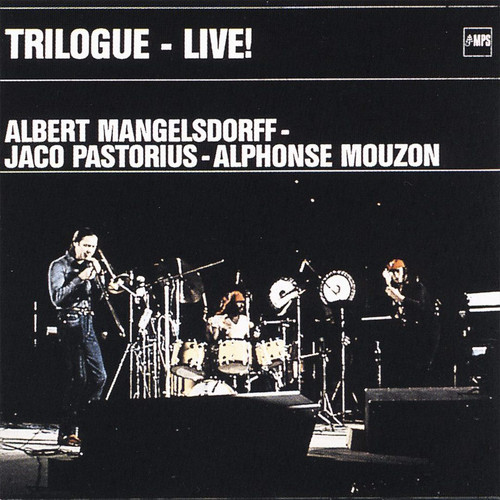
Triloque
Berlin Jazz Days, 6 November 1976. Albert Mangelsdorff's trombone, alone at the front, with Jaco Pastorius on electric bass and Alphonse Mouzon on drums, a year after Pastorius's debut. Five long pieces, recorded live, released by MPS in 1977. The trombone multiphonics against a fusion rhythm section.
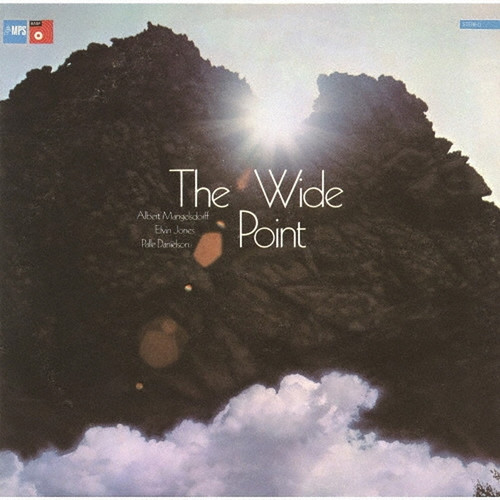
The Wide Point
Walldorf Studio, near Frankfurt, 1 and 2 May 1975. Albert Mangelsdorff on trombone, Palle Danielsson on bass, Elvin Jones on drums. Seven pieces, thirty-nine minutes, released by MPS the same year.
Mangelsdorff had recorded with Jones once before, on the 1968 duet album Albert Mangelsdorff and His Friends. The Wide Point is the first of his trombone-bass-drums trio records, the format that would produce Trilogue with Pastorius and Mouzon the following year and the Montreux album in 1980. The ban…
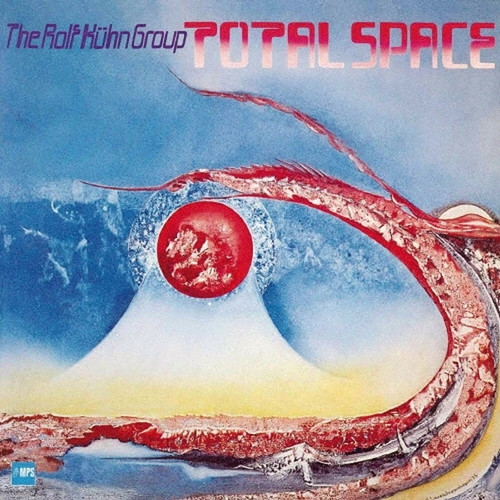
Total Space
Cologne, Cornet Studios, January 1975. Rolf Kühn on clarinet with a band that reads like a German jazz roll call: his brother Joachim Kühn on piano and electric piano, Philip Catherine on guitar, Gerd Dudek on tenor and soprano, Albert Mangelsdorff on trombone, Bo Stief on bass, and two drummers, Daniel Humair and Kasper Winding.
Kühn chose not to record in the MPS studio in the Black Forest and brought in the engineer Wolfgang Hirschmann instead. In his own account, quoted in MPS's reissue note…
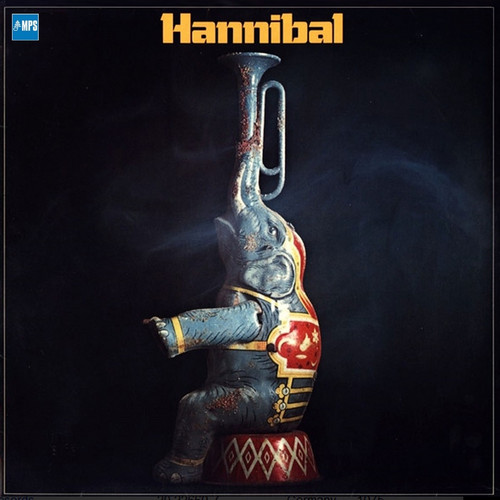
Hannibal
Ludwigsburg, 1 and 2 July 1975. Hannibal Marvin Peterson's first record for MPS, with Diedre Murray's cello, Michael Cochrane's piano, Stafford James and Thabo Michael Carvin. Two modal originals, a version of Misty, The Voyage with Hannibal on koto, and the fourteen-minute Soul Brother for Malcolm X.
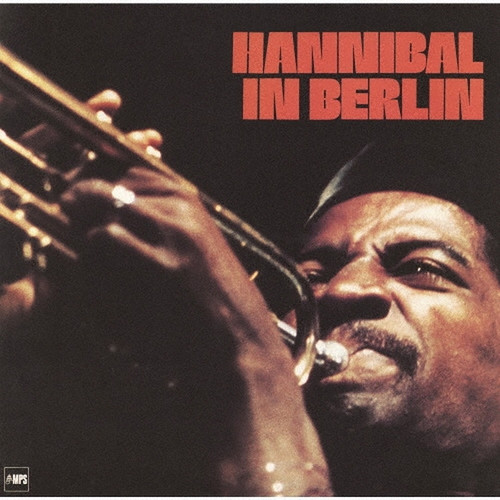
Hannibal In Berlin
Berlin Philharmonie, 3 November 1976. Hannibal with George Adams on tenor, Diedre Murray on cello, Michael Cochrane, Steve Neil and Allen Nelson. His own 23rd Psalm, Coltrane's Bessie's Blues and My Favorite Things, Willow Weep for Me, and Swing Low Sweet Chariot as a memory of the Texas cotton fields.
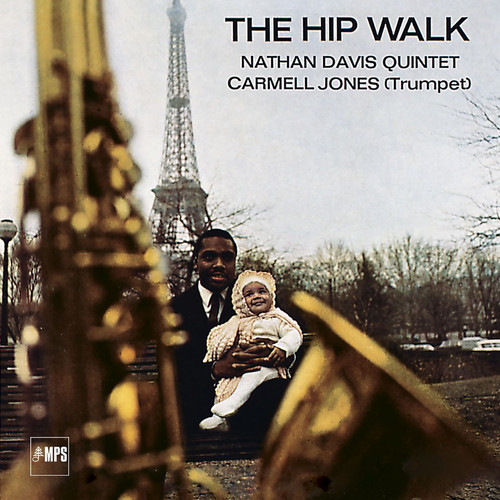
The Hip Walk
Villingen, 1965. Nathan Davis, the Kansas City tenor who had shared a Paris band with Eric Dolphy, records his second SABA album with a fellow Kansas Citian, Carmell Jones, just off Song for My Father, and the Clarke-Boland rhythm section: Francy Boland, Jimmy Woode, Kenny Clarke. Includes The Hip Walk.
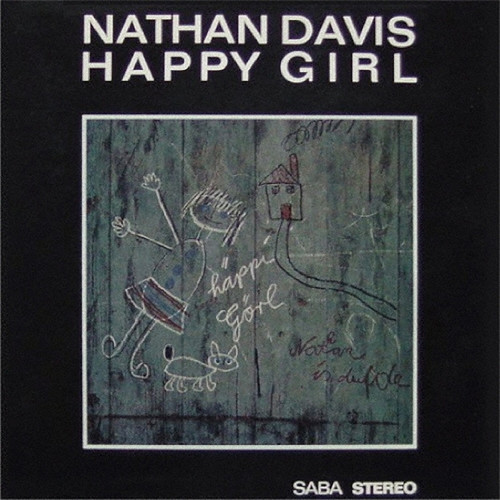
Happy Girl
Nathan Davis's first record as a leader, cut at the SABA studio in Villingen on 31 January 1965 with a twenty-year-old Woody Shaw on trumpet, Larry Young on piano rather than organ, Jimmy Woode on bass and Billy Brooks on drums. Tenor, soprano and flute in the Paris expatriate style of the mid-1960s.
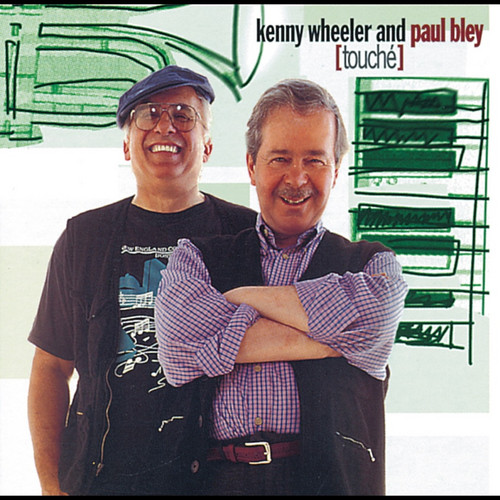
Touché
Studio Tempo, Montreal, 19 July 1996. Kenny Wheeler and Paul Bley, two Canadians who left for New York forty years earlier, in duo for the first time on record. Thirteen short pieces, seven by Wheeler and six by Bley, alternating; trumpet and flugelhorn against a piano that leaves most of the space empty.
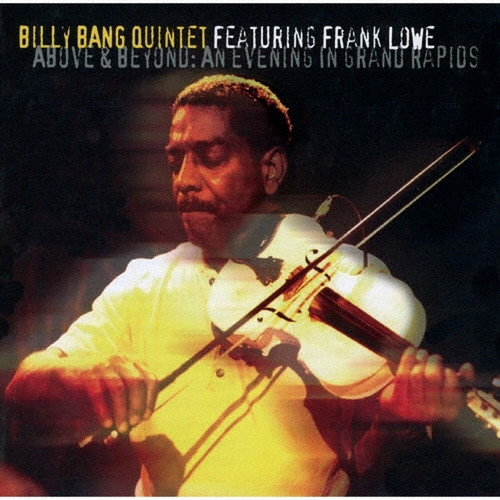
Above And Beyond
Grand Rapids, Michigan, Urban Institute for Contemporary Arts, 28 April 2003. The Billy Bang Quintet with Frank Lowe on tenor, Andrew Bemkey on piano, Todd Nicholson on bass and Tatsuya Nakatani on drums. Lowe was playing with one lung. He died that September, and this is his last recording.
Bang and Lowe went back to the loft years and had made a run of duo and group records together. Justin Time, which had Bang under contract for Vietnam: The Aftermath and its sequel, released the tape in 2007…
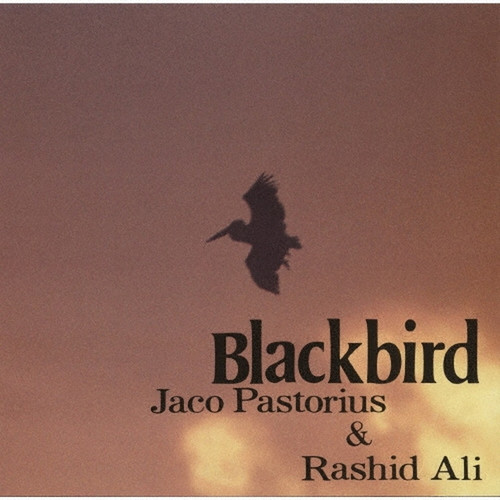
Blackbird
Martinique, December 1984. Jaco Pastorius and Rashied Ali, Coltrane's last drummer, on stage together at the end of a workshop, taped for French radio. Bass and drums alone. Released by Timeless; Pastorius died three years later. Never issued in the US until the Music On Vinyl LP.
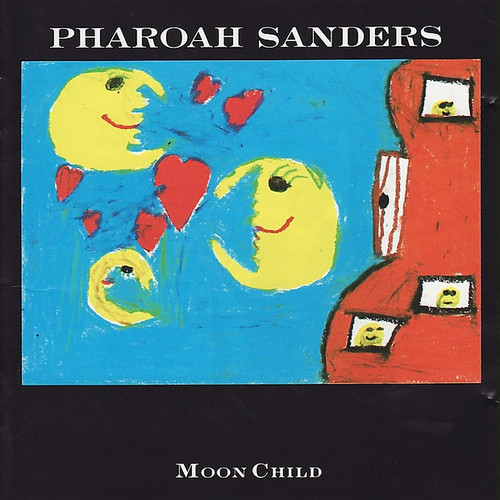
Moon Child
Paris, Studio Davout, 12 and 23 October 1989. Pharoah Sanders with William Henderson on piano, Stafford James on bass, Eddie Moore on drums and Cheikh Tidiane Fall on percussion. Produced by Wim Wigt for Timeless, released in 1990.
The Penguin Guide called it the straightest jazz album Sanders had made for years, and heard what he was after: a hypnotic groove that lets the horn float almost at will. Steve Loewy at AllMusic writes that the results may have disappointed some fans at the time, but …
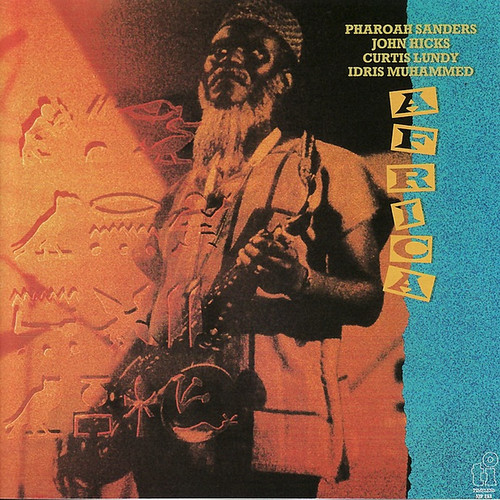
Africa
Studio 44, Monster, Holland, 11 March 1987. One day. Pharoah Sanders with John Hicks on piano, Curtis Lundy on bass and Idris Muhammad on drums, a band he kept for years. Produced by Wim Wigt for Timeless.
The record is built around Coltrane. Loewy at AllMusic writes that most listeners will prefer the originals to Sanders's imitations, but calls Africa a joyous and worthy tribute. AllMusic's survey of the Timeless years is warmer: it hears the title track's highlife melody undercut by Hicks's p…
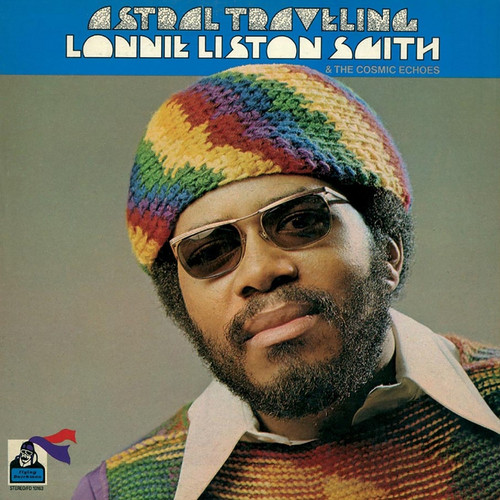
Astral Traveling
Lonnie Liston Smith's first album under his own name, 1973, straight out of the Pharoah Sanders band and the Thembi sessions where the title track was born on a Fender Rhodes. Cecil McBee, Joe Beck, Badal Roy on tabla, Mtume on congas, a tamboura. Six pieces, produced by Bob Thiele for Flying Dutchman.
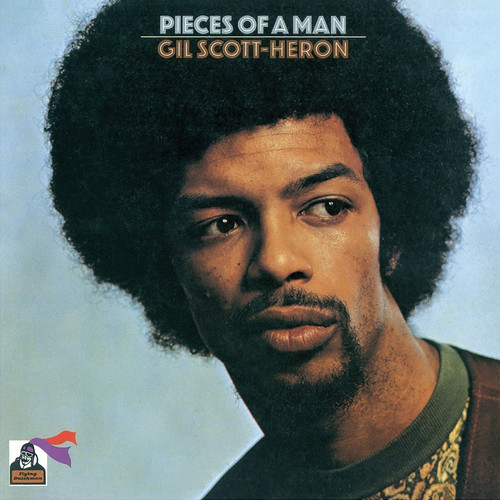
Pieces Of A Man
RCA Studios, 19 and 20 April 1971. Gil Scott-Heron's first studio album, with Brian Jackson on piano, Ron Carter, Hubert Laws, Bernard Purdie and Burt Jones, produced by Bob Thiele. The band version of The Revolution Will Not Be Televised, Lady Day and John Coltrane, Home Is Where the Hatred Is.
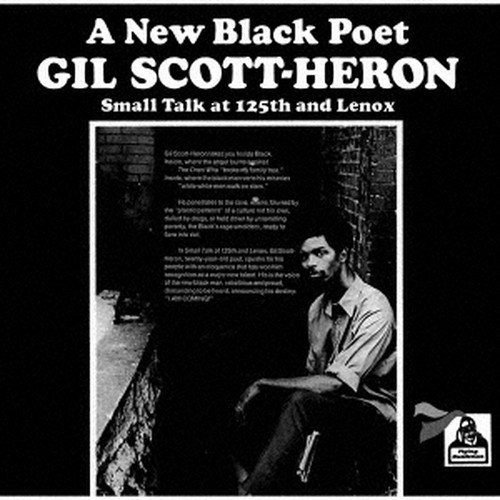
Small Talk At 125th And Lenox
A New Black Poet: Gil Scott-Heron's first record, 1970, a book of poems read in front of an audience with three percussionists, Eddie Knowles, Charlie Saunders and David Barnes, produced by Bob Thiele. The first version of The Revolution Will Not Be Televised, Whitey on the Moon, and the title piece.
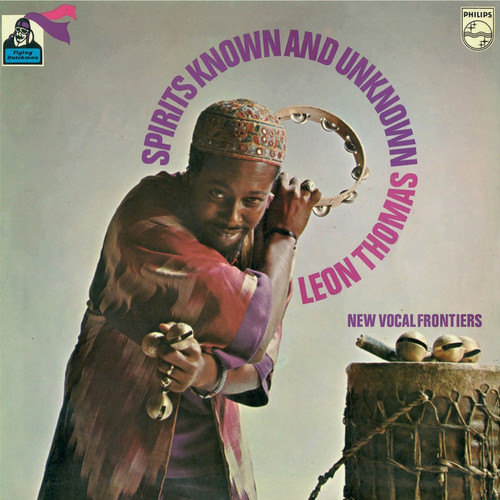
Spirits Known and Unknown
New York, 21 and 22 October 1969. Leon Thomas's first album under his own name, made months after Karma, with Pharoah Sanders credited as Little Rock, Lonnie Liston Smith, James Spaulding, Cecil McBee, Richard Davis and Roy Haynes. A shorter Creator Has a Master Plan, Echoes, and the Malcolm X elegy Malcolm's Gone.
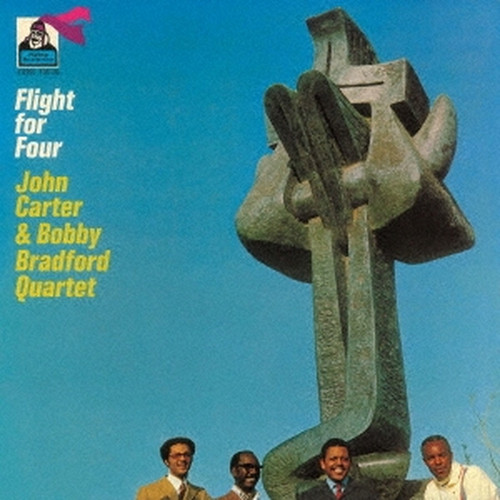
Flight For Four
Los Angeles, 1969. The first record of the John Carter - Bobby Bradford Quartet, the West Coast free jazz band Ornette Coleman had brought together in 1965, with Tom Williamson on bass and Bruz Freeman on drums. Five Carter pieces for Bob Thiele's new Flying Dutchman, from Call to the Festival to Domino.
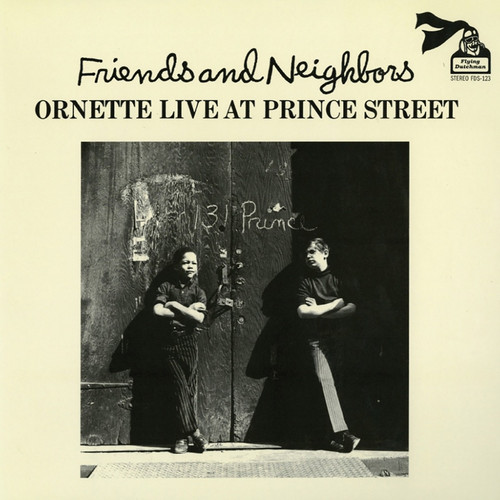
Friends And Neighbors (Ornette Live At Prince Street)
Ornette Coleman's loft at 131 Prince Street, Valentine's Day 1970. Dewey Redman, Charlie Haden, Ed Blackwell, and whoever was in the room singing the title chant. The only Coleman album on Flying Dutchman: six pieces, Ornette on alto, trumpet and violin, taped as a party rather than a concert.