★Three Blind Mice
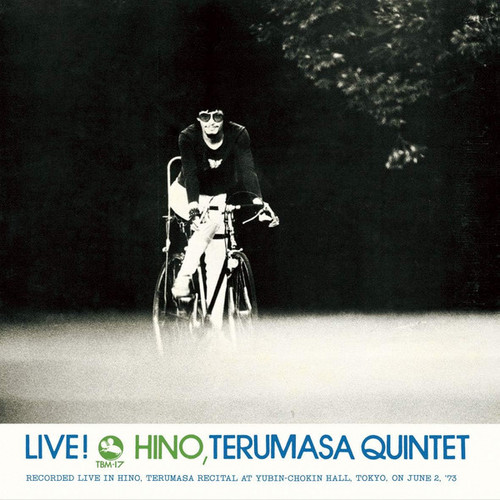
Live!
*2026 stock* A live document from one of the towering figures in Japanese jazz history. By the early seventies Terumasa Hino had established himself as Japan's most internationally fluent trumpeter, a player whose vocabulary moved easily between Lee Morgan-era hard bop, Miles-influenced modal abstraction, and the harder edges of Coltrane-era extended playing. Live! catches his quintet in concert, working through original material at the high temperature his groups were known for: long forms, fie…
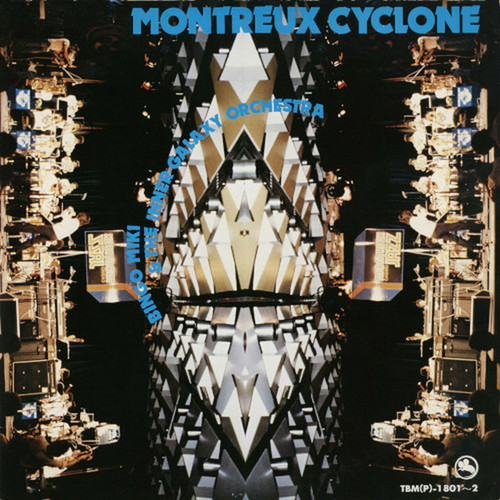
Montreux Cyclone
*2026 stock* A double-set capturing Bingo Miki's Inner Galaxy Orchestra in live performance at Montreux, and one of the more ambitious large-ensemble documents in the entire Three Blind Mice catalogue. Miki spent his career writing for big bands at the edge of mainstream Japanese jazz, blending orchestral architecture with modal, spiritual and free-leaning impulses, and the Inner Galaxy Orchestra was his most expansive vehicle. The Montreux performance shows the ensemble at full stretch: long-fo…
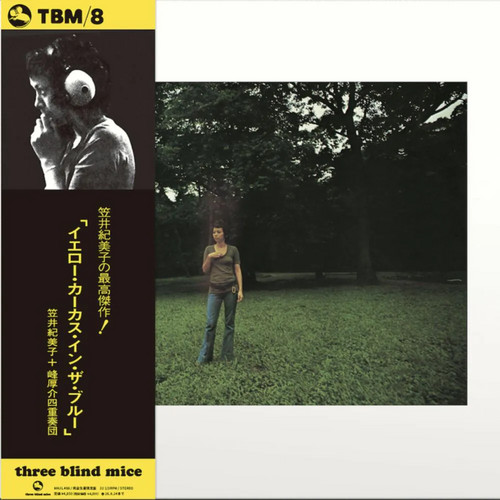
Yellow Carcass In The Blue
*2026 stock* Legendary Japanese jazz vocalist Kimiko Kasai, one of the most innovative singers of the 1970s, joins forces with the fiery Kosuke Mine Quartet on the newly reissued Yellow Carcass in the Blue, originally released in 1971 on the esteemed Three Blind Mice (TBM) label. This rare leader album captures Kasai at her peak, blending her husky, soulful voice with avant-garde improvisation and fusion grooves, featuring standout tracks like the title song—Masabumi Kikuchi's composition elevat…
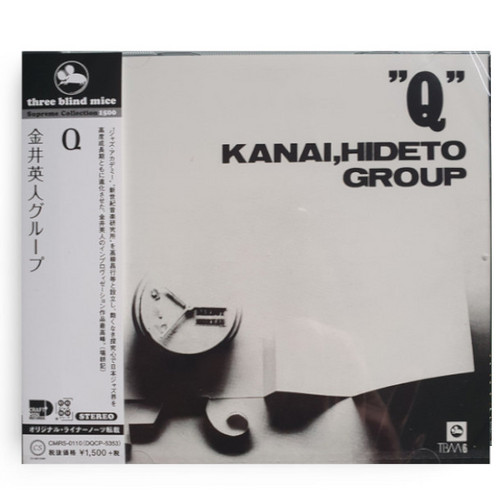
Q
*2026 stock* Bassist Hideto Kanai was one of the most ambitious composer-bandleaders to emerge from the Japanese jazz scene of the early seventies, a writer of long-form pieces that integrated free playing with chamber-jazz architecture, and a player with the patience to leave space where lesser arrangers would clutter. Q, only the sixth release on Three Blind Mice, is one of his most uncompromising early statements: extended group playing built around Kanai's slow, structural bass lines, with t…
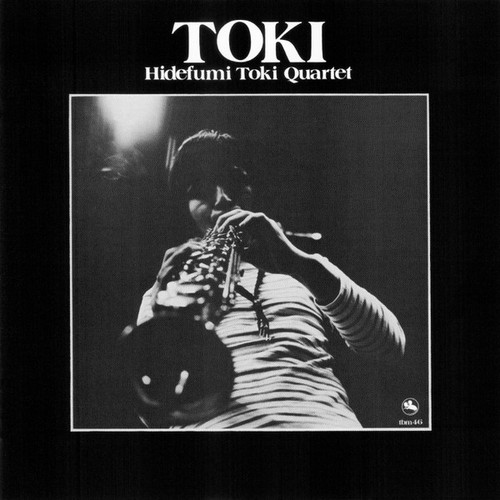
Toki
*2026 stock* Hidefumi Toki's 1975 album Toki offers a deeply personal journey into the realms of jazz, showcasing his expressive prowess on alto and soprano saxophones. Backed by a stellar quartet including Kazumi Watanabe on guitar, Nobuyoshi Ino on bass, and Steve Jackson on drums, Toki creates a stunning sonic landscape filled with gentle, raspy tones. The album's ambiance is laidback and mellow, yet infused with a profound sense of spiritual depth reminiscent of Coltrane's work.
Original com…
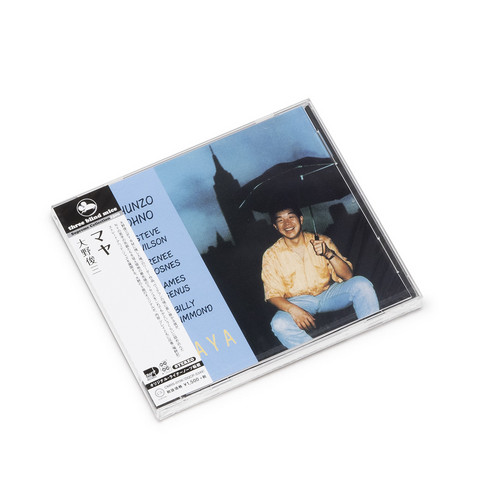
Maya
*2026 stock* Trumpeter Shunzo Ohno spent much of his career moving between the Japanese scene and the New York post-bop circuit, a player whose résumé runs through American bandleaders alongside his domestic work, and whose tone bears the marks of both worlds. His quintet date for Three Blind Mice is one of the records where he sounds most explicitly engaged with the modal and spiritual currents of seventies American jazz: Coltrane shadows everywhere, but absorbed into a particular Japanese pois…
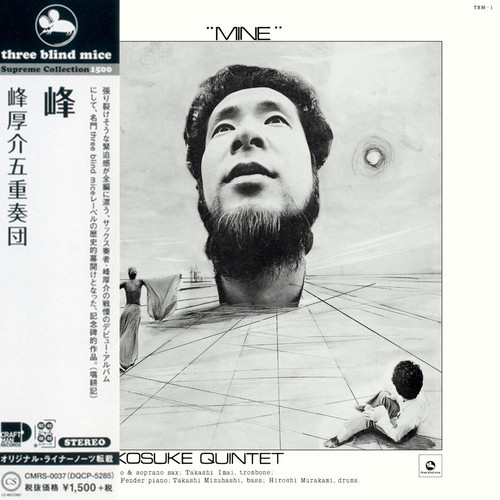
Mine
The very first record released on Three Blind Mice, a debut for both label and bandleader. Recorded in Tokyo in August 1970, Mine announces the saxophonist Kosuke Mine and sets out, in advance, the editorial stance the label would hold for the next two decades: serious post-bop with European clarity, Coltrane-era heat, and a particularly Japanese sense of restraint that lets the most intense solos hold their shape. Mine's quintet pairs his alto and soprano with trombone, the great Hideo Ichikawa…
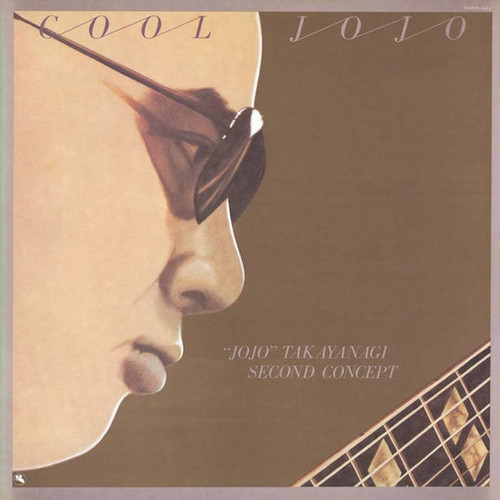
Cool Jojo
Cool Jojo was recorded from 3 to 5 December 1979 at Epicurus Studio in Tokyo under the direction of guitarist Masayuki Takayanagi. The album features the band ‘Second Concept,’ combining electric guitar, saxophone, keyboards, bass, and drums. The programme consists mainly of original compositions reflecting the band's electric jazz and experimental orientation in the late 1970s.
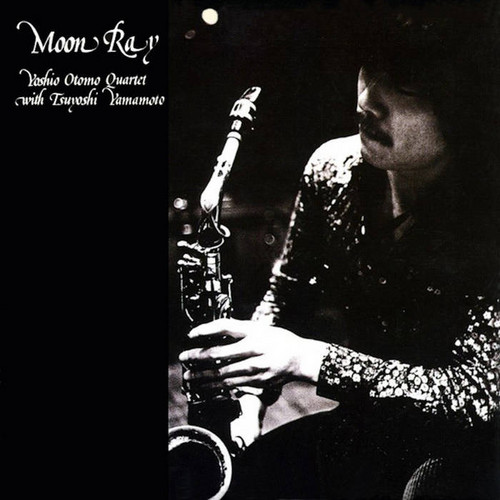
Moon Ray
Moon Ray was recorded on 21 and 22 April 1977 in Japan for the Three Blind Mice label. The album features the quartet led by alto saxophonist Yoshio Otomo, accompanied by Tsuyoshi Yamamoto (piano), Tamiko Kawabata (double bass) and Arihide Kurata (drums). The programme consists of standards from the American jazz repertoire as well as an original composition by Otomo. The production is part of the TBM label's series of acoustic recordings.
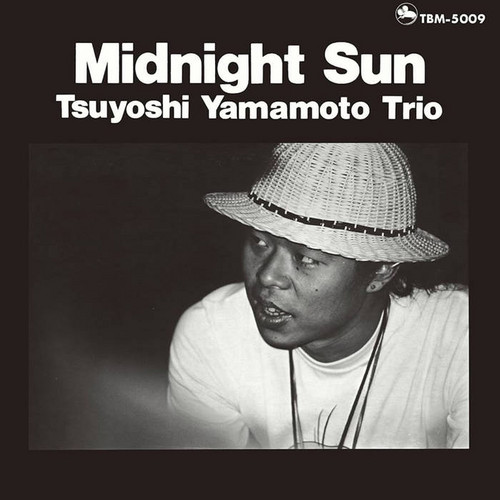
Midnight Sun
Recorded in Tokyo in June 1978 after his stay in the United States, Midnight Sun captures the Tsuyoshi Yamamoto Trio in a format typical of the Three Blind Mice aesthetic: full, dynamic sound and natural breathing of the playing. Between standards (‘Autumn Leaves’, ‘Love Is Here To Stay’) and more personal themes, Yamamoto favours melodic narration, with a deep left hand and a very singing touch.
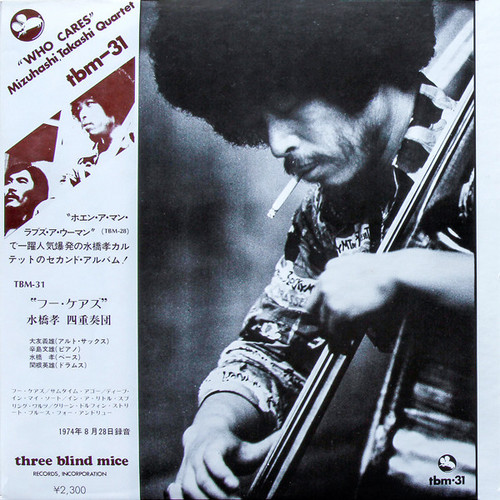
Who Cares
The Takashi Mizuhashi Quartet proudly announces the reissue of their legendary 1974 album Who Cares, a cornerstone of Japanese post-bop jazz now available in a stunning remastered vinyl edition via Three Blind Mice Records. Originally recorded on August 28, 1974, at Aoi Studio in Tokyo, this vibrant LP captures the quartet's unparalleled synergy during jazz's golden era in Japan.
Led by bassist and composer Takashi Mizuhashi, the quartet features saxophonist Yoshio Otomo on alto and soprano sax,…
Black Orpheus
The legendary Isao Suzuki Trio's iconic 1976 album Black Orpheus, a cornerstone of Japanese jazz, receives a stunning 180g vinyl reissue, bringing its soulful modal and soul-jazz grooves back to life for a new generation of listeners.
Originally released on Three Blind Mice (TBM-63) and recorded on February 20, 1976, at Aoi Studio in Tokyo, Black Orpheus showcases bassist and cellist Isao Suzuki leading a powerhouse trio with pianist Tsuyoshi Yamamoto on piano and electric piano, and drummer Don…
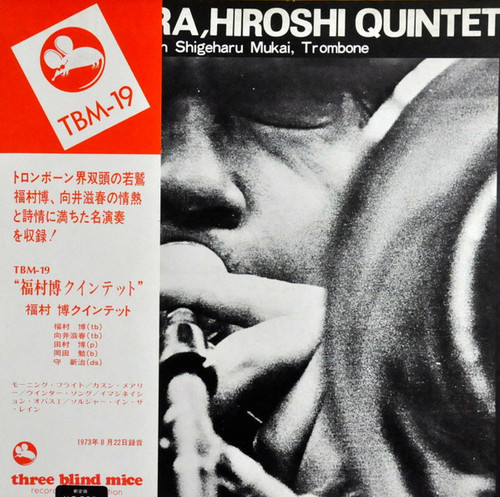
Morning Flight
Japanese jazz enthusiasts rejoice: the Hiroshi Fukumura Quintet’s landmark 1973 album Morning Flight, originally released on the iconic Three Blind Mice label, is being reissued for a new generation of listeners. This trombone-led masterpiece captures the raw energy and improvisational spirit of early 1970s Japanese jazz, blending free-form exploration with lyrical standards.
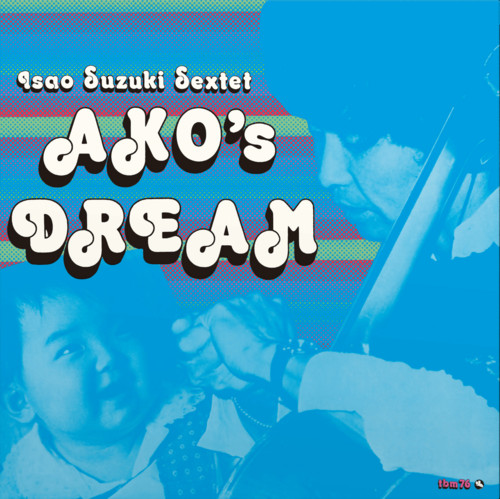
Ako's Dream
One of the wonderfully creative 70s sets from Japanese stringman Isao Suzuki – an artist who also plays bass, but who works here on jazz cello – for a very unusual approach! The set has Suzuki's work on the light strings matched in a combo with lead guitar from Kazumi Watanabe – who's nicely restrained here, and falls in with Isao's strings at a level that's quite different than his own material of the time. Watanabe's lead is augmented by further rhythm guitar work by Kazumasa Akiyama, and the …
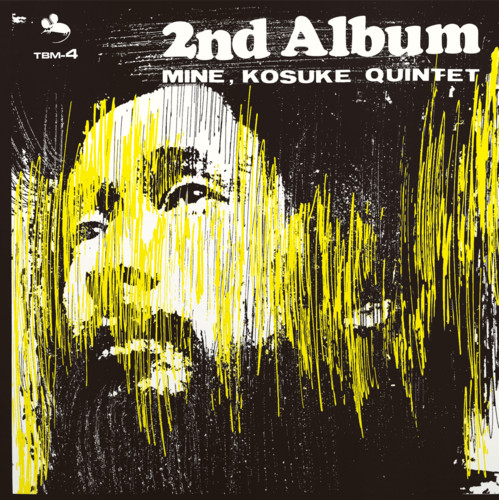
2nd Album
Following the wave of critical acclaim for his debut, the prodigious Japanese saxophonist Kosuke Mine cemented his place in the modern jazz world with the release of his 2nd Album, recorded in Tokyo in late 1970 and originally issued on the revered Three Blind Mice label. Now, this pivotal work is available again, celebrating a new generation of jazz lovers and collectors.
Rising to the forefront of the Japanese jazz scene, Kosuke Mine assembled an all-star quintet featuring trombonist Takashi I…
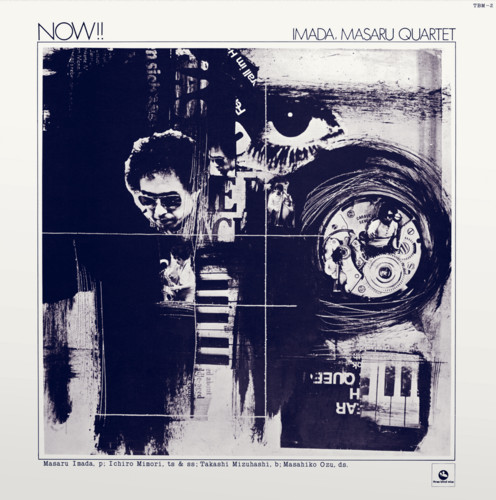
Now!!
Now! by Masaru Imada was the second album released by the fledgling Three Blind Mice label and the pianist's first leader album for the label. All four tunes are Imada's original compositions. The two slow numbers – "Nostalgia" and "The Shadow of the Castle" show his lyrical, "quiet but emotional," qualities. "Alter" is an adventurous tune whose focus is on free improvisation while "Gehi Dorian" is a modal composition as the title suggests.
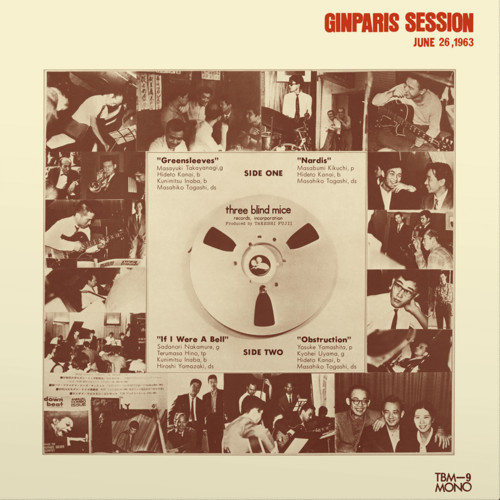
Ginparis Session
For the better part of the 50s and 60s, Masayuki Takayanagi was among Japan's best-respected jazz guitarists. But it wasn't until his experiments with tabletop guitar led him down the seductive path of sonic experimentation that he became the stuff of legend. “Ginparis” (literally translated as Silver Paris) was known as the chanson cafe in Tokyo, Ginza, and the performances often centred around chansons but eventually became the session venue for young jazz musicians. They left their mark on a…
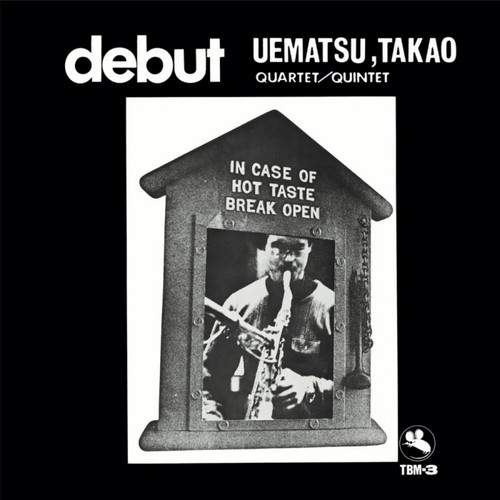
Debut
This is the first album by Takao Uematsu, who played in the George Otsuka Group. His blackness of blowing, spirit and technique, which are directly descended from Joe Henderson, set him apart from other Japanese players.
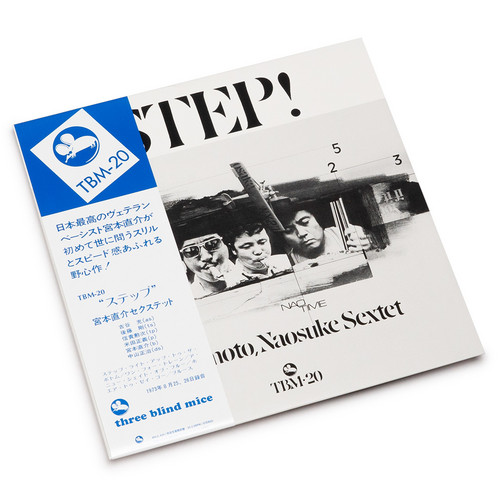
Step!
A memorable first album by the very accomplished yet restrained artist, Naosuke Miyamoto. Thrilling straight-ahead jazz with Takashi Furuya and other Kansai-based members!
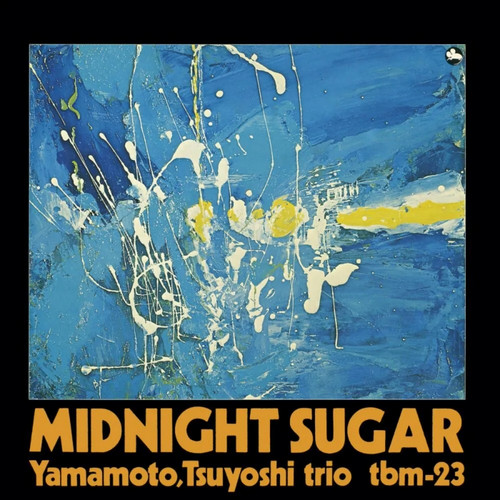
Midnight Sugar
This is the monumental first album by Tsuyoshi Yamamoto, who later became one of the two major artists on the TBM label along with Isao Suzuki. A groovy and heartwarming popular disc by the Japanese piano trio