★Vinyl-On-Demand
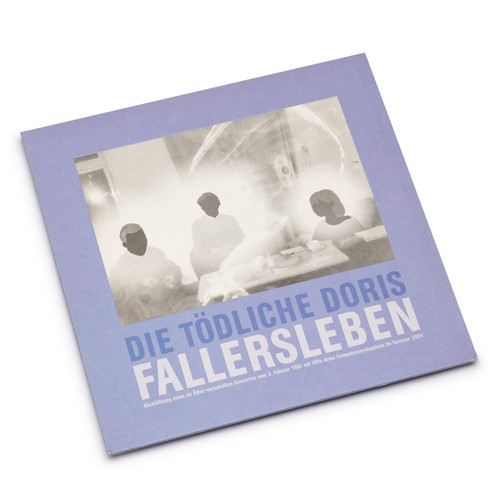
Fallersleben (LP)
2004 EP on Vinyl-on-demand in an edition of 250 numbered copies with poster signed by Wolfgang Muller, with 1981 recordings by the experimental/NDW performance art and music group.
Strudelsölle (6LP box)
2004 6LP box set on Vinyl-on-demand (their first release) re-issuing the first six tapes from the early 1980's by the experimental/NDW performance art and music group.
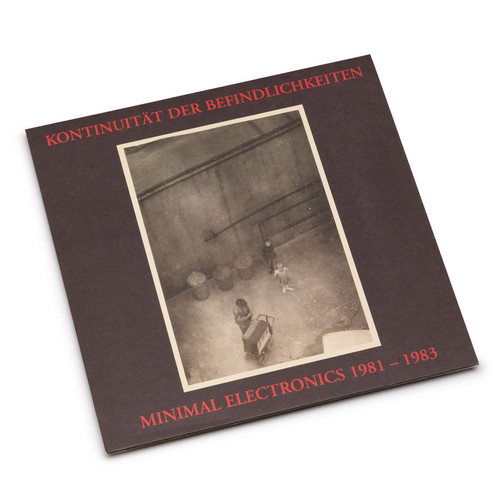
Kontinuität Der Befindlichkeiten (LP)
2004 compilation released in 2004 by Vinyl-on-demand in an edition of 500 numbered copies, collecting tracks from obscure minimal electronic tapes orininally released from 1981 to 1983 by T.O.L.L., Porno-Graf, Geländeterror, Vorprogrammierte Zwangsneurose, Die Ratten, Potenzstörung '81.
Archives
On Archives, Italian industrial pioneer Maurizio Bianchi (M.B.) assembles a stark dossier of early cassette‑era works, exposing the bare circuitry of his noise archaeology: corroded drones, medical‑grade pulses and desolate tape decay stripped of any human consolation.
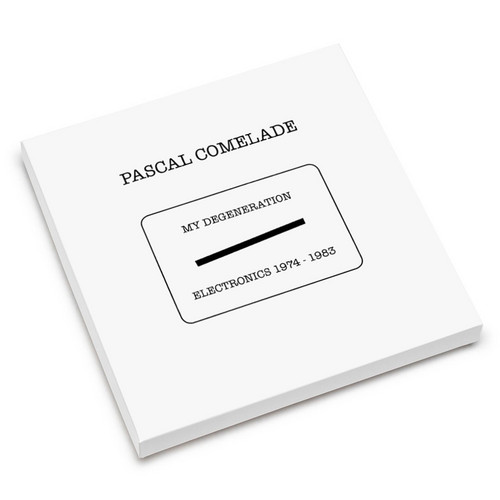
My Degeneration Electronics 1974-1983
On My Degeneration: Electronics 1974-1983, Pascal Comelade emerges not as the toy‑instrument miniaturist of later years but as a solitary electronics alchemist, charting a decade of raw, laboratory‑grade synth experiments that stretch from kosmische drift to fractured proto‑industrial pulse.
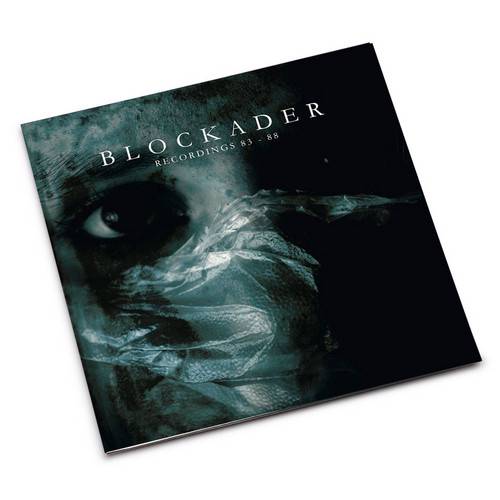
Recordings 83 - 88
Huge tip! It was a cold winter's night in late 1978 when Chris Connelly, fourteen years old, lay in bed with his radio and heard Throbbing Gristle's Hamburger Lady for the first time. It changed his life permanently. He had already been making sounds at home on a reel-to-reel tape recorder, building loops and feedback, using shortwave radio in the middle of the night, with no instruments and no desire for any. He had also been obsessively scouring record shops guided by a copy of Zig Zag magazin…
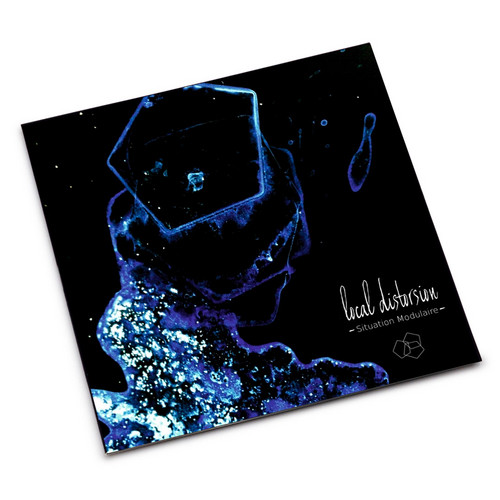
Situation Modulaire
Local Distorsion is a French duo formed in 2012 consisting of Cyril (vocals, lyrics, synthesizer) and Caroline (vocals, lyrics). Explicitly described as an "illusory collective concept," the project draws on surrealist and nihilist literature, metaphysics, and the aesthetics of the 1980s DIY scene as filtered through a contemporary sensibility. Rather than claiming a fixed identity, Local Distorsion operates across different group names and tonal approaches to move freely between coldwave, minim…
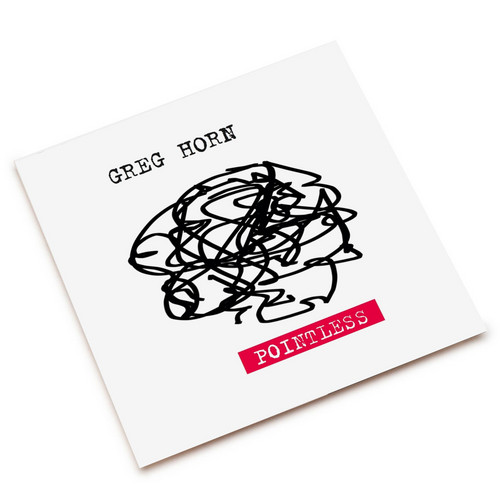
Pointless
Greg Horn started out in West Lafayette, Indiana as guitarist and vocalist of Dow Jones and the Industrials, a punk and new wave band with a wiry, keyboard-inflected sound that earned them a split LP with the Gizmos in 1980 before the group dissolved in 1981. Horn relocated to Phoenix, Arizona, where he found work at the PBS station KAET and met synthesist Galen Herod. Together they formed Tone Set, the minimal synth-pop duo that released Cal's Ranch and Calibrate and earned rare praise from Mar…
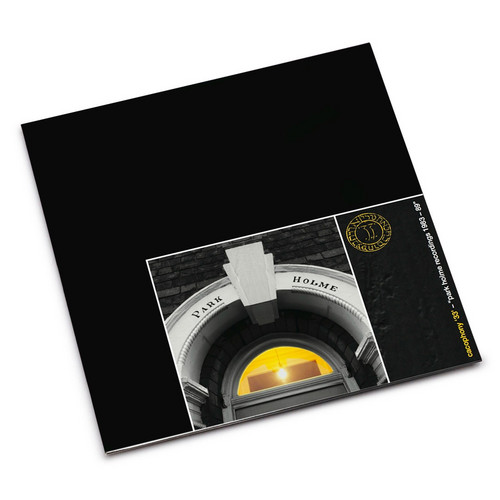
Park Holme Recordings 1983-89
On Synth Pop Art, The Toy Shop turn Paul Klein’s one‑man Leeds project into a sharp, neon‑lit partnership with Philip Walsh, distilling early‑80s UK minimal synth, big‑chorus ambition and nearly‑was pop history into a tight set of lost singles.
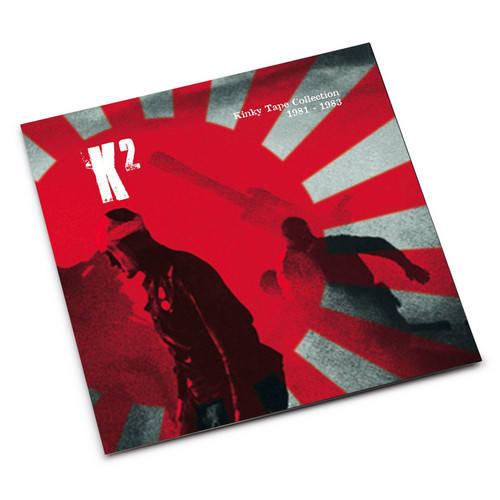
Kinky Tape Collection 1981-1983
K2 is the project of Kimihide Kusafuka, born in Shizuoka, who began his musical activity in 1981 devoting himself entirely to recording noise and experimental music — before the term "noise music" as a genre had even been established. Over the following four years he released around 20 tapes on his own Kinky Tape Collection label (later renamed Kinky Musik Institute), working across several radically different noise styles simultaneously. Alongside Masami Akita (Merzbow), Hijokaidan, and Toshiji…
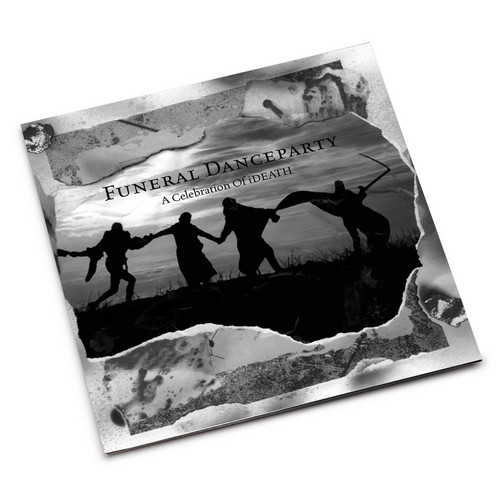
A Celebration of iDeath
Funeral Danceparty began in 1979 in Newcastle. Their debut cassette, The Curiosity Shop (1980), was advertised in the national weekly music paper Sounds in the established DIY fashion of the era: interested parties were requested to send a blank cassette and a self-addressed envelope. Approximately 100 copies reached destinations worldwide. A national fanzine review compared the music to Cabaret Voltaire, Faust, and The Residents. Their second cassette, The Attractions of Fixed Interest, was als…
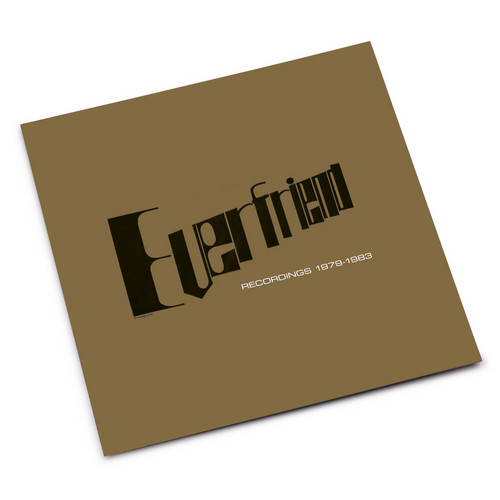
Recordings 1979-1983
Everfriend was the project of New Jersey-based keyboardist Bill Rhodes (real surname Rupprecht), operating with drummer Mike Jacoby and bassist Paul Kozub, all previously connected through a band called the All Night Flyers. Rhodes self-released Everfriend's recordings between 1980 and 1983 on his own Jazzical Records label in very limited vinyl editions: Tropicsphere (1980), Sphere of Influence (1981), and Shoot to Kill (1983), the latter first released as a tape. The project sits in an unusual…
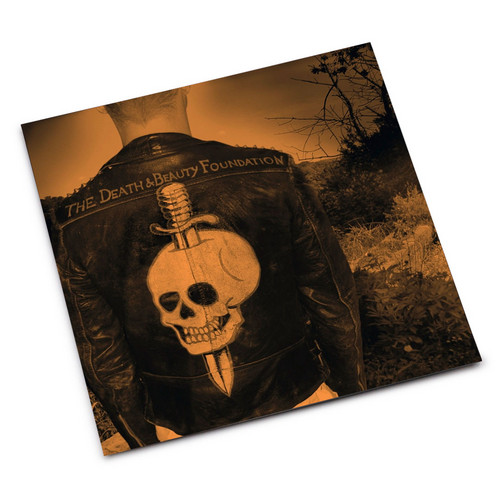
We Are Young And Stupid
On 29th April 1982, the final year degree show at the Royal College of Art in London gave birth to a project that had no clear precedent. The Death and Beauty Foundation, initiated that day by Val Denham alongside Mike Wells, Nick Coombe, Stuart Jane, Elita Denham, and Antal Nemeth, began as a performance/action group with experimental sound. The first recordings — the "Darlington Tapes" — were made by Denham and Andrew McKenzie of The Hafler Trio in 1982, establishing a connection to the wider …
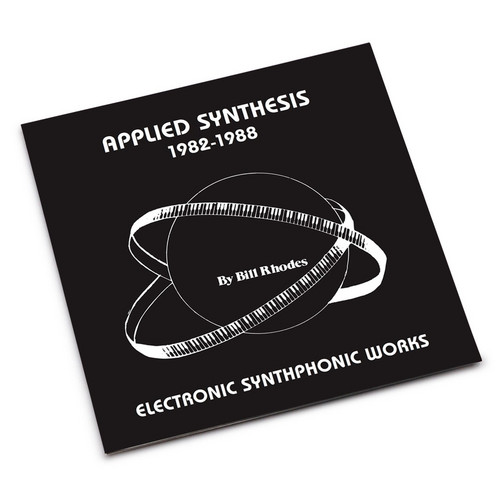
Applied Synthesis
Bill Rhodes was a Florida-based synthesist and composer who spent the 1980s building an idiosyncratic body of work across a series of self-released cassettes and limited vinyl pressings, entirely outside the commercial music industry and largely unknown beyond the tape-trading network he plugged into through South Florida connections and fanzine advertisements. His music was described by Boomkat as spanning "lounge jazz flair to doomy John Carpenter feels," evoking a library's worth of themes an…
Thealonian Music
Ash Wednesday is an Australian musician from Adelaide who arrived at the late 1970s Melbourne post-punk scene via the proto-punk group JAB, whose tracks appeared on the Suicide Records compilation Lethal Weapons, and then via The Models, a band he co-founded with Sean Kelly that would later become a chart-topping pop group while Wednesday himself moved in a very different direction. His experimental work from the early 1980s unfolded across several parallel projects: solo electronic pieces; Mode…
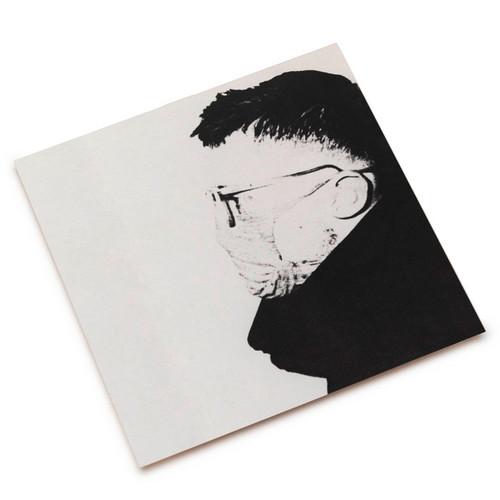
Recordings 1979-83
Malcolm Brown is a Scottish electronics and minimal synth artist who has been active since the late 1970s, working from council flats in West Lothian with whatever equipment he could assemble: a Casio VL Tone, electric guitar, bass, piano, a Shinei Fuzzbox, a Dual Octave Box, a WEM Copycat echo unit, a Dr. Rhythm drum machine, electronic percussion pads, an Akai GX 4000D reel-to-reel recorder, and a Hitachi stereo tape deck. His early collaborations with Robert Lawrence of Quick Stab Products in…
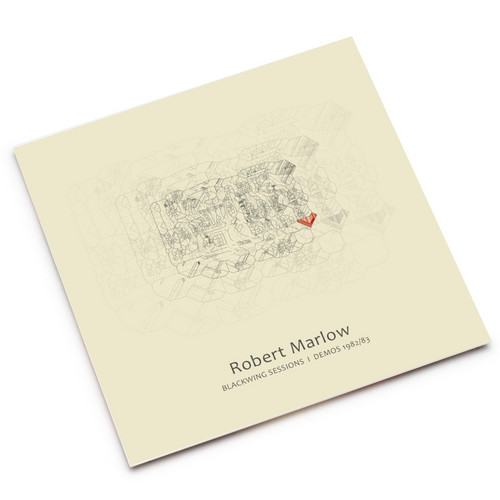
The Blackwing Sessions | Demos 1982 / 83
On The Blackwing Sessions, Demos 1982/83, Robert Marlow opens the vault on his pre‑Peter Pan Effect sketches, capturing Basildon synth‑pop at source: raw Vince Clarke sequences, Eric Radcliffe grit, and songs caught mid‑mutation between bedroom dream and major‑label mirage.
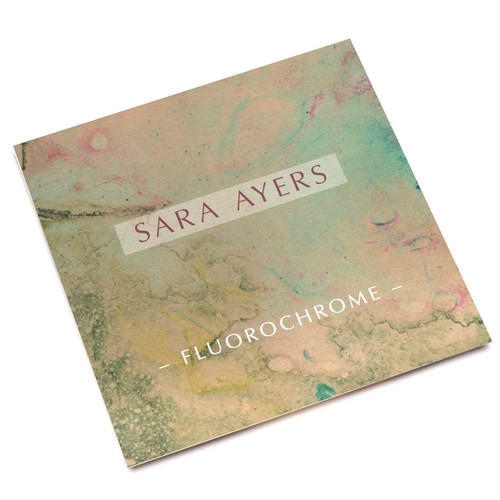
Fluorochrome
On Fluorochrome, Sara Ayers turns a tiny kitchen studio into a prism for synth‑pop, ambient and art‑song, layering her own voice and machines into intimate electronic miniatures that feel both handmade and quietly otherworldly.
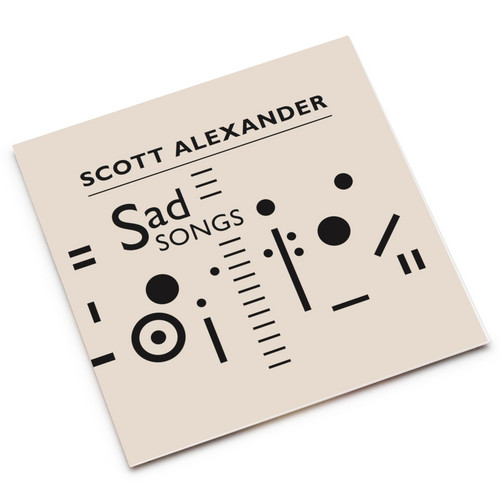
Sad Songs
On Sad Songs, Scott Alexander steps away from American Music Club into a one‑man synth lab, fusing Eno‑tinged ambience, noir synth‑pop and fuzzed‑out psychedelia into a solitary, homespun detour that never repeats itself.
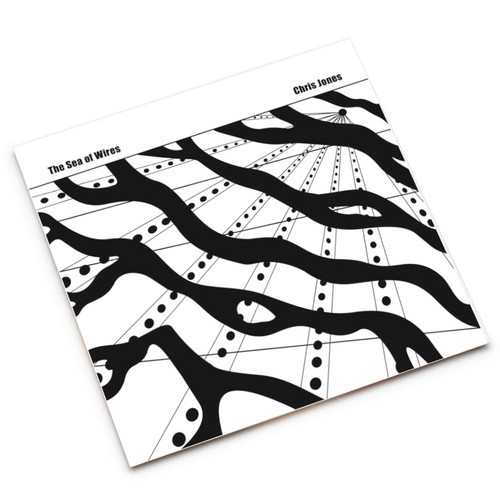
Recordings 1980-82
On Recordings 1980–82, Sea of Wires condense Coventry bedroom kosmische into slow‑burn circuits: Chris Jones and Tony “T” Murphy channel Hawkwind and German electronics into looping, improvised voyages that feel handmade yet eerily vast.