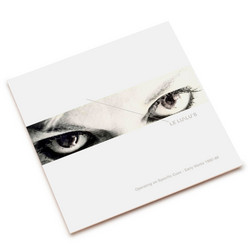
Fluorochrome marks the point where Sara Ayers first compresses her unruly, genre‑hopping instincts into a solo electronic statement. After stints in bands like the Dialtones, AKA/etc., Bang Zoom and the Reno Brothers, she stepped away from guitars and group dynamics to build an all‑synth project at home. Issued in 1985 as a limited, cassette‑only release on Blotto Records, Fluorochrome arrived fully formed: eight songs that pull threads from folk, punk, bubblegum pop, rock, electronic music and emerging ambient minimalism, then weave them into a set of “painterly” textures and poetic lyrics. Early listeners heard echoes of Alison Moyet, Laurie Anderson, Kate Bush and even Joni Mitchell, but the combination of intimate songcraft and luminous synthetic atmosphere was distinctly Ayers’.
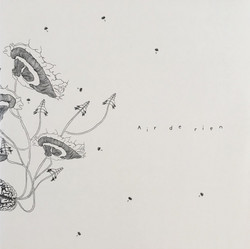
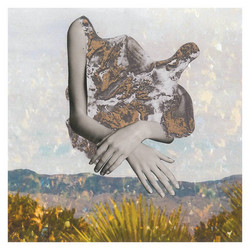
Part of what made the tape so striking was the fact that it really is a one‑woman project in every sense. Ayers wrote and arranged all eight pieces, programmed and played every synth and rhythm track, and sang all the vocal lines, from lead melodies to stacked harmonies and backing choirs. She engineered, mixed and mastered the music herself in her kitchen, working with the constraints and possibilities of a modest home setup. She then duplicated the cassette run by hand - 100 copies, dubbed two at a time from a reel‑to‑reel master - and went so far as to hand‑paint each cover, folding and assembling the packaging herself. The result feels less like a “product” than like a series of artefacts, each one bearing the mark of time, touch and care.
That handcrafted ethos sits in deliberate tension with the cool, electronic sound world of the music. “I was obsessed with creating, by myself, an intimate, perfect work of art, painting and folding each package, rather than mass‑producing a commercial product,” Ayers has said. “The juxtaposition of cool electronic music with a hands‑on, hand‑made ethic really appealed to me.” That juxtaposition defines Fluorochrome: sleek synth lines, drum machines and atmospheric pads carry songs that are anything but impersonal. Her lyrics unfold like short stories or interior monologues; her voice, close‑miked and richly layered, pulls warmth and vulnerability out of the circuitry. The electronic arrangements act less as armour than as a kind of soft neon frame around very human concerns.
Although Fluorochrome began as a small‑run cassette, it laid the groundwork for an unusually eclectic career. In the decades that followed, Ayers’ music would range from structured songs to abstract ambient soundscapes. She would collaborate with international artists such as Japanese dark‑ambient experimentalist Ryuta.K and Russian electronic trio Figura, be sampled by the Chemical Brothers on the Grammy‑winning “Come Inside,” and have her work reissued by labels like Anna Logue Records and heard everywhere from Oprah to cable networks. But it starts here: with a young artist in a kitchen, trying to build, alone, an “intimate, perfect work of art” out of drum machines, synths, words and her own multi‑tracked voice.