★Wergo
Studies and Solos for Piano
Conlon Nancarrow's Studies for Player Piano in transcriptions for piano four hands, the Three Canons for Ursula, Tango?, Blues, Sonatina and other pieces, played by the Bugallo-Williams Piano Duo (Helena Bugallo and Amy Williams).
Ein Landarzt / Das Ende einer Welt
Hans Werner Henze's radio operas Ein Landarzt (after Kafka) and Das Ende einer Welt (libretto by Hildesheimer), revised versions, premiered live in the Cologne Philharmonie on 27 September 1996 with the WDR Sinfonieorchester under Markus Stenz.
Pollicino
First recording of Hans Werner Henze's children's opera Pollicino, after Collodi, Grimm and Perrault, sung in German by young soloists with a choir and orchestra of Berlin music school students under Jobst Liebrecht. Echo Klassik 2004.
Boulevard Solitude Zwischenspiele / Ballett-Variationen / Kammerkonzert / Concertino / Rosa Silber
Five early works by Hans Werner Henze (1946-1951): Ballett-Variationen, Concertino, Rosa Silber, Kammerkonzert and the Boulevard Solitude interludes, played by the NDR Sinfonieorchester under Peter Ruzicka with Christopher Tainton and Matthias Perl, 2002-2003.
Toucher
Seven percussion works by Vinko Globokar, including Toucher for a speaking percussionist, ?Corporel for body percussion and Ombre with tape and rhythm machine, played by Matthias Kaul, a coproduction with Deutschlandfunk.
The Lost Sonatas
Five piano sonatas by George Antheil from 1923 to 1950, three in first recordings (the Third, Fifth and Woman Sonata), played by Guy Livingston on a Fazioli piano, recorded in Paris in July 2003.
Bread and Roses
Christian Wolff's For 1, 2 or 3 People, Exercise 27, Bread and Roses and Edges, played by violinist Malcolm Goldstein and percussionist Matthias Kaul (also voice and hurdy-gurdy), recorded at Hessischer Rundfunk in 1999 and 2002.
Scorribanda Sinfonica / Antifone / 1. Klavierkonzert
Three orchestral works by Hans Werner Henze from 1950 to 2001, Scorribanda sinfonica, Antifone and Piano Concerto No. 1, played by the NDR Sinfonieorchester under Peter Ruzicka with pianist Christopher Tainton, recorded in Hamburg.
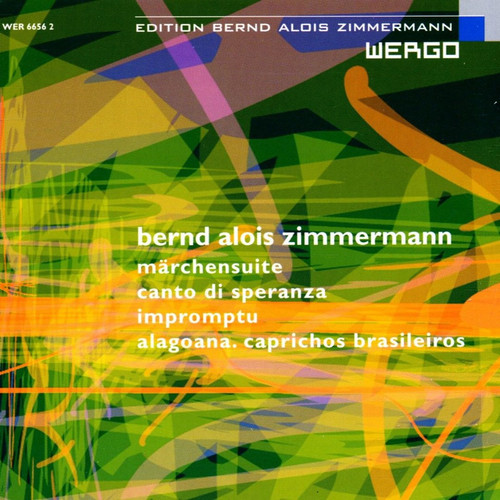
Märchensuite / Canto di speranza / Impromptu / Alagoana. Caprichos Brasileiros
Four orchestral works of the 1950s by Bernd Alois Zimmermann, with the live world premiere of the Märchensuite and the first recording of Alagoana, played by cellist Lucas Fels and the Rundfunk-Sinfonieorchester Berlin under Peter Hirsch, January 2001.
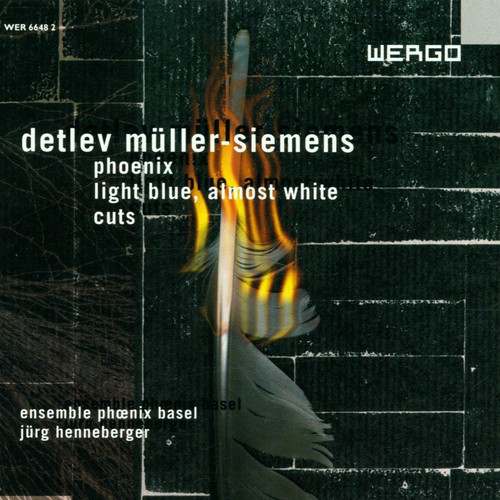
Phoenix / Cuts / Light Blue, Almost White
Three ensemble works of the 1990s by Detlev Müller-Siemens, Phoenix I-III, Light blue, almost white and Cuts for alto saxophone and ensemble, played by Ensemble Phoenix Basel under Jürg Henneberger with Marcus Weiss, recorded in Basel in 1999.
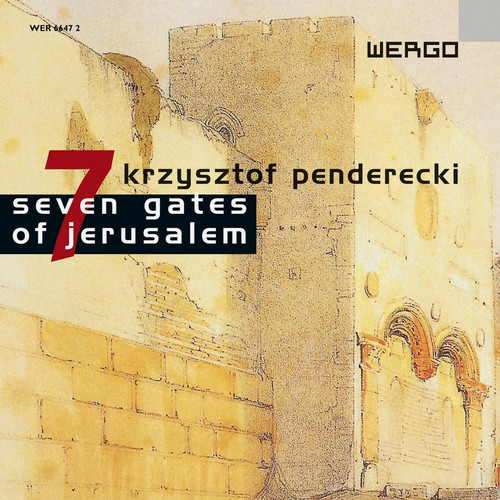
Seven Gates of Jerusalem
First recording of the original version of Penderecki's Symphony No. 7 Seven Gates of Jerusalem, live at the Vienna Musikverein on 16 November 1999 with the Warsaw National Philharmonic Orchestra and Choir under Kazimierz Kord.
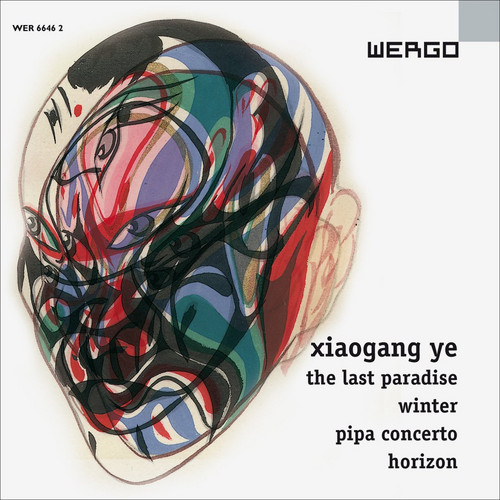
The Last Paradise / Winter / Pipa Concerto / Horizon
Four orchestral works by Chinese composer Xiaogang Ye, including the Pipa Concerto and Symphony No. 2 Horizon, played by the Rundfunk-Sinfonieorchester Saarbrücken under Yi Zhang and Günther Herbig with Wei Lu, Wu Man, Yanyan Wang and Song-Hu Liu.
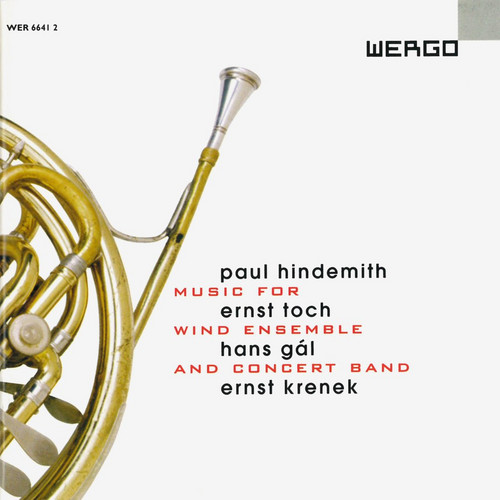
Music for Wind Ensemble and Concert Band
Works for wind ensemble and concert band by Paul Hindemith, Ernst Toch, Hans Gál and Ernst Krenek, three of them written in 1926 for Donaueschingen, played by the Deutsches Symphonie-Orchester Berlin under Roger Epple.
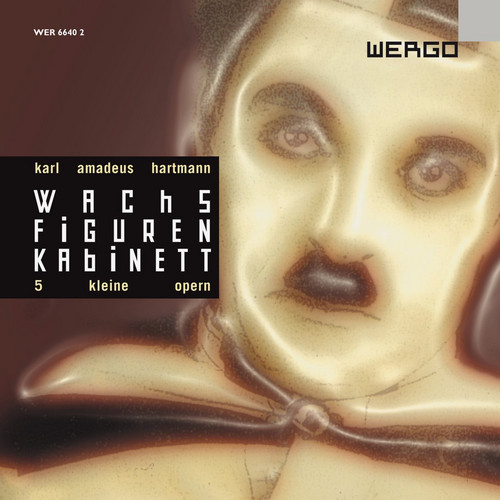
Wachsfigurenkabinett
First recording of Karl Amadeus Hartmann's Wachsfigurenkabinett, five little operas of 1929-30, with Claudia Barainsky, Michelle Breedt, Tom Harper, Michael Kraus and members of the Deutsches Symphonie-Orchester Berlin under Roger Epple, recorded 1999.
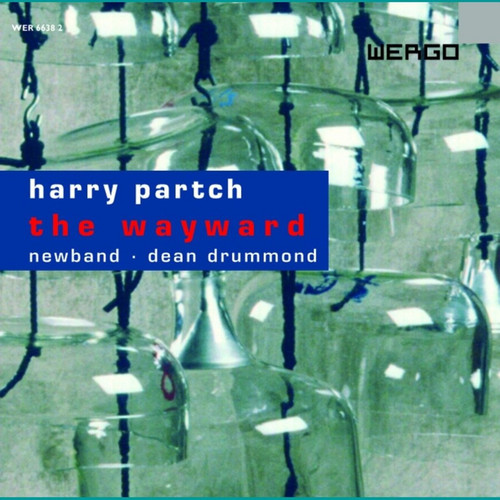
The Wayward
Harry Partch's The Wayward (Barstow, San Francisco, The Letter, U.S. Highball), hobo texts set for voices and Partch's own instruments, played by Newband under Dean Drummond, recorded in New York in December 1999.
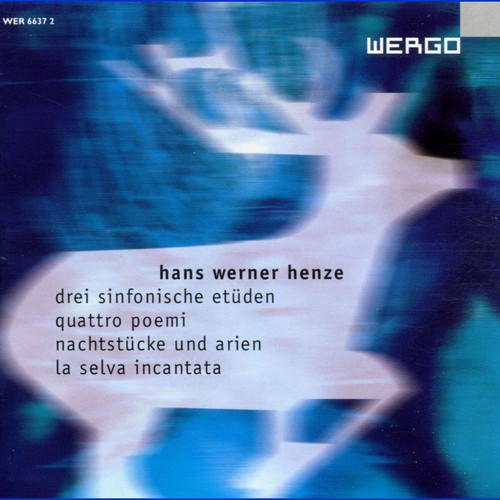
Drei sinfonische Etüden / Quattro Poemi / Nachtstücke und Arien / La selva incantata
Hans Werner Henze's Drei sinfonische Etüden, Quattro Poemi, Nachtstücke und Arien (Ingeborg Bachmann) and La selva incantata, played by the NDR Sinfonieorchester under Peter Ruzicka with Michaela Kaune, recorded 1999.
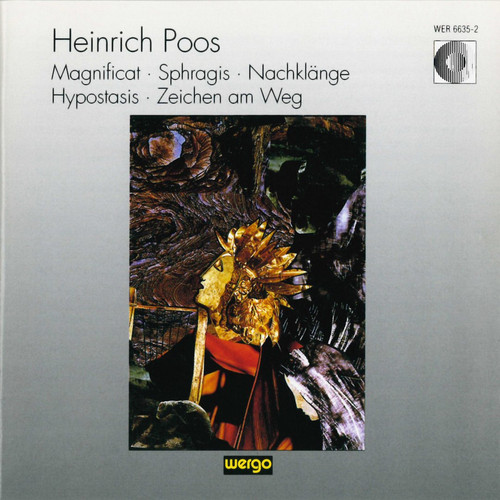
Magnificat / Sphragis / Nachklänge / Hypostasis / Zeichen am Weg
Choral works by Heinrich Poos: Magnificat, Sphragis, Nachklänge after Eichendorff, Hypostasis vel Somnium Jacob and Zeichen am Weg, sung by Schola Cantorum Gedanensis and the SWR Vokalensemble Stuttgart.
Werke für zwei Pianisten
Hindemith's works for piano four hands and two pianos, including his four-hand Mathis der Maler symphony, Rag Time (wohltemperiert), the Walzer op. 6 and the sonatas of 1938 and 1942, played by Andreas Grau and Götz Schumacher.
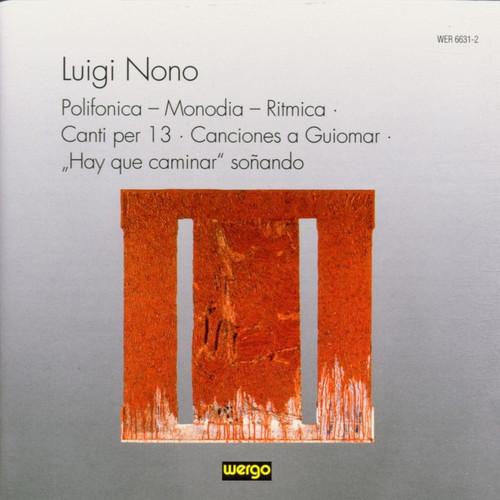
Polifonica - Monodia - Ritmica / Canti per 13 / Canciones a Guiomar / Hay Que Caminar Soñando
Four works by Luigi Nono from 1951 to 1989: Polifonica-Monodia-Ritmica, Canti per 13, Canciones a Guiomar and his last work, "Hay que caminar" soñando for two violins, with Ensemble UnitedBerlin, United Voices and Angelika Luz under Peter Hirsch.
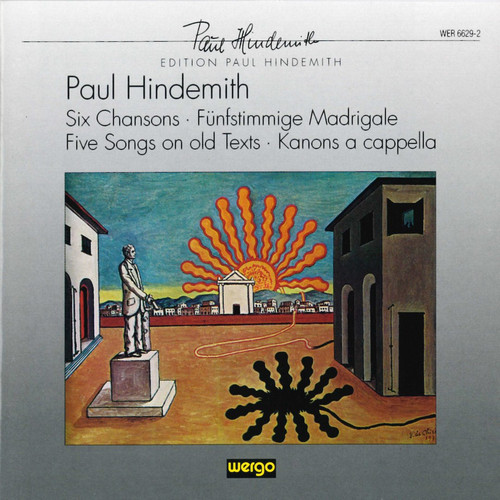
Six Chansons / Fünfstimmige Madrigale / Five Songs on old Texts / Kanons a cappella
A cappella choral works by Paul Hindemith: Six Chansons after Rilke (1939), the Zwölf Madrigale on Weinheber texts (1958), Five Songs on Old Texts (1937) and nine canons, sung by the Rundfunkchor Berlin under Stefan Parkman, recorded 1996.