New Arrivals
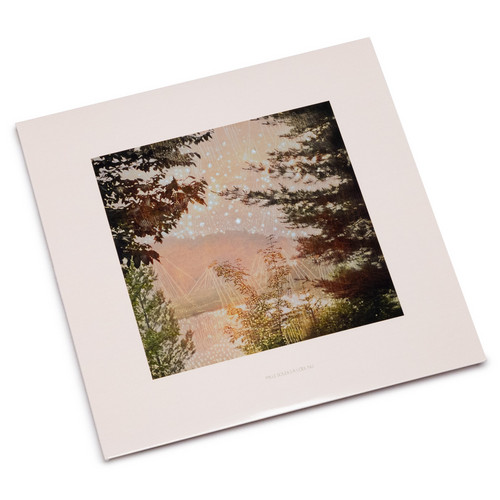
Mille soleils à l'oeil nu
*100 copies limited edition* Virginie Reid announces the release of Mille Soleils à l'oeil nu, a luminous new album that explores the delicate intersection of acoustic intimacy and boundless sonic imagination. Recorded with a keen ear for texture and a fearless commitment to improvisation, Mille Soleils à l'oeil nu invites listeners into a world where small gestures expand into vast, cinematic landscapes.
Mille Soleils à l'oeil nu traces a journey through light and shadow. Reid's compositions ba…
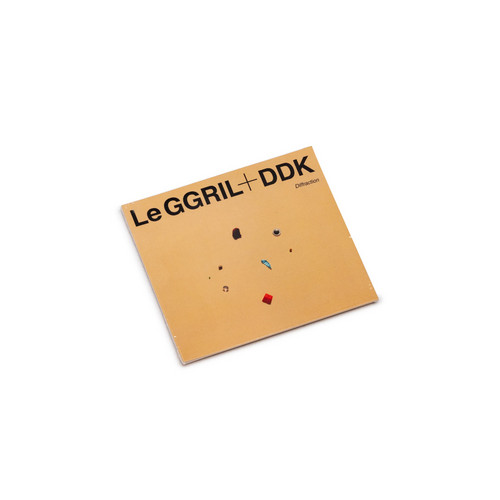
Diffraction
*2026 stock* Diffraction is the amplified reflection, across a wider sonic territory, of what takes place within the making of DDK’s music. A composition written for the GGRIL, in which the three musician-composers weave their texture by juxtaposition, by overlay, in parallel, always within the musical material itself. But Diffraction truly comes to life only through close collaboration with the GGRIL performers, where each person’s character becomes raw material. A compositional process intimat…
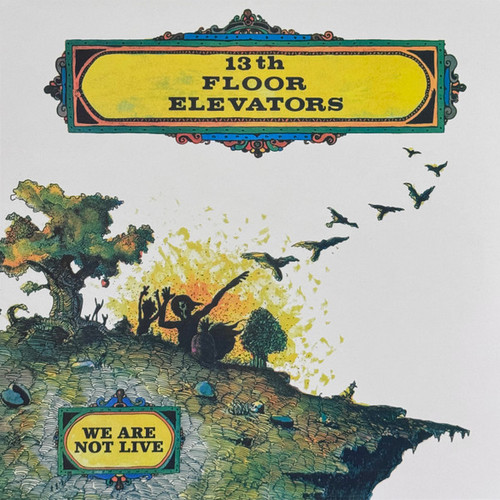
Live
2026 Record Store Day Reprise of the 1968 album 'live' by the 13th Floor Elevators. Panned at the time for being billed as "live" when in fact it was a compilation of previosuly recorded studio masters, outtakes and alternate mixes. The "very loud" crowd noise was overdubbed and was actually taken from a boxing match and wholly inappropriate for the purpose. Now, almost 60 years on, the album masters are available, in their original sequence, without the crowd noise, to be enjoyed in their full …
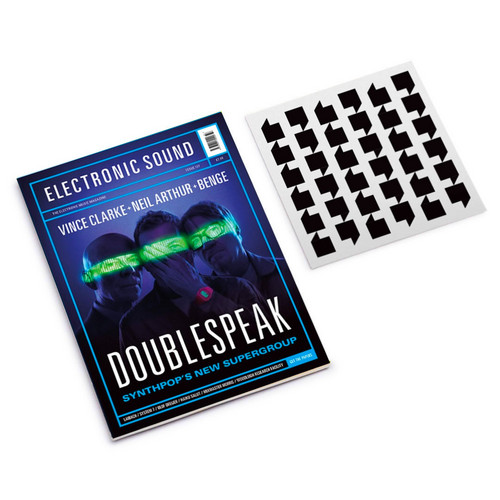
Issue 137 (Magazine + 7", Orange)
Electronic Sound #137 bundled with an exclusive purple vinyl 7" by Doublespeak, the new synth supergroup of Vince Clarke, Neil Arthur and Benge. A widescreen cover of Fad Gadget's 'Back To Nature' on the A-side, the previously unreleased 'Sunset (Instrumental)' on the flip.
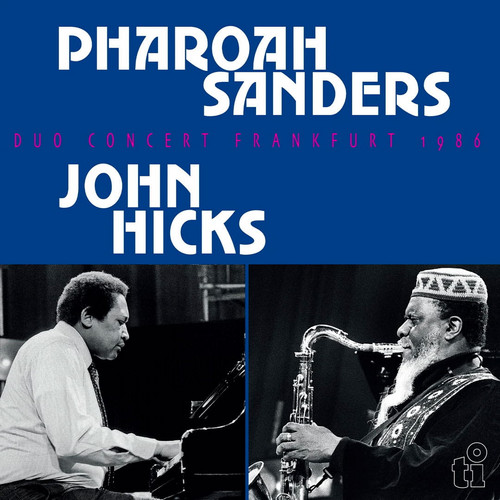
Duo Concert Frankfurt 1986
Duo Concert Frankfurt 1986 was recorded live in Germany on February 15th. The album captures tenor icon Pharoah Sanders and celebrated pianist John Hicks in a moment of profound musical harmony. Sanders, known for his evolution from fierce free-jazz to deeply lyrical spiritualist, plays here with warmth, focus and emotional clarity. Hicks meets him with luminous touch, rich voicings and an intuitive sense of space that elevates every phrase. Together they deliver a beautifully balanced set of Co…
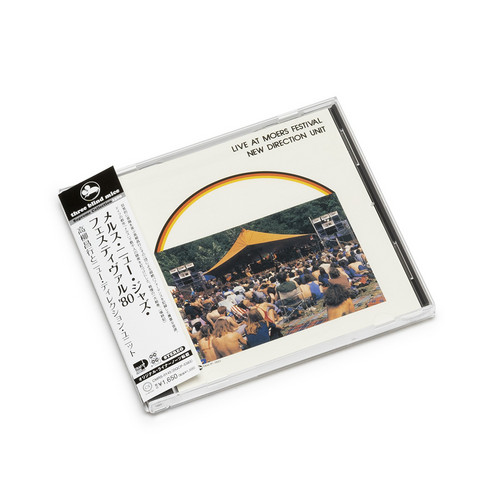
Live at Moers Festival
2026 Re-issue. A cornerstone of postwar Japanese free improvisation, captured before three thousand listeners at the ninth Moers New Jazz Festival on 26 May 1980 and issued later that year as TBM-5023. By this point Masayuki "Jojo" Takayanagi had spent more than a decade refining his theory of mass projection - a model of collective improvisation in which the ensemble operates not as a sequence of soloists but as a single density field, modulating texture rather than line - and the New Direction…
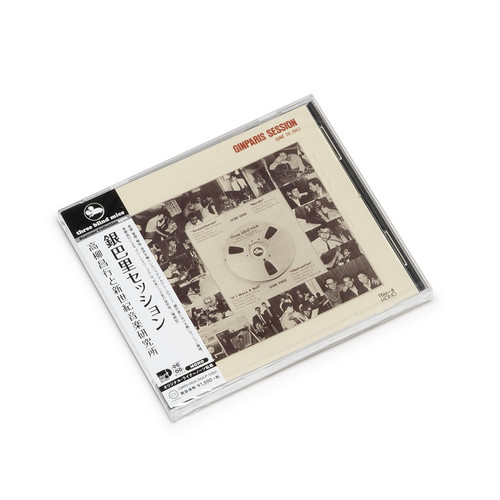
Ginparis Session
2026 Repress. Captured live on a single night — 26 June 1963 — at the Ginparis café in Ginza and held back from release until 1972, when Takeshi "Tee" Fujii founded Three Blind Mice and chose it as the label's ninth title, Ginparis Session is the foundational document of Japanese free jazz. The recording captures the 新世紀音楽研究所 (Shinseiki Ongaku Kenkyūjo, "New Century Music Research Institute"), the study collective convened by Masayuki "Jojo" Takayanagi and Masahiko Togashi as a workshop committe…
Live at Pe:rsona
From the edges of a hallucinatory torpor, Rue des Garderies continue their explorations in psychedelia — Femacosmé presents here a new piece recorded live at the Pe:rsona festival, at Domaine des Éveils in the summer of 2025. An adventure guided by blur, the intangible, the impermanent, where layers, voices, sounds, and organic and synthetic echoes resonate, emerge, then fade away — as if to deceive reality, or at least our perception of it. More than two semi-improvised hours in which Rue des G…
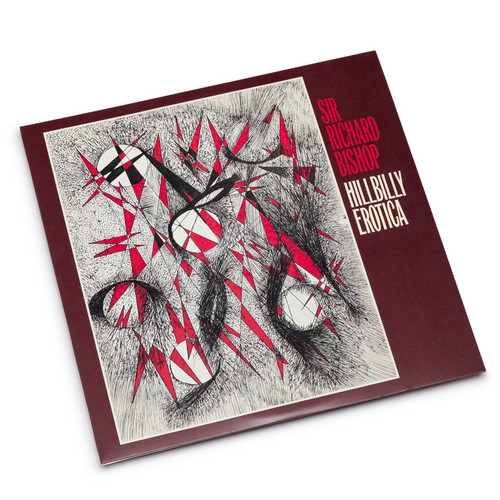
Hillbilly Erotica
Sir Richard Bishop returns for a new spontaneous six-string meshing of people’s music, recollections and psychic intentions. Are y’all ready for some Hillbilly Erotica?
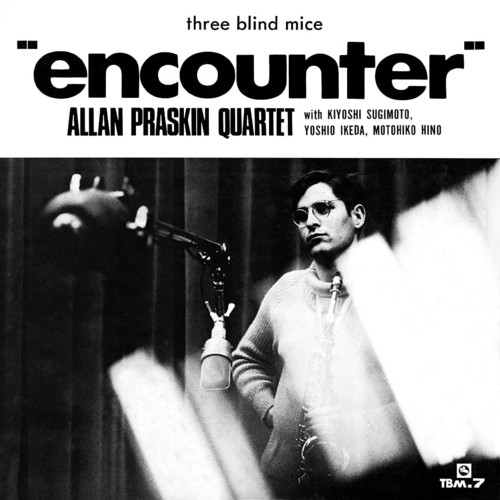
Encounter
*2026 stock* One of the more obscure entries in the early Three Blind Mice catalogue, and a record that points to the label's willingness, from very near its beginning, to host visiting players alongside the domestic scene. The American saxophonist Allan Praskin worked at the international margins of the jazz circuit, and Encounter finds him in a quartet setting that draws on the rhythmic discipline of the Japanese players around him.
The writing sits firmly in the post-bop tradition: modal fram…
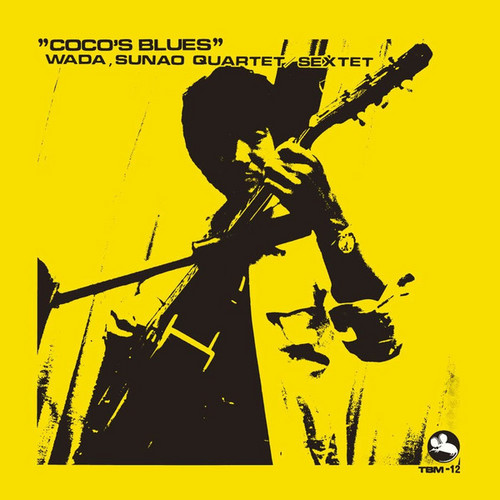
Coco's Blues
*2026 stock* Guitarist Sunao Wada spent the seventies as one of the most consistently working figures in Japanese jazz, a player whose tone owed something to Wes Montgomery and Kenny Burrell but whose phrasing carried a particular Japanese weight, more thoughtful than driving. Coco's Blues, an early release on Three Blind Mice, alternates quartet and sextet formations across the programme, and the shift in scale gives the record a real architectural interest.
The smaller settings let Wada's line…
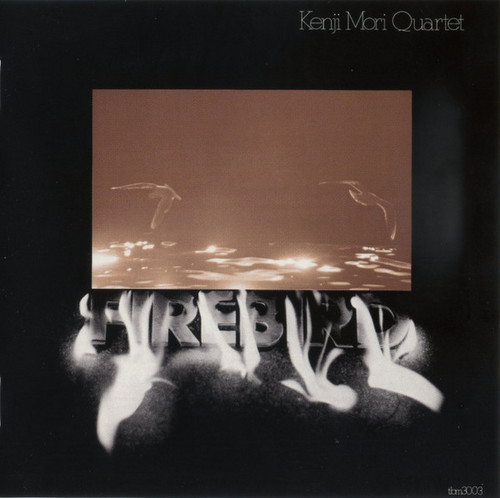
Firebird
*2026 stock* Saxophonist Kenji Mori belongs to the second generation of TBM regulars, a player whose work for the label spans several years and several formats, but whose quartet records have a particularly distilled quality. Firebird fits cleanly into the modal and post-bop tradition that defined the heart of the Three Blind Mice catalogue: heads with real melodic substance, harmonic openness that gives the soloists space without leaving them stranded, and a rhythm section that knows how to kee…
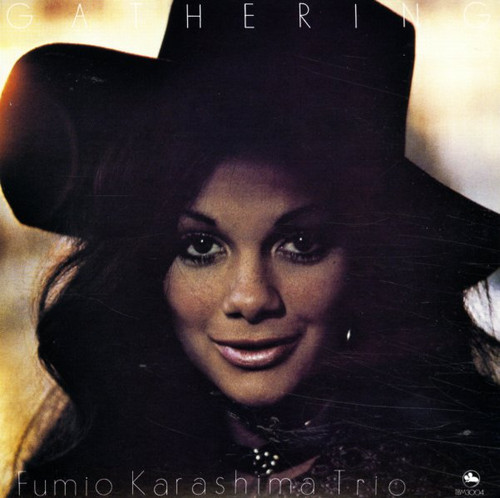
Gathering
*2026 stock* The pianist Fumio Karashima is best known internationally for his long association with Elvin Jones, having held the piano chair in Jones's working bands for years, a credit that already tells you most of what you need to know about his playing. Gathering, his trio date for Three Blind Mice, is the work of a player who has spent serious time on the bandstand with one of the most demanding drummers in jazz history, and the record's qualities reflect it: a strong rhythmic centre, a le…
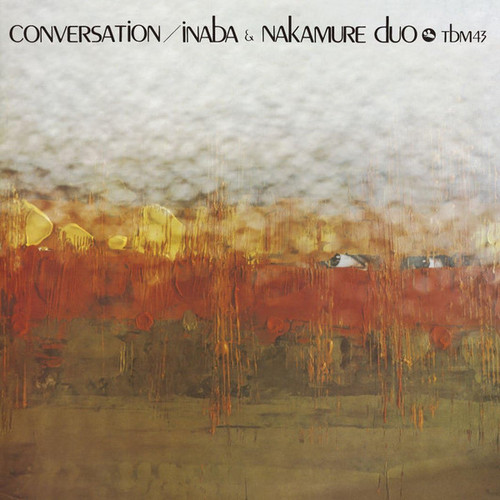
Conversation
*2026 stock* One of the more intimate entries in the Three Blind Mice catalogue: a duo session, with all the exposure and concentrated focus the format implies. Conversation lives up to its title. Two players in close, careful dialogue, with neither voice dominating and neither retreating into accompaniment. The duo format strips a lot of the usual jazz furniture away: there's no rhythm section to lean on, no horn section to fill out the harmony, no place for either player to hide.
What's left i…
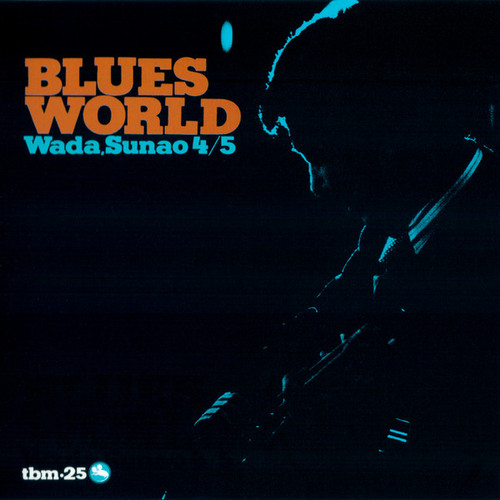
Blues World
*2026 stock* An earlier Sunao Wada outing on Three Blind Mice, recorded with both quartet and quintet formations across the programme, and built (as the title suggests) around the blues. But this is blues in the broader, more searching sense the seventies were beginning to articulate: harmonic frames borrowed from soul and modal jazz alongside the standard 12-bar architecture, and an improvising attitude that's more interested in development than display.
Wada's guitar carries the writing with t…
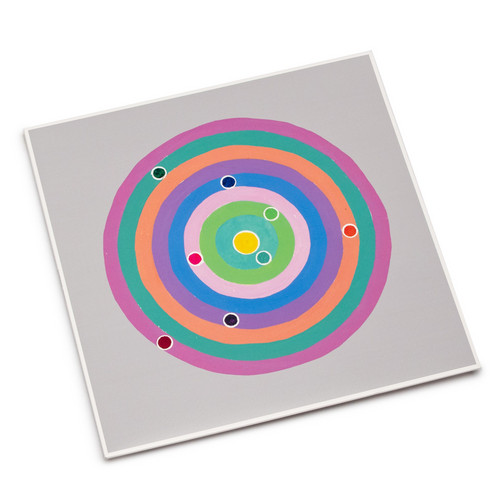
Uchuu
On Uchuu, Oowets drifts into their most abstract work yet, blending tapped cloth boxes, reed organ warmth and bedside field recordings into a gentle, cosmic meditation where minimal rhythms and environmental sounds merge science and nature into a single, weightless drift.
Obscure Residue
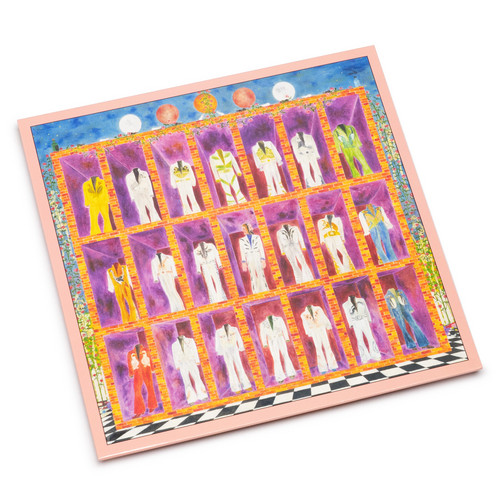
On Obscure Residue, Dimples - the bicoastal duo of Greg Hartunian and Colby Nathan - sharpen fifteen years of friendship into bittersweet, uptempo pop where orchestral arrangements lift codeine‑dream melodies while lyrics circle time, scars and the quiet truth that some currents just turn you around.
Love is Overtaking Me
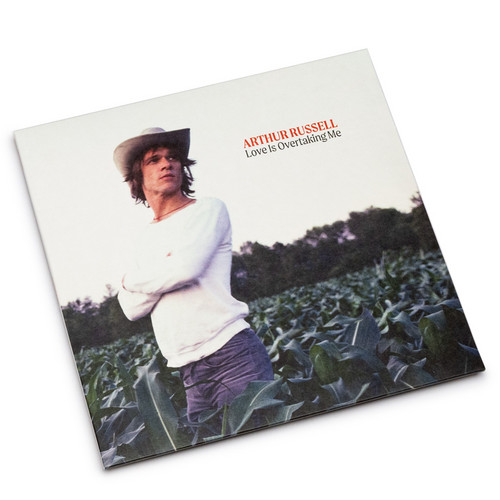
On May 21, on what would have been Arthur Russell’s 75th birthday, Audika Records presents a remastered/redux double vinyl rerelease of the much-beloved compilation Love Is Overtaking Me of Arthur’s folk, pop, and country songs including “Planted a Thought”, “Close My Eyes”, and “I Couldn’t Say It To Your Face”.
Spazio Notte
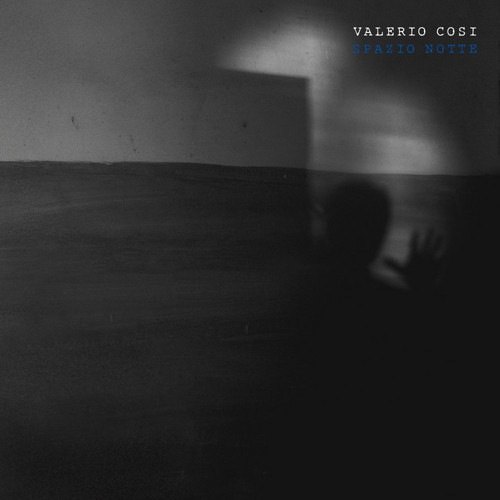
*200 copies limited edition. Carefully handcrafted case and a small booklet inside.* Spazio Notte is the result of Valerio Cosi's musical work, featuring the contribution of writer Angelo Ferracuti, who explores the theme of travel in his unpublished story, “Tra le nuvole e il nulla.” Cosi delves into what is known as the hauntological subculture, a dimension of reality that, as the term suggests (a combination of "haunting" and "ontology," coined by Jacques Derrida and later developed by Mark F…
Birds Measuring Space
During a 2016 trip to Colombia, I was very fortunate to be welcomed by the staff of the Rio Claro Natural Reserve, located in the central Cordillera. After several days of recording in the caves—the ones open to the public—inhabited by small colonies of cave-dwelling Guacharos (Steatornis caripensis), Juan Guillermo Garcés, director and founder of the Rio Claro sanctuary, allowed me to access a secret location outside of the reserve, home to what ornithologists reckon is one of the largest known…