Upcoming releases
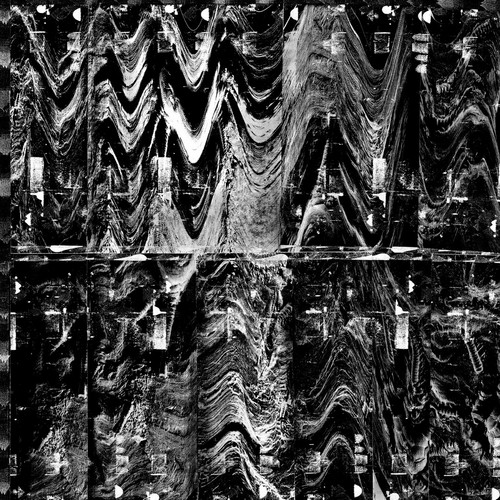
Geophonics
Cello feedback through a bass amplifier set against a grand piano, whose strings answer in dense overtones: three long pieces recorded in a former convent in Belgium, between drone and spectral music.
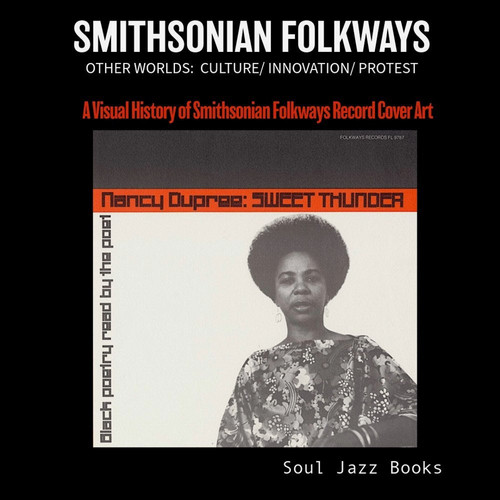
Folkways Records: A Visual History
Large-format hardback from Soul Jazz on the sleeves of Folkways Records, most by designer Ronald Clyne: hundreds of covers for Woody Guthrie, John Cage, Lead Belly, Allen Ginsberg and many more.
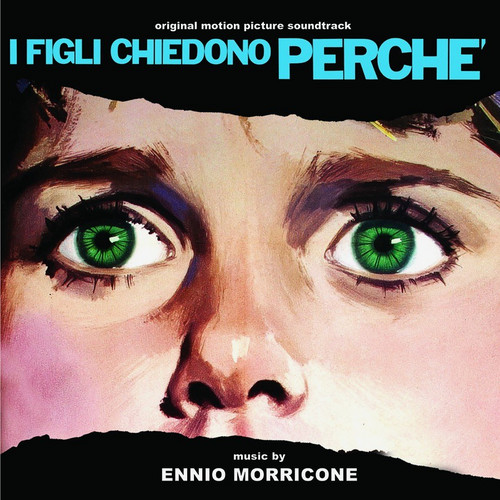
I Figli Chiedono Perché
Morricone's 1972 score for Nino Zanchin's film, from the original mono masters: a love theme sung by Edda Dell'Orso and psychedelic harp pieces with echo, back on CD after twenty years.
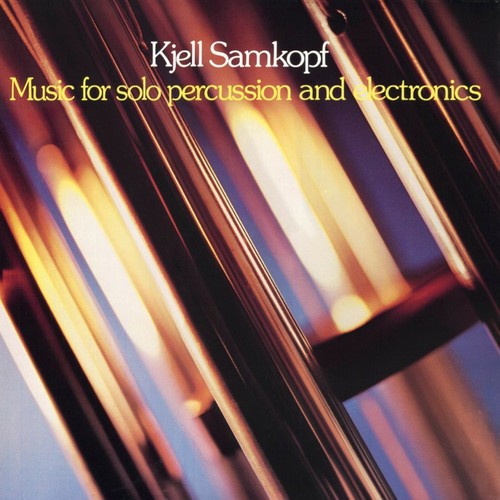
Music For Solo Percussion And Electronics
First reissue of the Norwegian percussionist's debut, recorded in 1981 at Henie Onstad Kunstsenter: vibraphone, marimba, bells and synths over environmental recordings, between Midori Takada and Fourth World.
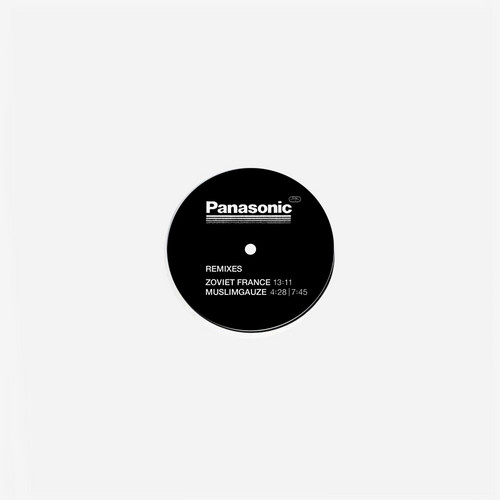
Remix EP
Three Panasonic remixes made in 1996 by Zoviet France and by Muslimgauze, found on DAT decades later and issued by Sähkö in 2020: one side of Zoviet France, two Muslimgauze pieces. Repress.
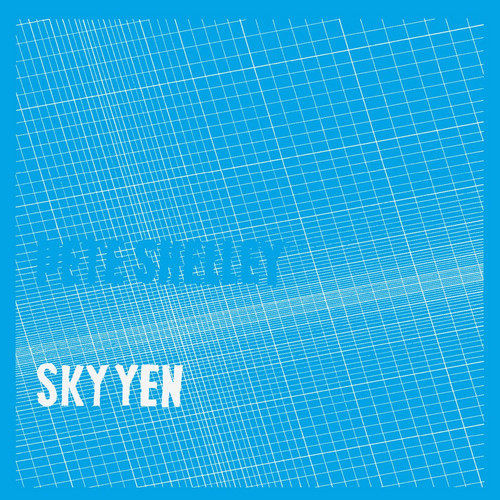
Sky Yen
Pete Shelley's 1974 electronic recording, made two years before Buzzcocks on a home-built oscillator and a two-track tape recorder: drones, feedback and echo, on CD for the first time.
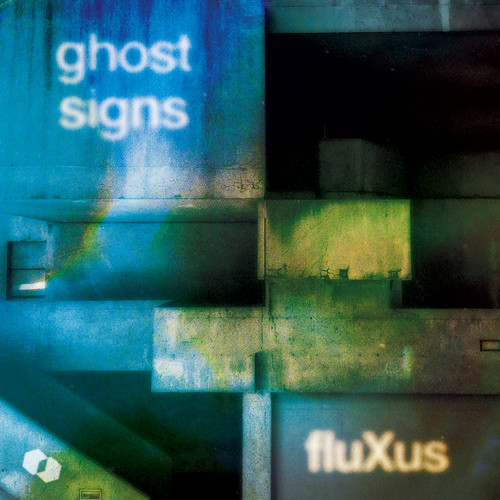
Ghost Signs
fluXus returns to CiS with a beautiful new album entitled 'Ghost Signs'. fluXus is Cornwall based artist Nigel Rushbrook. Born on the same day as Ralph Vaughan Williams and Alistair Crowley, Nigel lives and records in a cottage once owned by Sargeant Howie AKA Edward Woodward. 'Ghost Signs' brings some darker shades of ambience and classic electronic sounds, with Berlin School style sequencing and a retro sensibility. Nigel uses vintage analog and virtual synths and old-school effects. Nostalgic…
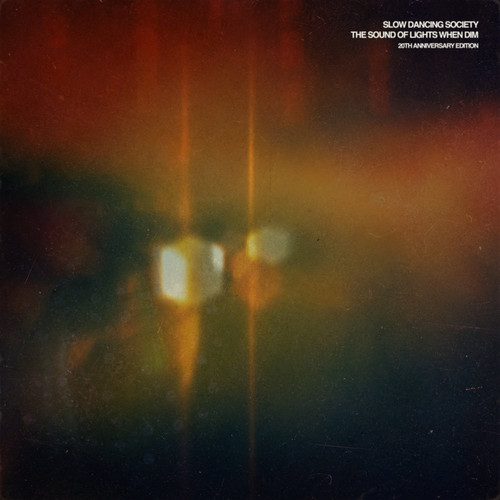
The Sound Of Lights When Dim
*200 copies limited edition* Twenty years after its original release, The Sound Of Lights When Dim remains a remarkable opening statement from Drew Sullivan’s Slow Dancing Society. First released on September 6, 2006, the eight-track album established a musical language that Sullivan would continue to explore and refine for the next two decades: slowly unfolding electronics, treated guitar, soft rhythmic movement and melody shaped less by conventional structure than by memory, atmosphere and emo…
post_[*]
Across the group's 20 year history, Martin Archer and Hervé Perez have never allowed Inclusion Principle to stand still.
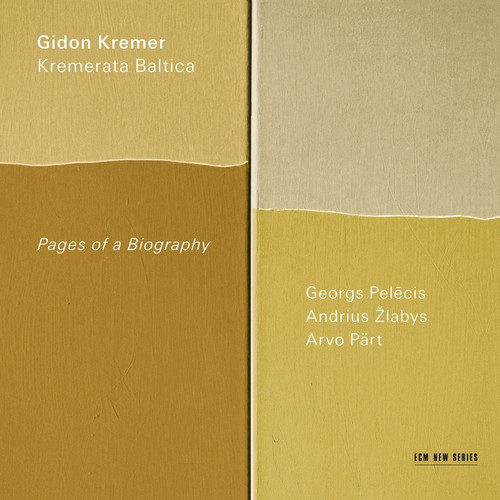
Pages of a Biography
Gidon Kremer and Kremerata Baltica play Georgs Pelēcis' title concerto, written for Kremer, Andrius Žlabys' Kaleidoscope of Lost Time and two works by Arvo Pärt, Passacaglia and Darf ich.
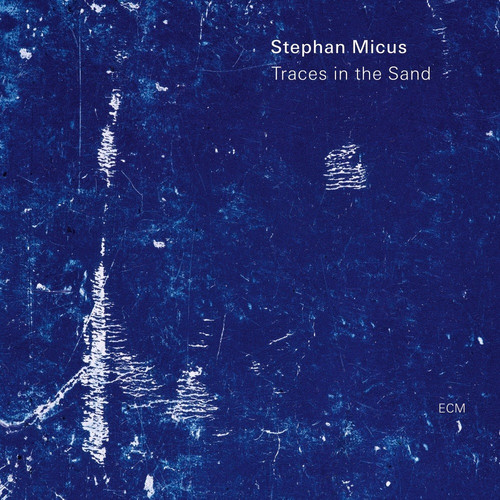
Traces in the Sand
Stephan Micus' 27th solo album for ECM, dedicated to the sea: a dozen instruments from Borneo, Japan, India, Armenia, Africa and beyond, from hang and kalimbas to shakuhachi, duduk, sapeh and sho.
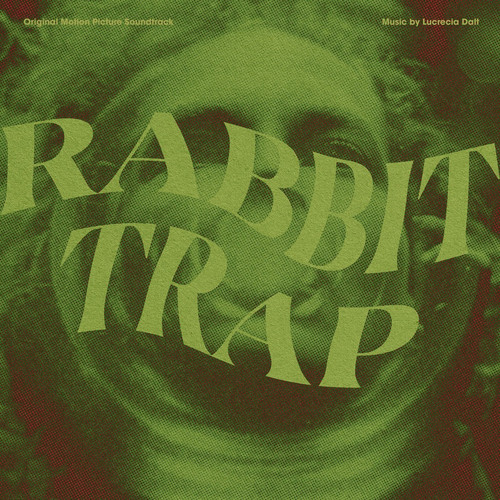
Rabbit Trap (Original Motion Picture Soundtrack)
Lucrecia Dalt's score for Bryn Chainey's folk horror Rabbit Trap, a film about the power of sound: humming drones, unnerving loops and garbled fairy chatter, with Aaron Dilloway on one track.
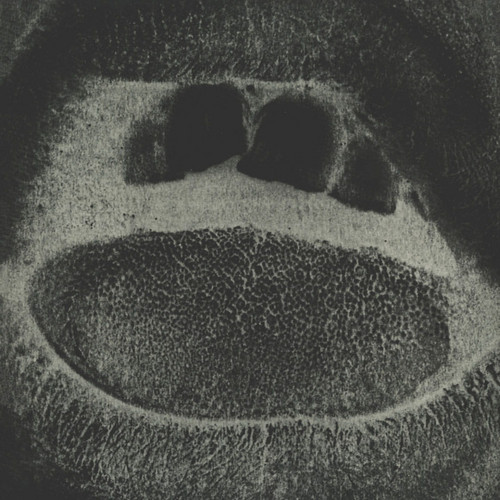
Form Destroyer
Skullflower's 1989 Broken Flag debut, the birth of British drone-noise-metal, back on vinyl for the first time in over thirty years, with Matthew Bower, Stuart Dennison, Stefan Jaworzyn and Stephen Thrower.
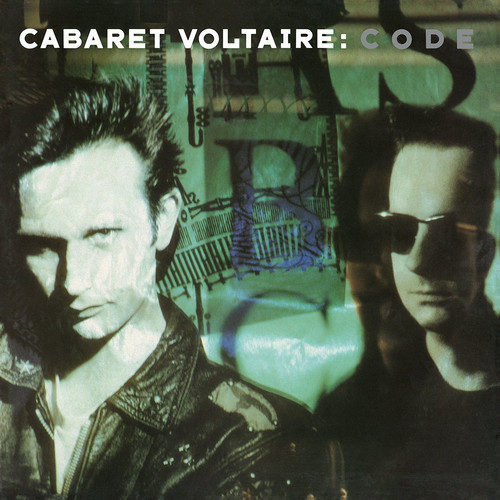
Code
Cabaret Voltaire's 1987 album, co-produced with Adrian Sherwood: the turn to synth-pop and mechanistic funk, remastered from the original tapes by Denis Blackham and back on Mute.
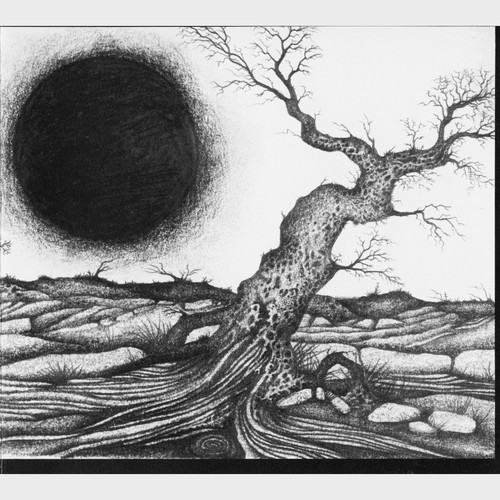
Obsidian Shaking Codex
The 1993 RRRecords session, the heaviest Skullflower record of the first decade: Matthew Bower, Stuart Dennison and Russell Smith in five long pieces of droning, chaotic dissonance.
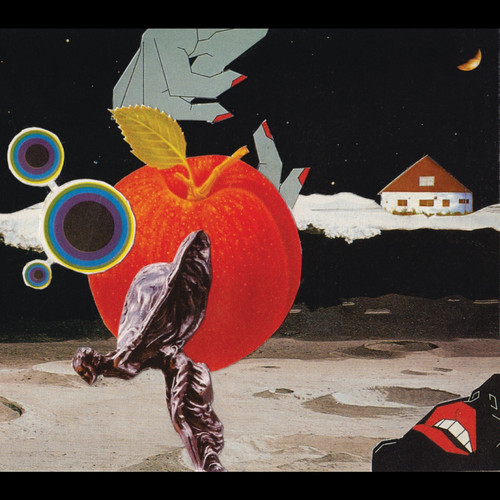
Highsmith Plus
Ikue Mori and Craig Taborn, the duo Highsmith, return after ten years and open up into three trios with Bill Frisell, Tomeka Reid and John Zorn, plus a few quintet pieces.

Ping
Raoul Björkenheim on guitar and Paal Nilssen-Love on drums, old partners from Scorch Trio, in nine pieces of free music recorded in Helsinki: wild and raw, at times delicate and introspective.
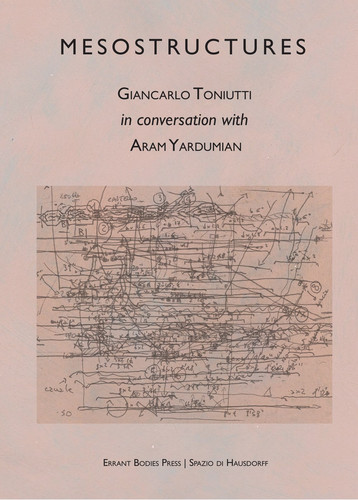
Mesostructures
Giancarlo Toniutti in a book-length conversation with Aram Yardumian, from his teenage tapes to Xenakis, René Thom and field recording, with archival photos, a full index of works and a CD of three new pieces.
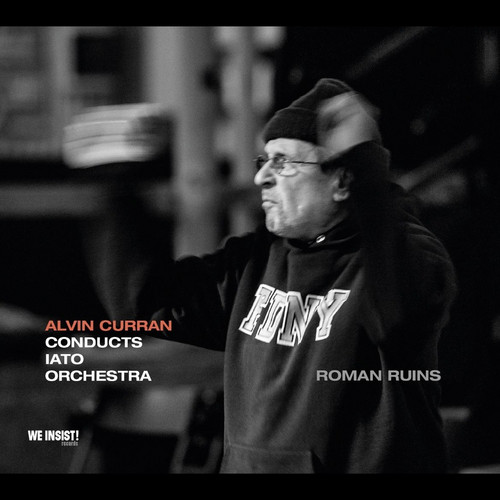
Roman Ruins
Alvin Curran conducts the Iato Orchestra, thirty musicians with voice, reeds, brass, strings, harp, accordion, guitars, vibraphone, basses, two drummers and four electronics players.
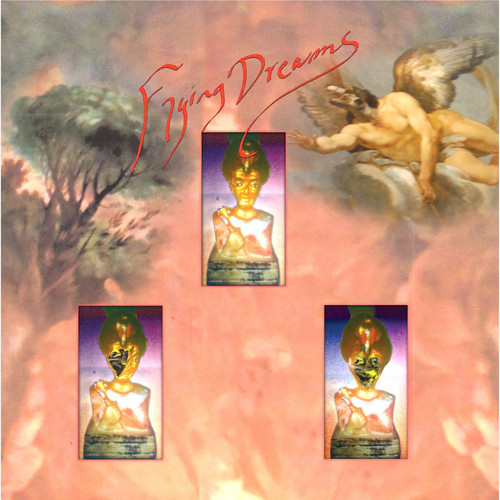
Flying Dreams
Spencer Clark returns as Monopoly Child with five electronic sound paintings inspired by Rome's Villa Borghese gardens: distorted voices, transformed bells and luminous synthesizers as a manual of levitation magic.