Upcoming releases

A La Altura: Visionary Mexican Music 1977-1999 - Volumes 2
Visionaries in Mexico have sought ways to look beyond the stars for millennia. Ancient civilizations like the Maya and Aztecs designed their cities as gigantic star maps, orienting their buildings to mark equinoxes, solstices, and zenith passages. This inquisitive form of meaning-making through art has long been endangered—first by Spanish colonizers; then by the Mexican government’s throttling of artistic expression in the late 20th century; and now by the violent anti-Mexican sentiments of the…
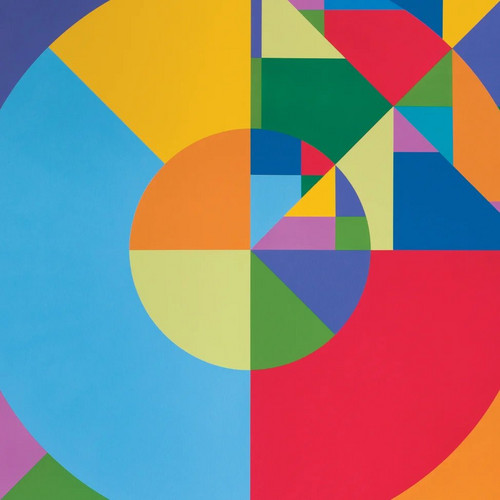
A La Altura: Visionary Mexican Music 1977-1999 - Volumes 1
Visionaries in Mexico have sought ways to look beyond the stars for millennia. Ancient civilizations like the Maya and Aztecs designed their cities as gigantic star maps, orienting their buildings to mark equinoxes, solstices, and zenith passages. This inquisitive form of meaning-making through art has long been endangered—first by Spanish colonizers; then by the Mexican government’s throttling of artistic expression in the late 20th century; and now by the violent anti-Mexican sentiments of the…
A La Altura: Visionary Mexican Music 1977-1999 - Volumes 1 & 2
Visionaries in Mexico have sought ways to look beyond the stars for millennia. Ancient civilizations like the Maya and Aztecs designed their cities as gigantic star maps, orienting their buildings to mark equinoxes, solstices, and zenith passages. This inquisitive form of meaning-making through art has long been endangered—first by Spanish colonizers; then by the Mexican government’s throttling of artistic expression in the late 20th century; and now by the violent anti-Mexican sentiments of the…
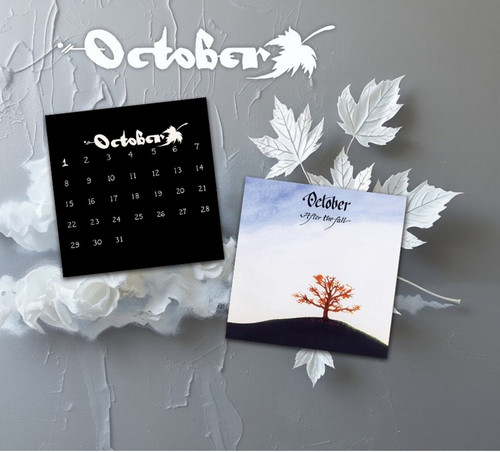
October & After the Fall
*100 copies limited edition, black vinyl* In continuation of our deep-dive into the diamond vaults of US Prog, it is with great pleasure that we bring you the first reissue of the 2 ultra rare albums by the Detroit-based October. This is a deliciously eclectic combo of sonic explorers whose recorded testament consists of a string of pebbles that crystalized in a collectively interminable quest for that eccentrically elusive eureka moment.
Fueled by King Crimson and Yes, but also by the improvis…
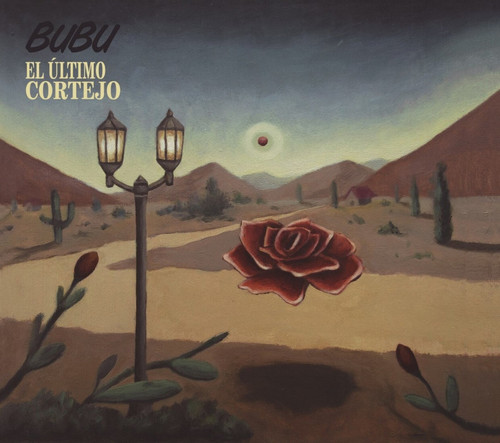
El Ultimo Cortejo
The mighty Argentine progsters Bubu make a triumphant comeback with their 3rd and final album El Ultimo Cortejo. Composed in part based on notes discovered by the band’s mastermind Daniel Andreoli in his parents’ basement, dating back to the Anabelas (1976) period, and in part on newly infused sonic elements by the evergreen lineup that boasts some of the finest upcoming musicians from Buenos Aires’ rampant neoprog scene, El Ultimo Cortejo carves new pathways in Bubu’s evolutionary trajectory by…
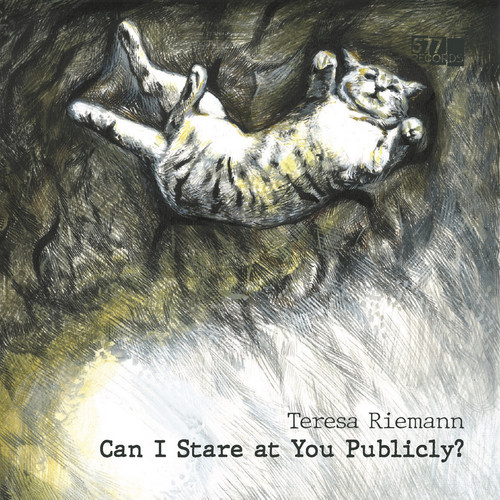
Can I Stare at You Publicly?
*300 copies limited edition* Berlin-based percussionist and vocalist Teresa Riemann presents Can I stare at you publicly?, a new collection of solo works for percussion and voice. The pieces are meticulously composed, while their origins lie in improvisation, and improvisation remains part of the way Riemann performs them. The compositions stay open, allowing her to interpret them differently each time and keeping the music in a state of movement rather than fixing it into a final form.
On “The …
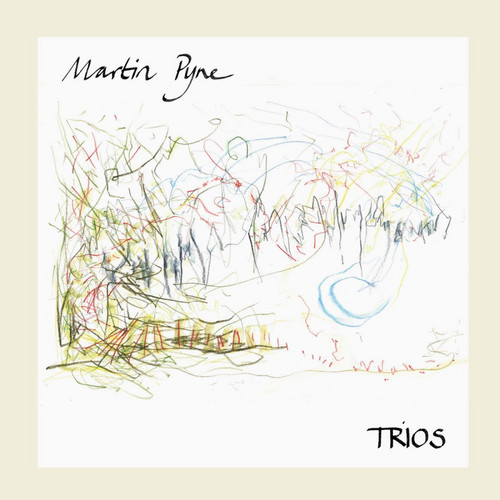
Trios
Martin Pyne’s new release, the double album Trios, focuses on his unique approach to the vibraphone. The album places his playing in the context of two contrasting trio lineups. In Vampire Coast Trio Martin is joined by one of his favourite drummers, Johnny Hunter, along with the extraordinary double bass player Michael Bardon. Together they make music with a truly transparent texture, full of both space and sonic detail together with richly lyrical melody and counterpoint. Martin says, “Michael…
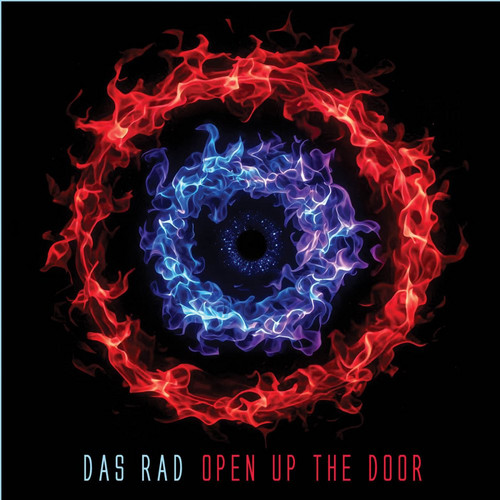
Open Up The Door
Open Up The Door is the sixth release from Das Rad, and continues our group’s progression from studio based instrumental music to live performance unit - featuring the sublime voice of Peter Rophone alongside the multi instrumental talents of the other players. Some years ago Martin Archer came up with the term Improg for this music – progressive rock music rooted in group improvisation, but brought to fruition through extensive post production editing and arrangement. Almost all of this album w…
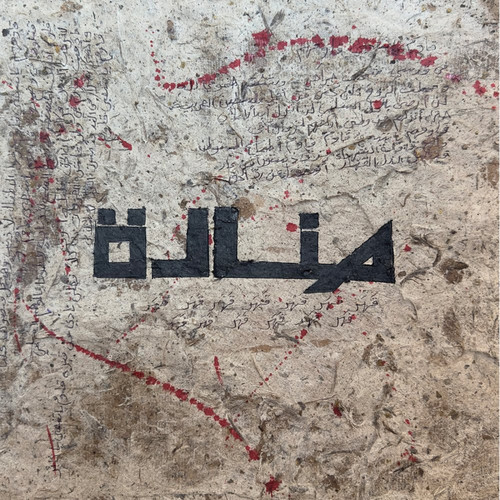
Manara
Manara is a trio that emerged from a love of poetry, a shared interest in the musical traditions of the Middle East and poetry as political resistance. The musicians had worked together before separately – Alya and Khabat performed together in Suleimaniyah, Iraqi Kurdistan as part of the Space 21 Festival, and Alya and Pat have improvised together in several ensembles over the past decade.
Alya had arrived at a time where she was desperate to explore the performance of more poetry in her mother …
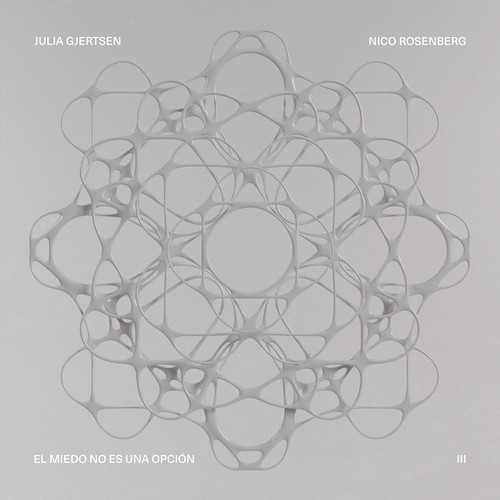
El Miedo No es Una Opción
*200 copies limited release* Artificial Owl Recordings is happy to release El miedo no es una opción, the new piano based ambient album from Julia Gjertsen and Nico Rosenberg. It's the third and final chapter in a collaborative triptych series that began with 2020's Distant Fields and continued with 2022's Paisajes Imaginarios. Gjertsen and Rosenberg also released the single "Despierta, llegamos" in 2025 on OPIA (the label run by Icelandic composer Ólafur Arnalds).
The album is out digitally, on…
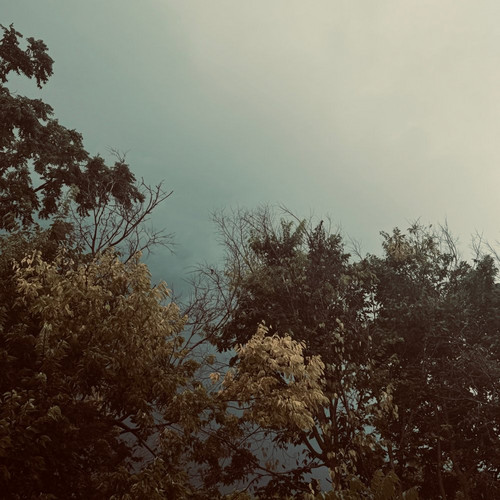
Lowland: In Three
*50 copies limited edition* Lowlands: In Three is a 44-minute suite in three movements, built around hazy drone and distant guitars. Inspired by hot, humid Indiana summer evenings, the music reflects the sounds and atmosphere of the landscape as daylight fades. The accompanying photography documents the places, light, and surroundings that shaped the recordings, connecting what was heard with what was seen.
Kinetic Void
*150 copies limited edition* The ambient lineage, from Brian Eno’s Music for Airports forward, has been characterized as sounds that can recede into the background, creating an absence that exists laterally to the listener’s attention. The Kinetic Void originated from a different premise. The compositions assembled here retain a commitment to atmosphere, putting texture over melody and suspending conventional notions of meter. But they embody an inverted relationship to density from that of the …
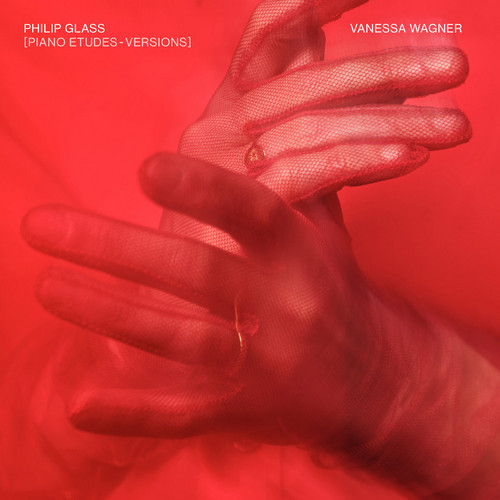
Philip Glass: Piano Etudes Versions
Few have ventured to record Philip Glass’s twenty piano etudes in their entirety. Even fewer have attempted to remix them.

Overflowed Shelters
*200 copies limited edition* “Overflowed shelters” is one of the many possible reactions to the sadness and anger that reality awakened in us in 2024. We still remain in that state, witnessing something we never believed we would see. Yet it confronts us daily, slowly infiltrating our being. This urge to react arises from within and asserts itself as a necessity. We composed and performed our sounds. Now they will be released and will travel, metaphorically, to reach others in the form of a desi…

Electric Telepathy
Pleasurewood return with 'Electric Telepathy', their second full-length LP offering Simla Space Funk, Psych-Library and Vintage-Cinematic Raga-Rock grooves. This new offering from the band embraces more of their vintage Hindi Cinema soundtrack influences — "Chump Change", "The Hoverfly" and "RAMMM" could easily fit into the middle of an R.D. Burman score, each with their incongruous synthesis of different genres, infectious percussion, classical modes and funk chops.
There is also a slight sweep…
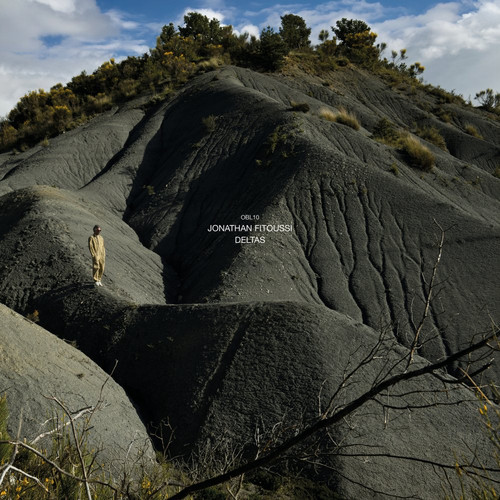
Deltas
French composer, artist and co-founder of Transversales Disques, Jonathan Fitoussi has developed a distinctive body of work over the past two decades, blending analog synthesis, minimalism and electronic music. Inspired by the mineral landscapes and luminous atmosphere of southeastern France, Deltas is his fifth solo studio album. Combining hypnotic drum patterns, flowing pulses, shimmering electronic textures and contemplative movements, it unfolds as a deeply immersive journey through space, l…

Late Loop
Andy Stott returns to Modern Love with Late Loop, his first album in five years. Two voices sit at the centre of the record: Alison Skidmore, Stott's vocal partner for more than a decade, and Elaine Howley, working with him for the first time. They were given songs in various states of completion, some close to finished, others fragments or loops, often pitched down and slowed. The vocals were layered up, then carved back until only what was needed remained, carrying a set of songs mostly concer…

Drëun
This is supposed to be a 40th anniversary reissue. Well, it still is, but with year of a delay. It was told enough about the early Metgumbnerbone recordings. We just keep some quotes here.
"It’s hard to imagine anything more haunting than the folk horror ritual sounds which Metgumbnerbone conjured forth in the Ruins of Industry." - Kristian Olsson, Shock Tilt
"Working mainly with percussion, Metgumbnerbone evolves an improvisational continuum that depicts subterranean and old, eerie, murky templ…
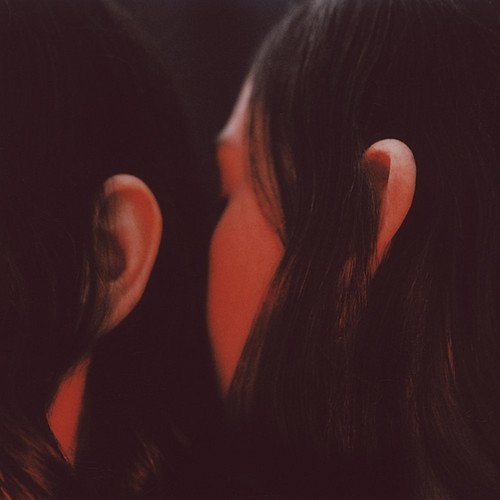
S∞S
** Edition of 100 ** Huerta Ensamble is a collaborative research project by Mexican artists Concepción Huerta and Daniela Huerta, dedicated to exploring sound through synthesis and magnetic tape experimentation. Their practice delves into tuning, electricity, spatiality, psychoacoustics, and the fundamental principles of sound, with live performances unfolding through improvisation and the dialogue unique to each setting.The album, "S∞S", treats sound as a living organism — alive with resonance,…

Mothers of All
*300 copies limited edition* Mothers of All is Mark Gomes' second album as Blue Chemise for Students of Decay, following 2018’s acclaimed Daughters of Time. Though built from very different materials, it shares its predecessor's economy, sense of proportion, and fascination with the ways domestic life can open onto larger and less easily defined realms. Where Daughters of Time evoked tender, if alien, nursery songs, Mothers of All takes the form of spectral salon music heard at a temporal and ge…